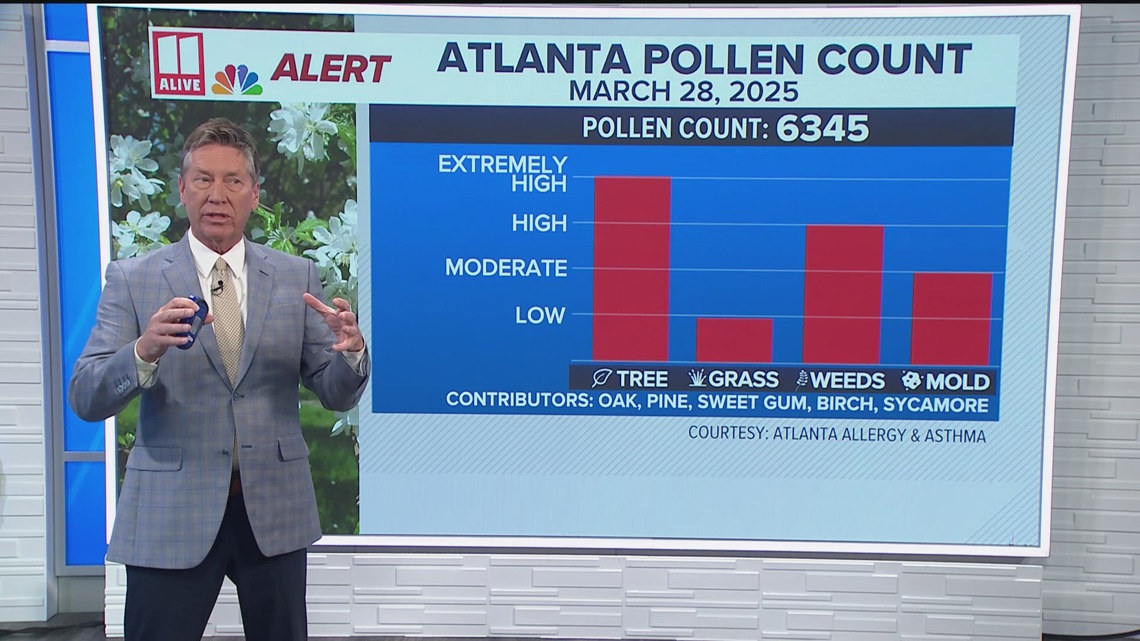
Today’s Atlanta Pollen Count 2026: Daily Allergy Forecast and Relief Guide
In 2026, Atlanta’s daily pollen count remains a critical health metric for residents managing seasonal allergies in the "City in a Forest." During peak spring and fall windows, concentrations often surge into the "Extremely High" categ...
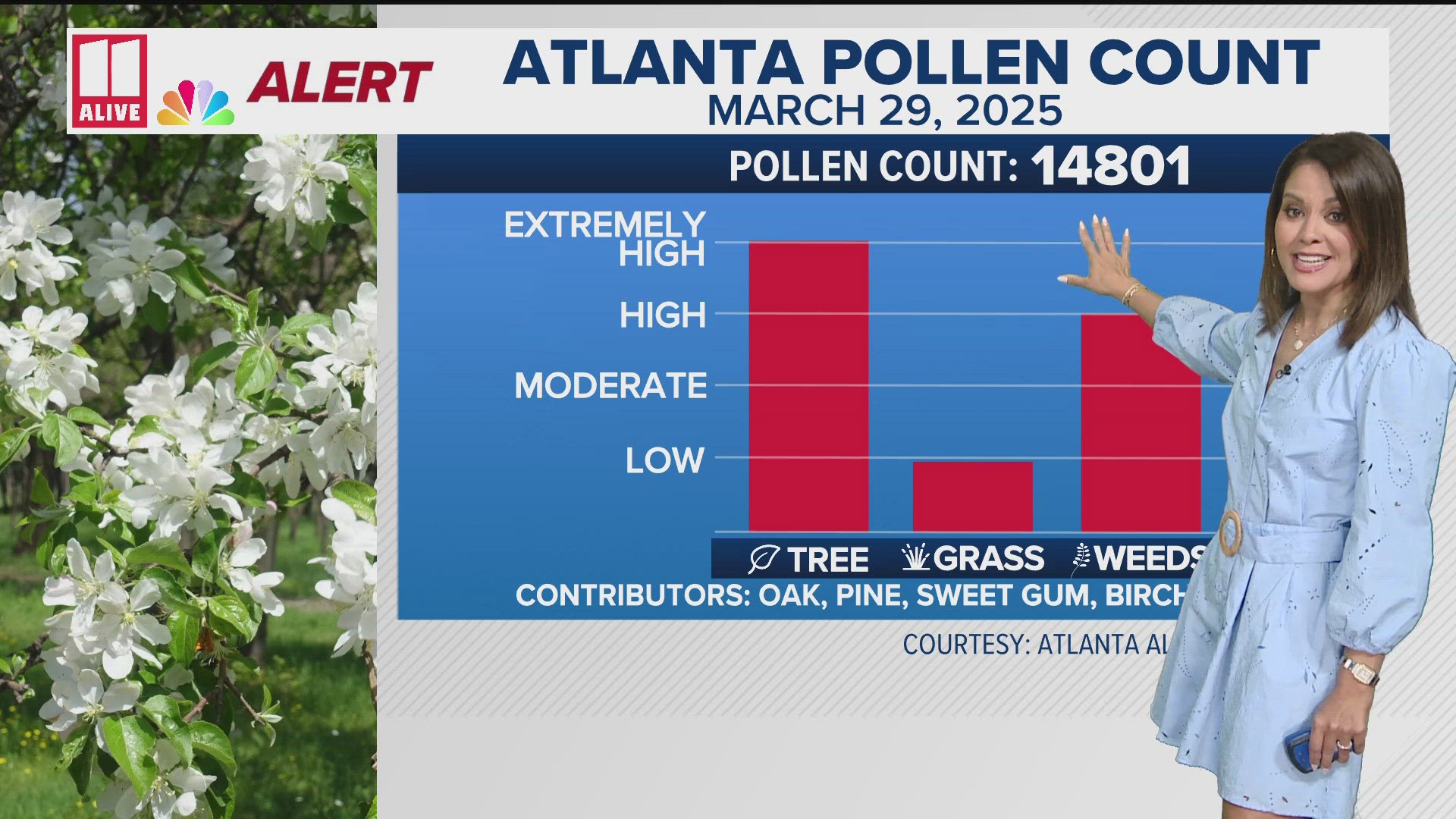
In 2026, Atlanta’s daily pollen count remains a critical health metric for residents managing seasonal allergies in the "City in a Forest." During peak spring and fall windows, concentrations often surge into the "Extremely High" category, necessitating immediate preventative measures. Current readings are tracked by the National Allergy Bureau (NAB) using grains per cubic meter (gr/m³) to determine the severity of tree, grass, and weed allergens throughout the Metro Atlanta area.
Contents
Atlanta's unique topography and dense canopy cover make it one of the most challenging environments for allergy sufferers in the United States. As we navigate the 2026 allergy seasons, understanding the specific biological triggers and local environmental factors is essential for maintaining respiratory health and quality of life. This guide provides a deep dive into how pollen counts are measured, what today’s levels mean for your health, and the clinical strategies recommended by Georgia’s leading immunologists.
Understanding the National Allergy Bureau (NAB) Scale in Atlanta
The metrics used to report today’s pollen count are not arbitrary. They are governed by strict standards set by the National Allergy Bureau, which is the data-reporting section of the American Academy of Allergy, Asthma & Immunology (AAAAI). In the Metro Atlanta region, the primary certified counting station is managed by Atlanta Allergy & Asthma, providing the most accurate local data.
The scale is divided into four main categories: Low, Moderate, High, and Extremely High. These categories are weighted differently depending on whether the primary allergen is tree pollen, grass pollen, weed pollen, or mold spores.
Tree Pollen Thresholds (Spring Dominance)
Tree pollen typically peaks in Atlanta between March and May. The concentrations are measured as follows:
- Low (0–14): Only individuals who are extremely sensitive will experience symptoms.
- Moderate (15–89): Many sensitive individuals will begin to experience sneezing and itchy eyes.
- High (90–1499): Most people with any tree allergies will have significant symptoms.
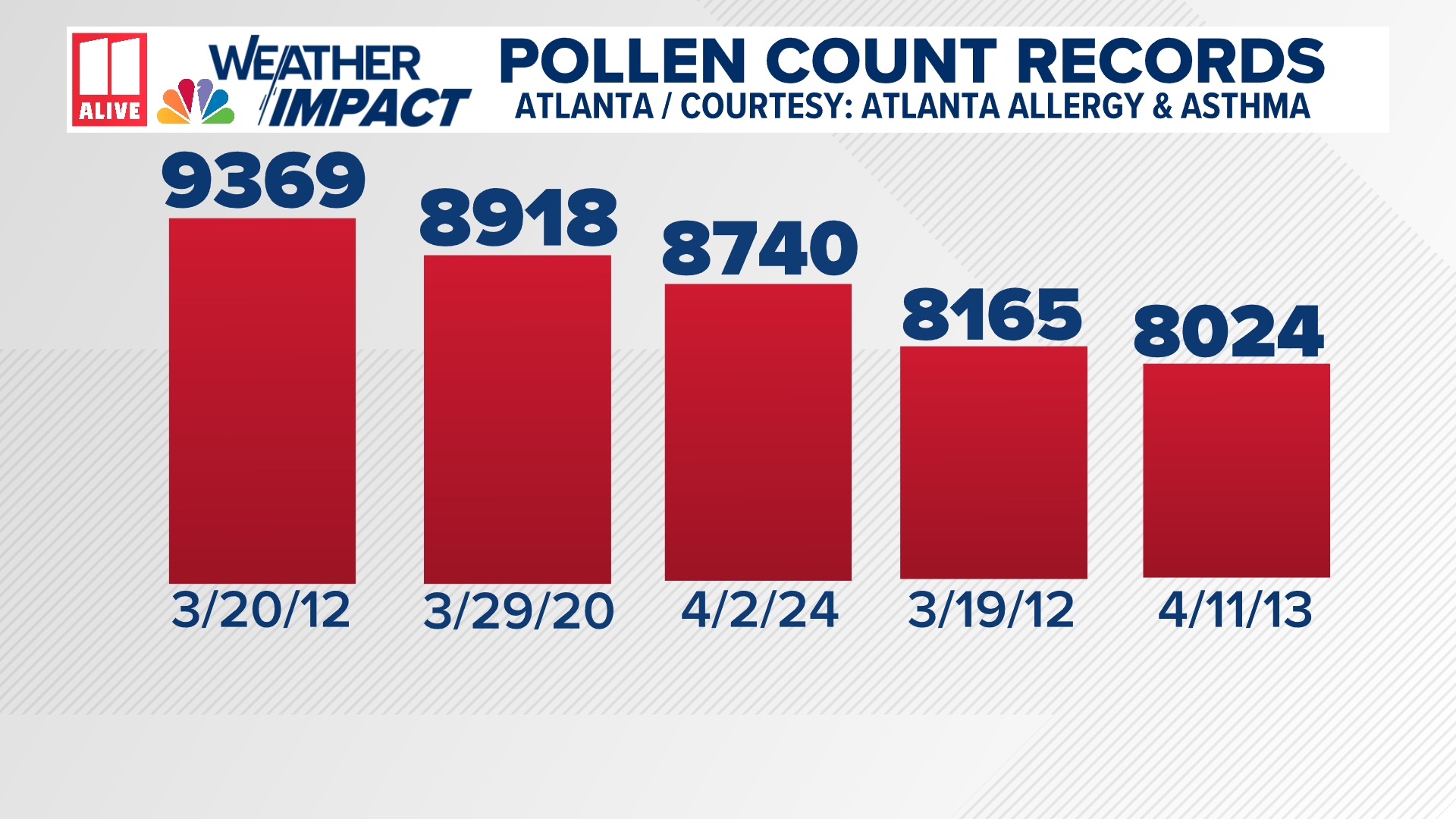
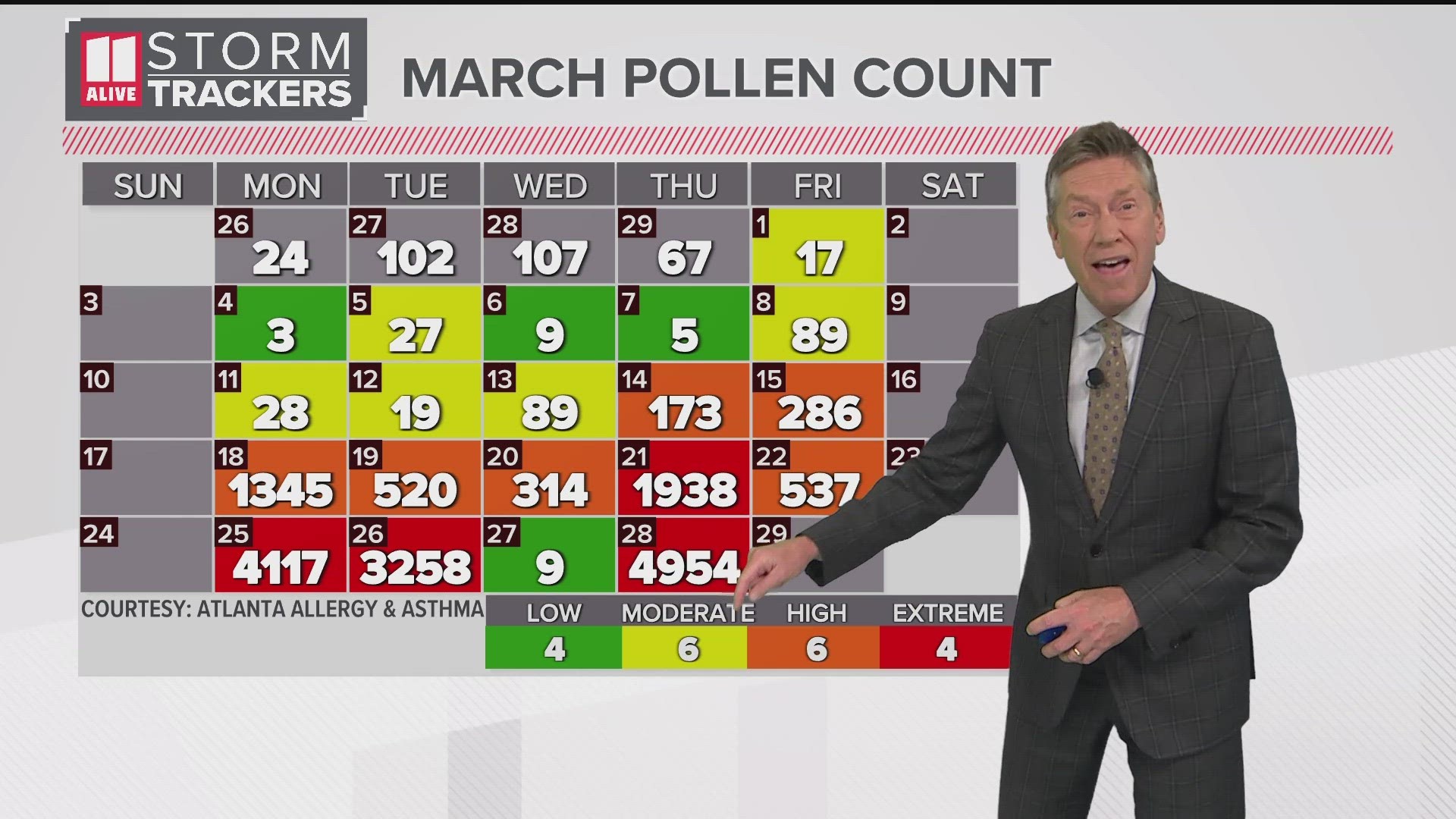
- Extremely High (1500+): At this level, which Atlanta frequently hits in April, even individuals without a history of severe allergies may feel the effects.
Grass and Weed Pollen Thresholds
Grass pollen (peaking in late spring and summer) and weed pollen (peaking in late summer and fall) have lower numerical thresholds for severity because their proteins are often more potent allergens. For example, a grass pollen count above 20 is considered "High," whereas tree pollen needs to reach 90 to hit that same label.
The 2026 Atlanta Pollen Calendar: Seasonal Triggers
In 2026, we are seeing a continuation of the trend where milder Georgia winters lead to earlier "pollen explosions." The Atlanta "Pollen Vortex" occurs when multiple species bloom simultaneously, creating the infamous yellow dust that blankets the city.
Spring: The Tree Pollen Surge
The primary culprits for high counts in the spring include:
- Oak: The most significant allergen in the region, producing microscopic grains that travel for miles.
- Pine: While the large yellow grains are the most visible, they are often less allergenic than the smaller, invisible oak or birch particles.
- Birch and Hickory: These contribute to the mid-spring spike that affects the suburban corridors of Marietta, Sandy Springs, and Roswell.
Summer: Grass and Early Weeds
As the temperatures rise in June and July, the focus shifts to:
- Bermuda and Timothy Grass: These are prevalent in the manicured lawns and parks like Piedmont Park and Chastain Park.
- Mold Spores: Atlanta’s high humidity in 2026 creates an ideal environment for mold, which often spikes after heavy afternoon thunderstorms.
Fall: The Ragweed Challenge
Starting in late August and lasting until the first hard frost, Ragweed becomes the dominant allergen. A single ragweed plant can produce up to a billion pollen grains in one season, affecting residents from Buckhead down to the Southside.
Clinical Management and Relief Strategies for 2026
When the Atlanta pollen count reaches "High" or "Extremely High," reliance on over-the-counter (OTC) medications alone may not be sufficient for many residents. Modern clinical approaches in 2026 emphasize early intervention and personalized immunology.
Pharmacological Interventions
- Nasal Corticosteroids: These remain the first line of defense. Medications like Fluticasone or Triamcinolone should ideally be started two weeks before the predicted peak of the season to "prime" the nasal passages.
- Second-Generation Antihistamines: Cetirizine, Loratadine, and Fexofenadine provide non-drowsy relief from sneezing and itching.
- Leukotriene Inhibitors: Prescription options like Montelukast are particularly effective for those who experience allergy-induced asthma or significant congestion.
Immunotherapy: The Long-Term Solution
For residents who find that today’s pollen count consistently dictates their ability to go outside, immunotherapy offers a way to change the body’s immune response.
- Subcutaneous Immunotherapy (Allergy Shots): A traditional method involving regular injections to build tolerance.
- Sublingual Immunotherapy (Drops/Tablets): An increasingly popular 2026 option that allows patients to administer their immunotherapy at home, targeting specific local allergens like Georgia Oak or Ragweed.
Comparative Analysis: Pollen Impact by Type in Metro Atlanta
The following table outlines the differences between the primary pollen categories found in Atlanta and their typical impact on the local population.
| Pollen Category | Peak Months in Atlanta | Common Species | Severity Metric (High) | Primary Symptoms |
|---|---|---|---|---|
| Tree Pollen | March – May | Oak, Pine, Birch, Maple | 90 - 1,499 gr/m³ | Severe sinus pressure, itchy eyes, runny nose |
| Grass Pollen | May – July | Bermuda, Timothy, Orchard | 20 - 199 gr/m³ | Sneezing, throat irritation, skin hives |
| Weed Pollen | August – October | Ragweed, Pigweed, Nettle | 50 - 499 gr/m³ | Post-nasal drip, coughing, asthma flare-ups |
| Mold Spores | Year-round (Peak Summer) | Alternaria, Cladosporium | 13,000 - 49,999 | Congestion, wheezing, fatigue |
Practical Mitigation: Lifestyle Adjustments for High Pollen Days
Living in Atlanta during a 2026 "Pollen Emergency" requires more than just medication; it requires a strategic approach to daily life to minimize exposure.
Home Environment Optimization
Air Filtration Standards To effectively remove pollen from your indoor air, ensure your HVAC system is equipped with a MERV 13 or higher rated filter. These filters are dense enough to capture microscopic pollen grains that MERV 8 filters miss. Additionally, using standalone HEPA air purifiers in bedrooms can reduce the "pollen load" you breathe while sleeping.
Personal Hygiene Protocols
- The "Wash the Day Off" Routine: On days when the count is high, pollen clings to hair, skin, and clothing. Showering and washing your hair immediately upon returning home prevents you from transferring allergens to your pillow and bedding.
- Saline Irritation: Use a Neti pot or saline spray twice daily to physically flush pollen grains from the nasal lining before they can trigger an inflammatory response.
Outdoor Activity Planning
- Timing Matters: Pollen counts are typically highest between 5:00 AM and 10:00 AM and again at dusk. If you are planning a run on the BeltLine or a visit to an Atlanta park, mid-day or shortly after a heavy rain is the safest time.
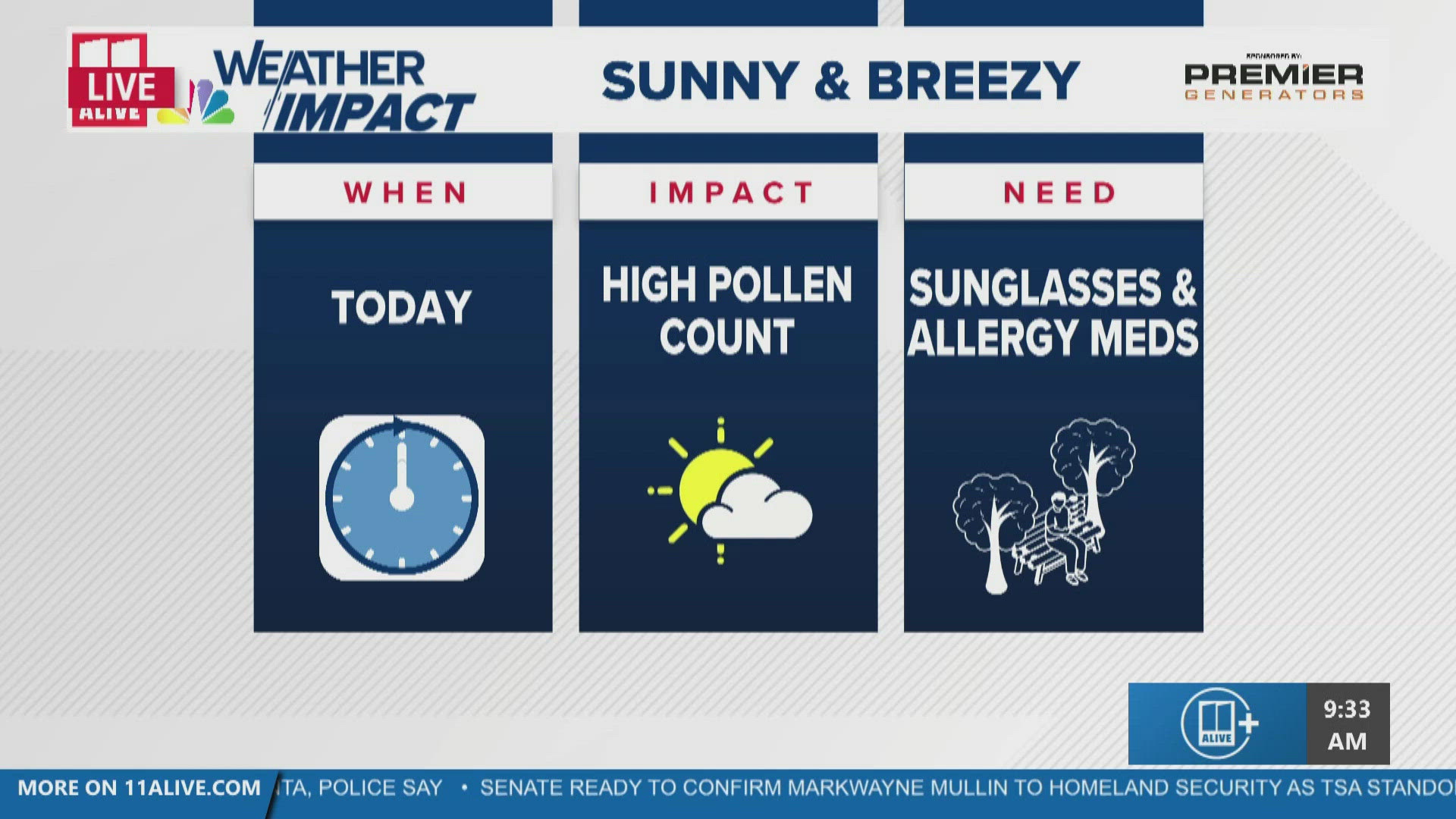
- Protective Gear: Large sunglasses can act as a physical barrier for the eyes, and N95 masks (now a standard tool for severe allergy sufferers in 2026) can filter out nearly all airborne particles during outdoor chores like lawn mowing.
Common Mistakes in Managing Atlanta Allergies
Many Atlanta residents struggle because they fall into common pitfalls regarding pollen management. Avoiding these can significantly improve your seasonal experience.
- Waiting for Symptoms to Start: If you wait until you are sneezing to take medication, the inflammatory cascade has already begun. In Atlanta, you must track the daily forecast and start treatment proactively.
- Mowing the Lawn at the Wrong Time: Mowing during a high grass pollen day in June without a mask is a recipe for a week-long sinus infection.
- Keeping Windows Open: Even if the Georgia spring weather is beautiful, keeping windows open allows millions of pollen grains to settle on your carpets and furniture, turning your home into an allergy trigger zone.
Frequently Asked Questions
Why is the Atlanta pollen count so much higher than other cities?
Atlanta is uniquely positioned with a vast urban canopy and a climate that supports a long growing season. The high density of Oak and Pine trees, combined with the humid subtropical climate, creates a "perfect storm" for high pollen production that few other major U.S. cities experience.
Does the yellow dust (Pine pollen) cause most of the allergies?
Contrary to popular belief, the large yellow dust is often not the main culprit. Because pine pollen grains are so large, they are often heavy and fall to the ground quickly. The real danger comes from smaller, invisible pollens like Oak, which are light enough to stay airborne for days and small enough to be inhaled deep into the respiratory tract.
How do I know if I have a "Pollen Cold" or a virus?
Allergies typically do not cause a fever or body aches. If your symptoms include itchy eyes and clear nasal discharge that lasts for weeks, it is likely the pollen count. If you have discolored mucus, a sore throat, and a fever, you are likely dealing with a viral infection.
Can local honey help with Atlanta's 2026 pollen levels?
While a popular folk remedy, there is little clinical evidence that local honey significantly reduces allergy symptoms. Most honey contains pollen from flowers (which are insect-pollinated), whereas the pollens causing your allergies are wind-borne (trees and grasses). Immunotherapy remains the medically proven method for desensitization.
Is today's pollen count affected by the recent rain in Atlanta?
Yes, heavy rain can temporarily "wash" the air, significantly lowering the pollen count for several hours. However, once the sun comes out and the plants dry, there is often a "rebound effect" where pollen levels surge as plants release their loads in the high-humidity environment.
What should I do if my allergy medication is no longer working?
If OTC medications fail to provide relief during an "Extremely High" day, it is time to consult a board-certified allergist. In 2026, many Atlanta residents are moving toward biological therapies or customized sublingual drops that provide more targeted relief than generic antihistamines.
If you are experiencing severe respiratory distress or your symptoms are preventing you from daily activities, seek professional medical advice from an Atlanta-based allergy specialist to develop a comprehensive 2026 treatment plan tailored to the specific local environment.
Image Gallery