What Is the Best Diet for Belly Fat? Evidence-Based Nutritional Strategies
The most effective diet for reducing belly fat is one that creates a manageable caloric deficit while emphasizing whole foods, high dietary fiber, and adequate protein. Clinical research demonstrates that eating patterns like the Medit...
The most effective diet for reducing belly fat is one that creates a manageable caloric deficit while emphasizing whole foods, high dietary fiber, and adequate protein. Clinical research demonstrates that eating patterns like the Mediterranean diet and higher-protein, low-glycemic plans specifically reduce deep visceral abdominal fat by improving insulin sensitivity, curbing systemic inflammation, and supporting lean muscle retention.
Contents
Medical Disclaimer: This article is for informational and educational purposes only and does not constitute medical advice. Consult a qualified healthcare provider or registered dietitian before making significant changes to your diet or exercise regimen.
Understanding Belly Fat: Visceral vs. Subcutaneous Adipose Tissue
To select the right nutritional strategy for abdominal fat loss, it is essential to distinguish between the two primary types of adipose tissue stored in the midsection: subcutaneous fat and visceral fat.
CROSS-SECTION OF ABDOMEN
- Skin & Subcutaneous Fat Layer (Outer soft, pinchable fat)
- Abdominal Muscle Wall
- Internal Abdominal Cavity (Liver, Pancreas, Intestines - Visceral Fat surrounds organs deep inside)
Subcutaneous Fat
Subcutaneous fat is the soft fat located directly beneath the skin. It is the tissue you can pinch with your fingers. While excessive subcutaneous fat poses cosmetic concerns for many, it is metabolically less harmful than fat stored deeper in the abdominal cavity. Subcutaneous tissue acts primarily as energy storage and insulation.
Visceral Fat
Visceral fat resides deep within the abdominal cavity, wrapping around vital organs including the liver, pancreas, and intestines. Unlike subcutaneous fat, visceral adipose tissue is highly active metabolically. It secretes pro-inflammatory cytokines (such as interleukin-6 and tumor necrosis factor-alpha) and releases free fatty acids directly into the portal vein system, which carries blood straight to the liver.
This continuous influx of fatty acids and inflammatory markers contributes to:
- Insulin Resistance: Impairing the body's ability to clear glucose from the bloodstream efficiently.
- Metabolic Syndrome: Elevating blood pressure, fasting blood glucose, and triglyceride levels.
- Cardiovascular Disease: Increasing the risk of atherosclerosis, heart attacks, and stroke.
- Non-Alcoholic Fatty Liver Disease (NAFLD): Accumulating excess fat within hepatic cells.
The Myth of Spot Reduction
A widespread misconception in fitness and nutrition is spot reduction—the idea that targeted exercises (like crunches) or specific single foods can selectively burn fat from the waistline. Physiological lipid mobilization does not work this way. When the body experiences an energy deficit, triglycerides stored within fat cells are broken down into glycerol and free fatty acids through lipolysis. These molecules enter the bloodstream to supply energy to working tissues throughout the entire body.
While you cannot force your body to remove fat exclusively from your stomach first, visceral fat is typically more metabolically responsive to dietary interventions than subcutaneous fat. Because visceral fat has a higher density of catecholamine receptors and blood supply, it is often among the first fat deposits mobilized when an effective dietary protocol is established.
Evaluating the Top Dietary Patterns for Abdominal Fat Loss
Clinical trials demonstrate that no single diet holds a monopoly on fat loss. However, specific structured eating patterns consistently outperform standard Western diets high in refined sugars and ultra-processed foods.
1. The Mediterranean Diet
The Mediterranean diet emphasizes vegetables, whole grains, legumes, nuts, seeds, olive oil as the primary fat source, moderate intake of fish and poultry, and minimal red meat or processed foods.
- Mechanisms: Rich in monounsaturated fatty acids (MUFAs) and polyphenols, this pattern enhances insulin sensitivity and suppresses chronic systemic inflammation. The high intake of fermentable plant fibers produces short-chain fatty acids (SCFAs) in the gut, which help regulate metabolic hormones like glucagon-like peptide-1 (GLP-1).
- Clinical Evidence: Large-scale studies, including the PREDIMED trial published in the New England Journal of Medicine, have shown that individuals following a Mediterranean dietary pattern lose significant abdominal fat and achieve marked reductions in cardiovascular risk, even when overall calorie restriction is modest.
2. High-Protein, Low-Glycemic Diets
This approach prioritizes lean protein sources alongside carbohydrates that digest slowly, preventing rapid blood sugar spikes.
- Mechanisms: Dietary protein has a higher thermic effect of food (TEF) than carbohydrates or fats—the body expends approximately 20% to 30% of the energy consumed from protein simply digesting and assimilating it. Furthermore, higher protein intake preserves lean skeletal muscle tissue during weight loss, keeping the basal metabolic rate (BMR) elevated. Keeping the glycemic load low prevents large insulin spikes, maintaining an environment favorable to lipolysis.
- Clinical Evidence: Research indexed by the National Center for Biotechnology Information indicates that diets providing 1.2 to 1.6 grams of protein per kilogram of body weight lead to greater visceral fat loss and better weight-loss maintenance compared to standard low-fat, high-carbohydrate protocols.
3. Low-Carbohydrate and Ketogenic Diets
Low-carbohydrate diets restrict daily carbohydrate intake (typically below 50–100 grams per day), while ketogenic diets restrict carbohydrates to under 20–50 grams to induce nutritional ketosis.
- Mechanisms: Lowering carbohydrate intake reduces circulating insulin levels rapidly. Because insulin inhibits lipolysis and promotes fat storage, suppressing insulin levels enables the liver to oxidize fatty acids more efficiently. Additionally, low-carbohydrate eating often causes an initial drop in water weight associated with glycogen depletion, which can increase early adherence.
- Clinical Evidence: Short- to medium-term trials indicate that low-carbohydrate diets often lead to faster initial reductions in visceral adipose tissue and hepatic liver fat compared to low-fat diets. However, long-term trials (beyond 12–24 months) show that when total calorie and protein intakes are equated, differences in total fat loss between low-carbohydrate and low-fat diets diminish.
4. High-Fiber, Whole-Food Plant-Forward Diets
Plant-forward diets place intact grains, legumes, vegetables, and fruit at the center of every meal, drastically reducing animal fats and processed food items.
- Mechanisms: Plant foods provide abundant soluble and insoluble fiber. Soluble fiber forms a gel-like substance in the gastrointestinal tract, slowing down gastric emptying and nutrient absorption. This blunts post-prandial blood glucose spikes and enhances satiety through continuous hormone signaling.
- Clinical Evidence: Epidemiological and intervention studies supported by the Harvard T.H. Chan School of Public Health demonstrate a direct inverse correlation between soluble fiber intake and long-term visceral fat accumulation. Every 10-gram increase in daily soluble fiber intake has been associated with a notable decrease in visceral fat gain over five-year periods.
Comparison of Dietary Strategies for Visceral Fat Loss
The table below summarizes how the leading dietary approaches perform across critical metabolic and practical criteria:
| Dietary Approach | Primary Metabolic Mechanism | Impact on Visceral Fat | Impact on Satiety | Long-Term Sustainability |
|---|---|---|---|---|
| Mediterranean Diet | High MUFA/polyphenol intake; lowers systemic inflammation | High (consistent, sustained reduction) | High (rich in fiber and healthy fats) | Very High (flexible, palatable, culturally adaptable) |
| High-Protein / Low-GI | Elevates thermic effect; preserves lean muscle tissue | High (spares muscle, targets abdominal fat) | Very High (protein strongly suppresses hunger) | High (easy to integrate into daily routines) |
| Low-Carbohydrate / Keto | Suppresses insulin levels; shifts fuel source to ketones | High (rapid early reduction of liver and visceral fat) | High (fat and protein promote fullness) | Moderate to Low (strict restriction can be hard to maintain) |
| Whole-Food Plant-Based | High soluble fiber; modulates gut microbiome signaling | Moderate to High (gradual, steady fat loss) | High (high food volume per calorie) | Moderate (requires intentional meal planning for protein) |
Core Nutritional Pillars That Directly Target Abdominal Fat
Regardless of which specific dietary framework you choose, long-term reduction of visceral belly fat relies on five core nutritional principles.
5 PILLARS OF VISCERAL FAT REDUCTION
- Eliminate Liquid Sugars & Refined Carbs
- Optimize Soluble Fiber (25-38g Daily)
- Maintain High Quality Protein Intake
- Prioritize MUFAs & Omega-3 Fatty Acids
- Eliminate Trans Fats & Limit Alcohol
1. Eliminate Liquid Sugars and Refined Carbohydrates
Refined sugars—particularly high-fructose corn syrup (HFCS) and sucrose—are among the main drivers of visceral fat storage. Fructose is metabolized primarily in the liver. When consumed in excess (especially via liquid sources like soda, sweetened teas, and fruit juices), the liver converts excess fructose into fat through a process called de novo lipogenesis.
This process leads directly to non-alcoholic fatty liver disease and elevated visceral fat. According to dietary guidance from the World Health Organization, free sugar intake should be limited to less than 10% (and ideally below 5%) of total daily energy intake to lower metabolic disease risks.
2. Increase Soluble Fiber Intake
Soluble fibers—such as beta-glucans, pectins, and psyllium—absorb water to form a viscous gel in the digestive tract. This slows the movement of food through the stomach and small intestine, resulting in:
- Prolonged nutrient absorption and steady glucose delivery to the blood.
- Increased secretion of satiety hormones such as peptide YY (PYY) and GLP-1.
- Production of short-chain fatty acids (acetate, propionate, butyrate) by gut bacteria, which improve insulin sensitivity.
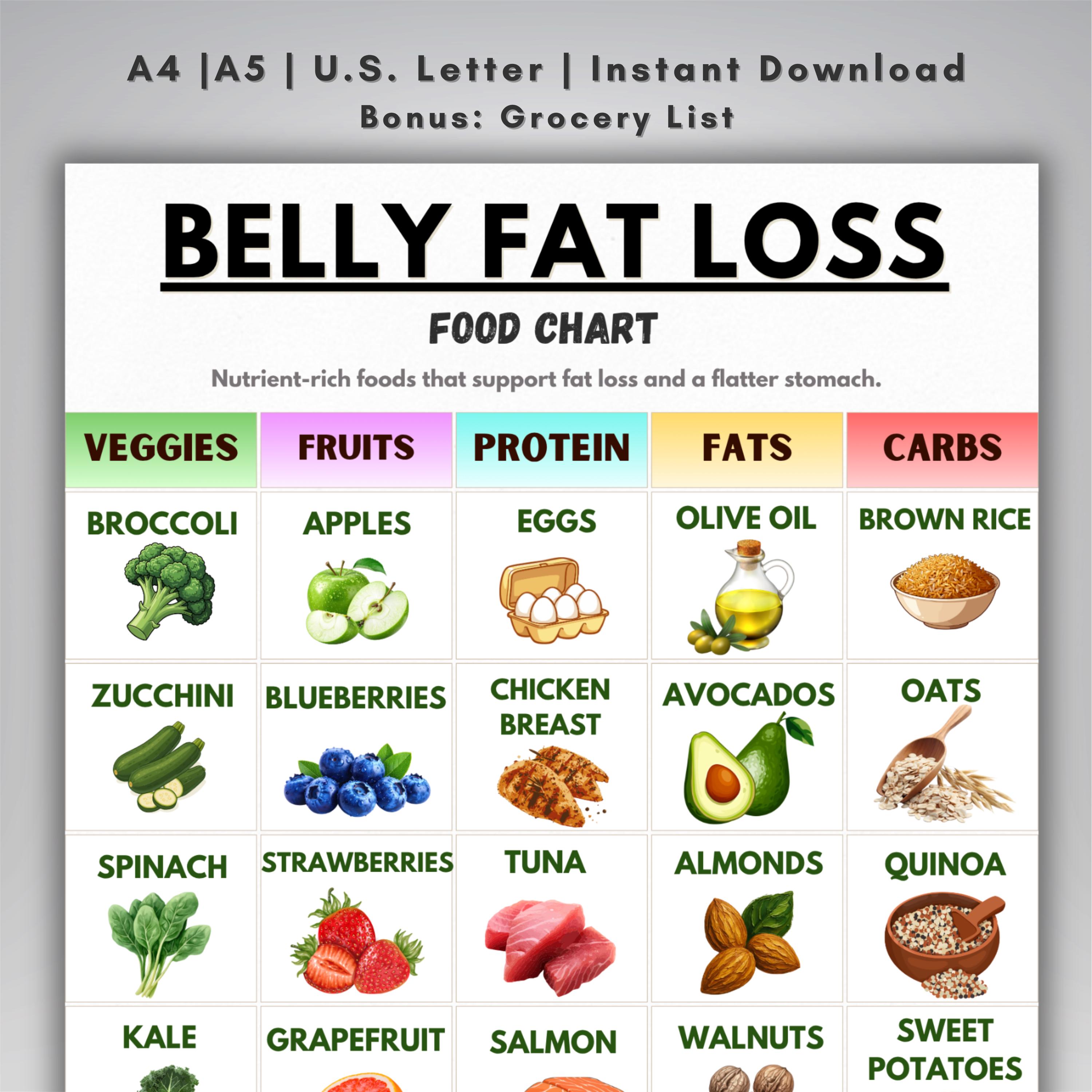
Aim for a total fiber intake of 25 to 38 grams per day, prioritizing sources such as oats, barley, lentils, beans, flaxseeds, chia seeds, Brussels sprouts, and avocados.
3. Optimize Protein Distribution Across Meals
To maximize muscle protein synthesis and maintain a high metabolic rate during caloric restriction, distribute high-quality protein evenly throughout the day rather than overloading dinner.
- Target Intake: Aim for 1.2 to 2.0 grams of protein per kilogram of total body weight per day (approximately 0.5 to 0.9 grams per pound), adjusted for your activity level and baseline health status.
- Protein Quality: Focus on complete proteins rich in essential amino acids, particularly leucine. Excellent options include chicken breast, turkey, wild fish, eggs, Greek yogurt, cottage cheese, tofu, tempeh, and high-quality protein powders (whey or plant-based blends).
4. Swap Saturated Fats for Unsaturated Fatty Acids
The type of fat you consume influences where your body stores excess calories. Substituting saturated fats (found in fatty cuts of meat, palm oil, and high-fat dairy) with monounsaturated fatty acids (MUFAs) and polyunsaturated fatty acids (PUFAs, including omega-3s) helps prevent visceral fat accumulation.
- Sources of MUFAs: Extra virgin olive oil, avocados, almonds, cashews, and macadamia nuts.
- Sources of Omega-3 PUFAs: Wild salmon, sardines, mackerel, walnuts, and flaxseed oil.
5. Limit Alcohol Consumption
Alcohol consumption is strongly associated with increased central adiposity—often referred to as a "beer belly." When you consume alcohol, the liver oxidizes acetate first, pausing the oxidation of fats and carbohydrates.
Furthermore, heavy alcohol intake disrupts sleep architecture, increases circulating cortisol levels, and supplies empty calories that lack nutritional value. Reducing or eliminating alcohol intake is often one of the fastest ways to accelerate visceral fat reduction.
Common Pitfalls and Myths in Belly Fat Nutrition
Navigating dietary choices can be difficult due to persistent fitness myths and aggressive marketing claims.
Myth 1: Extreme Caloric Deficits Accelerate Belly Fat Loss Safely
Cutting calories too aggressively (e.g., consuming fewer than 1,000–1,200 calories per day) triggers adaptative thermogenesis—often called "starvation mode." In this state, the body conserves energy by downregulating thyroid hormone production, lowering basal metabolic rate, and breaking down lean muscle tissue for fuel. Losing muscle mass lowers your daily energy expenditure, making sustained fat loss much harder. A moderate caloric deficit of 300 to 500 calories below maintenance per day is safer and far more effective long term.
Myth 2: "Fat-Burning" Foods and Supplements Work Magic
Products marketed as "belly fat burners"—such as green tea extracts, cayenne pepper pills, or apple cider vinegar gummies—have marginal effects on metabolic rate. While compounds like EGCG in green tea or capsaicin in peppers show slight thermogenic properties in laboratory settings, their impact on human fat loss is minimal compared to a structured caloric deficit and exercise program. No supplement can overcome an unmanaged caloric surplus.
Myth 3: Completely Eliminating Carbohydrates Is Mandatory
Carbohydrates themselves do not directly cause visceral fat accumulation; excess energy intake and refined carbohydrates do. Nutrient-dense, complex carbohydrates (sweet potatoes, quinoa, brown rice, berries, and legumes) supply critical micronutrients, phytonutrients, and fibers that support gut health and athletic performance. Eliminating them entirely is unnecessary and often difficult to sustain over time.
Supporting Lifestyle Factors That Amplify Dietary Results
Dietary changes yield the best results when paired with supportive lifestyle practices that regulate your body's hormonal environment.
METABOLIC SYNERGY TRIAD
- Targeted Nutrition
- Caloric Deficit
- High Fiber & Protein
- Physical Exercise
- Resistance Training
- Progressive Overload
- Daily Movement (NEAT)
- Stress & Sleep Regulation
- 7-9 Hours Quality Sleep
- Cortisol Management
- Circadian Alignment
Resistance and Cardiovascular Exercise
While diet drives overall weight loss, exercise dictates whether that weight loss comes from fat or muscle.
- Resistance Training: Lifting weights or performing bodyweight exercises at least 3 to 4 times per week stimulates muscle protein synthesis and preserves lean muscle mass during a calorie deficit.
- Cardiovascular Exercise: Combining high-intensity interval training (HIIT) with moderate-intensity steady-state (MISS) cardio enhances mitochondrial density, improves aerobic capacity, and increases daily calorie expenditure.
Stress Management and Sleep Hygiene
Chronic psychological stress elevates cortisol levels via the hypothalamic-pituitary-adrenal (HPA) axis. Prolonged high cortisol levels, combined with elevated insulin, encourage fat storage specifically in visceral tissue while increasing cravings for hyper-palatable, calorie-dense foods.
- Sleep: Aim for 7 to 9 hours of quality sleep per night. Chronic sleep deprivation disrupts hunger hormones, elevating ghrelin (which increases appetite) and lowering leptin (which signals fullness).
- Stress Reduction: Incorporate evidence-based stress reduction practices, such as mindfulness meditation, deep breathing exercises, or outdoor physical activity, into your daily routine.
Frequently Asked Questions
Can specific foods burn belly fat directly?
No individual food directly burns belly fat. Fat loss occurs across the entire body when you maintain a consistent caloric deficit. However, foods high in soluble fiber (like oats, flaxseeds, and beans) and lean proteins help you lose visceral fat indirectly by boosting satiety, stabilizing blood sugar levels, and lowering systemic inflammation.
How fast can you lose visceral belly fat through diet?
A safe, sustainable rate of total weight loss is approximately 0.5 to 1.0 kilogram (1 to 2 pounds) per week. Because visceral fat is metabolically active and sensitive to insulin changes, reductions in waist circumference often become noticeable within 4 to 8 weeks of starting an effective dietary and exercise program.
Is a ketogenic diet better than a low-fat diet for abdominal fat?
In short-term studies, ketogenic diets often produce faster early reductions in visceral and liver fat due to rapid carbohydrate depletion and lowered insulin levels. However, long-term studies show that low-carbohydrate and low-fat diets produce similar total and abdominal fat loss when calorie and protein intakes are matched. The best choice is the plan you can stick with consistently over time.
How does alcohol contribute to belly fat accumulation?
Alcohol impedes fat loss in several ways. The liver oxidizes alcohol before other nutrients, pausing normal fat breakdown. Additionally, alcoholic drinks are calorie-dense, frequently paired with high-calorie foods, and disrupt normal sleep patterns, which elevates cortisol and encourages visceral fat deposition.
What role does non-exercise physical activity play in targeting belly fat?
Non-Exercise Activity Thermogenesis (NEAT)—which includes everyday movement like walking, taking the stairs, and performing household chores—makes up a large portion of daily energy expenditure. High NEAT levels prevent the metabolic slowdown that can happen during diet-induced weight loss, helping maintain the caloric deficit needed to burn visceral fat without causing excessive fatigue.
Practical Next Steps for Sustainable Fat Loss
- Calculate Your Energy Needs: Estimate your Total Daily Energy Expenditure (TDEE) using a standard Mifflin-St Jeor equation and establish a moderate caloric deficit of 300 to 500 calories per day.
- Audit Your Sugar and Alcohol Intake: Identify liquid sugars, sweet drinks, ultra-processed snacks, and frequent alcohol consumption. Work on eliminating or replacing them with water, herbal teas, or sparkling water.
- Set Daily Fiber and Protein Goals: Aim for at least 25 to 38 grams of total fiber (emphasizing soluble sources) and 1.2 to 2.0 grams of protein per kilogram of target body weight each day.
- Adopt a Mediterranean Framework: Fill half your plate with colorful vegetables at main meals, choose intact whole grains, and use extra virgin olive oil as your primary culinary fat.
- Pair Nutrition with Strength Training: Schedule 3 to 4 weekly resistance training sessions to protect your lean muscle mass and optimize your metabolic health as you shed fat.
Image Gallery