Who Choreographed Stomp the Yard? The Creative Minds Behind the Stepping
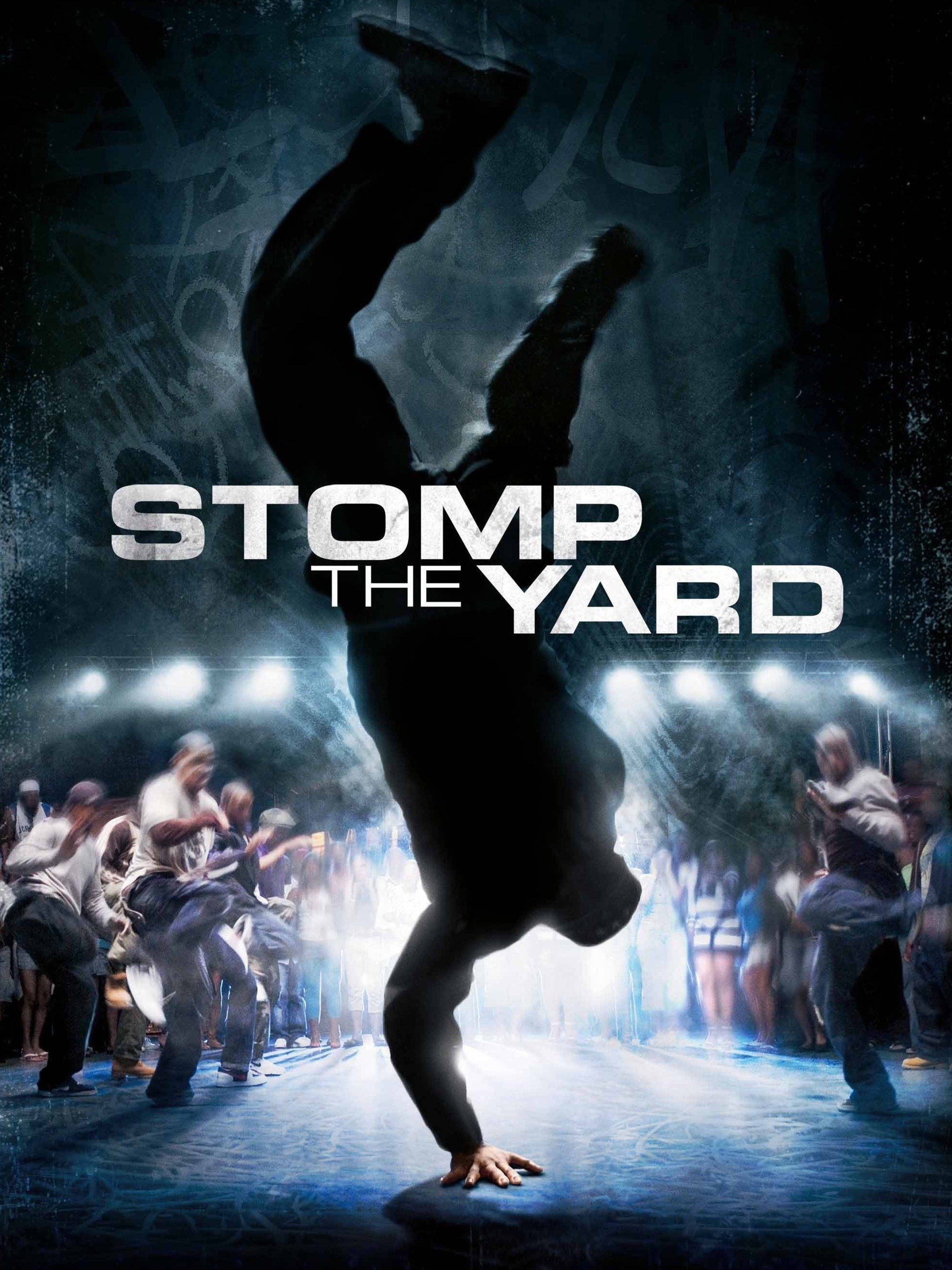
The primary choreographers for the 2007 film Stomp the Yard were Chuck Maldonado and Dave Scott. While Maldonado served as the lead choreographer focusing on the intricate stepping sequences, Dave Scott brought his extensive hip-hop ex...
The primary choreographers for the 2007 film Stomp the Yard were Chuck Maldonado and Dave Scott. While Maldonado served as the lead choreographer focusing on the intricate stepping sequences, Dave Scott brought his extensive hip-hop expertise to fuse traditional African American stepping with modern commercial dance, creating the film's signature high-energy aesthetic.
Contents
Since its release in 2007, Stomp the Yard has remained a foundational text in the "urban dance" film genre. By the year 2026, its influence is still felt across music videos, competitive stepping circuits, and collegiate culture. The choreography was not merely a series of dance moves; it was a sophisticated translation of Historically Black College and University (HBCU) traditions for a global cinematic audience. Understanding who choreographed Stomp the Yard requires looking at the specific contributions of Maldonado and Scott, as well as the cultural weight of the movements they captured on screen.
The Dual Vision: Chuck Maldonado and Dave Scott
The success of Stomp the Yard relied on a delicate balance between authentic stepping and cinematic flair. To achieve this, the production utilized two of the industry's most respected choreographers, each bringing a distinct specialization to the set.
Chuck Maldonado: The Precision Specialist
Chuck Maldonado is widely regarded as one of the premier choreographers in the industry, specifically known for his ability to handle large-scale ensemble pieces. For Stomp the Yard, Maldonado’s role was critical in ensuring the "stepping" remained grounded in its historical roots. Stepping is a percussive dance form where the participant's entire body is used as an instrument to produce complex rhythms and sounds through a mixture of footsteps, spoken word, and handclaps.
Maldonado’s background in collegiate stepping and his work with major recording artists (including Chris Brown and Usher) allowed him to bridge the gap between "the yard" and the big screen. He was responsible for the grueling "boot camp" that the actors underwent, transforming them from performers into synchronized steppers who could maintain the intense physical demands of a 12-hour shooting day.
Dave Scott: The Narrative Fusionist
While Maldonado focused on the technical precision of the steps, Dave Scott brought the "street" sensibility to the film. Scott was already a legend in the dance world by 2007, having choreographed the landmark film You Got Served (2004). His task in Stomp the Yard was to integrate hip-hop elements into the stepping routines to make the movement feel contemporary and aggressive.
Scott’s choreography often focuses on the narrative within the dance—how a move can signify a challenge, a victory, or a moment of personal growth. In Stomp the Yard, this is most evident in the battle sequences where the protagonist, DJ (played by Columbus Short), must reconcile his freestyle street dance background with the rigid discipline of the Theta Nu Theta fraternity.
The Cultural Significance of Stepping in Choreography
To appreciate the work of Maldonado and Scott, one must understand the source material. Stepping is deeply ingrained in the culture of the Divine Nine, the nine historically Black Greek-letter organizations (BGLOs).
From Ritual to Screen
The choreography in Stomp the Yard had to respect the rituals and traditions of these organizations while creating a fictional fraternity (Theta Nu Theta and Mu Gamma Xi) to avoid infringing on the protected intellectual property of real-world fraternities like Alpha Phi Alpha or Omega Psi Phi.
The choreographers utilized several key elements of traditional stepping:
- Polyrhythms: Creating multiple rhythms simultaneously using hands and feet.
- Military Precision: Borrowing from the marching traditions of Black veterans returning from WWI and WWII.
- The Chant: Integrating vocal call-and-response elements that dictate the rhythm of the movement.
- The Branding: Using specific gestures that signify brotherhood and organizational pride.
By 2026, the "Stomp the Yard style" has become a shorthand for this fusion of Greek stepping and commercial hip-hop, often seen in professional sports halftime shows and global dance competitions.
Technical Breakdown of the Film's Key Sequences
The choreography of Stomp the Yard is best analyzed through its most famous scenes. Maldonado and Scott utilized different techniques to emphasize the emotional stakes of each moment.
The Opening Underground Battle
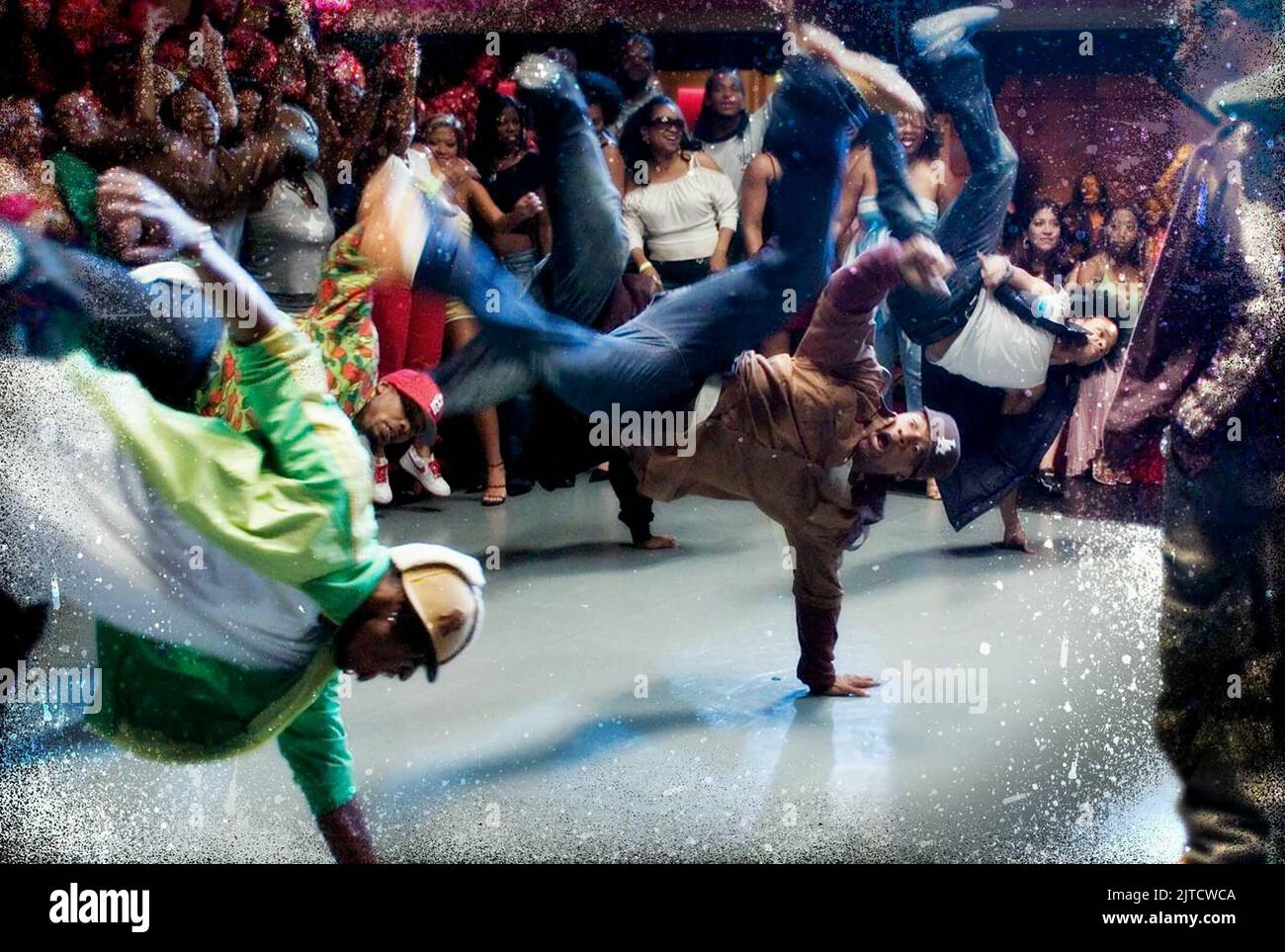
The film begins not with stepping, but with a krump-influenced hip-hop battle in Los Angeles. This sequence, largely spearheaded by Dave Scott, establishes DJ's character. The movement is chaotic, individualistic, and raw. It serves as a stark contrast to the synchronized choreography that appears once the setting shifts to Truth University in Georgia.
The "Heritage" vs. "New School" Conflict
A major plot point involves the tension between traditional stepping and "show" stepping. The choreography reflects this:
- The Gammas (Mu Gamma Xi): Their movements are characterized by technical perfection, traditional formations, and a sense of cold, calculated dominance.
- The Thetas (Theta Nu Theta): Under DJ’s influence, their choreography begins to incorporate flips, power moves, and syncopations that break the traditional mold.
The Final Competition
The climax of the film is a masterclass in ensemble choreography. Maldonado and Scott combined to create a routine that utilized levels (using the stage and stairs), props (canes and hats), and a narrative arc. The "stepping through the wall" sequence is often cited by dance historians as one of the most technically difficult pieces of synchronized movement captured on film during the 2000s.
The Choreography Team and Lead Creative Staff
While Maldonado and Scott were the primary architects, a film of this scale required a significant support system. The following table outlines the key figures responsible for the movement and visual style of Stomp the Yard.
| Role | Individual | Key Contributions |
|---|---|---|
| Lead Choreographer | Chuck Maldonado | Stepping precision, drill instruction, ensemble synchronization. |
| Co-Choreographer | Dave Scott | Hip-hop fusion, battle narratives, character-driven movement. |
| Director | Sylvain White | Visual framing of dance, ensuring choreography translated to 35mm film. |
| Lead Actor/Dancer | Columbus Short | Performed majority of his own stunts and dance sequences; dance background. |
| Assistant Choreographer | Amy Allen | Assisted in training the female cast members and background dancers. |
| Stepping Consultant | Various BGLO Members | Provided authenticity checks for fraternity-specific movements and chants. |
The "Boot Camp" Process: Training the Cast
One of the most impressive aspects of the choreography was that many of the lead actors were not professional steppers. To achieve the level of proficiency seen on screen, the choreographers implemented a rigorous training program.
- Physical Conditioning: Stepping requires immense cardiovascular endurance. The cast spent weeks engaged in high-intensity interval training (HIIT) to ensure they could perform routines repeatedly for different camera angles.
- Rhythmic Internalization: Because stepping is percussive, the dancers are the music. The choreographers forced the actors to learn the "beat" of the dance before adding the physical movements.
- Fraternal Bonding: To make the brotherhood feel authentic, the "Theta" and "Gamma" groups were often kept separate during training to foster a genuine sense of rivalry and team cohesion.
This methodology, pioneered by Maldonado on this set, became a standard practice for later dance films such as Step Up and Battle of the Year.
The Legacy of Stomp the Yard in 2026
As of 2026, Stomp the Yard is viewed as the film that brought stepping into the global mainstream. Before its release, stepping was largely a private or collegiate-specific tradition. Following the film’s success, "Step" teams began appearing in non-Black communities and internationally, from Japan to the UK.
The choreography influenced a generation of performers. Notably, the precision and percussive nature of the film's routines can be seen in the works of artists like Beyoncé—specifically her 2018 Coachella performance (and the subsequent Homecoming film), which drew heavily from the same HBCU traditions that Maldonado and Scott highlighted.
Frequently Asked Questions
Did Columbus Short do his own dancing in Stomp the Yard?
Yes, Columbus Short performed the vast majority of his own dancing. Unlike many actors who require dance doubles for complex sequences, Short began his career as a professional dancer and choreographer. He previously worked as a backup dancer for Britney Spears and had a background in various styles, which allowed Chuck Maldonado and Dave Scott to create more complex choreography for his character, DJ.
Is the fraternity in the movie real?
No, the fraternities in Stomp the Yard—Theta Nu Theta (TNT) and Mu Gamma Xi—are fictional. They were created specifically for the film to avoid the legal and cultural complications of using real-world "Divine Nine" organizations. However, the choreography and "stepping" styles used by these fictional groups are heavily based on the real-world traditions of organizations like Alpha Phi Alpha, Kappa Alpha Psi, and Omega Psi Phi.
How does the choreography of Stomp the Yard differ from You Got Served?
While both films were worked on by Dave Scott, the primary difference lies in the percussive element. You Got Served focuses almost exclusively on "B-boying" and hip-hop street dance, where the music is provided by a DJ or track. In Stomp the Yard, the choreography is the source of the sound. The movements are more rhythmic, synchronized, and "grounded" compared to the acrobatic, gravity-defying nature of You Got Served.
Was Chuck Maldonado involved in the sequel, Stomp the Yard: Homecoming?
Yes, Chuck Maldonado returned to choreograph the 2010 sequel, Stomp the Yard: Homecoming. His involvement ensured a level of continuity in the stepping style, though the sequel shifted focus toward the broader competitive landscape of national stepping tournaments.
Why is the choreography called "stepping" instead of "dancing"?
In the context of the film and HBCU culture, "stepping" is a specific sub-genre of performance. While it is a form of dance, the term emphasizes the percussive use of the feet and body. The choreographers often refer to it as "creating music with the body," distinguishing it from ballet, jazz, or freestyle hip-hop where the dancer reacts to external music.
Practical Recommendations for Aspiring Choreographers
If you are looking to emulate the style of Chuck Maldonado or Dave Scott, or if you are a student of dance history in 2026, consider these steps:
- Study the "Divine Nine": Research the history of Black Greek-letter organizations. Understanding the why behind the movement (brotherhood, resilience, and identity) is as important as the how.
- Focus on Synchronization: The power of Stomp the Yard comes from the "power of one"—twenty people moving exactly as one. Practice drills that emphasize timing and uniform limb placement.
- Incorporate Percussion: Experiment with creating rhythms using only your body. Avoid using a backing track during the initial stages of choreography to ensure the "steps" are musically sound.
- Analyze the Camera Work: Watch how director Sylvain White used low angles to make the steppers look more powerful. Choreography for film is as much about the camera’s movement as it is the dancer’s.
For further information on the technical aspects of urban dance choreography, the International Dance Council (CID) and specialized film databases like IMDb provide comprehensive credits and historical context for the production.
Image Gallery