Comprehensive Hiring Screening Process: A Step-by-Step Breakdown
Effective candidate screening is a multi-layered verification process designed to filter a large pool of applicants into a shortlist of qualified professionals. By systematically evaluating skills, cultural alignment, and background da...
Effective candidate screening is a multi-layered verification process designed to filter a large pool of applicants into a shortlist of qualified professionals. By systematically evaluating skills, cultural alignment, and background data, organizations minimize the risk of a "bad hire," which can cost up to 30% of an employee’s first-year earnings.
Contents
The Evolution of Screening in 2026
The recruitment landscape in 2026 emphasizes a "skills-first" methodology over traditional credentialism. While degrees and previous titles still hold weight, the screening process now prioritizes verifiable competencies and cognitive adaptability. The goal is to move beyond what a candidate claims on a resume and move toward what they can objectively demonstrate. A structured screening process provides a defensive barrier against high turnover rates and ensures that the resources spent on onboarding are directed toward individuals with the highest probability of long-term success.
This breakdown outlines the essential stages of a modern screening funnel, from the moment an application is received to the final pre-offer verification.
Step 1: Automated Application Filtering and ATS Analysis
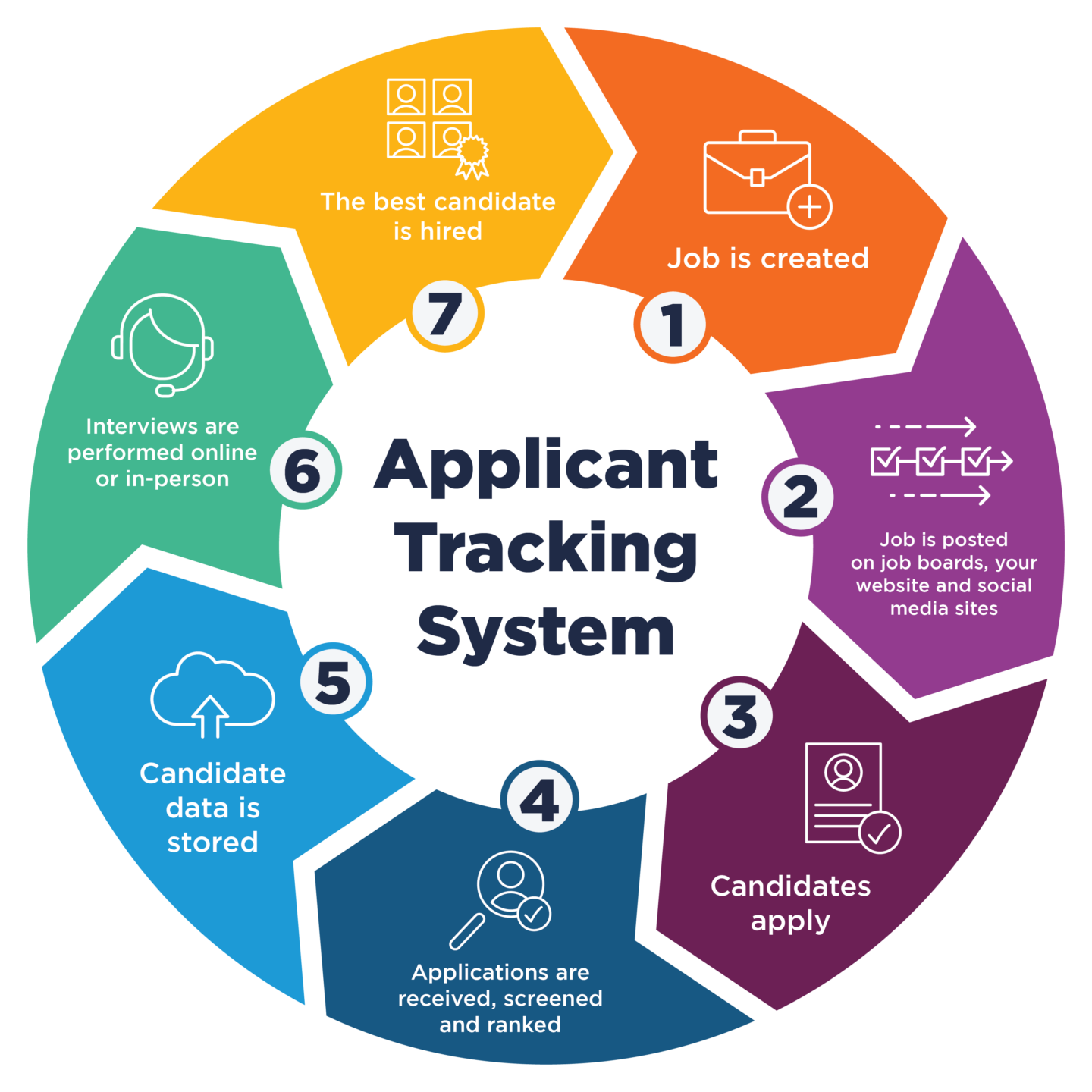
The first stage of any high-volume screening process involves Applicant Tracking Systems (ATS). In 2026, these systems have evolved from simple keyword-matching tools to sophisticated platforms that analyze the context of a candidate's experience.
Parsing for Core Prerequisites
Before a human recruiter ever sees a resume, the ATS filters candidates based on "knock-out questions." These are non-negotiable criteria such as legal right to work in a specific jurisdiction, minimum years of specialized experience, or specific certifications (e.g., PMP, CPA, or specialized technical stack fluencies). If a candidate fails these baseline requirements, they are automatically diverted, allowing recruiters to focus on the viable talent pool.
Semantic Search and Skill Mapping
Modern screening looks for semantic relationships. For example, if a job description requires "Cloud Architecture," the system recognizes related proficiencies like AWS, Azure, or containerization protocols even if the exact phrase isn't present. This reduces the "false negative" rate where qualified candidates are rejected due to formatting or specific terminology choices.
Step 2: Initial Resume and Portfolio Review
Once the automated filters have identified a qualified subset, the human element of screening begins. This stage requires a critical eye to look for nuances that software might miss, specifically regarding "career trajectory" and "impact."
Quantifiable Achievements vs. Task Lists
Experienced recruiters look for evidence of results. A resume that lists "managed a team" is less valuable than one that states "managed a team of 12 to increase quarterly output by 15%." Screening at this stage should prioritize candidates who frame their experience in terms of outcomes.
Stability and Growth Patterns
While "job hopping" is viewed with more nuance in 2026 than in previous decades, recruiters still analyze the duration of stays and the reasons for transitions. Screening involves identifying whether a candidate’s moves represent logical career progression or a pattern of unresolved performance issues. For creative or technical roles, this is also the stage where portfolios and GitHub repositories are scrutinized for quality and original contribution.
Step 3: The Preliminary Phone or Video Screen
The preliminary screen, often lasting 15 to 30 minutes, serves as a high-level "sanity check." It is the first live interaction and is primarily used to verify the information on the resume and assess basic communication skills.
Key Objectives of the Initial Call
- Logistics and Expectations: Confirming salary requirements, availability, and remote/hybrid preferences. Misalignment here is a common reason for late-stage candidate withdrawals, so addressing it early is vital.
- Clarification of Experience: Asking targeted questions about specific projects mentioned in the resume to ensure the candidate's actual involvement matches their claims.
- Cultural Interest: Gauging why the candidate applied to this specific organization. A candidate who has researched the company's 2026 initiatives shows a higher level of intent than a "mass-applicant."
Step 4: Objective Skill Assessments and Psychometrics
To remove subjectivity from the process, many organizations now implement standardized testing. This stage provides hard data on a candidate's ability to perform the core functions of the job.
Work Sample Tests
Work samples are among the most predictive elements of the screening process. For a developer, this might be a pair-programming exercise; for a marketing manager, a campaign brief; for an analyst, a data interpretation task. These tests should be timed and standardized to ensure fairness across all applicants.
Cognitive and Behavioral Testing
In 2026, behavioral assessments are used to predict how a candidate will react under pressure or within a specific team dynamic. These are not "pass/fail" tests but rather tools to see if a candidate’s natural tendencies align with the role’s requirements. For example, a high-stakes sales role may require higher levels of resilience and extroversion than a back-end engineering role.
Step 5: Structured Behavioral and Technical Interviews
The core of the screening process is the deep-dive interview. Moving away from "gut feeling" hiring, successful organizations use structured interviews, where every candidate for a role is asked the same set of questions in the same order.
The STAR Method
Recruiters and hiring managers should use the STAR (Situation, Task, Action, Result) framework to evaluate answers. This forces candidates to provide concrete examples of their past behavior, which is the best predictor of future performance.
Peer and Cross-Functional Interviews
Screening should involve more than just the direct manager. Including potential peers or stakeholders from other departments helps determine how the candidate will collaborate across the organization. This "360-degree" screening prevents the hiring of "brilliant jerks" who might have the technical skills but lack the interpersonal capabilities to succeed in a team environment.
Comparison of Common Screening Methods
| Screening Method | Typical Timing | Primary Focus | Effectiveness Rating |
|---|---|---|---|
| ATS Filtering | Immediate | Hard prerequisites and keywords | High (for volume) |
| Phone Screen | Week 1 | Logistics and communication | Medium |
| Skill Assessment | Week 2 | Practical competency and logic | Very High |
| Structured Interview | Week 2-3 | Behavioral traits and culture | High |
| Reference Checks | Final Stage | Verification and past performance | Medium |
Step 6: Reference and Background Verification
The final barrier in the screening process is the verification of claims. This stage is often outsourced to specialized firms to ensure compliance with global data privacy laws and employment regulations.
Professional Reference Checks
While often seen as a formality, reference checks in 2026 are more investigative. Rather than just confirming dates of employment, recruiters ask references about the candidate’s specific contributions to projects and their areas for growth. This provides a roadmap for the manager on how to best coach the individual if hired.
Background and Credential Checks
This includes criminal background checks (where legally permissible), verification of educational degrees, and validation of professional licenses. In certain sectors like finance or healthcare, this stage is a mandatory regulatory requirement. It is essential to ensure that the candidate's history does not pose a legal or reputational risk to the company.
Step 7: The Final Evaluation and Scoring
The final step is the consolidation of all data points. Rather than relying on a post-interview "vibe check," the hiring team should use a weighted scoring rubric. Each stage of the screening process (the assessment, the interview, the reference check) is assigned a point value based on its importance to the role.
This data-driven approach allows the hiring manager to compare candidates side-by-side objectively. If two candidates are neck-and-neck, the hiring manager can look back at the skill assessment scores or behavioral data to break the tie, ensuring the final decision is based on evidence rather than recency bias or personal affinity.
FAQ
How long should the entire screening process take?
In 2026, the average "time-to-hire" for a professional role is between 20 and 35 days. A screening process that is too fast may miss critical red flags, while one that is too slow risks losing top talent to competitors. The key is transparency; keeping candidates informed of their status at each of the seven steps is crucial for maintaining a positive employer brand.
Can AI be used exclusively for screening?
While AI is integral to Step 1 (ATS filtering) and Step 4 (assessments), it should not be the sole decision-maker. Human intervention is required to assess nuances in culture, emotional intelligence, and complex problem-solving. Over-reliance on AI can also lead to algorithmic bias if the underlying data is not properly audited for diversity and inclusion.
What are "knock-out" questions?
Knock-out questions are specific, binary questions asked during the application phase. Examples include "Are you legally authorized to work in this country?" or "Do you have a valid driver’s license for this delivery role?" If the answer is "no," the candidate is immediately screened out, saving time for both the recruiter and the applicant.
How do you screen for "cultural add" instead of "cultural fit"?
"Cultural fit" often leads to hiring people who are similar to the existing team, which can stifle innovation. "Cultural add" involves screening for individuals who share the company's core values but bring a different perspective, background, or skill set that the current team lacks. This is assessed primarily during the structured behavioral interview stage.
Is it legal to check a candidate's social media during screening?
The legality of social media screening varies significantly by jurisdiction. In many regions, looking at a candidate's private life can lead to claims of discrimination if a hiring decision is based on protected characteristics (like religion or marital status) found online. Most HR professionals in 2026 advise sticking to professional platforms like LinkedIn and avoiding personal social media unless the role specifically involves public relations or social media management.
Practical Recommendation for Hiring Managers
To optimize your screening process immediately, audit your interview questions for consistency. Choose five core competencies for the role and develop two STAR-based questions for each. Ensure every interviewer uses these exact questions and a standardized grading scale (e.g., 1 to 5). This single change significantly reduces bias and improves the quality of the "shortlist" that reaches the final offer stage.
Image Gallery