The Autopsy of John F. Kennedy: Historical Documentation, Medical Evidence, and Forensic Analysis
The autopsy of President John F. Kennedy, conducted at Bethesda Naval Hospital on November 22, 1963, remains one of the most thoroughly scrutinized medical examinations in history. Performed by military pathologists under intense press...
The autopsy of President John F. Kennedy, conducted at Bethesda Naval Hospital on November 22, 1963, remains one of the most thoroughly scrutinized medical examinations in history. Performed by military pathologists under intense pressure, the procedure established official cause-of-death findings while inadvertently laying the groundwork for decades of public skepticism, medical controversy, and forensic re-examination.
Contents
Historical Context and the Chain of Custody
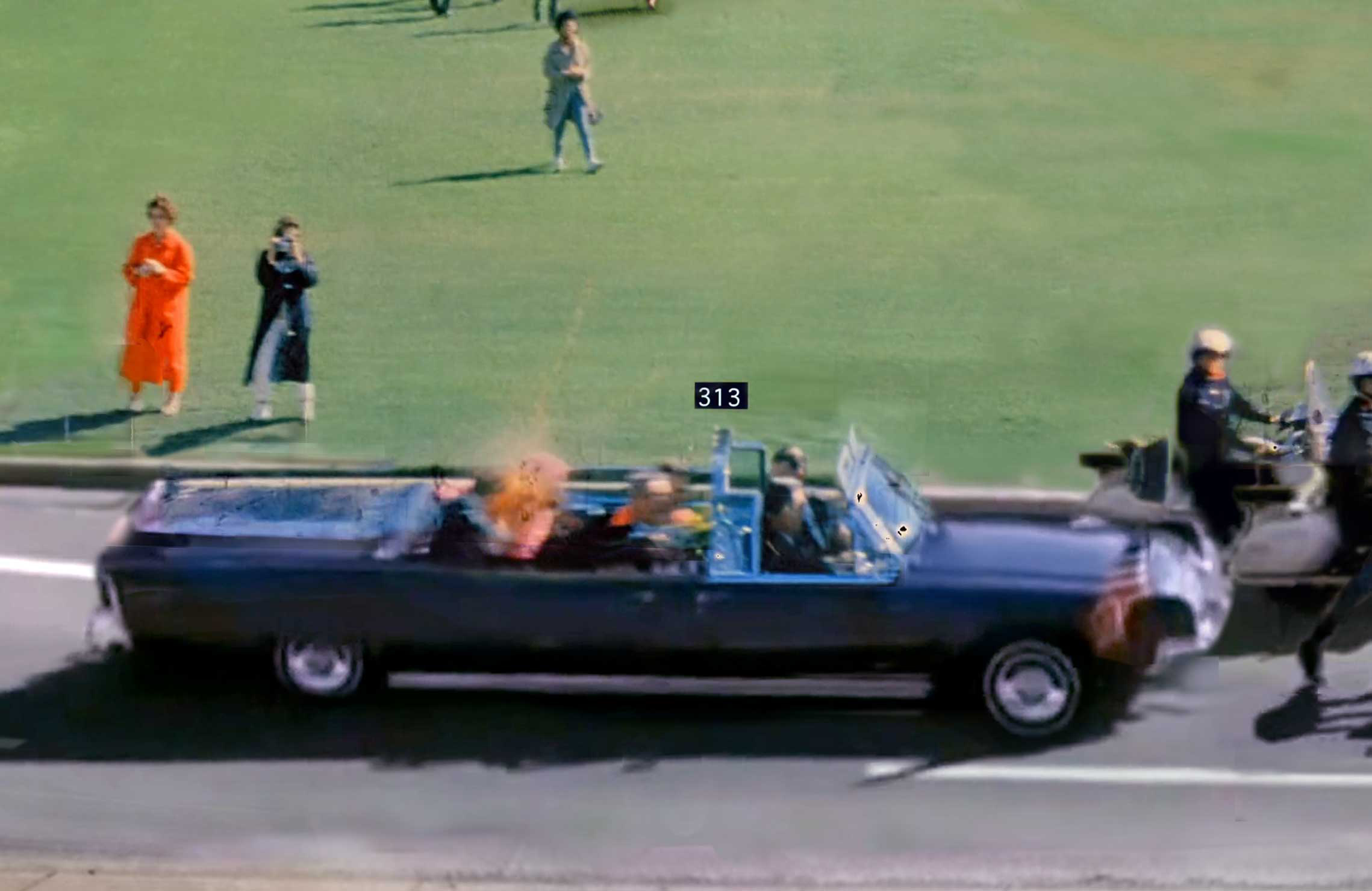
The circumstances surrounding the arrival of President John F. Kennedy’s body at Bethesda Naval Hospital set the stage for procedural irregularities that would haunt investigators for generations. Following the assassination in Dallas, Texas, Parkland Memorial Hospital physicians performed an emergency tracheotomy and observed wounds to the throat and head. However, federal jurisdiction, military protocol, and political pressures swiftly redirected the handling of the case.
Upon arrival at Bethesda Naval Hospital in Maryland late on the evening of November 22, 1963, the President's body was placed under the control of military medical officers. Commander James J. Humes, chief pathologist at Bethesda, was designated as the principal prosector, assisted by Commander J. Thornton Boswell and Lieutenant Colonel Pierre A. Finck. None of these primary pathologists were forensic pathologists certified by the American Board of Pathology; rather, they were general naval pathologists accustomed to clinical and military autopsies rather than high-profile forensic crime investigations.
| Autopsy Official | Military Rank/Role | Primary Responsibility During Procedure |
|---|---|---|
| Dr. James J. Humes | Commander, USN | Chief Prosecor / Principal Pathologist |
| Dr. J. Thornton Boswell | Commander, USN | Chief of Pathology / Assistant Prosector |
| Dr. Pierre A. Finck | Lieutenant Colonel, USA | Army Ballistics Wound Expert |
| Dr. H. Lawrence Freeman | Commander, USN | Administrative and Photographic Support |
This lack of specialized forensic expertise, combined with the absence of a professional medical examiner system at the federal level during that era, led to critical omissions in documentation. Measurements were occasionally estimated rather than precisely recorded, and key consultations with civilian ballistics or forensic authorities were deferred or omitted entirely during the initial examination.
Technical Findings of the Bethesda Examination
The primary objective of the Bethesda autopsy was to document the exact nature and trajectory of the wounds that caused the President's death. The official autopsy report detailed two distinct gunshot wounds: one entering the upper right rear of the back and exiting the front lower neck, and a second entering the rear right side of the head, causing massive destruction of the skull and brain tissue.
The cranial wound was described as a large gaping defect measuring approximately 13 centimeters across, predominantly located in the parietal and occipital bones. Pathologists noted laceration and destruction of the cerebral hemispheres. The trajectory established by the board indicated that the second bullet entered the right posterior parietal region and exited through the right frontoparietal region, shattering the bone outward.
| Wound Location | Entry or Exit | Anatomical Description | Clinical Significance |
|---|---|---|---|
| Upper Right Back | Entry | 14 cm from right acromion, 6 cm below right mastoid process | Pierced the skin, subcutaneous tissue, and musculature |
| Lower Anterior Neck | Exit | Tracheotomy incision site overlaid the original wound | Verified by Parkland Hospital observations of torn neck tissue |
| Right Rear Head | Entry | 2.5 cm to the right and slightly above the external occipital protuberance | Caused extensive fragmentation of the skull and fatal brain trauma |
| Right Frontoparietal Scalp | Exit | Large irregular defect measuring 13 cm in maximum diameter | Expulsion of cranial contents and bone shrapnel |
The evaluation of the neck wound proved to be the most contentious element of the medical findings. Because emergency physicians at Parkland Hospital had cut through the lower neck wound to perform a tracheotomy, the original boundaries of the entry or exit point were severely disrupted before the Bethesda team examined the body.
The Evolution of Official Investigations
Over the decades following the assassination, multiple government bodies reviewed the original autopsy materials, photographs, and X-rays to verify or challenge the conclusions of the Warren Commission. Each successive review introduced new technical insights into the ballistic and medical evidence.
The Rockefeller Commission (1975)
Appointed by President Gerald Ford, this commission was tasked with determining whether the CIA played any role in the assassination. A panel of forensic pathologists reviewed the autopsy photographs and X-rays, concluding that the head wound trajectory was consistent with a shot fired from behind, corroborating the single-bullet theory regarding the back and neck wounds.
The House Select Committee on Assassinations (HSCA) Medical Panel (1978–1979)
The HSCA assembled a specialized panel of forensic pathologists, radiologists, and ballistics experts. This panel conducted the most rigorous re-examination of the medical evidence up to that time. They analyzed original color photographs and X-rays that had previously been withheld from public view in the National Archives.
Key determinations of the HSCA panel included:
- Confirmation that the back wound was indeed an entry wound and exited through the throat.
- Verification that the head wound was caused by a high-velocity projectile striking from behind and above.
- Identification of acoustic evidence from a Dallas police motorcycle recording, though subsequent FBI and National Academy of Sciences analyses heavily disputed the reliability of those audio findings.
Forensic Discrepancies and Public Controversy
The divergence between the observations made by medical personnel at Parkland Memorial Hospital in Dallas and those made by the pathologists at Bethesda Naval Hospital fueled decades of investigative journalism and conspiracy theories.
At Parkland Hospital, experienced trauma surgeons observed a small, clean wound in the throat, which they initially characterized as a bullet entry wound, and a large occipito-parietal defect at the back of the head. Conversely, the Bethesda pathologists classified the throat wound as an exit wound and located the primary cranial entry wound higher on the rear skull.
These discrepancies arose from distinct clinical environments:
- The Clinical Setting: Parkland physicians were engaged in emergency life-saving procedures, widening wounds for surgical access and intubation, which altered the original morphology of the trauma sites.
- The Forensic Setting: Bethesda pathologists were performing a post-mortem examination on a body that had already undergone emergency surgical intervention, making retrospective wound ballistics interpretation exceptionally difficult without complete initial documentation.
Furthermore, the initial failure to dissect the path of the back wound completely—relying instead on probing—left a critical evidentiary gap that allowed alternative interpretations to flourish regarding the physics of the trajectory.
Accessing Historical Records and Modern Archival Research
For researchers, historians, and legal scholars examining the autopsy of John F. Kennedy, primary source documents are preserved and publicly accessible through federal repositories. The passage of the President John F. Kennedy Assassination Records Collection Act of 1992 mandated the systematic release of all related government documents, culminating in nearly comprehensive public disclosures managed by the National Archives and Records Administration (NARA).
Archival Preservation Note Researchers investigating the primary medical evidence can access digitized autopsy protocols, supplementary witness testimonies, and expert panel reports directly through the National Archives. When reviewing historical documents, always cross-reference the original 1963 Bethesda text with the 1979 House Select Committee on Assassinations medical panel addendums to understand the full scope of subsequent forensic interpretations.
Frequently Asked Questions
Who performed the autopsy on John F. Kennedy?
The primary autopsy was performed by Commander James J. Humes, Commander J. Thornton Boswell, and Lieutenant Colonel Pierre A. Finck at Bethesda Naval Hospital in Maryland. None of these officers were certified forensic pathologists, a factor that influenced subsequent procedural criticisms.
Where are the original autopsy photographs and X-rays stored?
The original autopsy photographs, X-rays, and associated medical protocols are housed securely within the National Archives and Records Administration (NARA) in College Park, Maryland, pursuant to the JFK Records Act of 1992. Access is regulated to ensure the physical preservation of these historical artifacts.
Did the autopsy prove how many shots were fired?
The medical evidence established the physical impact sites on the President's body—specifically the upper back/neck wound and the massive head wound—but ballistics and trajectory conclusions required integration with photographic, cinematic, and eyewitness evidence evaluated by investigative bodies like the Warren Commission and the HSCA.
Why was there a discrepancy between Parkland Hospital and Bethesda Hospital?
Discrepancies occurred primarily because Parkland physicians were focused on emergency life-saving medical interventions that altered wound sites, while Bethesda pathologists performed a post-mortem examination hours later under military supervision without specialized forensic pathology training.
Are all JFK autopsy records currently available to the public?
The vast majority of records mandated for release under the JFK Assassination Records Collection Act have been unsealed and made available digitally by the National Archives, following successive executive reviews and declassification processes.
Image Gallery