Comprehensive Guide to Easton Preschools: Finding the Best Early Childhood Education in 2026
Choosing the right preschool is a foundational decision for your child’s academic and social development. In 2026, Easton preschools across various regions—most notably in Pennsylvania and Massachusetts—offer a diverse array of curricu...
Choosing the right preschool is a foundational decision for your child’s academic and social development. In 2026, Easton preschools across various regions—most notably in Pennsylvania and Massachusetts—offer a diverse array of curricula, ranging from Montessori and Reggio Emilia to traditional play-based and academic-prep programs. Parents should prioritize schools that align with their child's temperament while ensuring high state-level quality ratings and safety compliance.
Contents
Early childhood education in Easton has evolved significantly by 2026, with a stronger emphasis on social-emotional learning (SEL) and integrated technology. Whether you are navigating the options in Easton, PA, or Easton, MA, the selection process involves evaluating licensing standards, teacher credentials, and the specific pedagogical approach of each institution. This guide provides a detailed roadmap for parents to identify, evaluate, and secure placement in the premier preschools serving the Easton communities.
The Early Childhood Education Landscape in Easton
The term "preschool" often acts as an umbrella for several types of programs designed for children between the ages of two and five. In the Easton areas, these programs generally fall into three categories: public integrated preschools, private independent schools, and faith-based centers. Understanding the distinction between these is the first step in narrowing your search.
Public Integrated Preschools
In 2026, public school districts like the Easton Area School District (PA) and the Easton Public Schools (MA) offer integrated preschool programs. These are primarily designed to serve children with developmental delays or disabilities alongside "community peers" who act as role models. These programs are highly regulated and follow state-mandated standards, often providing a seamless transition into the local elementary school system.
Private Independent Schools
These institutions often feature specialized curricula such as Montessori, Reggio Emilia, or Waldorf. They are typically tuition-based and may offer more flexible hours, including extended day or "wraparound" care for working parents. Private schools in Easton often boast lower student-to-teacher ratios and unique facilities, such as nature-based classrooms or advanced STEM labs for early learners.
Faith-Based Preschools
Many of the most established preschools in Easton are affiliated with local churches or religious organizations. These programs often focus on character development and community values alongside traditional early academics. They are frequently among the most affordable private options and are known for fostering a tight-knit, family-oriented atmosphere.
Regional Deep Dive: Top Preschool Options
Because "Easton" identifies several prominent municipalities, it is essential to distinguish the top-performing schools in the two most searched regions.
Easton, Pennsylvania (Lehigh Valley)
The Lehigh Valley region features a mix of urban and suburban preschool environments. In 2026, the emphasis here is on the Keystone STARS rating system, which evaluates schools on staff education, learning environment, and administration.
- Easton Area School District (EASD) Pre-K: The district continues to expand its state-funded Pre-K Counts program, which provides high-quality education at no cost to eligible families.
- St. Jane Frances de Chantal: A staple in the community, this school provides a structured, faith-based environment with a focus on kindergarten readiness.
- The Learning Experience - Easton: Known for its "L.E.A.P." curriculum, this center caters to families needing long-term care and a robust academic schedule.
Easton, Massachusetts (Bristol County)
In Easton, MA, the preschool market is characterized by high academic standards and a strong emphasis on community integration. The Department of Early Education and Care (EEC) oversees licensing for these facilities.
- Easton Public Schools Integrated Preschool: Located at the Moreau Hall or Richardson Olmsted schools, this program is the primary choice for parents seeking an early introduction to the public school environment.
- Maplewood Country Day School: A premier private option that utilizes a sprawling campus to incorporate outdoor education and physical activity into the daily routine.
- Foundation First Preschool: Highly regarded for its developmental approach, focusing on the "whole child" through structured play and social interaction.
Evaluating Curriculum Styles: Which is Right for Your Child?
By 2026, pedagogical diversity in Easton preschools has peaked. Selecting a curriculum requires an understanding of how your child learns best.
The Montessori Method
Montessori schools in Easton focus on self-directed activity and hands-on learning. Classrooms are typically multi-age, allowing older children to mentor younger ones. If your child is highly independent and thrives in a calm, structured environment, a Montessori program (like those found near the Easton/Stoughton border) may be ideal.
Reggio Emilia Approach
This philosophy views the child as "filled with potential" and the environment as the "third teacher." Documentation of child progress is often visual, utilizing art and projects to demonstrate learning. Many modern Easton centers have adopted Reggio-inspired elements, emphasizing community and collaboration.
Play-Based (Developmental)
This remains the most common curriculum in Easton preschools. It operates on the principle that play is a child's work. Through guided play, children develop fine motor skills, social cues, and problem-solving abilities. This is often the best fit for children who are transitioning away from home for the first time and need a nurturing, low-pressure start.
2026 Enrollment Process and Timelines
The competition for slots in top-rated Easton preschools remains high. To secure a place for the 2026-2027 academic year, parents must adhere to a strict timeline.
- Research and Virtual Tours (October – December 2025): Most schools now offer 360-degree virtual tours. Use this time to narrow your list to three or four schools.
- In-Person Observations (January 2026): Observe a classroom in session. Pay attention to how teachers handle conflict between children and the general "vibe" of the room.
- Application Submission (February 2026): Many Easton schools have application deadlines in mid-February. Be prepared to pay a non-refundable application fee, which typically ranges from $50 to $150.
- Lotteries and Acceptance (March 2026): For public integrated programs, a lottery is often held in March. Private schools usually send out acceptance letters during this same window.
- Registration and Deposit (April 2026): To hold your spot, a tuition deposit (often one month's tuition) is usually required by the end of April.
Comparing Costs and Financial Support
Tuition for Easton preschools varies significantly based on the hours of care and the type of institution. In 2026, the following ranges are standard for the region:
| Program Type | Weekly Cost (Part-Time) | Weekly Cost (Full-Time) | Key Considerations |
|---|---|---|---|
| Public Integrated | $0 - $150 | N/A | Often half-day only; limited spots for "peers." |
| Faith-Based | $120 - $250 | $250 - $450 | May require church membership for discounts. |
| Private/Montessori | $200 - $350 | $400 - $650 | High teacher credentials; extensive facilities. |
| Franchise Centers | $250 - $400 | $450 - $700 | Standardized curriculum; extended hours (6 AM - 6 PM). |
Financial Assistance
For families in Easton, PA, the Early Learning Resource Center (ELRC) provides subsidies for childcare based on income eligibility. In Easton, MA, the Child Care Subsidy Program administered by the EEC offers similar support. Additionally, many private schools offer internal "scholarships" or sliding-scale tuition based on a family's financial need.
Quality Indicators: What to Verify
Before signing a contract, verify the school's standing with official regulatory bodies.
- Licensing Status: Ensure the facility has a current license from the Pennsylvania Department of Human Services or the Massachusetts Department of Early Education and Care.
- Accreditation: Look for the NAEYC (National Association for the Education of Young Children) seal. Only about 10% of preschools nationwide achieve this gold standard of accreditation.
- Staff Turnover: Ask about the average tenure of the lead teachers. High turnover is often a red flag for poor management or low morale, which directly impacts a child’s sense of stability.
- Safety Protocols: In 2026, robust schools have clear protocols for digital check-ins, allergy management, and emergency responses.
Frequently Asked Questions
What is the typical age requirement for Easton preschools?
Most programs require children to be at least 2 years and 9 months old by September 1st of the enrolling year. However, "toddler" programs may accept children as young as 18 months, while "Pre-K" specific classrooms are generally reserved for those who will be 4 years old by the kindergarten cutoff date.
Do children need to be potty trained before starting?
For public and many private academic preschools in Easton, children are expected to be fully potty trained. Some daycare-based preschools or "toddler rooms" may assist with the training process, but this often comes with an additional fee or specific classroom placement.
How do I handle a long waitlist?
Many premier Easton schools have waitlists that extend over a year. The best strategy is to apply to multiple schools and check in monthly with the admissions director. Demonstrating continued interest can sometimes help when a mid-year spot opens due to a family relocating.
Are there "forest" or outdoor preschools in the Easton area?
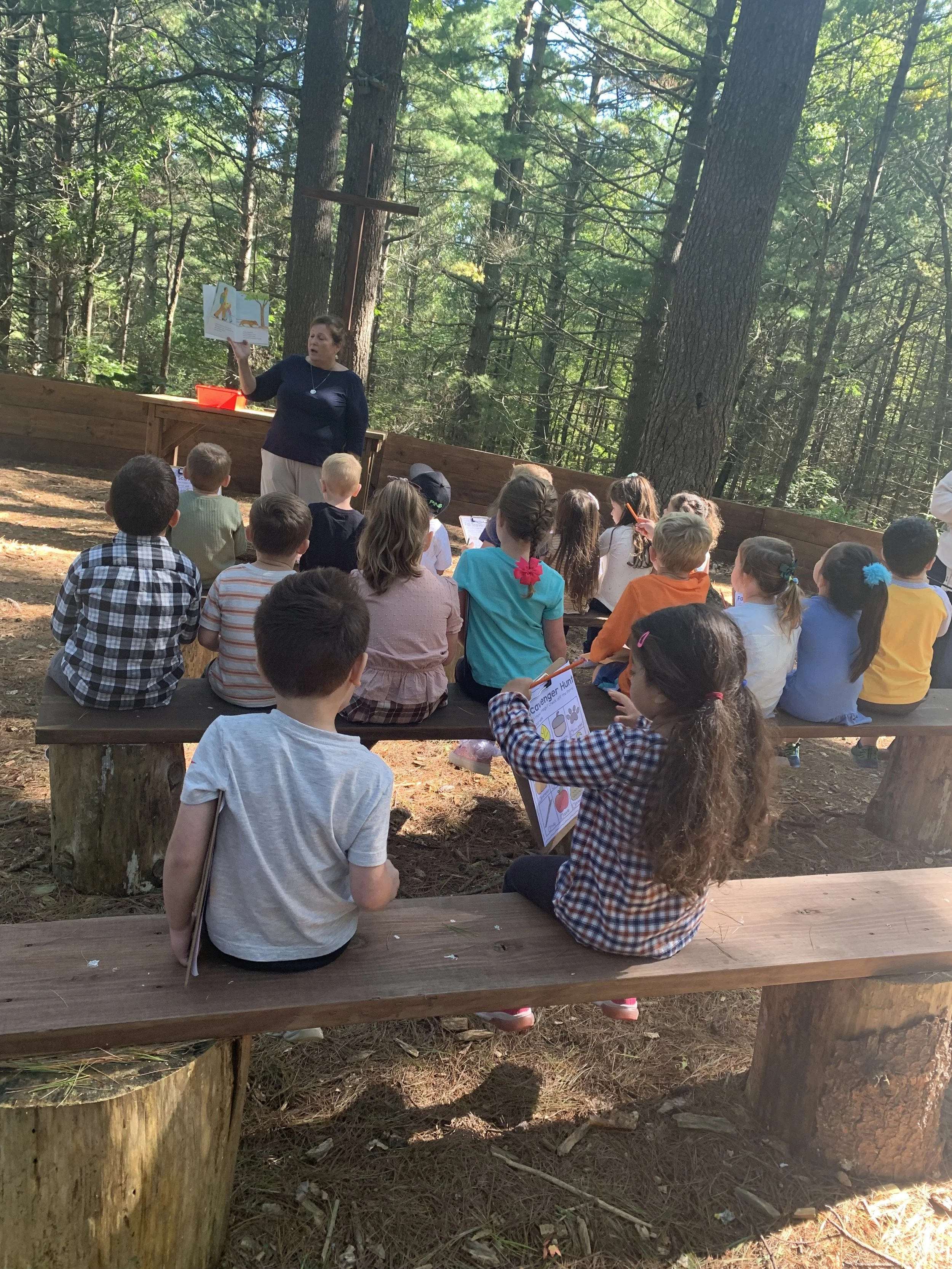
Yes, in 2026, nature-based education is a growing trend. While dedicated "all-weather" forest schools are rare, several schools in the Easton, MA area and the rural outskirts of Easton, PA have significantly expanded their "outdoor classroom" initiatives, spending up to 50% of the day outside.
What is the difference between Pre-K and Preschool?
In the Easton context, "preschool" usually refers to the initial years of schooling (ages 3-4), whereas "Pre-K" is the final year before kindergarten (age 4-5). Pre-K programs tend to be more academically focused, introducing early literacy and numeracy concepts to ensure school readiness.
Recommendation for Parents
As you begin your search for Easton preschools in 2026, start by defining your "must-haves"—whether that is a specific curriculum, extended hours for commuting, or a faith-based environment. Schedule your tours during morning hours when the children are most active to get a true sense of the school's energy. Once you have found a school that feels like a fit, do not delay the application; the most respected programs in Easton fill their rosters months before the school year begins.
Image Gallery