Choosing the Best Short Term Life Insurance for Your Financial Needs
Short-term life insurance typically refers to one-year renewable term policies or specific accidental death and dismemberment (AD&D) plans designed to provide temporary coverage for transitional life phases. These policies offer immedi...
Short-term life insurance typically refers to one-year renewable term policies or specific accidental death and dismemberment (AD&D) plans designed to provide temporary coverage for transitional life phases. These policies offer immediate financial protection for defined periods—often ranging from one to five years—without the long-term premium commitments or medical underwriting requirements associated with permanent life insurance products.
Contents
Understanding the Scope of Temporary Coverage
In the insurance industry, "short-term" life insurance is not a standardized legal category like "whole life" or "universal life." Instead, it is a functional classification used by consumers and providers to describe policies that bridge gaps between major life events. Whether you are waiting for a new employer’s benefits to vest, covering the duration of a specific debt, or managing a temporary increase in financial risk, these products are designed for agility rather than legacy planning.
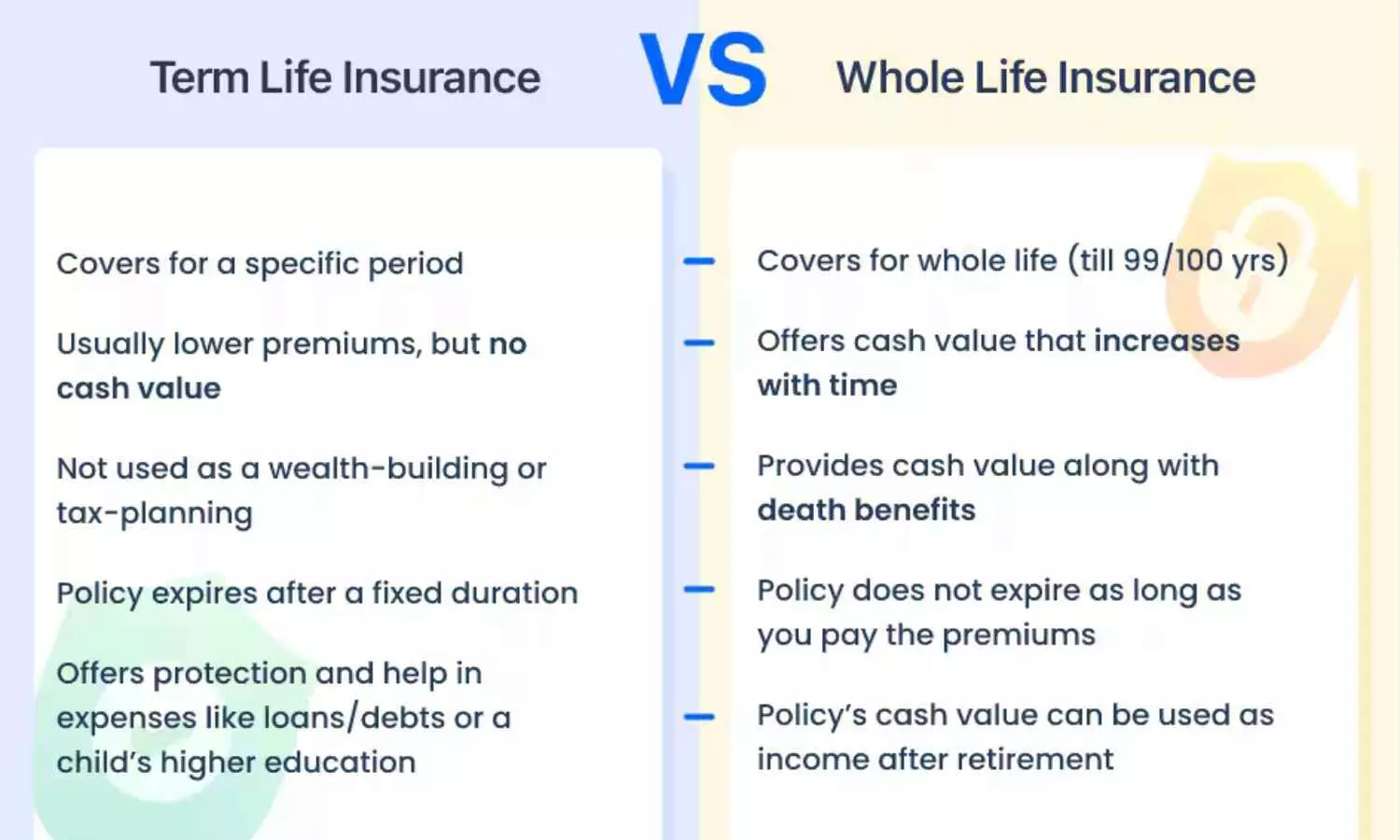
Most short-term solutions are simplified-issue term life policies. Unlike traditional term insurance, which may require a paramedical exam, these policies often rely on health questionnaires and database background checks. This allows for rapid issuance, sometimes within 24 to 48 hours. However, the trade-off for speed and convenience is usually a higher premium per unit of coverage and a shorter maximum policy duration.
When to Consider Short-Term Life Insurance
The primary intent of short-term life insurance is to mitigate risk during periods of transition. Identifying whether your situation warrants this type of coverage requires evaluating the duration of your financial vulnerability.
Key Use Cases
- Waiting Periods: If you have accepted a new job but face a 90-day waiting period before your employer-sponsored group life insurance begins, short-term coverage protects your dependents in the interim.
- Bridge Financing: If you have co-signed a short-term business loan or a personal note that will be paid off within a few years, a temporary policy ensures that this debt does not become a burden to your estate.
- Life Transitions: Events such as marriage, the birth of a child, or a divorce often alter your financial risk profile before you have time to research and undergo the underwriting process for a permanent 20- or 30-year term policy.
- International Assignments: Professionals working on fixed-term contracts abroad may find short-term coverage more practical than maintaining a complex domestic policy that might not be portable.
Evaluating Policy Types and Features
When searching for the best short-term life insurance, it is critical to distinguish between legitimate term life products and accidental death policies. The latter pays out only if the insured dies as a result of an accident, which leaves the beneficiary unprotected in the event of death by illness or natural causes.
Feature Comparison Table
| Feature | Short-Term Life (Term) | Accidental Death (AD&D) |
|---|---|---|
| Cause of Death | Any cause (excluding suicide) | Accidents only |
| Underwriting | Simplified (Health questions) | None (Guaranteed issue) |
| Premium Cost | Moderate | Low |
| Primary Goal | Income replacement | Liability/Accident protection |
| Duration | 1 to 5 years | Typically 1 year (Renewable) |
Prerequisites and Application Requirements
Securing short-term life insurance is generally less burdensome than applying for long-term coverage, but it is not entirely hurdle-free. Applicants should prepare the following information to ensure a smooth verification process:
- Identity Verification: A valid government-issued ID is mandatory to confirm age and legal status.
- Medical Disclosures: Even without a physical exam, you must truthfully answer health-related questions. Providing inaccurate information can lead to the denial of a death claim or the rescission of the policy during the contestability period.
- Financial Justification: For larger death benefit amounts, insurers may require proof of income or a stated reason for the coverage to prevent "over-insuring," which is a red flag for fraud.
- Beneficiary Details: Have the legal names, birth dates, and Social Security numbers of your primary and contingent beneficiaries ready.
The Risks of Temporary Coverage
While short-term life insurance solves immediate problems, it carries significant risks if misused. The most prominent danger is the "lapse in protection." Because these policies are designed to be temporary, they often lack the option to convert to permanent coverage once the term expires.
If your health changes during the term of your policy—for example, if you develop a chronic condition—you may find yourself uninsurable or subject to much higher premiums when you attempt to purchase a standard term policy at the end of your short-term plan. For this reason, experts recommend that short-term life insurance be viewed as a supplemental tool, not a replacement for a long-term strategy.
Regulatory and Professional Advice
Life insurance is regulated at the state level. Policies available in one jurisdiction may have different premium structures or eligibility requirements than those in another. Before committing to a policy, verify that the issuing company is admitted to do business in your state by checking with the National Association of Insurance Commissioners (NAIC).
Furthermore, because life insurance involves complex tax and estate planning implications, it is advisable to consult with a licensed financial advisor or a certified insurance professional. This article provides information for educational purposes and does not constitute financial, tax, or legal advice. Always review the policy summary and the master contract for specific exclusions, particularly those involving high-risk occupations or travel to restricted regions.
Frequently Asked Questions
Is short-term life insurance renewable?
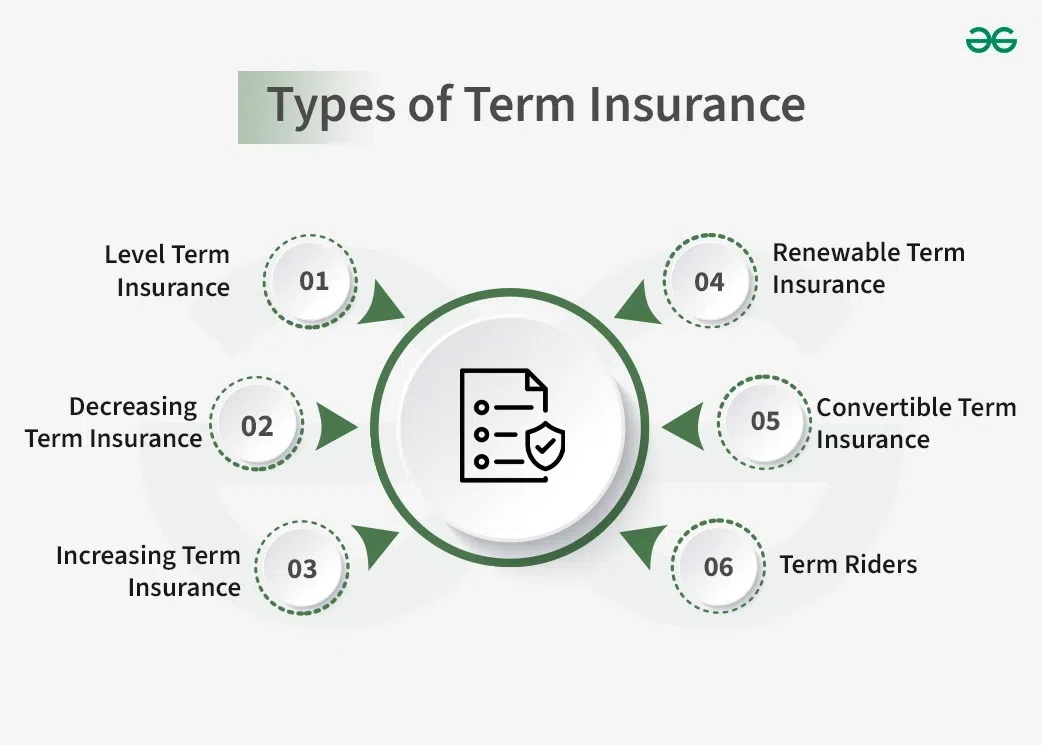
Most short-term life insurance policies are not automatically renewable. Once the term expires, the coverage ends. If you require coverage for a longer period, you should look for "renewable term" policies that guarantee the right to extend the coverage without re-qualifying medically, though this often comes with increased premiums.
How fast can I get covered?
In many cases, online application portals provide "instant approval." This means that after you submit your application and answer the health questions, the system evaluates your eligibility immediately. You could be covered within minutes of submission, provided no additional underwriting is required.
Does short-term life insurance cover suicide?
Most standard life insurance policies, including short-term ones, include a "suicide clause." This typically states that the policy will not pay out if the insured dies by suicide within the first two years of the policy effective date. Always check the specific language in the policy contract you receive.
Can I cancel a short-term policy early?
Yes, most policies allow for cancellation at any time. If you pay your premiums in advance, you may be entitled to a pro-rated refund of the unearned premium. However, be sure to confirm the cancellation terms in the policy documents, as some insurers may have administrative fees for early termination.
Why not just get a standard term policy?
A standard term policy (e.g., 10, 20, or 30 years) is usually more cost-effective over the long term. However, it requires a longer application process, including potential blood work and medical record review. Short-term life insurance is preferred only when you need coverage faster than the 4-to-8-week process required for standard policies.
Recommended Next Action
If you have an immediate, time-sensitive need for life insurance—such as waiting for a career transition or covering a short-term debt—start by gathering your financial and beneficiary information. Use the NAIC’s "Consumer Insurance Search" tool to verify the licensing of any provider you are considering. Once you have selected a provider, prioritize honesty in your health disclosure to ensure your beneficiaries are protected without the risk of future claim denials.
Image Gallery