The Impact of Danica Patrick Retiring from Full-Time Racing
Danica Patrick’s retirement from full-time racing in 2018 significantly shifted the commercial and cultural landscape of American motorsports. Her departure created a visible void in female representation at the highest levels of NASCA...
Danica Patrick’s retirement from full-time racing in 2018 significantly shifted the commercial and cultural landscape of American motorsports. Her departure created a visible void in female representation at the highest levels of NASCAR and IndyCar, altered sponsorship dynamics for mid-tier teams, and transitioned her into a blueprint for modern athlete-entrepreneurs.
Contents
The Cultural Shift in Motorsports Representation
The most immediate impact of Danica Patrick retiring from full-time racing was the loss of a singular, high-profile female figure in the NASCAR Cup Series and the IndyCar Series. For over a decade, Patrick served as the primary entry point for a demographic that had historically been overlooked by motorsports: women and young girls. Her presence on the grid was not merely symbolic; it was a constant reminder of the potential for gender diversity in a male-dominated field.
Since her final races at the 2018 Daytona 500 and Indianapolis 500—collectively known as the "Danica Double"—the racing world has struggled to find a successor who commands the same level of mainstream media attention. While drivers like Hailie Deegan and Katherine Legge have made significant strides, the vacuum left by Patrick highlighted a systemic issue in the driver development pipeline. Her retirement forced the industry to confront the reality that her success was an anomaly of talent, timing, and unprecedented marketing support, rather than the result of a sustainable institutional framework for female drivers.
The Evolution of the "Danica Effect" on Sponsorship
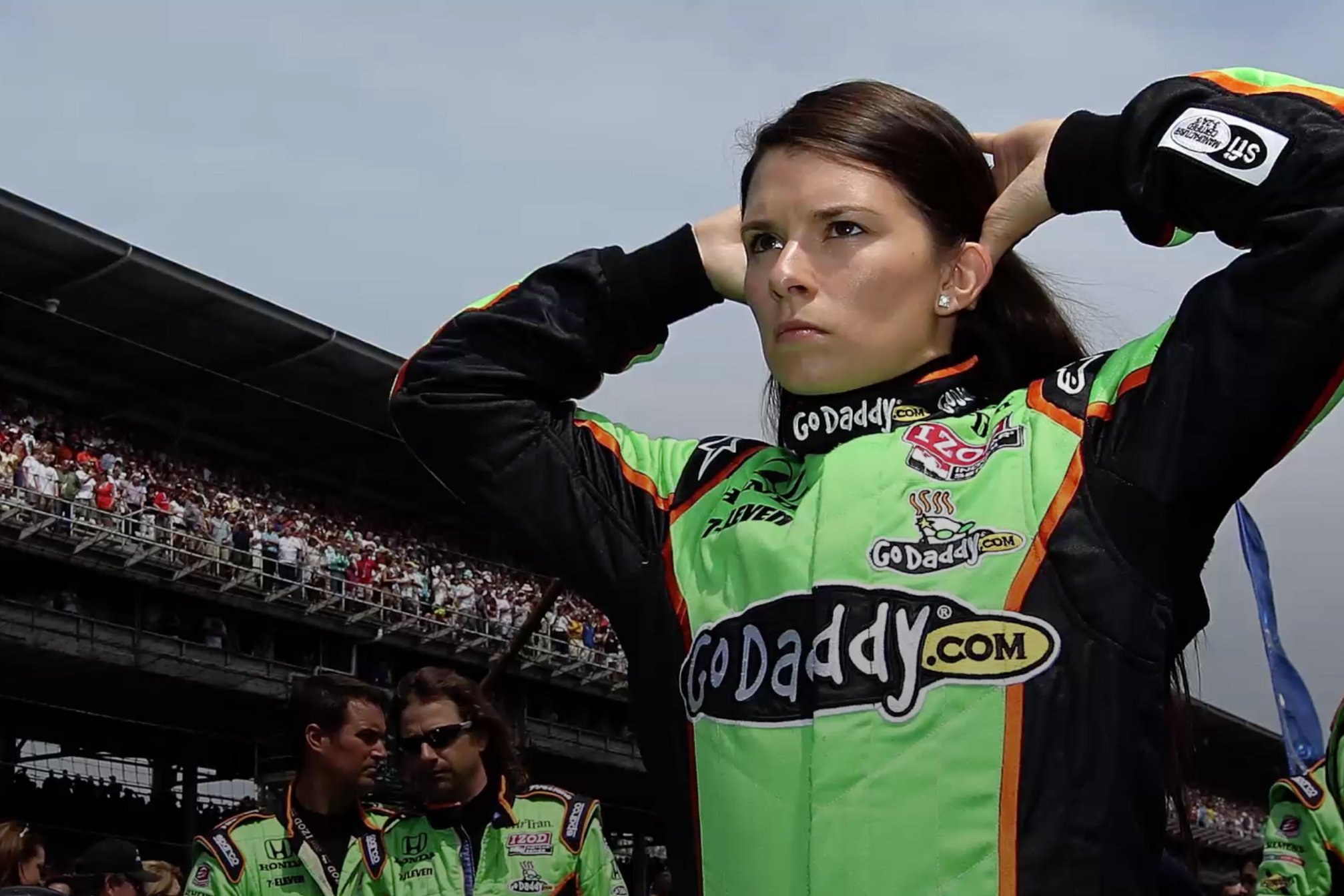
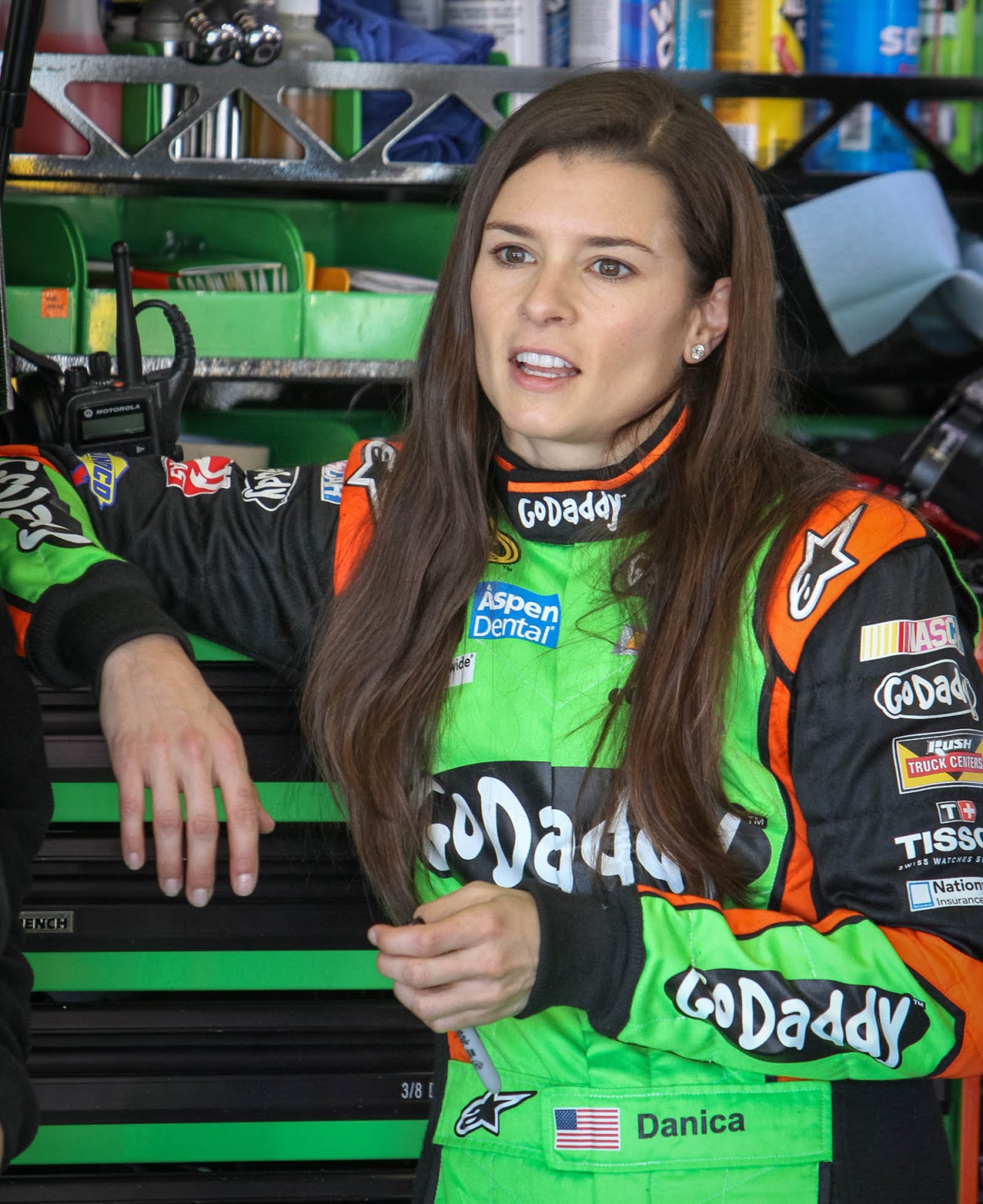
From a technical SEO and marketing perspective, the "Danica Effect" refers to the massive influx of non-endemic sponsorship money she brought to the sport. Companies like GoDaddy, Nature’s Bakery, and Aspen Dental didn't just sponsor a car; they sponsored a brand that transcended racing.
When she retired, the financial impact was felt across the paddock. Patrick was a "needle-mover" for television ratings and merchandise sales. Her departure coincided with a broader shift in how NASCAR sponsorships were structured. The era of the $20-million-a-year primary sponsor was already waning, but losing a driver who could guarantee 1:1 ROI through media impressions accelerated the need for teams to diversify their revenue streams.
Commercial Metrics Comparison: Pre- and Post-Retirement Era
| Metric | The Danica Patrick Era (2005–2018) | The Post-Danica Era (2019–2026) |
|---|---|---|
| Mainstream Media Cross-over | High (SNL, Music Videos, Super Bowl Ads) | Moderate (Mostly limited to sports-centric media) |
| Primary Sponsorship Model | Single, high-spend anchors (GoDaddy) | Fragmented, multi-sponsor season kits |
| Female Fan Engagement | Peak growth in 18-34 female demographic | Stable but lacks a singular focal point |
| Merchandise Dominance | Consistently top 5 in NASCAR sales | Distributed among 5–7 top male stars |
Transition to the Athlete-Entrepreneur Blueprint
One of the most lasting impacts of Patrick’s retirement is the "second act" she constructed, which has since become a case study for professional athletes. By 2026, it is clear that she did not just retire from racing; she pivoted to a lifestyle conglomerate.
Patrick successfully leveraged her racing fame to build a portfolio that includes Somnium (her Napa Valley vineyard), the Pretty Intense podcast and book brand, and her Warrior clothing line. This transition was significant because it proved that a female athlete’s value was not tied strictly to her "shelf life" on the track. For the racing industry, this meant that the end of a career didn't mean the end of the brand's association with the sport, as she has remained a fixture in broadcasting for Sky Sports F1 and NBC.
Impact on Technical Driver Development
Technically, Patrick's retirement led to a re-evaluation of how drivers are scouted. During her career, critics often focused on her lack of wins in NASCAR compared to her IndyCar success. However, her retirement allowed for a more nuanced analysis of her technical contributions, such as her feedback on aero-packages and her ability to handle the transition from high-downforce open-wheel cars to heavy stock cars.
The impact here is seen in the "Danica Patrick Rule" of marketing: talent is required, but marketability is the engine. Post-2018, driver development programs began placing a higher premium on "brand-readiness." This has had a mixed impact; while it helps drivers secure funding, it has also increased the barrier to entry for talented drivers who lack a polished media persona.
The Broadening of Racing Media and Commentary
Danica Patrick’s transition into the broadcast booth changed the tone of racing commentary. Having a retired driver with experience in both IndyCar and NASCAR provided a unique technical perspective during "crossover" events. Her role as an analyst for the Formula 1 United States Grand Prix and other international events helped bridge the gap between American domestic racing and the global stage.
Her commentary style—often direct and unapologetic—mirrored her driving style. This has influenced a new generation of sports broadcasters to prioritize blunt technical assessment over traditional "homerism." The impact of this is a more informed fan base that understands the nuances of tire degradation, fuel saving, and psychological warfare between drivers.
Challenges in the Post-Retirement Pipeline
Despite the trail she blazed, the years following her retirement revealed how difficult it is to replicate her trajectory. The financial requirements to move from go-karts to Formula 4 or ARCA remain astronomical. Patrick’s retirement underscored the fact that without a massive corporate backer like GoDaddy, even the most talented female drivers struggle to reach the "Tier 1" equipment necessary to compete for wins.
The industry has responded with initiatives like the Iron Dames in endurance racing and the F1 Academy, but the "Danica impact" remains the benchmark against which all progress is measured. In 2026, we see that her retirement served as a "reset button" for the sport, forcing stakeholders to move beyond "tokenism" and toward legitimate, well-funded pathways for diverse talent.
Frequently Asked Questions
What was Danica Patrick’s biggest accomplishment in racing?
Her victory at the 2008 Indy Japan 300 remains the most significant technical achievement, as she is the only woman to win an IndyCar Series race. Additionally, her 2013 pole position at the Daytona 500 was a landmark moment for women in NASCAR history.
How did her retirement affect NASCAR's television ratings?
While ratings are influenced by many factors, Patrick’s retirement led to a measurable dip in "casual" viewers—those who tuned in specifically to follow her progress regardless of their interest in the sport as a whole. This demographic is notoriously difficult for racing series to retain.
Is Danica Patrick still involved in professional racing in 2026?
Yes, but exclusively in a media and promotional capacity. She serves as a lead analyst for several high-profile racing broadcasts and remains a brand ambassador for various automotive and lifestyle technologies. She has expressed no interest in returning to competitive full-time driving.
Which female drivers have been most compared to Danica since 2018?
Drivers like Hailie Deegan in NASCAR and Jamie Chadwick in the IndyCar/F1 ladder systems have faced the most frequent comparisons. However, the industry now recognizes that these athletes are carving their own paths rather than simply trying to be "the next Danica."
Did she retire due to a lack of performance or sponsorship?
It was a combination of both, which is common for veteran drivers. In 2017, her longtime sponsor GoDaddy returned for her "final chapter," but Patrick cited a desire to pursue her business interests and the physical toll of racing as primary reasons for stepping away from the 36-week NASCAR grind.
Final Recommendation for Racing Organizations
To honor the legacy and address the impact of Danica Patrick’s retirement, racing organizations must focus on commercial sustainability for female athletes. The primary lesson from Patrick’s career is that talent needs to be paired with a long-term brand strategy.
For sponsors and teams, the next step is to invest in "multi-driver" female development programs rather than searching for a single "unicorn" to carry the entire weight of a demographic. By diversifying the pool of talent, the sport can ensure that the next time a major star retires, the impact is a celebration of a career rather than a crisis for the industry’s diversity metrics.
Image Gallery