Step Brothers Bathroom Scene Script Explained: Analysis of Comedy and Improv
The bathroom scene script in Step Brothers (2008) serves as a foundational moment that establishes the arrested development and territorial aggression of Brennan Huff and Dale Doback. Through a blend of rigid scripted beats and fluid "...
The bathroom scene script in Step Brothers (2008) serves as a foundational moment that establishes the arrested development and territorial aggression of Brennan Huff and Dale Doback. Through a blend of rigid scripted beats and fluid "line-o-rama" improvisation, the scene illustrates how shared domestic space triggers the characters’ infantile competitive instincts, transforming a mundane evening routine into a high-stakes psychological standoff.
Contents
The Narrative Function of the Bathroom in Step Brothers
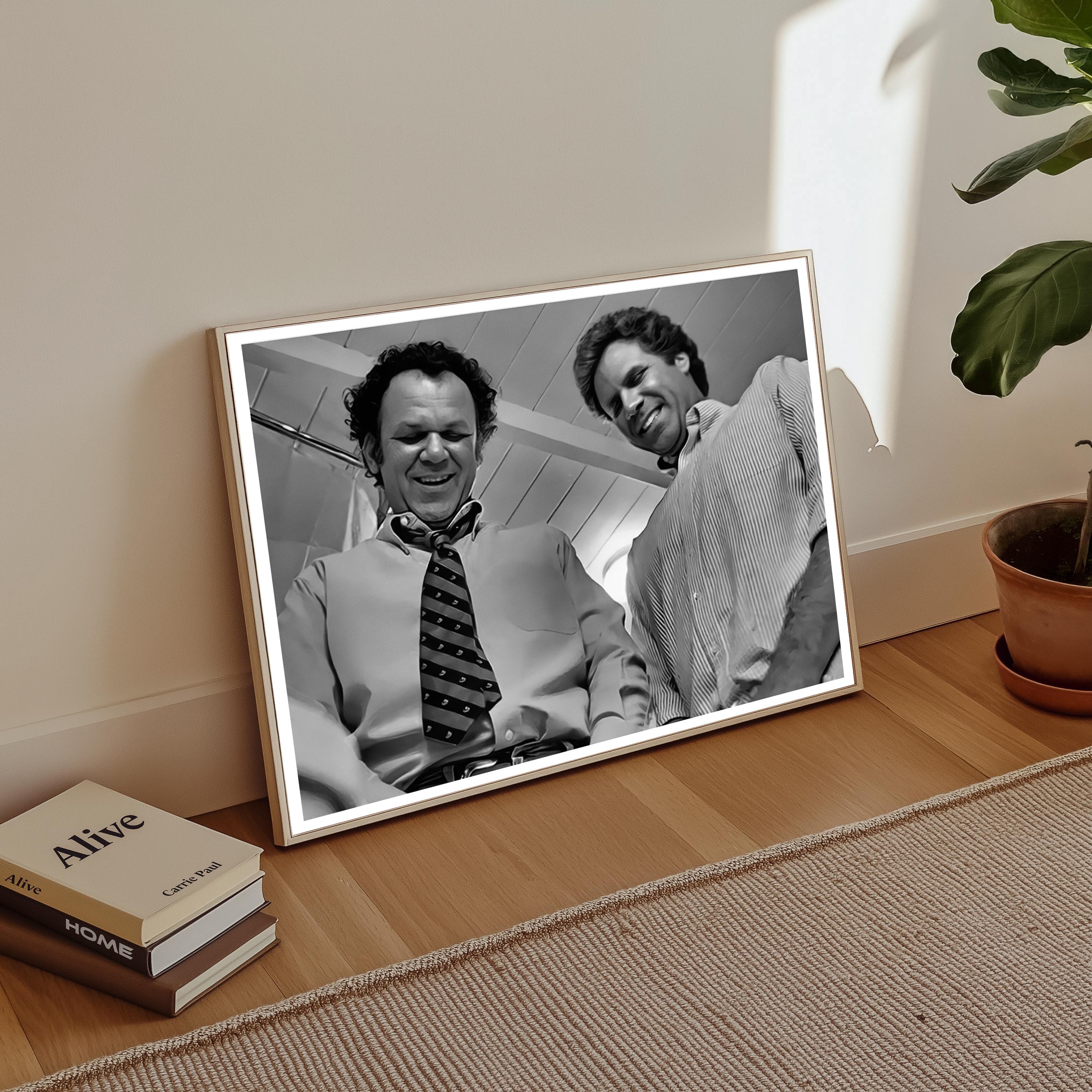
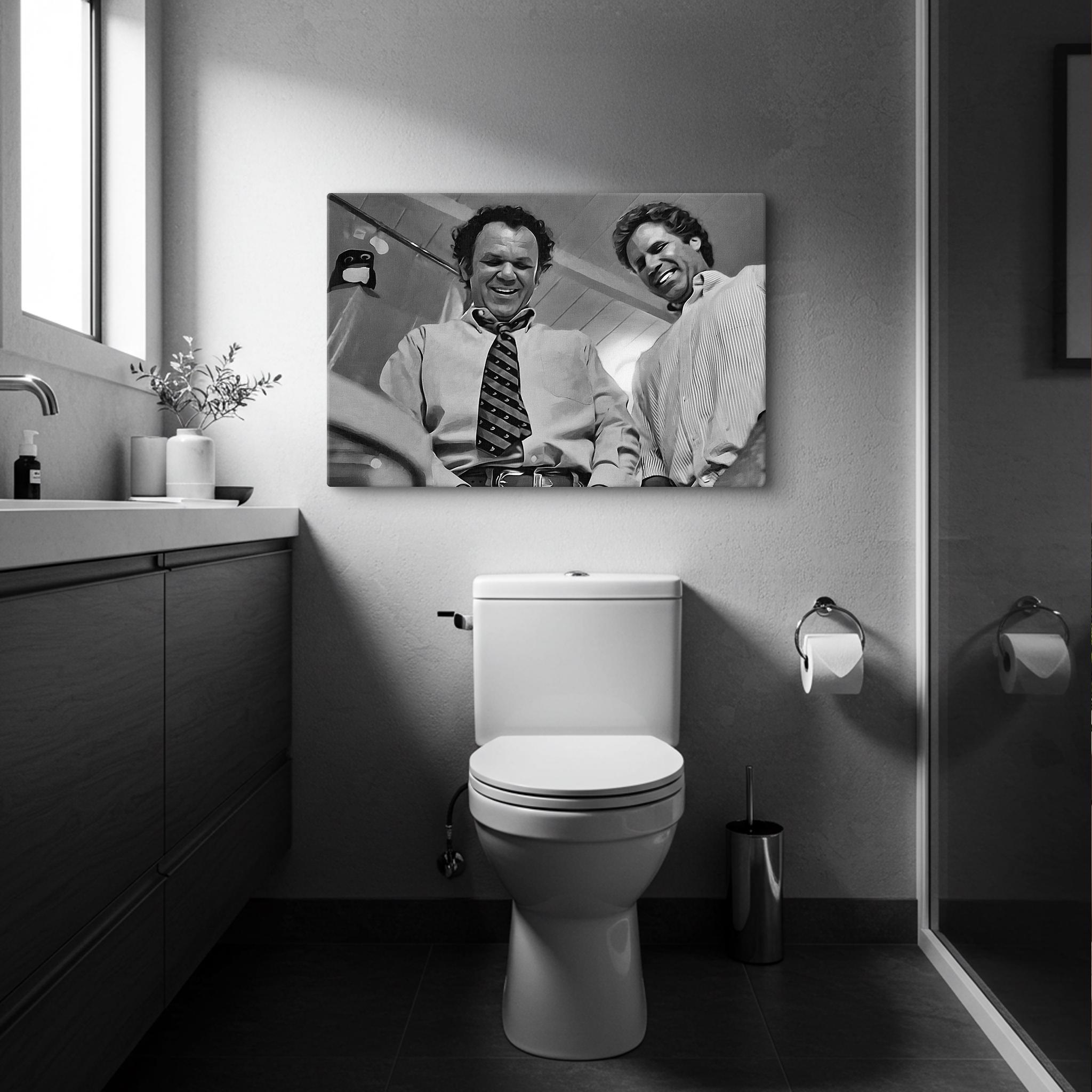
In the cinematic language of Adam McKay and Will Ferrell, the bathroom is rarely just a setting for hygiene; it is a pressurized container for character conflict. In Step Brothers, the bathroom scenes—specifically the "First Night" toothbrushing sequence and the "Sleepwalking" incident—act as the primary battlefield for Brennan (Will Ferrell) and Dale (John C. Reilly).
By 2026, the screenplay for Step Brothers has become a staple for students of comedy because of how it handles physical proximity. When two 40-year-old men are forced into a shared bathroom, the script highlights their lack of social boundaries. The bathroom is a private sanctuary that has been violated by the presence of a "stranger," leading to the defensive posturing that defines the film’s first act.
The script uses these scenes to solve a specific narrative problem: how to make the audience believe that two grown men are truly children at heart. The "First Night" script focuses on the minutiae of personal space—where the toothbrush goes, the sound of spitting, and the "stare-down" in the mirror. These are low-stakes actions that the script elevates to the level of an Alpha-male dominance ritual.
Scripted Precision vs. Improvisational Fluidity
One of the most misunderstood aspects of the Step Brothers bathroom scene script is the ratio of written dialogue to improvisation. While many fans assume the scenes were entirely "riffed," the original screenplay by Will Ferrell and Adam McKay provided a rigorous structure.
The Foundation of the Scene
The script provided the "anchor points" for the actors. For instance, the script specifically dictates the rhythm of the interactions. A scripted line like Dale telling Brennan, "I'm a delicate sleeper," isn't just a joke; it is a character trait that sets up the later sleepwalking sequences.
The "Line-O-Rama" Technique
Director Adam McKay is famous for his "Line-O-Rama" technique, where he shouts alternative jokes (alts) to the actors while the camera is rolling. This means the Step Brothers bathroom scene script seen on the page is often a skeleton. During the toothbrushing scene, the script might simply read: “Brennan and Dale brush their teeth in aggressive silence.” The actors then fill that silence with physical comedy, heavy breathing, and the specific, awkward eye contact that makes the scene iconic.
The Power of the Pause
In scriptwriting, what isn't said is often as important as what is. The bathroom script utilizes long pauses to build tension. By documenting these silences, the script allows the actors to explore the "mumblecore" aspects of the characters—the small grunts, the sighs of frustration, and the performative cleaning of the sink that signals "This is my house, not yours."
Breakdown of the "First Night" Bathroom Sequence
The first major bathroom interaction occurs shortly after the parents, Nancy and Robert, get married. The script emphasizes the territoriality of the space.
- Visual Symmetry: The script often calls for the two characters to be framed identically in the mirror. This visual "doubling" suggests they are two sides of the same coin, which fuels their mutual hatred.
- The Toothbrush as a Weapon: The script treats the act of brushing teeth as a defensive maneuver. Brennan’s aggressive scrubbing is scripted to show his nervousness and his desire to appear "tough" in front of his new brother.
- Passive-Aggressive Dialogue: The script focuses on mundane questions that carry hidden threats. When Dale asks about Brennan's intentions regarding the living situation, the dialogue is clipped and sharp, contrasting with the childishness of their surroundings.
The script effectively uses the bathroom's acoustics as well. The harsh tiling and echoing water heighten the tension, making every spit or tap of a toothbrush sound like a declaration of war.
The Sleepwalking Bathroom Scene: Analyzing Chaos
The "Sleepwalking" bathroom scene is a masterclass in choreographed chaos. In the script, this sequence is described with heavy emphasis on action over dialogue. The characters, in a state of parasomnia, migrate from their bedrooms to the kitchen and bathroom, causing destruction.
| Scripted Element | Narrative Purpose | Technical Execution |
|---|---|---|
| Fugue State | Shows the characters' shared trauma/psychology. | Actors use "dead-eye" stares and slack-jawed expressions. |
| Physical Destruction | Represents the dismantling of the parents' marriage. | Precise stunt coordination to avoid injury during "blind" movements. |
| Incoherent Mumbling | Highlights the subconscious fears of the characters. | Script provides "nonsense" prompts that actors expand upon. |
| The Bathroom "Climax" | The bathroom becomes a site of "purging" the conflict. | High-key lighting to contrast with the dark hallway "horror" vibe. |
The script for this scene is notoriously difficult to read because it relies on "parentheticals"—the instructions in parentheses that tell the actor how to say a line or move. For example, (in a deep, guttural sleep-voice) or (knocking over the vanity with surgical precision). These cues are essential for translating the scripted joke into the visual comedy seen on screen.
Cultural Context and the "Man-Child" Archetype
By 2026, the "Man-Child" archetype popularized by Ferrell and Reilly is often analyzed through the lens of psychological regression. The bathroom scene script is a primary source for this analysis. The script forces the characters into a "nursery-like" environment. The bathroom, often associated with parental supervision in childhood, becomes a place where Brennan and Dale revert to their most primal, 10-year-old selves.
The script avoids making the characters "crazy" in a clinical sense. Instead, the writing focuses on their entitlement. The bathroom scene is "explained" by the script’s insistence that both men believe they are the protagonist of the house. When Brennan uses Dale's towel or breathes too loudly, the script treats it as a Greek tragedy, which is the source of the film’s "absurdist realism."
Script Format and Accessibility
For those looking to study the Step Brothers bathroom scene script, it is important to look at the Shooting Script versus the Draft Script.
- Draft Script: Contains more backstory and perhaps more dialogue that was eventually cut to make room for improv.
- Shooting Script: Includes the "locked" scenes with scene numbers, which are more reflective of the final timing and blocking used in the bathroom.
The screenplay follows standard industry formatting: 12-point Courier font, specific margins for dialogue, and capitalized character names above their lines. This clinical, professional formatting provides a hilarious contrast to the ridiculous content of the bathroom arguments. Seeing the words "I'm going to put my nuts on your drum set" written in a formal screenplay format is a testament to the film's unique comedic voice.
The Legacy of the "Don't Touch My Drum Set" Lead-up
While the famous "Drum Set" scene takes place in the bedroom, it is inextricably linked to the bathroom script. The "Bathroom Rule" is established early in the writing: The bathroom is the only place where they are forced to be civil. When that civility breaks down, it spills over into the drum set confrontation.
The script uses the bathroom as a "cooling off" or "heating up" zone. It is where the characters go to stew in their anger. When explaining the script's success, one must look at how it builds pressure. The bathroom scenes are the "valve" that eventually fails, leading to the physical brawls that define the second act.
Frequently Asked Questions
Was the "Save the Children" line in the bathroom scene scripted?
Most of the specific pop-culture references, like "Shark Week" or "Save the Children," originated as "alts" provided by Adam McKay or improvised by Ferrell and Reilly. The script usually provided the topic of the argument, but the specific, bizarre details were often captured during long-form improv takes.
Where can I find the official Step Brothers screenplay?
The screenplay is available through several script database archives like the IMSDb (Internet Movie Script Database) or the WGA (Writers Guild of America) library. However, keep in mind that the final film contains roughly 30-40% improvised content that is not in the original printed script.
Why is the bathroom scene considered "technical" comedy?
It is "technical" because it relies on blocking (where actors stand) and timing (when they move). In a confined space like a bathroom, every movement must be choreographed to ensure the camera can see both actors, especially when they are interacting with the mirror.
Does the script explain why they sleepwalk?
The script implies that the sleepwalking is a manifestation of their anxiety regarding the "merging" of their families. It serves as a physical representation of their subconscious minds clashing, which is why they often sleepwalk simultaneously.
How does the 2026 perspective change the scene?
In 2026, we view these scripts as a peak example of the "Apatow Era" of comedy. The bathroom scene is now studied for its "sincerity in absurdity"—the actors play the scene with total dramatic commitment, which is what makes the ridiculous script work so effectively.
Final Recommendations for Script Enthusiasts
To fully understand the Step Brothers bathroom scene script, one should watch the scene with the "Deleted Scenes" or "Blooper Reel" commentary. This reveals the "bones" of the script by showing how many different ways the actors tried to execute a single scripted beat. For aspiring writers, the takeaway is clear: write a strong, emotionally grounded structure (the territorial battle), and then leave enough "white space" on the page for the performers to find the magic in the moment.
Image Gallery