Decoding the Gang Gang Sign: Origins, Meaning, and Cultural Context
The term gang gang sign refers to a collection of hand gestures and non-verbal symbols associated with street culture, hip-hop music, and urban slang popularized globally through digital media. While often utilized loosely in casual ex...
The term gang gang sign refers to a collection of hand gestures and non-verbal symbols associated with street culture, hip-hop music, and urban slang popularized globally through digital media. While often utilized loosely in casual expression and social media platforms in 2026, these physical gestures historically connect to specific regional groups, collective identities, and subcultural communication networks.
Contents
Understanding the Roots of Modern Urban Hand Gestures
Communication through hand gestures predates modern media, yet the contemporary usage of urban hand signs has evolved significantly alongside the growth of hip-hop culture. The expression "gang gang" emerged as a prominent fixture in modern vernacular, representing loyalty, solidarity, and tight-knit community bonds among peers. When paired with a physical sign, it functions as a visual anchor for an auditory slogan.
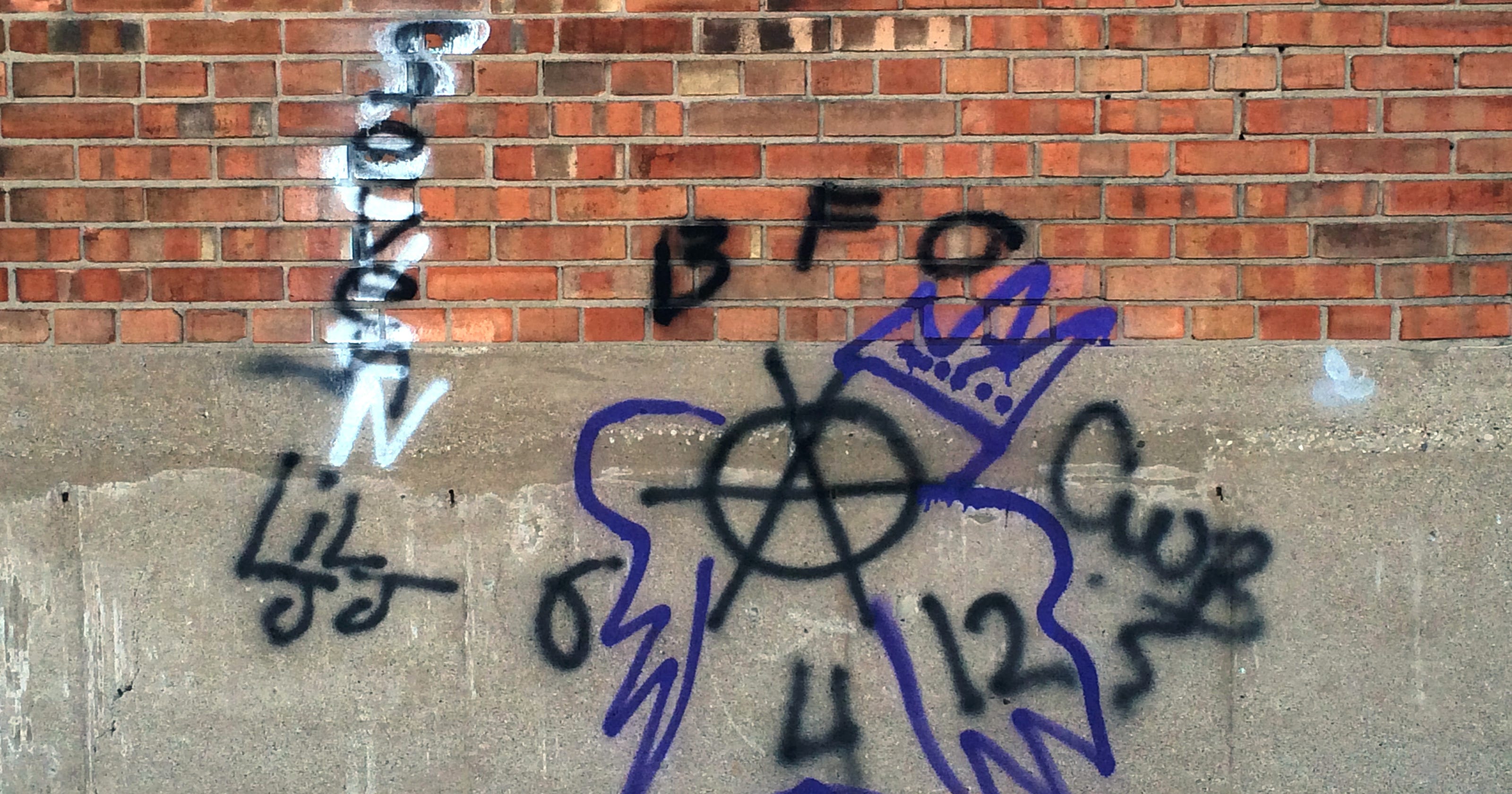
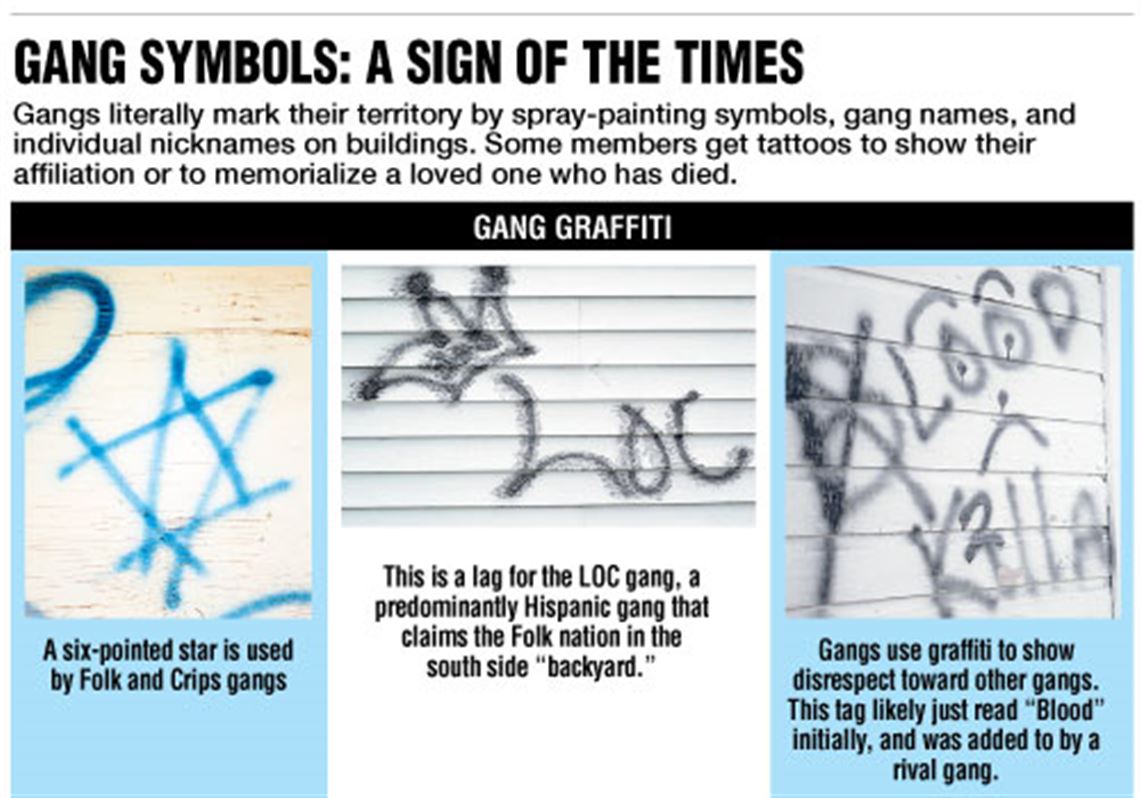
Street culture historically utilized hand gestures for identification, territorial demarcation, and silent communication in high-noise environments. Over time, as regional music styles—particularly Chicago drill and West Coast rap—gained mainstream prominence, these visual symbols crossed geographic boundaries. What once served strictly as localized identifiers transformed into viral communication tools adopted by global audiences, influencers, and digital creators.
The Mechanics of Street Signification and Symbolism
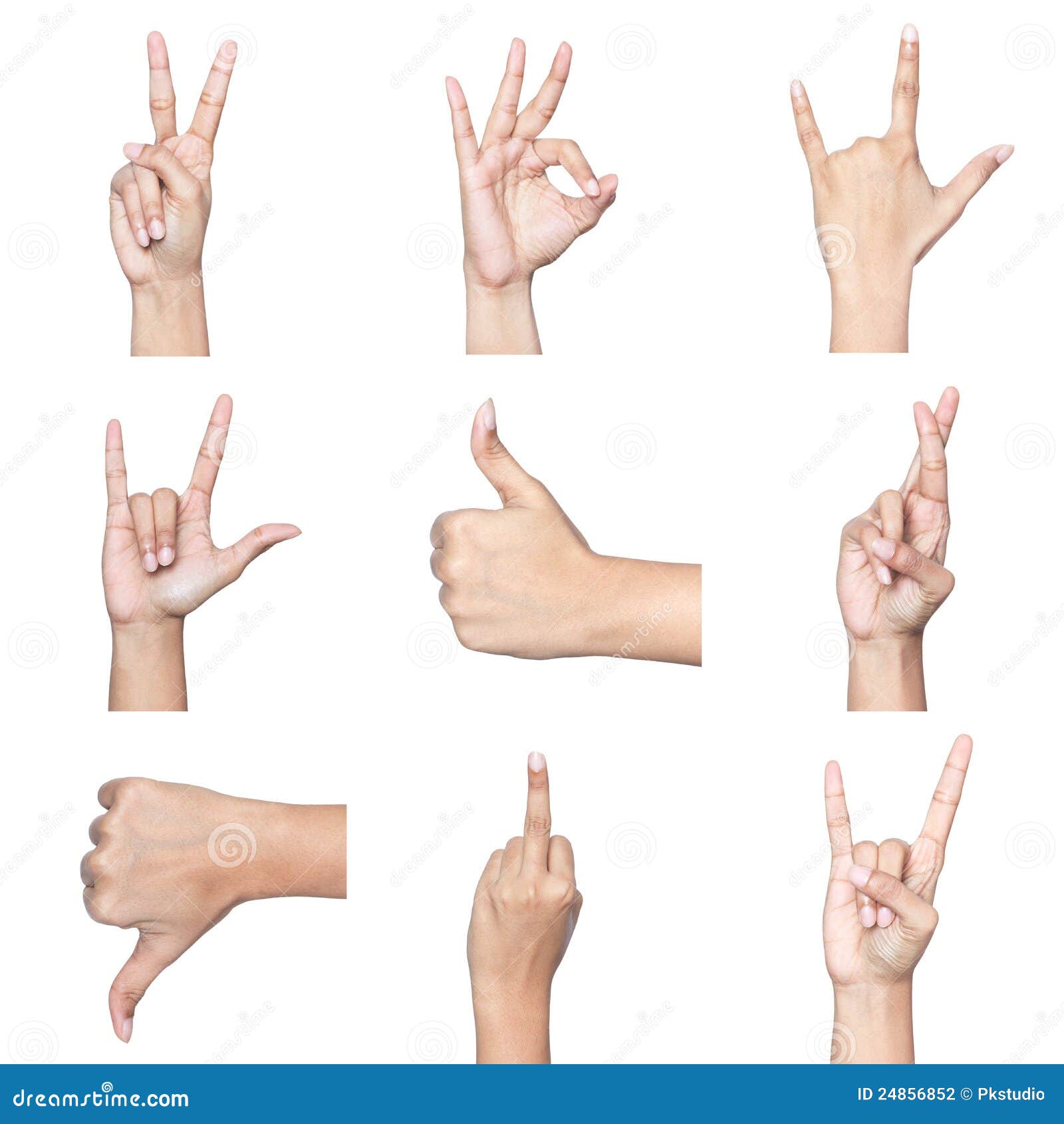
Hand gestures in urban subcultures rely on precise finger placement, hand orientation, and body positioning. Misinterpreting or carelessly mimicking these symbols can carry severe social or physical repercussions in real-world environments where territorial affiliations are strictly enforced.
- Positional Accuracy: Gestures typically require specific finger extensions, such as crossed fingers, specific thumb placements, or inverted hand angles to distinguish one symbol from another.
- Cultural Context: The meaning of a hand gesture changes entirely depending on the geographic region, the specific subculture, and the individuals present.
- Media Amplification: Social media algorithms frequently elevate visual content featuring stylized hand signs, stripping away historical or protective contexts and presenting them purely as aesthetic trends.
Comparative Analysis of Subcultural Communication Methods
Understanding how visual signs operate requires looking at the broader spectrum of non-verbal communication within music and street culture. The following table breaks down the differences between traditional signifiers, modern media adaptations, and casual slang usage.
| Communication Type | Primary Origin | Real-World Risk Factor | Modern Digital Adaptation |
|---|---|---|---|
| Traditional Street Signs | Regional gangs and historic coalitions | Extremely High (Physical danger, legal scrutiny) | Rarely shared directly; heavily monitored by law enforcement |
| Hip-Hop Performance Gestures | Artists, dancers, and regional crews | Moderate (Misrepresentation concerns) | Widely replicated in music videos and short-form video apps |
| Casual Internet Slang | Digital creators and youth culture | Low (Misunderstanding or cultural appropriation) | Utilized as memes, caption text, and aesthetic hand poses |
Safety, Legal, and Social Implications in 2026
In contemporary digital and physical environments, the casual display of ambiguous hand gestures carries unintended consequences. Law enforcement agencies in various jurisdictions utilize digital monitoring tools to track gang affiliations through social media imagery, making the careless flashing of hand signs a legal liability. Furthermore, public safety campaigns continuously educate communities on the dangers of romanticizing or mimicking real-world criminal organizations online.
Educational institutions and community centers often implement programs to help youth understand the gravity of street symbology, emphasizing that digital clout does not outweigh the real-world dangers tied to gang culture. Recognizing that a phrase or gesture popular in a song lyric may have lethal origins helps prevent unintentional conflicts in public spaces.
Frequently Asked Questions About Urban Hand Signs
What does the phrase "gang gang" actually mean in modern culture?
The phrase signifies absolute loyalty, brotherhood, and alignment with a close circle of friends or associates. Originally rooted in street terminology, it transitioned into mainstream youth slang used globally in music and everyday conversation.
Are all hand signs seen in hip-hop videos associated with criminal organizations?
Not all hand gestures seen in media are connected to criminal groups, as many artists invent original choreography or use benign dance symbols. However, specific configurations closely mimic historical street signs, which creates ambiguity and potential risk.
Why do hand signs spread so quickly across social media platforms?
Short-form video platforms prioritize high-engagement visual content, causing stylized movements and catchphrases to go viral rapidly. Users often adopt these trends for aesthetic appeal without realizing their underlying subcultural origins.
Can displaying an unfamiliar hand sign lead to legal or personal trouble?
Displaying territorial signs in unfamiliar neighborhoods or capturing them on permanent digital records can provoke hostile confrontations or draw unwanted attention from law enforcement intelligence units. It is strongly advised to avoid replicating symbols of unknown origin.
How can individuals distinguish between a dance gesture and a territorial sign?
True territorial signs are strictly regulated within specific subcultures and are rarely performed casually outside of high-risk contexts, whereas dance gestures are typically incorporated into standardized choreography designed for public entertainment.
Navigating Cultural Expression Responsibly
Engaging with urban culture requires an awareness of the boundaries between creative expression and real-world harm. While hip-hop and street slang continuously shape global fashion, language, and art, respecting the gravity of historical symbols ensures that appreciation does not cross into dangerous appropriation or ignorance. Always prioritize safety, contextual awareness, and digital literacy when interacting with modern subcultural trends.
Image Gallery