Why the Zendaya Dune Premiere Matters: A Cultural and Industry Turning Point
The Zendaya Dune premiere represents a masterclass in modern celebrity branding, transcending traditional film promotion to redefine how blockbuster epics engage global audiences. By leveraging high-concept fashion as a narrative exten...
The Zendaya Dune premiere represents a masterclass in modern celebrity branding, transcending traditional film promotion to redefine how blockbuster epics engage global audiences. By leveraging high-concept fashion as a narrative extension of the film’s universe, Zendaya’s presence transformed a niche sci-fi adaptation into a mainstream cultural event, shifting the focus from mere ticket sales to long-term intellectual property resonance.
Contents
The Intersection of High Fashion and Blockbuster Cinema
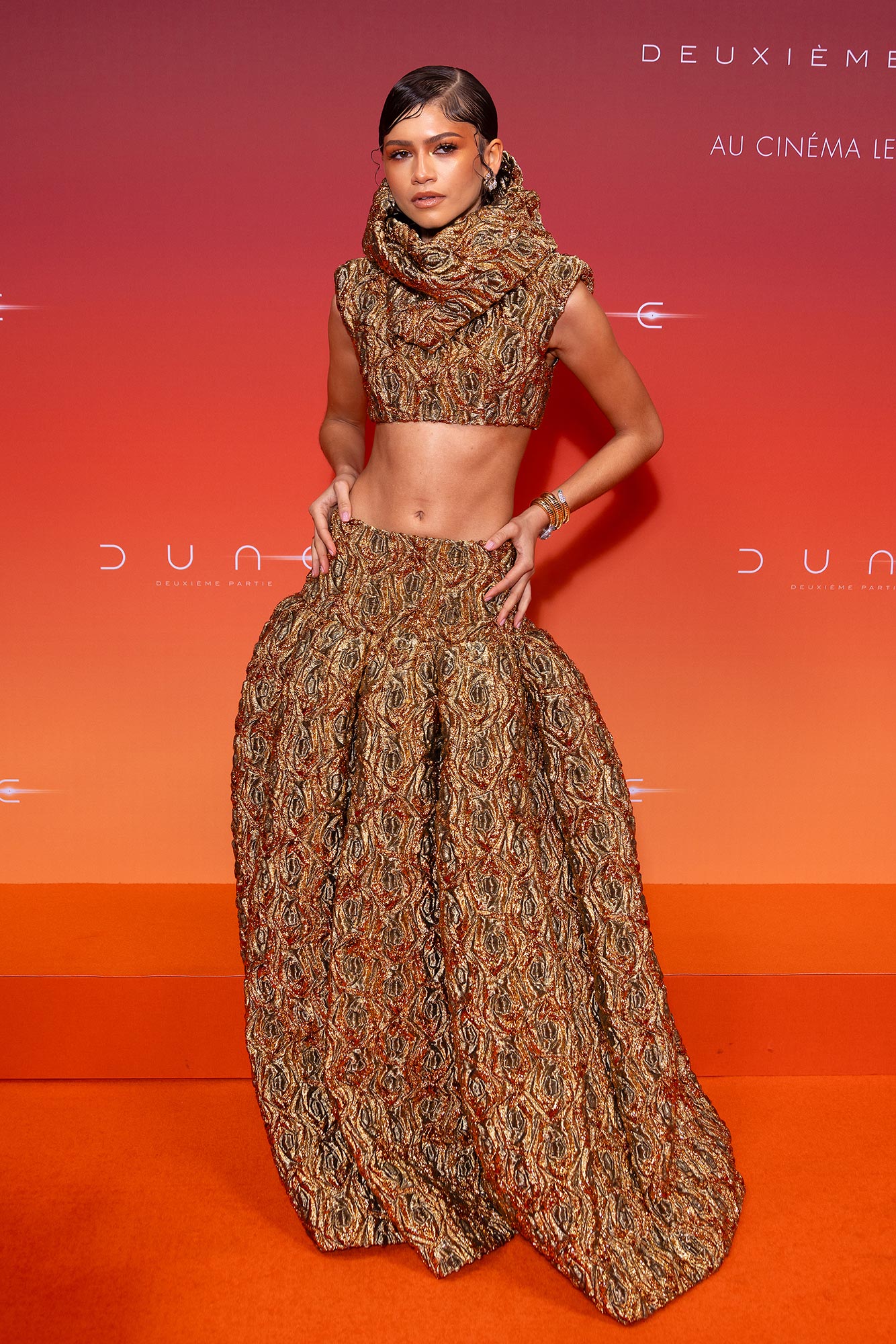
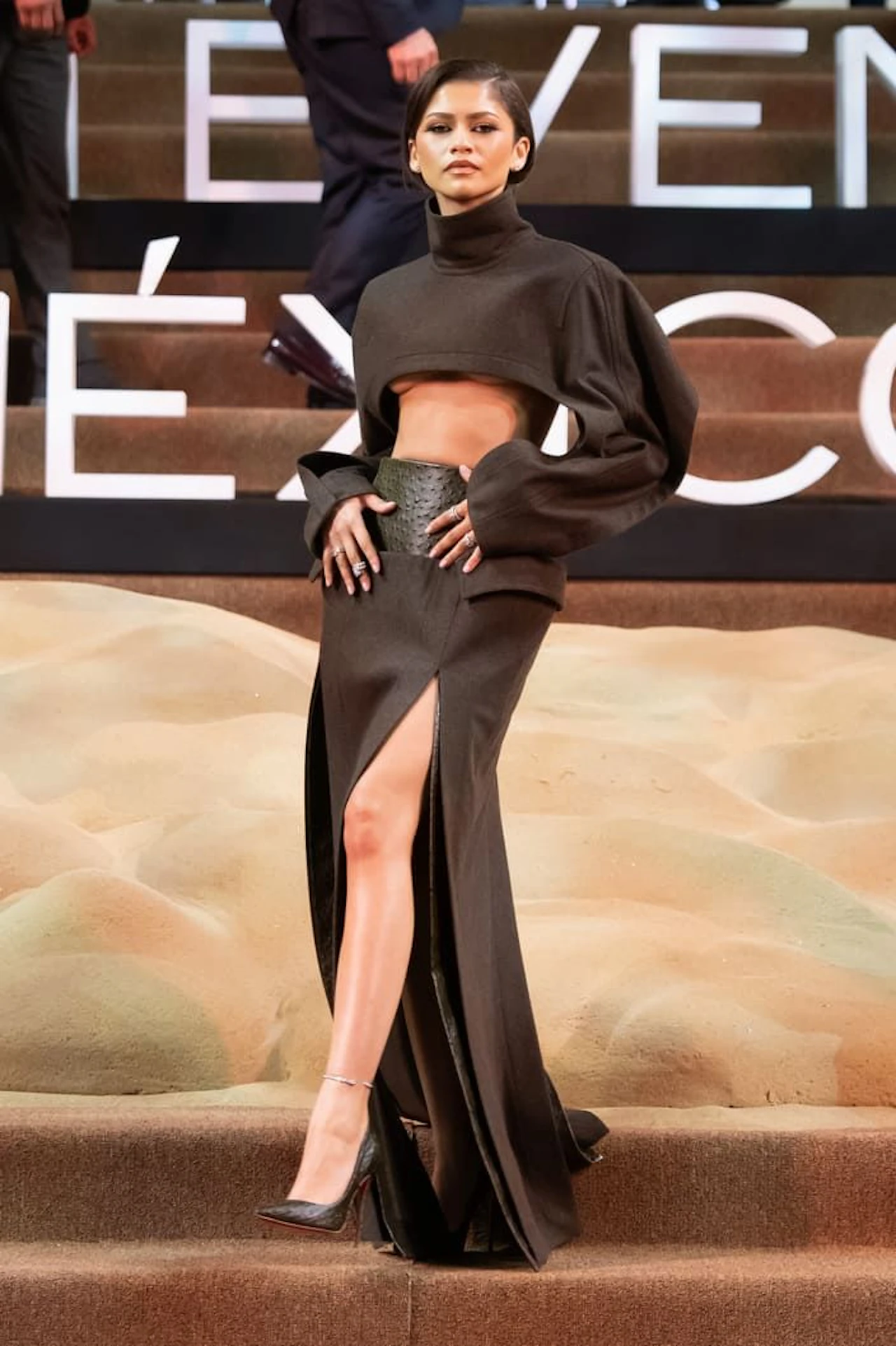
In the era of streaming and fragmented media, the traditional "red carpet" has often felt like an afterthought. However, the Dune premieres, particularly those featuring Zendaya, functioned as a deliberate pivot. Her collaboration with long-time stylist Law Roach to curate "method dressing"—where the clothing mirrors the aesthetic, color palette, or thematic essence of the project—turned the premiere into an immersive marketing device.
For the Dune franchise, this was essential. Frank Herbert’s source material is dense, notoriously difficult to adapt, and historically relegated to a "cult classic" status. By aligning Zendaya—a global fashion icon with massive social media influence—with the brutalist, desert-inflected aesthetic of Arrakis, the production moved the film out of the science fiction ghetto and into the broader luxury lifestyle conversation. This strategy captured the attention of audiences who might otherwise bypass a heavy space opera, establishing the film as an "event" one must attend to remain relevant in cultural discourse.
Strategic Branding: Beyond Traditional Press Junkets
Traditionally, film marketing relied on late-night talk show appearances and print magazine covers. While these channels persist, the Dune strategy prioritized visual storytelling through digital-first channels. When Zendaya walked the red carpet in archival or custom pieces that echoed the textures of Fremen stillsuits or the spice-rich hues of the desert, images were not merely captured by paparazzi; they were curated and shared by millions on platforms like Instagram and TikTok within minutes.
This created a feedback loop. Fans began to associate the Dune aesthetic with Zendaya’s personal brand, creating a parasocial investment in the film’s success. The premiere, therefore, was not just a launch event for a product; it was an activation of a brand identity. The studio, Warner Bros. Pictures, recognized that Zendaya’s personal influence acted as a bridge, humanizing the cold, epic scale of Denis Villeneuve’s vision and making it accessible to a younger, fashion-forward demographic.
Economic Impact on Franchise Viability
The "Dune" premiere events provided a necessary boost to the film’s bottom line by building critical momentum. For a big-budget tentpole release, the opening weekend is the most vital metric for long-term survival. The buzz surrounding the premiere functioned as a sustained marketing campaign that converted curiosity into box office revenue.
| Marketing Channel | Traditional Approach | The "Dune" Premiere Strategy |
|---|---|---|
| Primary Focus | Actor interviews/press junket | Visual storytelling & Method Dressing |
| Audience Reach | Film enthusiasts & critics | Fashion, Lifestyle & Gen-Z consumers |
| Content Lifecycle | Expires after opening weekend | Continues via viral social media clips |
| Main Goal | Awareness | Cultural integration/Prestige |
As indicated in the table above, the shift from purely informational marketing to high-impact, aspirational content allows films to penetrate markets that generic advertising cannot reach. For Dune, this ensured that the project was viewed as a prestige entry in the sci-fi canon rather than just another sequel, which is essential for securing the financial runway needed for subsequent installments.
The Role of Celebrity in Modern Studio Systems
In 2026, the power of a single star to define a project's success is more nuanced than in the past. Zendaya’s involvement illustrates a shift toward the "brand-actor" model. She is not merely an employee of the studio; she is a partner in the franchise's public perception. Her involvement in the premiere signaled to audiences that the film possessed quality and care, as she is known for selecting roles that align with her artistic trajectory.
This endorsement is a form of social currency. When the star of the film treats the premiere as an extension of the art, it elevates the perceived value of the ticket. It tells the audience that the film is worthy of their time and effort. This is particularly important for epics that require a significant investment in time and attention to consume. By grounding the alien, high-concept world of Dune in the relatable, highly stylized presence of a familiar star, the studio lowered the barrier to entry for the uninitiated.
Common Misconceptions About Red Carpet Promotion
Many viewers believe that movie premieres are purely for fans and press coverage. However, these events are highly calculated business maneuvers. A common mistake is viewing the clothing choices or celebrity appearances as "fluff." In reality, the logistics of these premieres involve:
- Venue Selection: Choosing locations that provide high-impact, cinematic backdrops to reinforce the film's visual language.
- Influencer Integration: Inviting creators whose personal aesthetics match the film's vibe to generate organic social media reach.
- Cross-Industry Partnerships: Coordinating with fashion houses to ensure that the garments worn are not just beautiful, but conceptually tied to the film, creating a collaborative "media moment" that spans the entertainment and fashion news cycles.
Future Implications for Film Marketing
The success of the Dune premiere template sets a high bar for future franchise launches. Studios are now looking for "Zendaya-level" integration for their major assets. We are seeing a move away from the "billboard and trailer" model toward one where every touchpoint must offer something shareable, aesthetically distinct, and conceptually aligned with the film’s narrative core.
This puts immense pressure on talent to participate in the marketing process as creative collaborators rather than just figures on a screen. The premiere has evolved from a simple screening event into a theater of brand expression. For future projects, the success or failure of a film may depend as much on the resonance of its pre-release events as it does on the quality of its cinematography.
Frequently Asked Questions
Why was Zendaya’s fashion choice at the premiere considered "method dressing"? Method dressing involves wearing outfits that are thematic to the film’s setting or characters. For Dune, Zendaya wore custom pieces featuring textures reminiscent of the desert sands, metallic elements inspired by Arrakis technology, and silhouettes that mirrored the costume design of the film, effectively making her wardrobe a walking billboard for the movie’s world-building.
Did the premiere actually affect box office performance? While direct causality in film finance is complex, the massive organic reach on social media generated by the premiere images served as a high-value, cost-effective marketing push. It kept the film at the center of the news cycle during the crucial pre-release phase, ensuring high ticket pre-sales and opening weekend buzz.
Is this strategy sustainable for all films? This strategy is most effective for "event" films—large-scale epics or franchises that rely on building a loyal, invested fanbase. Smaller, character-driven dramas may find this approach incongruent with their tone, whereas tentpole blockbusters benefit from the visual spectacle.
How do studios measure the success of a premiere? Success is measured through "earned media value" (the dollar equivalent of the free exposure gained from social shares and press coverage), engagement metrics on digital platforms, and the conversion rate of those interactions into ticket sales or theater foot traffic.
What should fans look for in future premieres? Expect to see more "immersive" events where the environment, the stars’ appearances, and the digital content strategy are all synchronized to create a cohesive brand story, rather than just a series of disconnected photo opportunities.
Recommendation for Further Engagement
To fully appreciate the scope of this phenomenon, analyze the promotional timeline of the Dune films alongside the social media engagement metrics from the dates of their respective premieres. By observing how the visual language of the red carpet shifted the public's perception of "Dune" from a dense, academic book series to a must-see modern cinematic masterpiece, you can better understand the mechanics of contemporary brand management in Hollywood. For those interested in the industry, tracking these events is a practical way to witness the evolution of how we consume and perceive blockbuster cinema in the current decade.
Image Gallery