What Are Animal Collective Nouns: A Complete Guide to Group Terms
Animal collective nouns are specialized terms used to identify specific groups of animals. These evocative names, such as a pride of lions, a murder of crows, or a parliament of owls, often reflect the perceived behaviors, characterist...
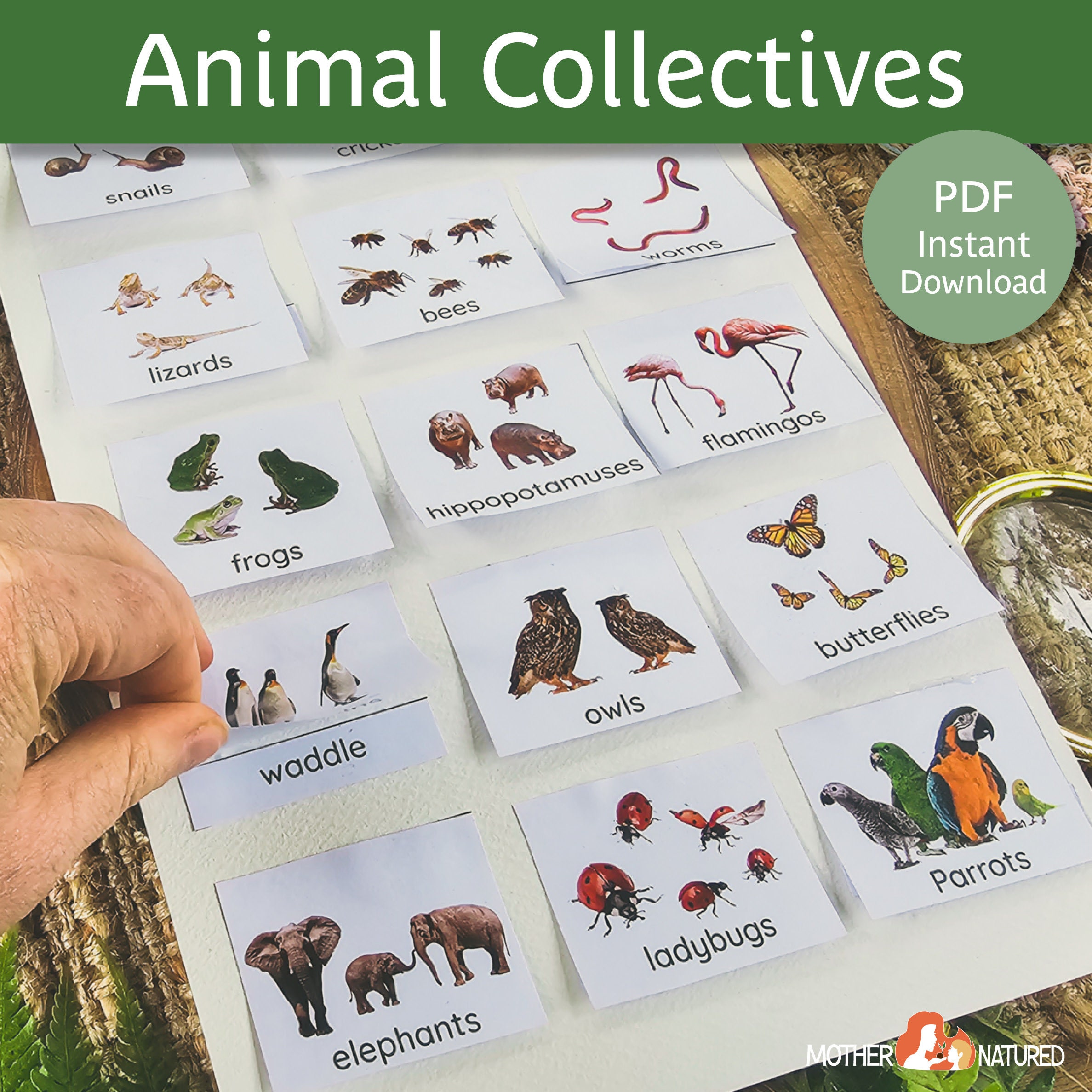
Animal collective nouns are specialized terms used to identify specific groups of animals. These evocative names, such as a pride of lions, a murder of crows, or a parliament of owls, often reflect the perceived behaviors, characteristics, or social structures of the animals they describe, rooted deeply in historical hunting and poetic traditions.
Contents
Understanding the Concept of Nouns of Multitude
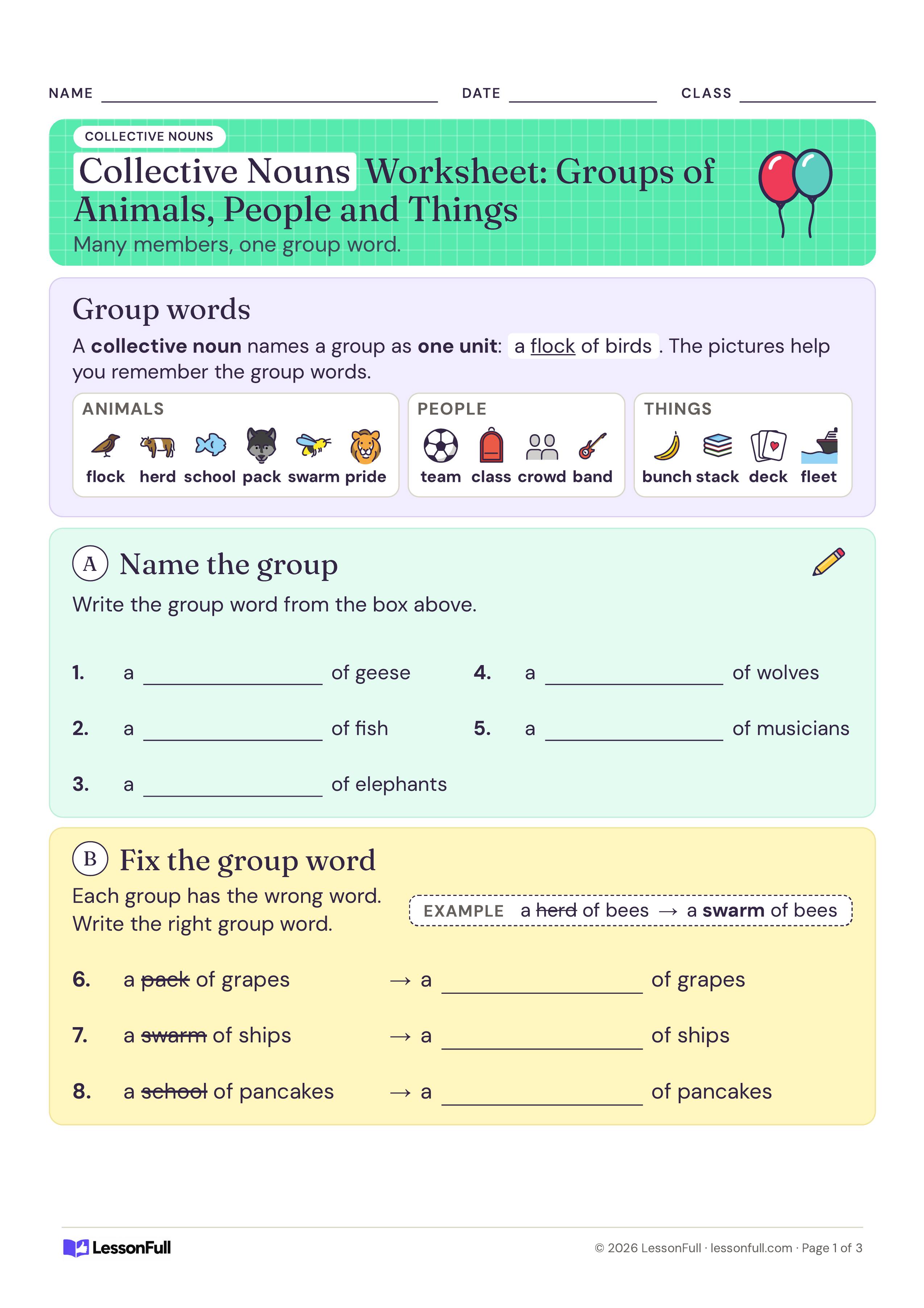
In linguistics, a collective noun is a word that represents a group of people, animals, or things as a single entity. When applied to the animal kingdom, these terms are often referred to as "terms of venery." While modern biology frequently uses generic terms like "group," "herd," or "colony," the English language retains a vast and colorful vocabulary of specific collective nouns that serve both descriptive and cultural purposes.
As of 2026, these terms remain a staple of English literature, educational curricula, and trivia. They function as "nouns of multitude," allowing a speaker to convey more than just the presence of multiple animals; they often convey a sense of the group's atmosphere or the observer's perspective. For example, calling a group of geese a gaggle when they are on the ground versus a skein when they are in flight provides precise situational context that a generic term like "group" lacks.
The Historical Origins: The Book of Saint Albans
The vast majority of the more whimsical animal collective nouns found in English today can be traced back to the Late Middle Ages. The primary source for these terms is the Book of Saint Albans (also known as The Boke of Saint Albans), first published in 1486. This work is attributed to Dame Juliana Berners, who was reportedly the prioress of Sopwell Nunnery.
The book was a compilation of essays on hawking, hunting, and heraldry—essential knowledge for the gentry of the 15th century. At the time, using the "correct" term for a group of animals was a mark of social status and education. A gentleman was expected to know that one does not simply see a "group" of ravens; one sees an unkindness of ravens. These terms were created as a form of linguistic play, often utilizing personification or reflecting the superstitious beliefs of the era.
While many of these terms fell out of common usage as hunting moved from a survival necessity and social ritual to a regulated sport, they were preserved by lexicographers and poets. By the 19th and 20th centuries, these "terms of venery" were cemented in the English language as quirky but legitimate collective nouns.
How Collective Nouns Are Classified
Animal collective nouns are not assigned randomly. Linguists generally categorize their formation into four distinct styles based on how the group is perceived:
1. Behavior-Based Terms
Many terms describe what the animals are doing or how they interact. A shrewdness of apes reflects their perceived intelligence and mischievous nature. Similarly, a skulk of foxes describes the animal's natural tendency to move quietly and hide. These terms act as a shorthand for the animal's temperament.
2. Sound-Based Terms
Some nouns mimic the auditory experience of encountering the group. A gaggle of geese captures the chaotic noise of their vocalizations. An exaltation of larks refers to the beautiful, soaring song of the birds as they rise into the sky.
3. Appearance-Based Terms
These terms focus on the visual impact of the group. A knot of toads accurately describes the tangled appearance of a group of these amphibians during mating season. A cloud of grasshoppers or a shiver of sharks uses imagery to convey the sheer number or the visceral reaction a human might have when seeing them.
4. Habitat or Social Structure Terms
Some nouns are more functional, describing where the animals live or how they are organized. A colony of ants or a hive of bees refers to their structured living environments. A school of fish (derived from the Dutch word school, meaning a troop or crowd) refers to their synchronized swimming patterns.
Grammatical Rules for Using Collective Nouns
A common point of confusion for writers in 2026 is whether a collective noun should be paired with a singular or plural verb. The answer depends largely on regional dialects and the intended meaning of the sentence.
American English vs. British English
In American English, collective nouns are almost always treated as singular entities. For example: "The herd of elephants is migrating south." The focus is on the group acting as a single unit.
In British English, collective nouns are often treated as plural, especially if the speaker wants to emphasize the individuals within the group: "The pride of lions are spreading out to hunt." Both are technically correct within their respective geographic standards, but consistency within a single document is essential.
The "Of" Construction
When using the construction "[Collective Noun] of [Animals]," the verb typically agrees with the collective noun, not the animal.
- Correct: A business of ferrets is sleeping.
- Incorrect: A business of ferrets are sleeping. (Unless using British conventions where the group's individuality is emphasized).
Comprehensive List of Animal Collective Nouns
The following table provides a reference for some of the most common and historically significant collective nouns used in the English language.
| Animal Type | Collective Noun | Origin/Context |
|---|---|---|
| Apes | Shrewdness | Refers to their playful, cunning behavior. |
| Bears | Sleuth (or Sloth) | Derived from their slow movement or "sleuthing" for food. |
| Buffalo | Obstinacy | Refers to their stubborn and powerful nature. |
| Crows | Murder | Originates from folk tales of crows judging and killing peers. |
| Eagles | Convocation | Refers to a formal assembly or gathering. |
| Elk | Gang | Used primarily in North America for social groupings. |
| Ferrets | Business | A corruption of the word "busyness," reflecting their activity. |
| Flamingos | Flamboyance | Describes their bright, vibrant coloration. |
| Giraffes | Tower | Refers to their incredible height when standing together. |
| Hyenas | Cackle | Based on the unique vocalizations they produce. |
| Jellyfish | Smack | Describes the physical sensation of encountering a group. |
| Lemurs | Conspiracy | A whimsical term for their social bonding behaviors. |
| Leopards | Leap | A play on the animal's name and its predatory actions. |
| Owls | Parliament | Popularized by C.S. Lewis, referencing their "wise" appearance. |
| Parrots | Pandemonium | Captures the loud, chaotic noise of a tropical flock. |
| Peacocks | Ostentation | Refers to the showy, prideful display of their feathers. |
| Ravens | Unkindness | From a medieval belief that ravens were not caring parents. |
| Rhinos | Crash | Refers to the noise and force of a charging group. |
| Starlings | Murmuration | Describes the sound of thousands of wings in flight. |
| Whales | Pod | A standard term for a small social group of marine mammals. |
The Role of Collective Nouns in Modern Science
While the "Book of Saint Albans" terms are linguistically rich, it is important to distinguish them from modern scientific terminology. In zoology and ethology, researchers often prefer neutral terms to avoid anthropomorphism (attributing human traits to animals).
For example, a scientist studying Corvid behavior is more likely to use the term "social group" or "aggregation" rather than a "murder" of crows. However, certain collective nouns have been adopted into technical language. The term pod is the standard scientific designation for groups of cetaceans (whales and dolphins), and pride remains the standard term for the social structure of Panthera leo.
Understanding this distinction is vital for academic writing. If you are writing a creative essay or a literary piece, "a wisdom of wombats" is acceptable and charming. If you are writing a peer-reviewed biology paper, sticking to "population" or "colony" is the safer professional choice.
Common Mistakes and Misconceptions
One of the most frequent errors is the invention of collective nouns that have no historical or linguistic basis. While the language is fluid, "a selfie of kangaroos" is not a recognized collective noun, even if it might be clever in a social media context.
Another common mistake is misusing the term herd. While "herd" is a safe fallback for most hooved herbivores (cattle, deer, goats), it is technically incorrect for animals like lions (pride), wolves (pack), or whales (pod). Using the specific term demonstrates a higher level of linguistic precision and subject-matter expertise.
Finally, avoid overusing these terms in a single piece of writing. While a "prowl of jaguars" is a beautiful phrase, a paragraph filled with "an intrusion of cockroaches" and "a rhumba of rattlesnakes" can become difficult to read and may seem like "purple prose."
Frequently Asked Questions
Why is a group of crows called a murder?
The term "murder of crows" likely stems from old folk tales and superstitions. Crows are scavengers and were often seen hovering over battlefields or near gallows. Additionally, there was a belief that crows would hold "trials" for members of their flock that had offended the group, resulting in the group attacking and killing the individual.
What is the collective noun for a group of humans?
While "crowd," "group," or "audience" are common, English also possesses specific collective nouns for humans based on their profession or state, such as a panel of experts, a congregation of worshippers, or a staff of employees. Historically, some whimsical terms included a blast of hunters or a melody of harpers.
Are collective nouns still being created?
Yes, language is evolving. While the classic terms date back to the 15th century, new terms occasionally enter the lexicon through popular culture. For example, a puddle of platypuses is a relatively modern addition that has gained some traction in educational settings, though it lacks the centuries-old pedigree of a "herd."
Is "flock" always correct for birds?
"Flock" is a generic and technically correct term for any group of birds. However, using more specific terms like a colony of penguins, a murmuration of starlings, or a wedge of swans (when flying in a V-formation) provides more descriptive power and accuracy regarding the species' behavior.
What is a group of cats called?
A group of domestic cats is most commonly called a clowder. If the group consists of kittens from the same mother, it is a litter. If the cats are feral or unrelated, they are sometimes referred to as a glaring of cats.
Conclusion and Next Actions
Animal collective nouns are a testament to the richness and history of the English language. They bridge the gap between functional communication and poetic description. Whether you are a student, a writer, or a nature enthusiast, mastering these terms allows for more vivid storytelling and precise communication.
To further your knowledge, consider exploring the Oxford English Dictionary for etymological roots or visiting the Audubon Society to learn about the specific social behaviors that led to the naming of various bird groupings. For your next writing project, try incorporating one specific collective noun—such as a memory of elephants—to add depth and character to your prose.
Image Gallery