Brooke Burke’s Dancing with the Stars Career: Contestant Victory and Hosting Legacy
Brooke Burke’s involvement with Dancing with the Stars (DWTS) spanned several pivotal years, beginning with her winning performance as a contestant in Season 7 (2008) and followed by a seven-season tenure as co-host (Seasons 10–17). He...
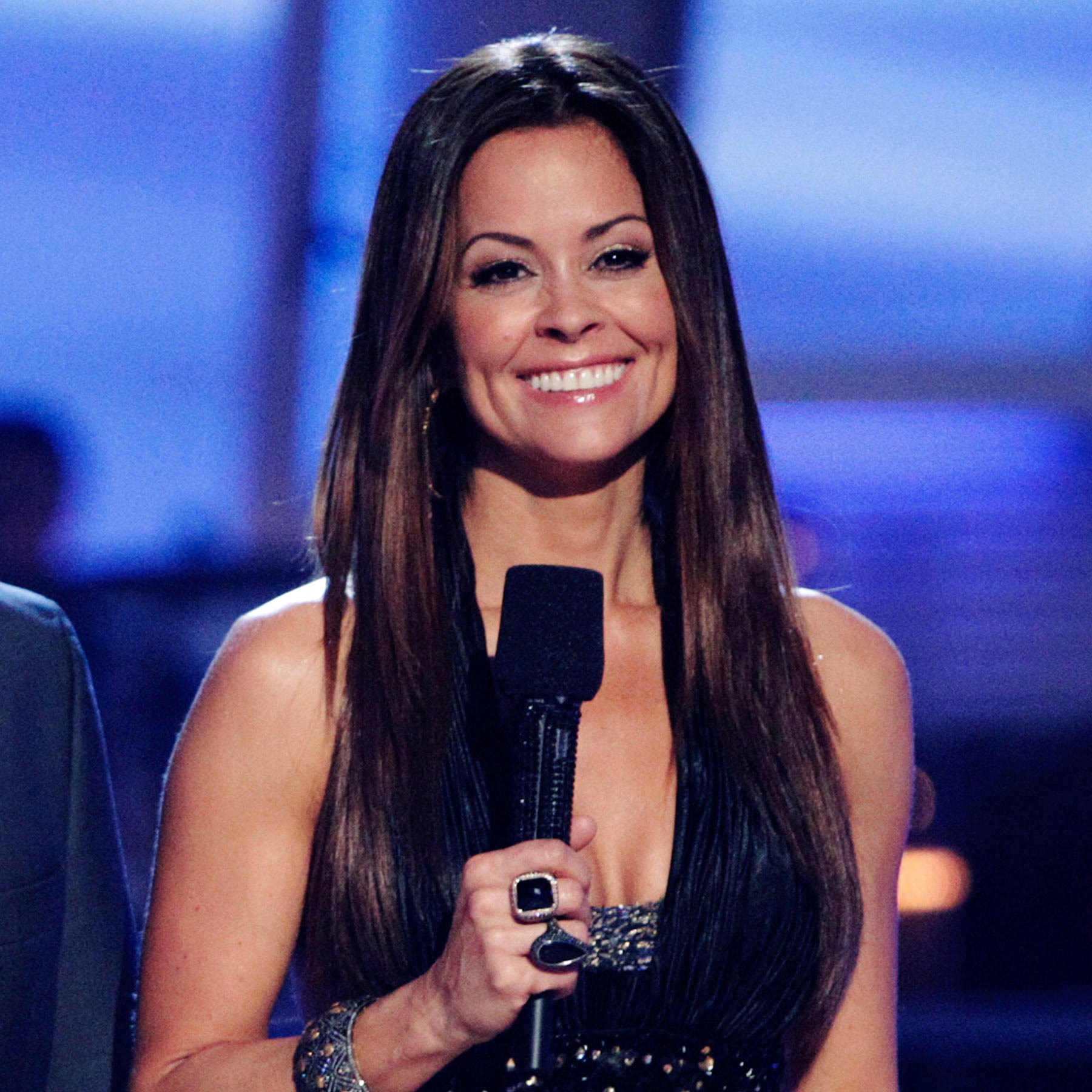
Brooke Burke’s involvement with Dancing with the Stars (DWTS) spanned several pivotal years, beginning with her winning performance as a contestant in Season 7 (2008) and followed by a seven-season tenure as co-host (Seasons 10–17). Her journey from the ballroom floor to the interviewing platform remains a definitive era in the show’s production history.
Contents
The Season 7 Breakthrough: Winning the Mirrorball Trophy
In the fall of 2008, Brooke Burke joined the cast of Dancing with the Stars Season 7, a period when the show was at the height of its cultural influence. Partnered with professional dancer Derek Hough, Burke entered the competition with significant public scrutiny. While her background as a model and television host provided her with stage presence, she had no formal ballroom training.
The partnership with Hough proved to be one of the most successful in the show's history. Hough, known for his innovative choreography and demanding technical standards, pushed Burke to execute complex routines that frequently topped the leaderboard. From the first week, Burke established herself as the "one to beat," scoring a 23/30 for her initial Cha-cha-cha.
Throughout the season, Burke and Hough maintained a high scoring average. Their performances were characterized by technical precision, particularly in the Latin rounds. Their Jive in Week 6 and their Mambo in Week 7 were highlights that solidified their path to the finals. During the finale, Burke competed against Super Bowl champion Warren Sapp and NSYNC member Lance Bass. Her Freestyle routine, which emphasized her athleticism and synchronization with Hough, ultimately secured her the Mirrorball Trophy on November 25, 2008.
The Technical Evolution of Her Performances
Burke’s success was not merely a matter of popularity; it was rooted in technical improvement. In the early weeks, judges Len Goodman, Carrie Ann Inaba, and Bruno Tonioli often critiqued her for being "too perfect" or lacking emotional connection. By mid-season, Burke adjusted her approach, focusing on the storytelling aspects of the Viennese Waltz and the passion required for the Paso Doble.
This transition from a technical technician to an expressive performer is a core part of the "winner’s arc" that DWTS producers look for. Her victory served as a masterclass in how to leverage a professional partnership to overcome early-season plateauing.
From the Ballroom Floor to the Microphone: The Hosting Era
Following her victory, the producers of Dancing with the Stars recognized Burke’s natural rapport with the audience and the cast. In 2010, following the departure of previous co-host Samantha Harris, Burke was invited back to the show—not as a dancer, but as the permanent co-host alongside the legendary Tom Bergeron.
Starting with Season 10, Burke took over the duties of the "Green Room" (or "Celebrity Aquarium"), where she interviewed couples immediately after their performances and scores. This role required a delicate balance of empathy, timing, and technical knowledge of the show's format.
Synergy with Tom Bergeron
The chemistry between Tom Bergeron and Brooke Burke was a cornerstone of the show’s middle years. Bergeron, known for his quick-witted, often acerbic humor, provided the anchor for the live broadcast, while Burke provided a more grounded, supportive presence for the contestants. Her firsthand experience as a winner gave her unique credibility when interviewing celebrities who were struggling with the physical and mental demands of the competition.
During her tenure, the show underwent several format changes, including the introduction of "Double Elimination" nights and themed weeks like "Classical Week" and "Rock Week." Burke remained a consistent factor through these shifts, providing a sense of stability as the professional dancer lineup began to rotate.
Statistical Overview of Brooke Burke’s Season 7 Performance
To understand the magnitude of Burke's victory, it is essential to look at the scoring data. The following table highlights the key milestones during her competitive run in 2008.
| Week | Dance Style | Score (out of 30) | Status |
|---|---|---|---|
| 1 | Cha-cha-cha | 23 | Safe |
| 2 | Quickstep | 26 | Leaderboard High |
| 4 | Samba | 26 | High Score |
| 6 | Jive | 30 | Perfect Score |
| 7 | Foxtrot/Team Paso Doble | 30 / 29 | Dominant Lead |
| 9 (Semis) | Jive / Salsa | 21 / 28 | Scoring Dip (Jive) |
| 10 (Finals) | Samba / Freestyle | 28 / 30 | Season Winner |
Note: Scores reflect the traditional three-judge panel system used during Season 7.
The 2014 Departure: Impact and Industry Shift
In February 2014, just days before the premiere of Season 18, it was announced that Brooke Burke would not be returning to Dancing with the Stars. She was replaced by Erin Andrews, a sports reporter and former DWTS contestant. The news was met with significant surprise from fans and Burke herself, who publicly stated that the firing was a "shock" and that she had been looking forward to the upcoming season.
Reasons for the Transition
The decision to replace Burke was widely viewed as an attempt by ABC and the production company, BBC Worldwide, to "refresh" the brand and target a younger demographic. Erin Andrews brought a background in live sports broadcasting, which producers hoped would inject more energy and "edge" into the post-dance interviews.
This move highlighted a broader trend in reality television during the mid-2010s: the prioritization of social media engagement and a faster-paced delivery over traditional hosting styles. Despite the abrupt end to her hosting stint, Burke’s departure marked the end of an era that many fans still regard as the show's "Golden Age."
Legacy and Long-Term Impact on Reality Television
Brooke Burke’s legacy on Dancing with the Stars is two-fold. As a competitor, she set a high bar for female celebrities, demonstrating that technical precision could win over both the judges and the voting public. As a host, she proved that a former contestant could successfully transition into a production role, a path later followed by others in various reality formats.
Post-DWTS, Burke transitioned her visibility into a successful wellness and fitness empire. Her "Brooke Burke Body" platform, which remains active in 2026, leverages the fitness-forward image she cultivated during her intense training sessions for the Mirrorball Trophy. She also continued hosting other programs, including Penn & Teller: Fool Us and several wellness-centric podcasts.
Her time on the show also served as a case study in celebrity branding. Burke managed to use her tenure to pivot from a "personality" to a "lifestyle authority," a move that has sustained her career long after leaving the ballroom.
Frequently Asked Questions
Who was Brooke Burke's professional partner on DWTS?
Brooke Burke was partnered with Derek Hough during Season 7. Their partnership was highly successful, resulting in a first-place finish and Hough's first-ever Mirrorball Trophy win. Hough would go on to become the most successful professional in the show's history before becoming a judge.
How many seasons did Brooke Burke host?
Brooke Burke co-hosted Dancing with the Stars for seven seasons, specifically from Season 10 (2010) through Season 17 (2013). She worked alongside lead host Tom Bergeron throughout her entire tenure.
Why did Brooke Burke leave Dancing with the Stars?
Burke did not leave voluntarily; she was replaced by ABC executives in early 2014. The network sought to "tweak" the show's format and demographic appeal, choosing to bring in Erin Andrews as her successor. Burke described the decision as unexpected and abrupt.
What was Brooke Burke's average score during her winning season?
During Season 7, Burke maintained an exceptionally high average of approximately 27.1 out of 30. She was one of the few contestants in the show's early history to receive multiple perfect scores throughout the competition.
Did Brooke Burke win any awards for her hosting?
While she did not win a personal Emmy for her hosting on DWTS, the show itself won multiple Primetime Emmy Awards for Outstanding Reality-Competition Program and technical categories during her years as co-host.
What is Brooke Burke doing now in 2026?
As of 2026, Brooke Burke continues to operate her digital fitness platform, Brooke Burke Body, which offers curated workout programs and wellness retreats. She remains a prominent figure in the health and fitness industry and occasionally appears as a guest commentator for entertainment news outlets.
Practical Recommendation for Fans and Researchers
For those looking to revisit Brooke Burke’s most influential moments on the show, it is recommended to view the archives of the Season 7 Finale and the Season 10 Premiere. These episodes represent the bookends of her transition from a top-tier competitor to a seasoned broadcaster. For a deeper look at her technical dance progression, the official Dancing with the Stars YouTube channel often features "Best Of" retrospectives that include her perfect-score Jive and Freestyle routines.
Image Gallery