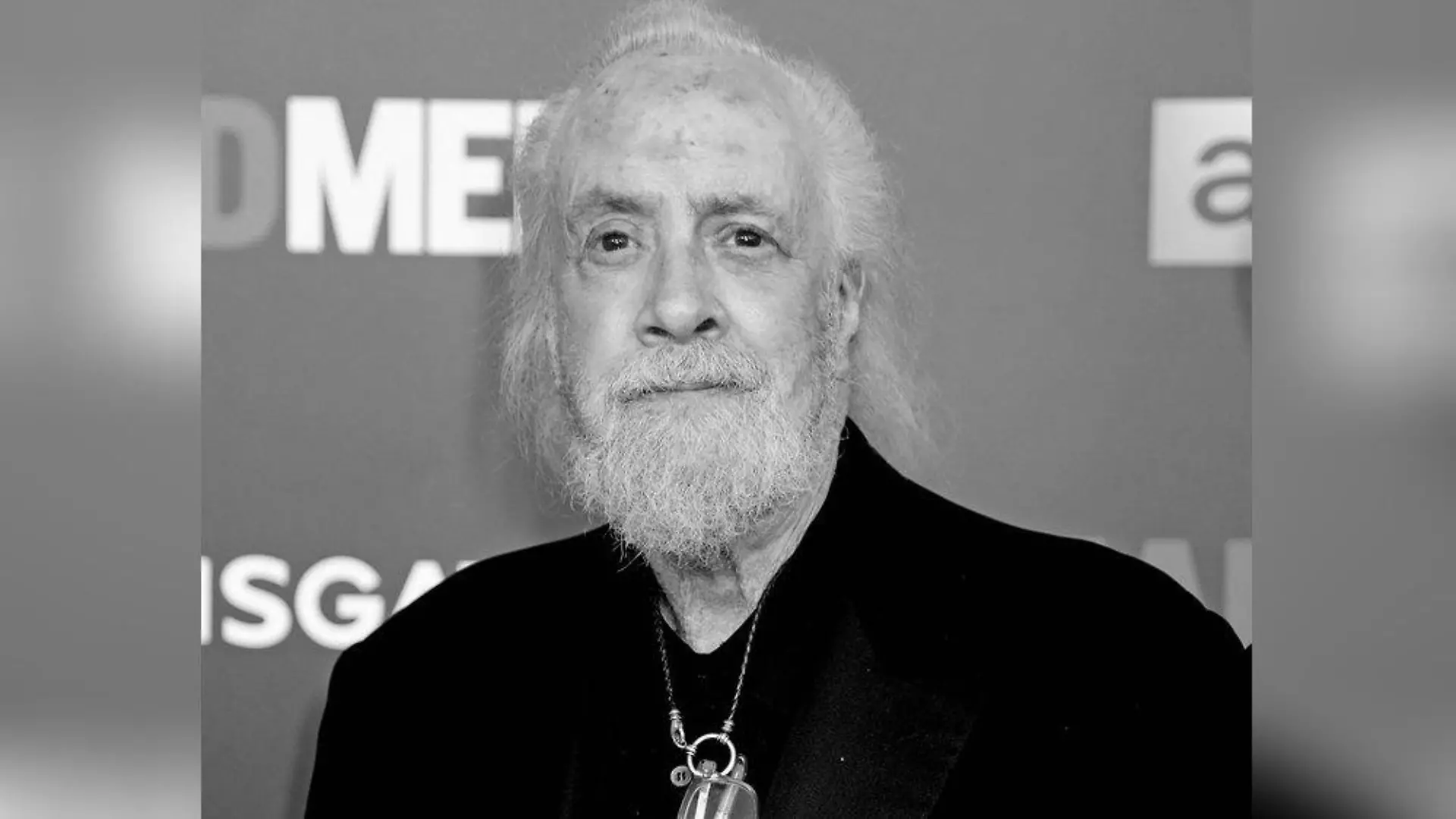
Robert Towne Cause of Death Explained: The Legacy of a Screenwriting Giant
Robert Towne, the Oscar-winning screenwriter of Chinatown, died on July 1, 2024, at the age of 89. His publicist, Carri McClure, confirmed that he passed away peacefully at his home in Los Angeles surrounded by family. The official cau...
Robert Towne, the Oscar-winning screenwriter of Chinatown, died on July 1, 2024, at the age of 89. His publicist, Carri McClure, confirmed that he passed away peacefully at his home in Los Angeles surrounded by family. The official cause of death was attributed to natural causes related to his advanced age.
Contents
The passing of Robert Towne marked the end of an era for the "New Hollywood" movement of the 1970s. As we look back from the perspective of 2026, his influence remains a cornerstone of cinematic education. Towne was not merely a writer; he was a "script doctor" whose invisible hand shaped some of the greatest films in history. While his death was a quiet conclusion to a legendary life, the circumstances of his passing reflect a man who remained in his beloved Los Angeles until the very end, having spent decades immortalizing the city's complex history on screen.
The Final Chapter in Los Angeles
When news broke in mid-2024 that Robert Towne had passed, the film industry paused to recognize a writer who many considered the greatest of his generation. At 89 years old, Towne had lived a full life that spanned the transition from the old studio system to the auteur-driven era of the 1970s and into the modern blockbuster age.
The report of natural causes is a standard designation used when an individual of advanced age passes away without a specific, acute illness or traumatic event being the primary catalyst. For Towne, this meant a peaceful departure in the comfort of his own home. He was survived by his wife, Luisa Towne, and his daughters, Katherine and Chiara. His passing was private, mirroring the way he often preferred to work—behind the scenes, refining the voices of others while maintaining a distinct, sharp perspective on the human condition.
Understanding the "Natural Causes" Designation
In the context of a public figure like Robert Towne, "natural causes" often leads to questions about his general health in his final years. While Towne had remained relatively active in the industry well into his 80s—consulting on projects and participating in retrospectives of his work—the physiological realities of aging eventually take their toll.
In medical and legal terms, a death by natural causes is one that occurs due to internal factors, such as the gradual failure of bodily systems (heart, lungs, or kidneys) that have simply reached the end of their functional lifespan. For a man of 89, this is the most common outcome. There were no reports of Towne battling long-term degenerative diseases like Alzheimer’s or Parkinson’s, nor were there sudden reports of cancer treatments. By all accounts from those close to him, his mind remained sharp, even as his physical health naturally declined with age.
The Chinatown Legacy: A Masterclass in Writing
You cannot discuss Robert Towne’s life or death without examining the work that defined him. Chinatown (1974) is frequently cited by the American Film Institute and film schools worldwide as the "perfect screenplay."
Towne’s screenplay for Chinatown did more than just tell a detective story; it explored the corrupt soul of Los Angeles through the lens of its water rights and urban development. His ability to weave complex historical facts with a hard-boiled noir narrative created a template for modern screenwriting. Interestingly, the film's famous, tragic ending was not Towne's original vision—he had initially written a more hopeful conclusion where the protagonist saves the girl. It was director Roman Polanski who insisted on the darker ending. This creative tension resulted in a masterpiece that earned Towne the Academy Award for Best Original Screenplay.
The Invisible Architect: Towne as a Script Doctor
Beyond his credited masterpieces, Robert Towne was legendary for his uncredited work as a "script doctor." This role involves coming onto a project in trouble and rewriting scenes, sharpening dialogue, or fixing structural issues.
Perhaps his most famous contribution in this capacity was to Francis Ford Coppola’s The Godfather. During the 1973 Academy Awards, Coppola famously thanked Towne from the stage for writing the poignant scene between Vito Corleone (Marlon Brando) and Michael Corleone (Al Pacino) in the garden. This scene provided the emotional core of the father-son transition, and it was written by Towne overnight.
His ability to jump into a production and find the "heart" of a story made him the most sought-after writer in Hollywood. He also contributed significantly to Bonnie and Clyde, helping to refine the character dynamics that would eventually spark the New Hollywood revolution.
Robert Towne’s Major Filmography and Accolades
To understand the breadth of Towne's career, it is helpful to look at the diversity of his projects. From gritty 1970s dramas to 1990s action spectacles, his range was unparalleled.
| Year | Title | Role | Key Achievement |
|---|---|---|---|
| 1973 | The Last Detail | Screenwriter | Academy Award Nomination |
| 1974 | Chinatown | Screenwriter | Academy Award Winner |
| 1975 | Shampoo | Co-writer | Academy Award Nomination |
| 1978 | Heaven Can Wait | Uncredited Writer | Critical & Commercial Success |
| 1982 | Personal Best | Director/Writer | Directorial Debut |
| 1988 | Tequila Sunrise | Director/Writer | Stylish Neo-Noir Hit |
| 1990 | Days of Thunder | Screenwriter | Established modern racing tropes |
| 1996 | Mission: Impossible | Screenwriter | Launched a multi-billion dollar franchise |
| 2006 | Ask the Dust | Director/Writer | Long-time passion project |
The "New Hollywood" Context
Robert Towne was a central figure in the movement that saw the rise of directors like Martin Scorsese, Steven Spielberg, and Francis Ford Coppola. This era moved away from the glossy, sanitized films of the 1950s toward grittier, more realistic, and morally ambiguous storytelling.
Towne’s writing style was characterized by its economic dialogue and deep subtext. He understood that what characters don't say is often more important than what they do say. This maturity in writing allowed actors like Jack Nicholson and Warren Beatty to deliver some of their most nuanced performances. His death in 2024 was seen by many as a signal of the fading of this specific artistic era, where the writer was held in as high regard as the director.
Personal Life and Industry Impact
Robert Towne’s personal life was often intertwined with his professional one. His close friendship with Jack Nicholson led to some of the most iconic collaborations in cinema history. His daughter, Katherine Towne, also entered the industry as an actress, carrying on the family's creative legacy.
In his later years, Towne remained a mentor to many young writers. He was known for his vast knowledge of Los Angeles history and his insistence on rigorous research. He often told students that a writer must know everything about a subject before they can begin to simplify it for the screen. This dedication to craft is why his scripts, particularly The Last Detail and Shampoo, are still used as primary texts in writing seminars as of 2026.
FAQ: Common Questions About Robert Towne’s Death and Career
Did Robert Towne have any known illnesses before he died?
No specific long-term illnesses were publicly disclosed prior to his death. His publicist and family consistently stated that his passing was due to natural causes. At 89, his health had naturally declined, but he was not reported to be suffering from a specific chronic condition that led to his death.
Where was Robert Towne buried?
The family chose to keep the funeral arrangements private. However, it was confirmed that he passed away at his residence in Los Angeles. Given his deep connection to the city, his final arrangements remained local to the Southern California area.
What was Robert Towne's last project?
Before his death, Towne had been working on a prequel series for Chinatown intended for Netflix, collaborating with director David Fincher. He had reportedly completed several scripts for the project, which remains a highly anticipated piece of his posthumous legacy.
Was Robert Towne still writing at the time of his death?
Yes. Robert Towne was known for his work ethic and continued to develop projects and consult on scripts well into his late 80s. He viewed writing not just as a profession but as a way of processing the world around him.
How did the film industry react to his passing?
The reaction was one of profound respect. Figures like Francis Ford Coppola, James L. Brooks, and various screenwriting guilds issued statements calling him the "conscience of Hollywood writing." Many highlighted that without Towne, the "Golden Age" of 70s cinema would have looked very different.
Final Recommendation for Film Enthusiasts
To truly understand the "cause" of Robert Towne's lasting fame, one should look beyond the headlines of his passing and toward his written word. For those interested in the art of storytelling, the best way to honor his legacy is to watch Chinatown with a focus on the dialogue or read his screenplay for The Last Detail.
His work serves as a reminder that in an industry often dominated by visual effects and spectacle, the foundation of every great film is a well-constructed script. Robert Towne’s death was a natural end to a life defined by extraordinary creative output, and his scripts will likely remain the standard for excellence for as long as movies are made.
Image Gallery