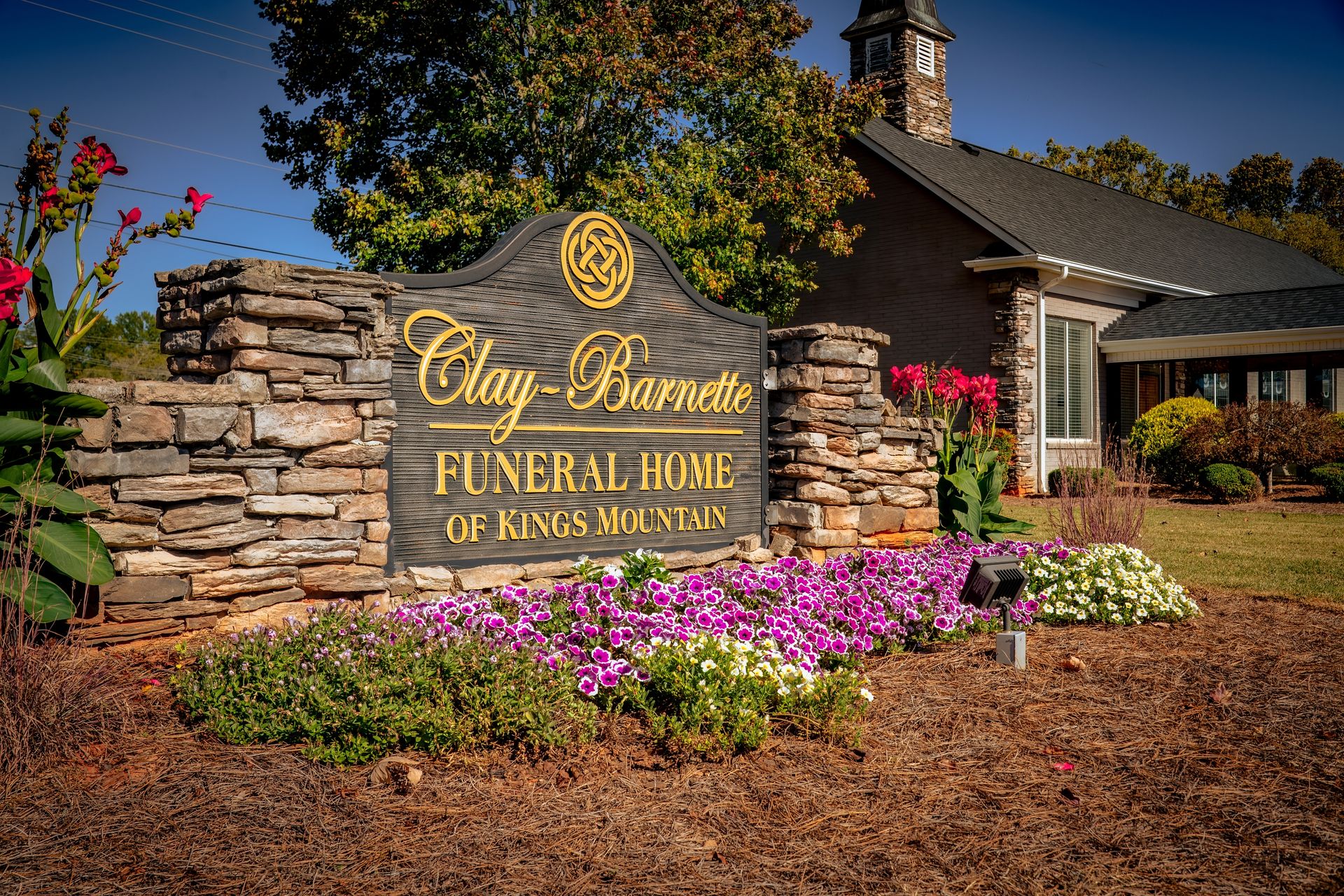
Navigating Services at Clay-Barnette Funeral Home in Shelby, NC
Clay-Barnette Funeral Home, located at 1401 West Dixon Boulevard in Shelby, North Carolina, serves as a primary provider of funeral, cremation, and memorial planning services for Cleveland County families. As of 2026, the facility main...
Clay-Barnette Funeral Home, located at 1401 West Dixon Boulevard in Shelby, North Carolina, serves as a primary provider of funeral, cremation, and memorial planning services for Cleveland County families. As of 2026, the facility maintains comprehensive professional standards for handling final arrangements, including traditional burials, direct cremations, and personalized celebration-of-life services, ensuring compliance with both North Carolina state regulations and federal consumer protection guidelines regarding funeral industry practices.
Contents
Understanding Professional Funeral Services in Cleveland County
Selecting a funeral home is a significant decision that involves both emotional considerations and logistical planning. When families in Shelby and the surrounding areas of Kings Mountain, Boiling Springs, and Lawndale look toward Clay-Barnette Funeral Home, they are engaging with an institution that facilitates the legal, bureaucratic, and ceremonial aspects of death care.
In the state of North Carolina, the North Carolina Board of Funeral Service regulates the industry to ensure that providers maintain ethical practices, transparent pricing, and sanitary operations. Professional funeral directors perform several critical functions:
- Documentation Management: Filing the official death certificate with the local registrar and obtaining necessary burial or cremation permits.
- Logistics Coordination: Scheduling services, managing transportation of the deceased, and coordinating with cemeteries or crematory facilities.
- Facility Oversight: Providing a climate-controlled, secure environment for visitation, private viewings, and funeral ceremonies.
- Support Services: Assisting families with obituary placement, insurance claim paperwork, and Social Security notification processes.
Core Offerings and Service Classifications
Clay-Barnette Funeral Home provides a structured menu of services designed to accommodate various cultural, religious, and financial preferences. In 2026, the industry standard emphasizes the "General Price List" (GPL), a federally mandated document under the FTC Funeral Rule. This document allows consumers to compare costs for specific services before making a final commitment.
Traditional Burial Services
Traditional services generally include professional services of the staff, embalming, use of the funeral home facilities for visitation and ceremonies, transportation (hearse and limousine), and assistance with cemetery coordination. Families often select these services for the structure and finality they provide during the grieving process.
Cremation Options
Cremation has become an increasingly popular choice for many families due to its flexibility. Options range from "Direct Cremation" (the most economical choice, which does not involve a traditional viewing or ceremony) to "Cremation with Memorial Service." In the latter, the family may hold a service where the urn is present, either before or after the cremation process has occurred.
Memorialization and Personalization
Modern funeral practices in 2026 prioritize personalization. This involves incorporating the deceased's personality into the service through music, photo slideshows, displays of personal memorabilia, and unique burial containers or urns.
| Service Category | Description | Primary Goal |
|---|---|---|
| Traditional Funeral | Full service with visitation and burial | Formal farewell and family gathering |
| Graveside Service | Service held directly at the burial site | Simplicity and focus on interment |
| Memorial Service | Ceremony without the presence of the body | Flexibility in timing and location |
| Direct Cremation | Immediate cremation without prior ceremony | Cost-effectiveness and simplicity |
Navigating the Planning Process: A Step-by-Step Guide
When a death occurs, families are often overwhelmed by the volume of tasks that require immediate attention. Understanding the sequence of events can help reduce stress during this period.
- Immediate Notification: Contact the funeral home as soon as a death occurs, particularly if the death happens at home. If the death occurs in a hospital or nursing facility, the staff will usually notify the funeral home on your behalf.
- The Arrangement Conference: This is an in-person meeting where the funeral director guides the family through the selection of services and merchandise (caskets, urns, vaults).
- Vital Statistics Collection: Be prepared to provide the deceased's full legal name, social security number, birth date, place of birth, and parents' names (including mother's maiden name). These are required for the death certificate.
- Service Planning: Determine the date, time, and location of the service. Decide whether clergy, celebrants, or family members will lead the proceedings.
- Finalizing Financials: Funeral homes typically require payment or assignment of insurance proceeds before or at the time of the service. Review all costs on the GPL to ensure full transparency.
Financial Considerations and Insurance Assignments
Managing the costs associated with funeral services requires an understanding of both the costs of goods and services and any pre-existing financial plans.
- Pre-need Insurance: Many individuals purchase funeral insurance or pre-fund their funerals years in advance. If a policy exists, the funeral home will need the policy documentation to verify coverage and initiate the claim process.
- Government Benefits: Eligible veterans may be entitled to burial benefits through the Department of Veterans Affairs. Families should provide a copy of the DD-214 discharge papers to the funeral home staff to verify eligibility for honors, markers, or interment in a National Cemetery.
- Standard Payment Methods: In 2026, most funeral providers accept major credit cards, personal checks, and verified life insurance assignments. Always request a written estimate and a copy of the final contract before any services are rendered.
Frequently Asked Questions
What is the purpose of the General Price List (GPL)? The GPL is a federally mandated document provided by funeral homes that itemizes every service and product they offer along with the corresponding costs. It allows consumers to choose only the items they want and need, preventing the forced purchase of bundled packages.
What documentation is needed to finalize a death certificate in North Carolina? You will need the deceased’s full name, social security number, address, date and place of birth, parents' names, and information regarding their military service and education. The funeral director will work with the attending physician or medical examiner to complete the medical portion of the certificate.
Can I hold a memorial service even if I choose direct cremation? Yes. Direct cremation does not preclude the family from holding a service. Many families choose to hold a memorial service days or even weeks after the cremation, allowing more time for out-of-town family members to gather and for the planning of a personalized tribute.
How does the funeral home assist with life insurance claims? The funeral director can provide the necessary documentation, including certified death certificates, to the life insurance company. While the funeral home cannot process the claim itself, they act as an intermediary to help ensure the necessary paperwork is submitted correctly to secure funding for funeral expenses.
Is embalming required by law in North Carolina? No, embalming is not required by North Carolina law for most deaths. However, it may be required by certain venues if there is an extended delay before a public viewing or if the body is to be transported via common carrier (such as an airline). Your funeral director will advise you based on your specific requirements.
Practical Recommendations for Families
For those currently navigating a loss or planning for the future, the primary recommendation is to prioritize open communication with the funeral director. Because the bereavement process is emotionally taxing, consider appointing one primary point of contact (often the next of kin) to coordinate with the funeral home. This reduces confusion and ensures that instructions are consistent.
Furthermore, always review the itemized statement of goods and services provided by the funeral home. If you are uncertain about a specific charge, ask for an explanation of what that service entails. Professional funeral homes in Shelby, such as Clay-Barnette, are committed to operating with transparency, and they expect questions regarding costs and procedures. By understanding your rights under the FTC Funeral Rule and the specific services offered by the facility, you can ensure that the arrangements reflect your family’s wishes while maintaining financial clarity.
Image Gallery