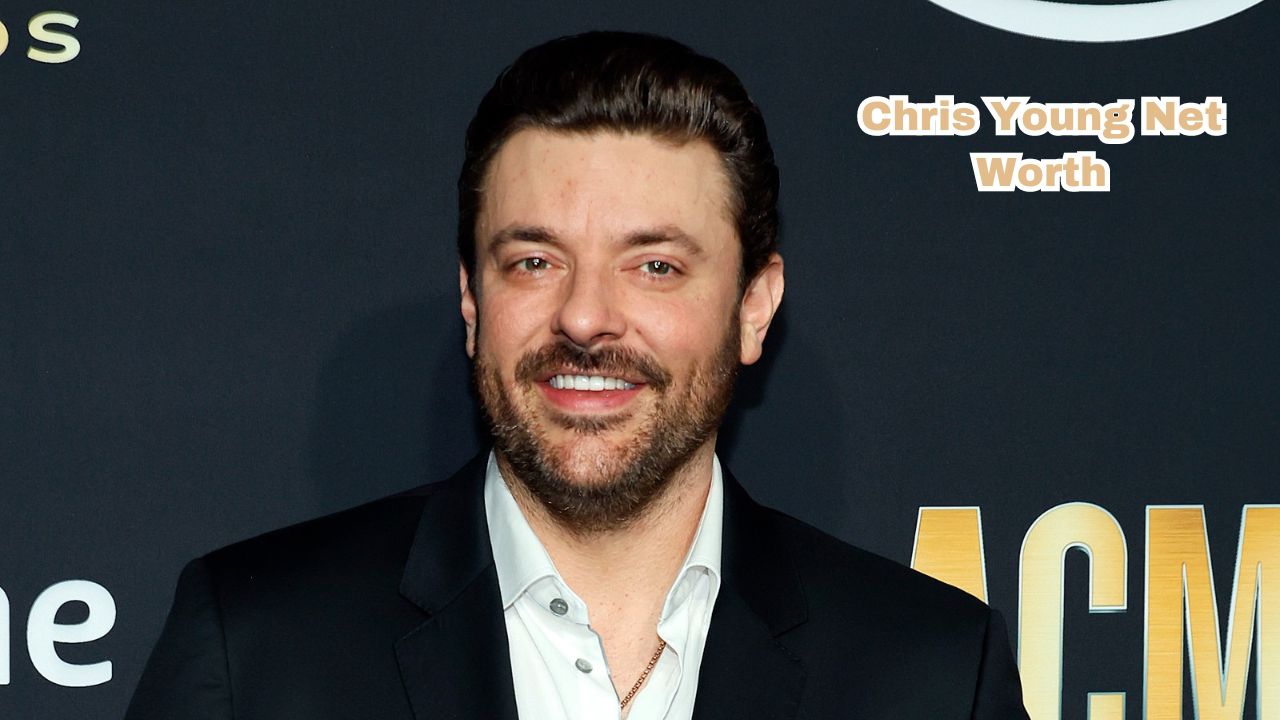
Christopher Young Net Worth in the Spotlight: The Financial Profile of a Tech Visionary
As of 2026, Christopher Young’s net worth is estimated to be between $85 million and $125 million. This valuation is primarily driven by his executive compensation as the Executive Vice President of Business Development, Strategy, and...
As of 2026, Christopher Young’s net worth is estimated to be between $85 million and $125 million. This valuation is primarily driven by his executive compensation as the Executive Vice President of Business Development, Strategy, and Ventures at Microsoft, his previous tenure as CEO of McAfee, and his lucrative positions on the boards of directors for major corporations like American Express.
Contents
While several prominent individuals share the name Christopher Young—most notably the acclaimed film composer and the country music star (often referred to as Chris Young)—this analysis focuses on the corporate leader whose influence across the cybersecurity and cloud computing sectors has placed his financial trajectory "in the spotlight." By 2026, Young has solidified his reputation as one of the most strategically significant executives in the technology industry, particularly through his role in navigating Microsoft’s aggressive expansion into artificial intelligence and multi-sector partnerships.
Disambiguating Christopher Young: The Executive Context
To understand the financial standing of Christopher Young, one must first separate him from other public figures with the same name. In the realm of high-finance and tech-sector net worth inquiries, "Christopher Young" refers to the Princeton and Harvard-educated executive who has spent over two decades at the helm of some of the world's most influential technology firms.
Unlike the creative arts, where net worth is often tied to royalties and performance fees, the executive Christopher Young’s wealth is built upon a foundation of structured corporate compensation. This includes high-tier base salaries, significant annual bonuses, and, most importantly, Long-Term Incentive Plans (LTIPs) comprised of Restricted Stock Units (RSUs) and Performance Stock Units (PSUs). His wealth is a direct reflection of the enterprise value he has helped create at Cisco, Intel, McAfee, and Microsoft.
The Foundation of Wealth: Early Career and Education
Christopher Young’s financial ascent began with a rigorous educational background that positioned him for the upper echelons of corporate management. Holding an A.B. from Princeton University and an MBA from Harvard Business School, Young entered the workforce with the credentials necessary to command high-value roles immediately.
His early career included a tenure at McKinsey & Company, where he developed the strategic consulting expertise that would later define his leadership style. While these early roles did not generate "billionaire-level" wealth, they provided the capital and professional network required to step into senior leadership roles at RSA (the security division of EMC) and later Cisco. It was at Cisco, serving as Senior Vice President of the Security Business Group, that Young first moved into the "spotlight" of executive compensation, overseeing a multibillion-dollar portfolio and receiving equity packages consistent with top-tier tech leadership.
The McAfee Spin-Off and CEO Compensation
The most significant single leap in Christopher Young’s net worth occurred during his transition from Intel to McAfee. In 2014, Young joined Intel to lead its security arm (formerly McAfee). When Intel decided to spin McAfee off into a standalone entity in partnership with private equity firm TPG Capital in 2017, Young was appointed CEO.
Leading a private equity-backed company is often the fastest route to generational wealth for an executive. In such arrangements, the CEO typically receives a significant equity stake in the "new" company. During his time as CEO, Young was responsible for:
- Restructuring the company’s product roadmap to focus on cloud-native security.
- Driving operational efficiencies that increased the company’s valuation ahead of its eventual 2020 IPO.
- Managing the complex transition from a corporate subsidiary to an independent enterprise.
Financial analysts estimate that Young’s equity holdings at the time of the McAfee spin-off and subsequent growth phases contributed tens of millions of dollars to his personal balance sheet. By the time he stepped down as CEO in early 2020, he had transitioned from a high-earning vice president to a top-tier global chief executive.
Microsoft and the AI Era: Current Earnings and Equity
In late 2020, Christopher Young joined Microsoft as Executive Vice President of Business Development, Strategy, and Ventures. Reporting directly to CEO Satya Nadella, Young’s role is pivotal to Microsoft’s long-term growth, particularly in identifying acquisition targets and forging strategic alliances in the AI and cybersecurity spaces.
As of 2026, Microsoft’s executive compensation packages are among the most robust in the S&P 500. A typical EVP at Microsoft receives a package consisting of:
- Base Salary: Generally ranging from $800,000 to $1.2 million.
- Cash Incentives: Performance-based bonuses that can exceed 100% of the base salary.
- Stock Awards: The largest component of compensation, often valued between $5 million and $15 million annually, depending on company performance and individual milestones.
Given the meteoric rise of Microsoft’s stock price between 2022 and 2026—driven by its dominance in generative AI and cloud infrastructure—Young’s unvested and vested stock holdings have seen exponential appreciation. This equity-heavy compensation model ensures that as Microsoft’s market capitalization remains in the multi-trillion dollar range, Young’s personal net worth continues to climb.
Board Memberships: The Secondary Revenue Stream
A major component of Christopher Young’s net worth that is often overlooked is his participation on corporate boards. Board membership is a highly lucrative endeavor for seasoned tech executives, offering both cash retainers and significant equity grants.
Young has served on the board of American Express since 2018. According to SEC filings, board members at American Express typically receive annual compensation in the range of $300,000 to $450,000, much of which is paid in restricted stock. Over nearly a decade of service, the appreciation of American Express stock has likely added several million dollars to his total net worth.
Previously, Young also served on the board of Snap Inc. (the parent company of Snapchat). While he eventually stepped down from this role, the equity earned during his tenure contributed to his liquid assets. These roles not only provide direct income but also provide an "insider’s view" of diverse market sectors, which informs his personal investment strategy.
Estimated Compensation Breakdown (2024–2026 Averages)
| Compensation Source | Estimated Annual Value | Primary Format |
|---|---|---|
| Microsoft Base Salary | $1,000,000 | Cash |
| Microsoft Stock Awards (RSUs) | $8,000,000 - $12,000,000 | Equity (Vesting over 4 years) |
| Microsoft Annual Bonus | $1,500,000 - $2,500,000 | Cash |
| American Express Board Fees | $400,000 | Cash & Stock |
| Private Investments/Ventures | Variable | Capital Gains |
Strategic Philanthropy and Personal Investments
As a high-net-worth individual, Young’s financial profile also includes his philanthropic efforts and private ventures. He has been a vocal advocate for diversity in the technology sector and has supported various educational initiatives. While philanthropy reduces one's liquid net worth, it often involves the movement of appreciated stock into foundations or charitable lead trusts, which is a common practice for executives in his tax bracket.
Furthermore, his role at Microsoft involves "Ventures," giving him unique insight into the startup ecosystem. While he is ethically bound to avoid conflicts of interest with Microsoft's investments, many executives of his stature engage in "angel investing" or maintain diversified portfolios managed by private wealth management firms. These investments in early-stage tech companies can often result in significant "liquidity events" that are not always visible in public SEC filings.
The Role of Cybersecurity Influence on Market Value
One reason Christopher Young’s net worth remains in the spotlight is his specific expertise in cybersecurity. In the 2026 landscape, cybersecurity is no longer a niche IT concern but a fundamental pillar of national security and global commerce.
Because Young led McAfee and the security business at Cisco, he is considered a "Category King" in the industry. Executives with this specific pedigree are in high demand for speaking engagements, advisory roles, and high-stakes corporate turnarounds. This expertise grants him a level of "career insurance" and earning potential that exceeds that of a generalist manager. Should he ever choose to leave Microsoft, his "market value" as a potential CEO for a late-stage cybersecurity unicorn would likely include a signing bonus and equity package in the nine-figure range.
Frequently Asked Questions
Is Christopher Young a billionaire?
No. While Christopher Young is exceptionally wealthy, his estimated net worth of $85 million to $125 million as of 2026 places him in the "centimillionaire" category rather than the billionaire category. Billionaire status in the tech industry is typically reserved for founders (like Bill Gates or Mark Zuckerberg) who retain massive percentages of their companies from the pre-IPO stage.
How does his net worth compare to the composer Christopher Young?
The composer Christopher Young, known for scores such as Spider-Man 3 and Hellraiser, has a significant net worth estimated in the range of $10 million to $20 million. While highly successful in his field, the scale of executive compensation in a trillion-dollar corporation like Microsoft generally outpaces the royalty-and-fee structure of film scoring.
What is the biggest factor in Christopher Young’s wealth growth?
The primary driver of his current wealth is Microsoft equity. As an EVP, the majority of his compensation is tied to the performance of MSFT stock. Given the company's leadership in the AI revolution, the appreciation of his RSUs (Restricted Stock Units) has been the most significant contributor to his net worth over the last five years.
Does he own any significant real estate?
Like many high-level executives based in the Pacific Northwest, Young maintains privacy regarding his personal residences. However, it is standard for executives of his caliber to hold high-value real estate assets in both the Seattle area (near Microsoft's Redmond headquarters) and potentially the Silicon Valley area, given his deep ties to the California tech ecosystem.
What happened to his McAfee stock?
Following McAfee’s acquisition by an investor group led by Advent International in 2022 for approximately $14 billion, many executive stockholders saw their equity positions liquidated at a premium. This acquisition likely provided a significant cash infusion for Young, which he has since been able to reinvest.
Final Perspective: Wealth as a Metric of Influence
In the corporate world of 2026, net worth is often used as a proxy for an individual's "strategic weight." For Christopher Young, being in the spotlight regarding his finances is a testament to his successful navigation of the transition from legacy hardware security to the modern era of cloud and AI. His wealth is not merely a collection of assets but a reflection of a career spent at the intersection of security and innovation.
For those looking to track his future financial trajectory, the key indicators will be Microsoft's annual proxy statements and any potential shifts in his board-level involvements. As he continues to steer Microsoft's venture and strategy arm, his personal balance sheet remains firmly tied to the success of the broader digital economy.
Image Gallery