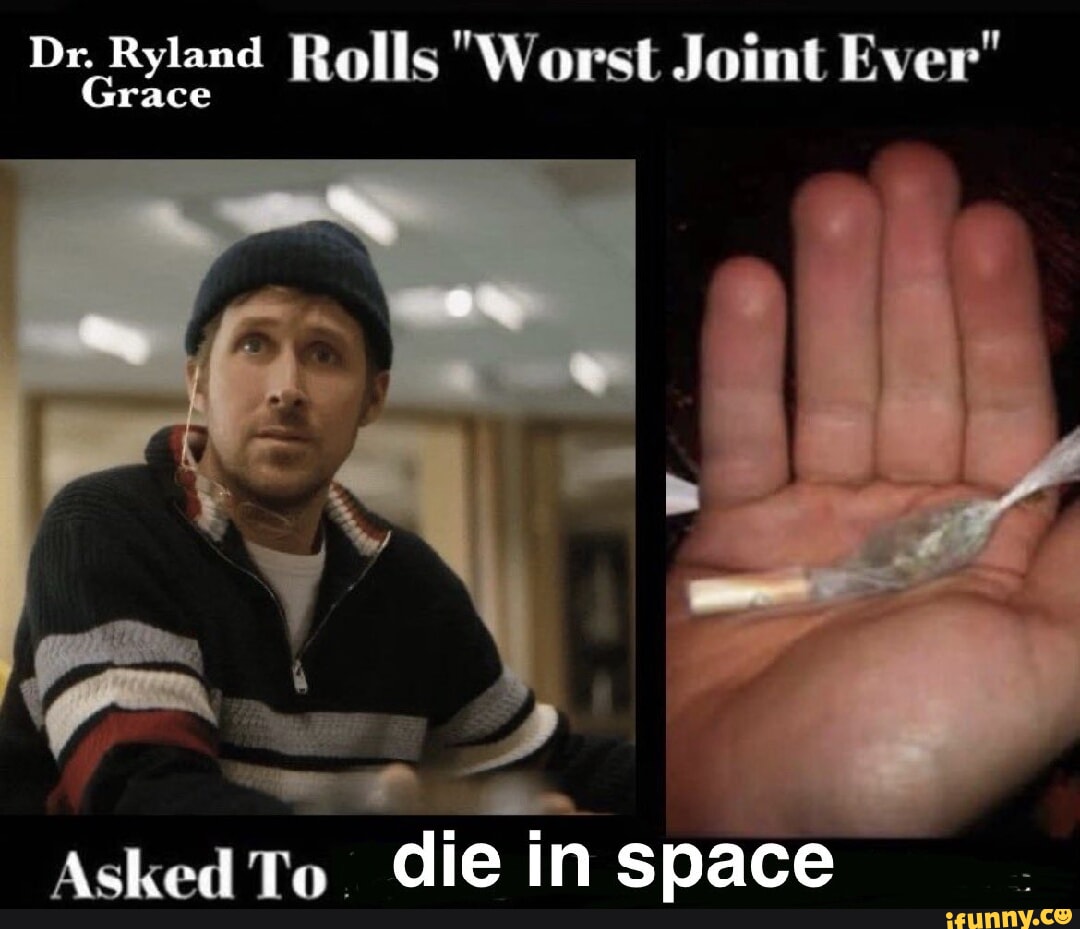
Anatomy of a Rolled Disaster: Why Rolling the Worst Joint Ever Happens and How to Fix It
Rolling a poor joint often stems from incorrect moisture levels in the material, uneven distribution, improper grind consistency, or struggling with low-quality rolling papers. When structural integrity fails, you end up with an unsmok...
Rolling a poor joint often stems from incorrect moisture levels in the material, uneven distribution, improper grind consistency, or struggling with low-quality rolling papers. When structural integrity fails, you end up with an unsmokeable run, a canoe, or a clogged cylinder that wastes your product and frustrates the session.
Contents
Dissecting the Structural Failures of Subpar Craftsmanship
Understanding why a hand-rolled cigarette or herbal cylinder fails requires looking at the physics of airflow, combustion, and paper dynamics. When a roll goes wrong, it is rarely due to just one mistake. Usually, a cascade of minor errors compounds into an unusable final product.
Poorly constructed cylinders suffer from aerodynamic anomalies. Smoke follows the path of least resistance. If a roll features an air pocket on the left side and a tightly packed knot on the right side, combustion burns exclusively down the path of least resistance. This phenomenon, widely known as "canoeing" or running, destroys the flavor profile and burns the paper unevenly.
Another common failure is the plugged filter or twisted tip. If the structural base collapses during the tuck-and-roll phase, the opening pinches shut, restricting airflow entirely. Conversely, leaving the tip too loose allows loose plant matter to pull straight through into the mouth, ruining the experience.
The Core Ingredients of a Failed Roll
Every bad roll can be traced back to foundational missteps in preparation and execution. Identifying these variables helps isolate what went wrong in your most recent attempt.
- Inconsistent Grind Size: Chunky stems mixed with powdery dust create uneven density. Large pieces burn slowly while fine dust combusts instantly, creating erratic hotspots.
- Moisture Imbalance: Overly dry material crumbles into dust and refuses to hold form, while wet or uncured material stays spongy, putting out the ember continuously.
- Inferior Paper Selection: Thick, heavily bleached papers with low porosity burn hot, taste like paper pulp, and fail to stick if the gum line is compromised.
- Improper Distribution: Pumping too much material into the center while leaving the ends empty creates a pregnant barrel shape that snaps in half when rolled.
Anatomy Breakdown: Comparing Good vs. Bad Rolling Techniques
To visualize the contrast between a masterclass roll and a catastrophic failure, review the structural comparison below.
| Structural Element | The Worst Joint Ever | The Professional Standard |
|---|---|---|
| Grind Consistency | Mixed boulders and powder | Uniform medium-fine fluff |
| Paper Tension | Loose, wrinkled, air gaps present | Drum-tight cylinder, uniform taper |
| Filter Tip Stability | Crushed cardboard, loose fit | Accordion-folded core, rigid cylinder |
| Gum Line Seal | Licked poorly, folded backward, flaking | Smoothly licked, pressed, and sealed |
| Airflow Path | Blocked entirely or unevenly rushed | Balanced, smooth draw resistance |
Step-by-Step Breakdown of How a Bad Roll Happens
Tracing the mechanical process of rolling reveals the exact moment a session goes sideways. Recognizing these steps prevents repeating the same mistakes.
- The Flawed Grind: Dropping whole buds directly into a paper without breaking them down, or pulverizing material in a cheap grinder until it turns to silt.
- The Misaligned Foundation: Placing the filter tip into the paper at an extreme angle, guaranteeing a cone that twists into a spiral staircase instead of a straight cylinder.
- The Tipping Point Failure: Failing to shape the loose material into an even trough before initiating the tuck. Rolling directly over a lumpy pile guarantees structural weakness.
- The Botched Tuck: Forcing the edge of the paper over the material without rolling back and forth to establish memory in the paper fibers.
- The Over-Lick and Tear: Soaking the gum line with excess saliva, dissolving the adhesive entirely, and attempting to glue wet paper to a wrinkled surface.
Troubleshooting and Salvaging a Ruined Cylinder
If you have already created the worst joint ever, all hope is not lost. Several triage methods can rescue a structurally compromised roll.
The Saliva Patch Method
If the paper tears midway down the cylinder during the tuck, do not throw it away. Take a spare strip of gum line from another rolling paper, moisten it, and wrap it around the tear like a bandage. Press firmly to seal the air leak.
Manual Repackaging
If the roll is hopelessly lopsided, loose at the base, or plugged shut, unfold the paper entirely. Re-grind the material, adjust the moisture level by letting it sit on a tray for ten minutes, insert a fresh, properly rolled filter tip, and start the process over with a clean sheet.
The Pre-Rolled Cone Alternative
For individuals who consistently struggle with manual dexterity, rolling mats and pre-rolled cones eliminate human error. Packing material into an empty conical paper using a funnel and a sorting tool guarantees an even burn every single time without requiring rolling skills.
Frequently Asked Questions
Why does my roll always burn down only one side?
Uneven burning, or canoeing, happens when the material is packed tighter on one side than the other, or when the paper is licked off-center. To fix this, rotate the cylinder while lighting it and gently lick the faster-burning side to slow down its combustion rate.
How do I stop my filter tip from falling out?
Filter tips slip out when they are rolled too loosely and expand inside the paper cylinder. Always roll your tip into a tight accordion or spiral shape so that spring tension pushes it outward against the inner walls of the paper.
What is the best grind consistency for a smooth draw?
A medium-fine grind, resembling coarse sand or loose tea, provides the optimal balance between airflow and burn rate. Avoid powdering your material, as it restricts airflow and causes frequent clogging.
Can humidity affect how a joint rolls?
Yes, high humidity makes plant matter spongy and difficult to compress evenly, while extremely dry air causes the material to shatter into dust. Store your material in an airtight jar with a two-way humidity control pack for ideal results.
Why does my paper refuse to stick when I lick the gum line?
Papers fail to stick when too much saliva dissolves the gum line completely or when oils from your fingers contaminate the adhesive edge. Lick the strip with a light, swift motion and press it down firmly from the center outward.
Master Your Craft Through Consistency
Perfecting the art of the roll requires patience, high-quality materials, and attention to structural mechanics. By diagnosing the root causes of past failures—whether an uneven grind, a crushed filter, or a botched tuck—you can systematically eliminate errors and achieve a clean, even, and enjoyable experience every time.
Image Gallery