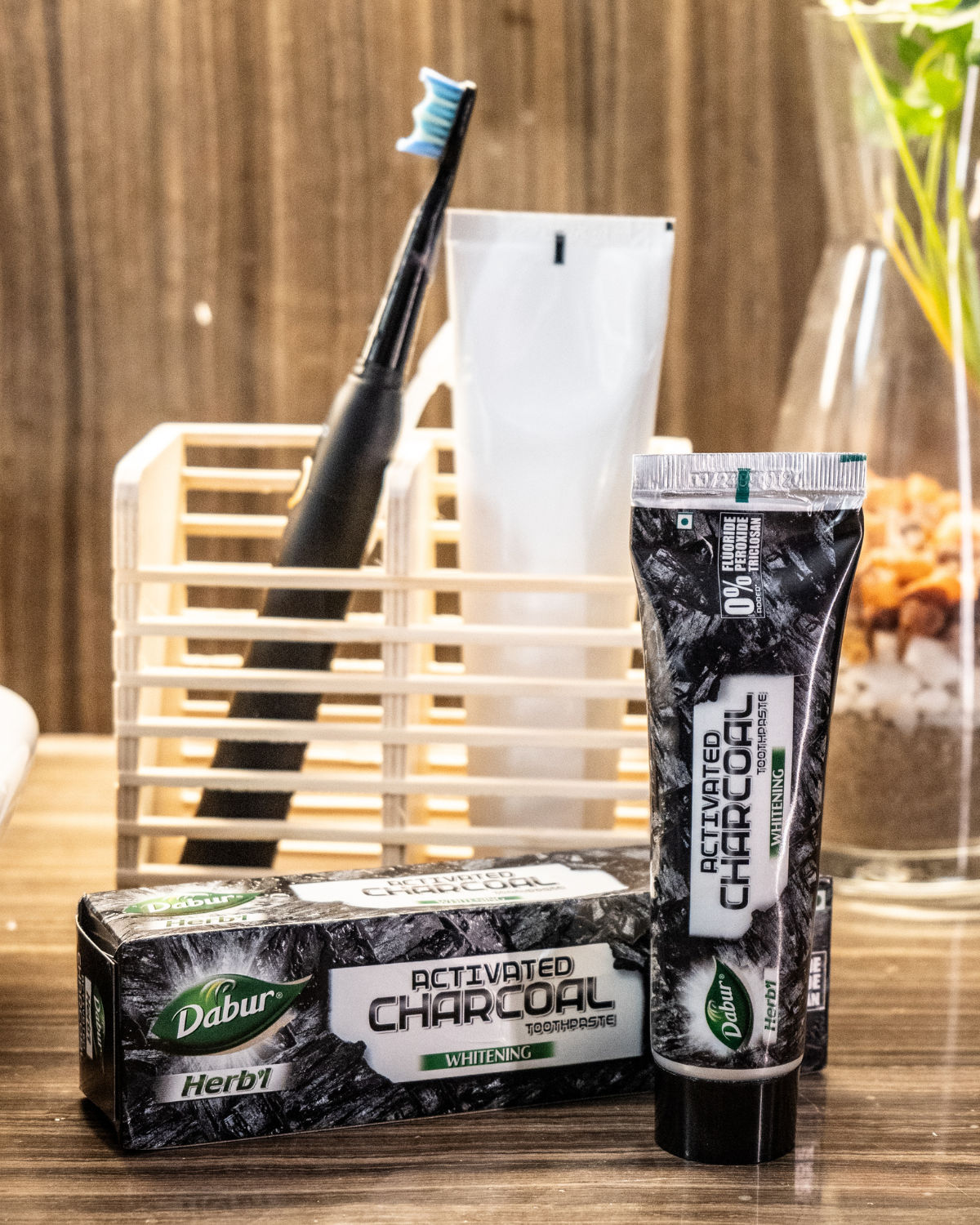
Charcoal Toothpaste Before After Results: Efficacy, Safety, and Long-Term Impact
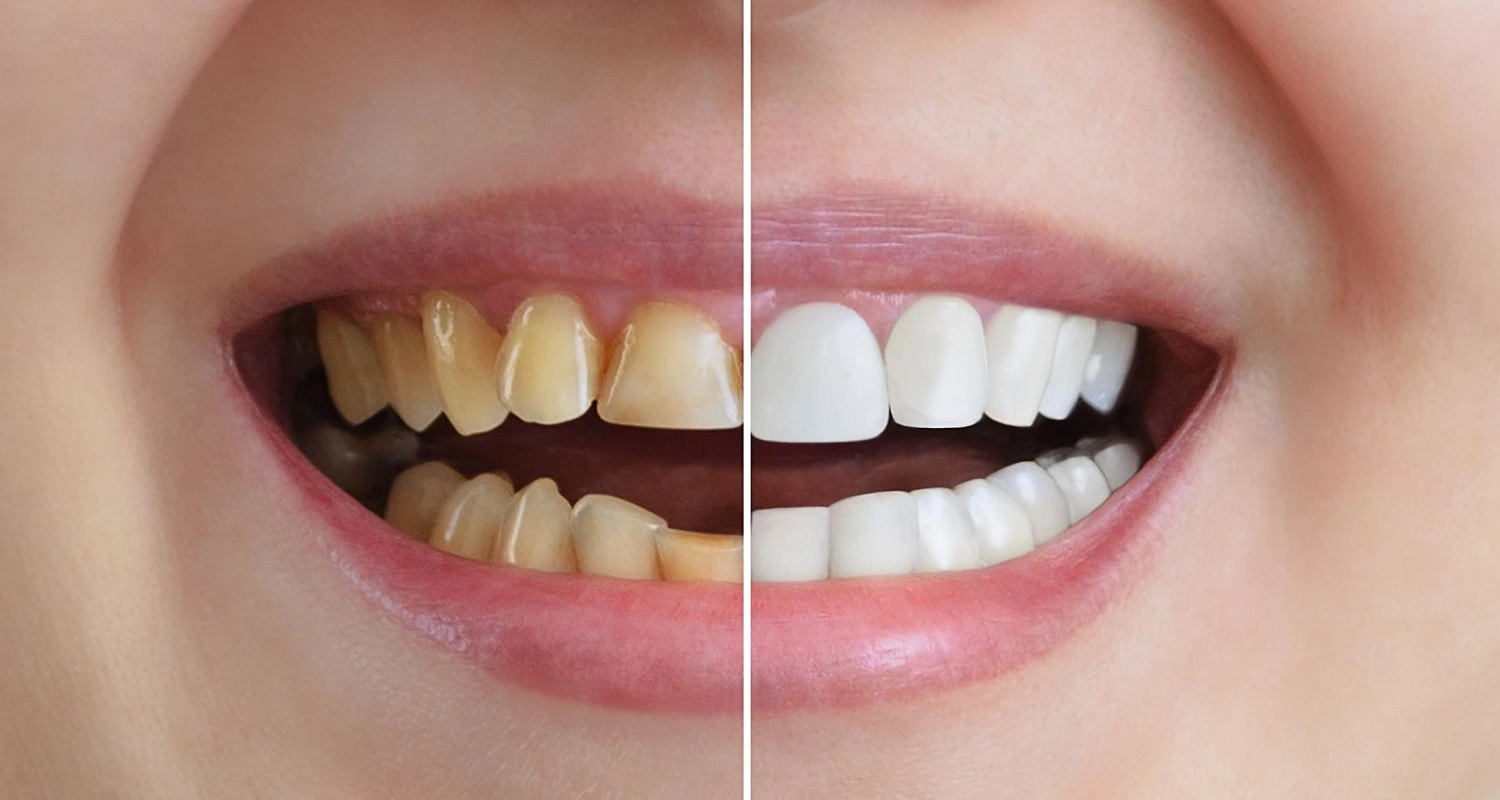
Charcoal toothpaste before after results typically show a noticeable reduction in surface stains caused by coffee, tea, or tobacco within two to four weeks of use. However, while teeth may appear brighter due to the removal of extrinsi...
Charcoal toothpaste before after results typically show a noticeable reduction in surface stains caused by coffee, tea, or tobacco within two to four weeks of use. However, while teeth may appear brighter due to the removal of extrinsic debris, the product does not change the internal color of the tooth and carries significant risks of enamel erosion and increased sensitivity if used improperly.
Contents
The rise of activated charcoal in dental care has been fueled by social media trends and the promise of a "natural" alternative to chemical bleaching. As we evaluate the landscape in 2026, the data regarding charcoal toothpaste has become more comprehensive, allowing consumers to distinguish between marketing hype and clinical reality. Understanding how these products interact with dental anatomy is essential before incorporating them into a daily hygiene routine.
Understanding the Mechanism: How Activated Charcoal Interacts with Teeth
Activated charcoal is a fine-grained black powder created from various carbon-rich materials, such as coconut shells, peat, or wood, which are processed at very high temperatures. This "activation" process changes the internal structure, making the charcoal highly porous and increasing its surface area.
Adsorption vs. Absorption
The primary function of activated charcoal is adsorption—the process where atoms, ions, or molecules from a substance (like food stains) adhere to the surface of the adsorbent. Unlike absorption, where a substance is soaked into the body of the material, adsorption binds the particles to the charcoal's vast network of pores. When you brush with charcoal toothpaste, the charcoal binds to surface pigments (tannins) and biofilm (plaque) on the teeth. As you rinse the black paste away, the bound debris is theoretically carried out of the mouth.
Mechanical Abrasion
Beyond its chemical properties, charcoal is physically abrasive. It acts as a mild sandpaper, scrubbing away the outer layer of stains on the enamel. While this can lead to immediate visual improvements in "before and after" comparisons, this mechanical action is where the greatest risk lies. Enamel is the hardest tissue in the human body, but it is not indestructible. Constant exposure to high-abrasive materials can lead to irreversible thinning.
Analyzing Before and After Results: What to Really Expect
When users document their charcoal toothpaste before after results, the visual difference is often striking. However, it is vital to analyze what exactly has changed about the smile.
Extrinsic vs. Intrinsic Staining
Teeth staining is categorized into two types:
- Extrinsic Stains: These occur on the outer surface of the tooth (the enamel). They are caused by external factors like red wine, dark sodas, coffee, and smoking. Charcoal toothpaste is moderately effective at removing these specific stains because they sit where the charcoal can reach them.
- Intrinsic Stains: These are located within the inner structure of the tooth (the dentin). Intrinsic staining can be caused by aging, certain medications (like tetracycline), or trauma. Charcoal toothpaste cannot penetrate the enamel to reach the dentin; therefore, it has zero effect on the intrinsic "yellowish" or "grayish" hue of a natural tooth.
The Illusion of Whiteness
In many 2026 clinical observations, the "after" results of charcoal use are attributed to the removal of the protein pellicle—a thin film that forms on the enamel. Removing this film can make teeth feel smoother and appear shinier, reflecting more light. However, this is a temporary effect. Furthermore, the stark contrast between the black paste and the teeth during the brushing process often creates a psychological "brightening" effect once the mouth is rinsed, making the teeth appear whiter than they actually are.
The Science of Abrasivity: The RDA Scale
To understand the safety of charcoal toothpaste, we must look at the Relative Dentin Abrasivity (RDA) scale. This standardized scale measures the erosive effect of toothpastes on the dentin and enamel.
- 0-70: Low abrasive (Safe for daily use)
- 70-100: Medium abrasive
- 100-150: Highly abrasive
- 150-250: Regarded as the maximum safe limit
Many charcoal toothpastes do not publish their RDA values, but independent testing often places them in the 100-200 range. Using a high-RDA toothpaste daily can lead to attrition, where the enamel wears down so much that the yellow dentin underneath becomes visible. Paradoxically, overusing charcoal toothpaste to whiten teeth can eventually make them look more yellow as the white enamel disappears.
Comparing Whitening Methods in 2026
To provide context for charcoal's performance, the following table compares charcoal toothpaste with other common whitening modalities currently available.
| Feature | Charcoal Toothpaste | Hydrogen Peroxide Gel | Hydroxyapatite Paste | Professional In-Office |
|---|---|---|---|---|
| Primary Action | Physical Abrasion | Chemical Oxidation | Remineralization | High-Concentration Oxidation |
| Whitening Speed | 2-4 Weeks (Surface) | 1-2 Weeks (Deep) | 4-8 Weeks (Surface) | 1 Hour (Deep) |
| Enamel Impact | High Risk of Wear | Low Risk / Sensitivity | Strengthens Enamel | Controlled / High Sensitivity |
| Fluoride Content | Often Fluoride-Free | Varies | Usually No | N/A |
| Effect on Dentin | None | Brightens Dentin | None | Significant Brightening |
| Cost (2026 USD) | $8 - $15 | $25 - $60 | $15 - $30 | $300 - $800 |
Potential Risks and Long-Term Side Effects
While the short-term before after results might be satisfying, the long-term consequences of charcoal use remain a significant concern for dental professionals.
Enamel Erosion and Sensitivity
Enamel does not grow back. Once it is worn away by abrasive charcoal particles, the underlying dentin is exposed. Dentin contains microscopic tubules that lead directly to the tooth's nerves. When these are exposed to hot, cold, or acidic foods, the result is sharp, stinging pain known as dentinal hypersensitivity.
Lack of Fluoride
A majority of "natural" charcoal toothpaste brands omit fluoride, a mineral essential for remineralizing enamel and preventing cavities. In 2026, the consensus among organizations like the American Dental Association (ADA) remains that fluoride is the most effective tool for preventing tooth decay. Users who switch entirely to charcoal toothpaste often see an uptick in new cavities within 12 to 18 months.
Damage to Dental Restorations
If you have veneers, crowns, bridges, or white composite fillings, charcoal toothpaste can be particularly damaging. The abrasive particles can scratch the surface of porcelain and composite resin, making them lose their luster and actually making them more susceptible to future staining. Furthermore, black charcoal particles can become lodged in the margins of these restorations, leaving a dark line near the gum area that is difficult to remove.
Expert Recommendations for Safe Usage
If you are determined to try charcoal toothpaste for its stain-removing properties, dental experts suggest a cautious, modified approach to minimize damage.
- Limited Frequency: Use charcoal toothpaste no more than once a week. Use a standard, ADA-approved fluoride toothpaste for your other brushing sessions to maintain enamel health.
- Gentle Application: Do not scrub vigorously. Allow the charcoal's adsorptive properties to work by gently massaging the paste onto the teeth with a soft-bristled brush.
- Rinse Thoroughly: Charcoal residue can linger in the gingival sulcus (the space between the tooth and gum). Ensure you rinse multiple times to prevent gum irritation.
- Avoid Post-Whitening Sensitivity: If you experience any zingers or sensitivity after using charcoal, discontinue use immediately. This is a sign that your enamel is thinning or that the product is too abrasive for your specific dental anatomy.
Alternatives for a Brighter Smile in 2026
For those seeking the results promised by charcoal without the associated risks, several modern alternatives have gained prominence.
- Nano-Hydroxyapatite (nHAp): This is a biocompatible material that makes up 97% of your tooth enamel. Modern toothpastes containing nHAp can fill in microscopic "fissures" in the enamel, making the surface smoother and brighter while actually strengthening the tooth.
- Blue Covarine: Some modern whitening toothpastes use blue covarine, a pigment that adheres to the surface of the teeth and creates an optical illusion of whiteness by shifting the yellow-white balance toward the blue spectrum. It is non-abrasive and provides immediate visual results.
- Papain and Bromelain: These are natural enzymes (derived from papaya and pineapple) that help break down the protein pellicle on teeth without the need for harsh abrasives.
FAQ
Does charcoal toothpaste actually whiten teeth?
It brightens teeth by removing surface stains (extrinsic stains), but it does not technically whiten them. True whitening requires a bleaching agent like hydrogen peroxide or carbamide peroxide to penetrate the enamel and change the color of the dentin. Charcoal only cleans the "outside" of the tooth.
Is charcoal toothpaste safe for daily use?
Most dentists advise against daily use. Because of its high abrasivity, daily use can lead to enamel wear, tooth sensitivity, and a higher risk of cavities if the product lacks fluoride. Using it once or twice a week is generally considered a safer limit for those with healthy enamel.
Can charcoal toothpaste fix yellow teeth?
If the yellowing is caused by surface accumulation of coffee or tea, it may help. However, if the yellowing is due to thin enamel or the natural color of your dentin, charcoal toothpaste will not fix it. In fact, it could make the yellowing worse by further thinning the enamel.
Will charcoal toothpaste affect my fillings or braces?
Yes. The black particles can accumulate around the brackets of braces or the edges of fillings, making them difficult to clean. It can also scratch the surface of composite fillings and porcelain crowns, leading to a permanent loss of shine.
How long does it take to see results?
Visual changes in surface stains can often be seen in as little as one week of semi-regular use. However, maximum results for surface cleaning usually peak at the one-month mark.
Practical Recommendation
Before starting a charcoal toothpaste regimen, consult with a dentist to evaluate the current thickness of your enamel and the cause of your tooth discoloration. If your goal is to remove heavy surface stains from lifestyle habits, consider using a charcoal paste spasmodically (once every 7–10 days) as a "deep clean" rather than a daily replacement for fluoride toothpaste. For actual shade changes of the tooth structure, professional chemical whitening remains the safest and most effective route in 2026.
Image Gallery