Commercial Foundation Repair in Woodstock: Essential Guidance for Property Owners
Commercial foundation repair in Woodstock, Georgia, requires a specialized approach due to the region's unique geological composition, characterized by expansive clay soils and variable water tables. Property owners must identify struc...
Commercial foundation repair in Woodstock, Georgia, requires a specialized approach due to the region's unique geological composition, characterized by expansive clay soils and variable water tables. Property owners must identify structural distress early—such as significant cracking, uneven flooring, or door misalignment—to prevent catastrophic failure and ensure compliance with local zoning and safety ordinances.
Contents
Understanding the Geological Context of Woodstock
Woodstock sits within a region where the subsoil frequently shifts due to moisture fluctuations. Unlike residential structures, commercial foundations—often slab-on-grade, pier and beam, or deep foundation systems—must support significantly higher dead and live loads. When the soil beneath a commercial facility in Cherokee County expands or contracts unevenly, the foundation loses the necessary uniform support.
The primary geological culprit in Northern Georgia is red clay. While stable when dry, this soil becomes highly plastic when saturated, exerting immense "heave" pressure on foundation walls and footings. Conversely, during extended dry periods, the soil shrinks, leaving voids beneath the structure that lead to settlement. For business owners, this physical reality mandates a proactive maintenance strategy rather than a reactive repair approach.
Identifying Signs of Commercial Structural Distress
Recognizing the early warning signs of foundation failure can save an organization substantial capital. While minor hairline cracks in concrete are common due to curing processes, professional evaluation is required when you observe:
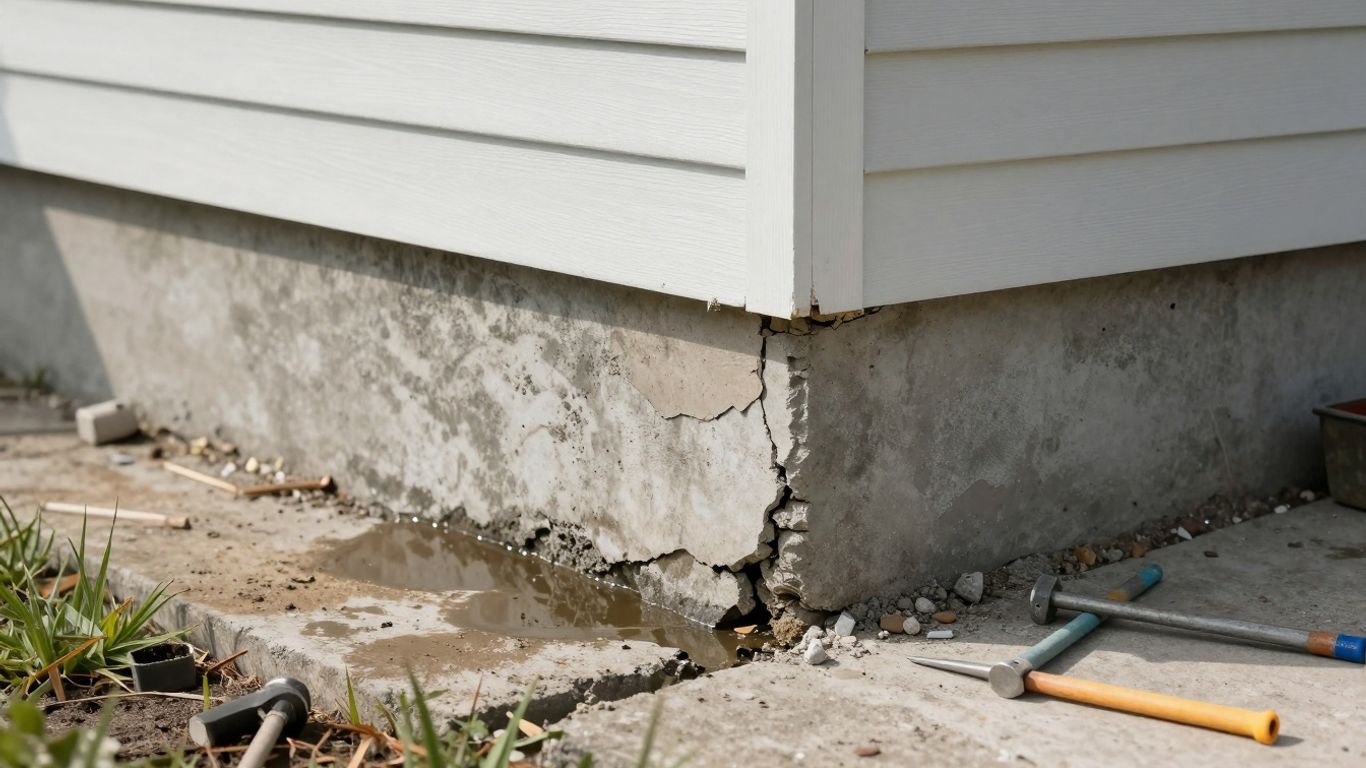
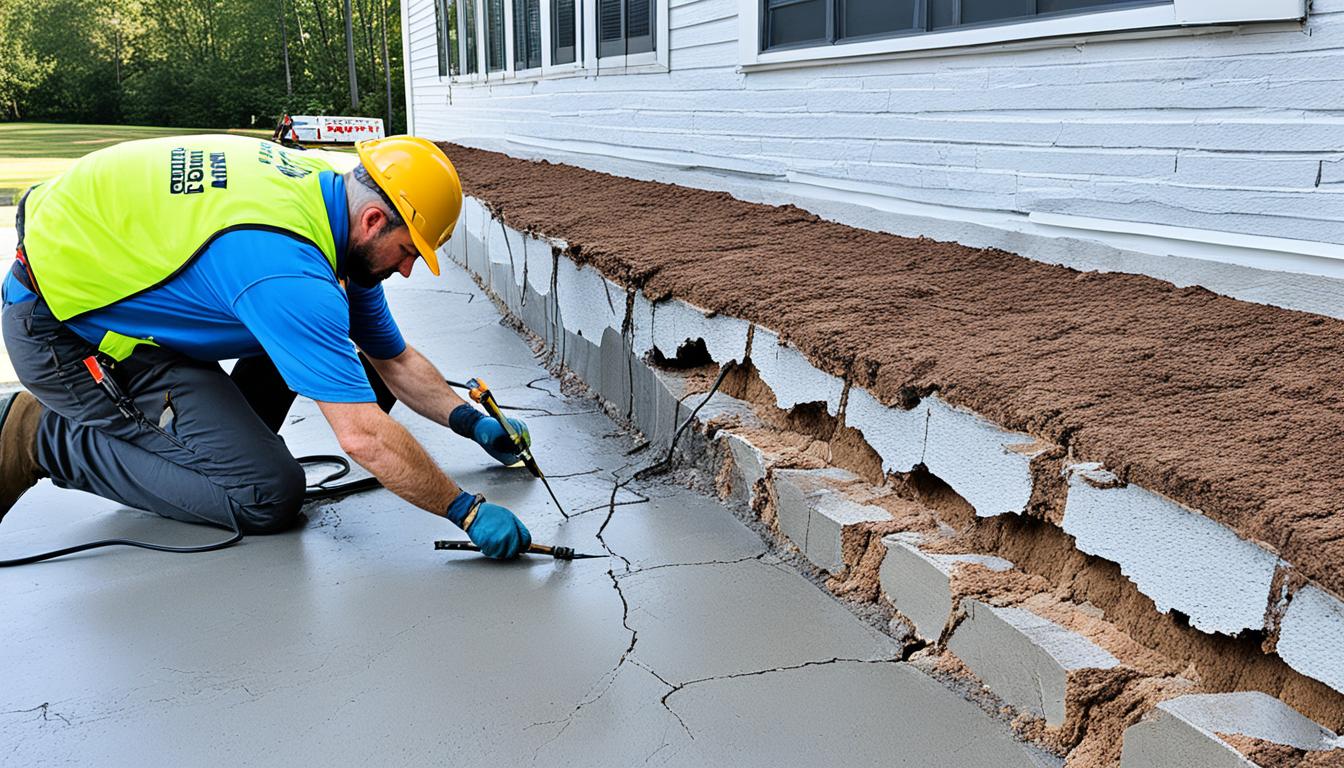
- Non-Vertical Cracking: Cracks that run diagonally through masonry walls or concrete slabs often indicate differential settlement, where one part of the structure is sinking faster than another.
- Operational Interference: When heavy commercial doors or bay doors begin to stick, fail to latch, or operate unevenly, it often signals that the foundation frame has shifted out of square.
- Visible Voids: Gaps between the exterior wall and the ground, or between the concrete slab and the baseboards inside, are definitive indicators of foundation movement.
- Floor Slope: In retail or warehouse environments, even a slight tilt can impact heavy machinery operations, storage racking stability, and ADA (Americans with Disabilities Act) compliance.
Professional Evaluation and Engineering Requirements
Before initiating any repairs, a commercial property owner must engage a licensed structural engineer. In the state of Georgia, commercial foundation modifications often require stamped engineering plans to ensure that the proposed solution meets the International Building Code (IBC) standards, which are strictly enforced in Woodstock.
An engineer will perform a site assessment, which may include:
- Soil Testing: Analyzing the bearing capacity of the soil at various depths.
- Level Survey: Utilizing laser levels to map the topography of the foundation and determine the exact degree of settlement.
- Core Sampling: Checking the integrity of the concrete itself to distinguish between simple settlement and material degradation.
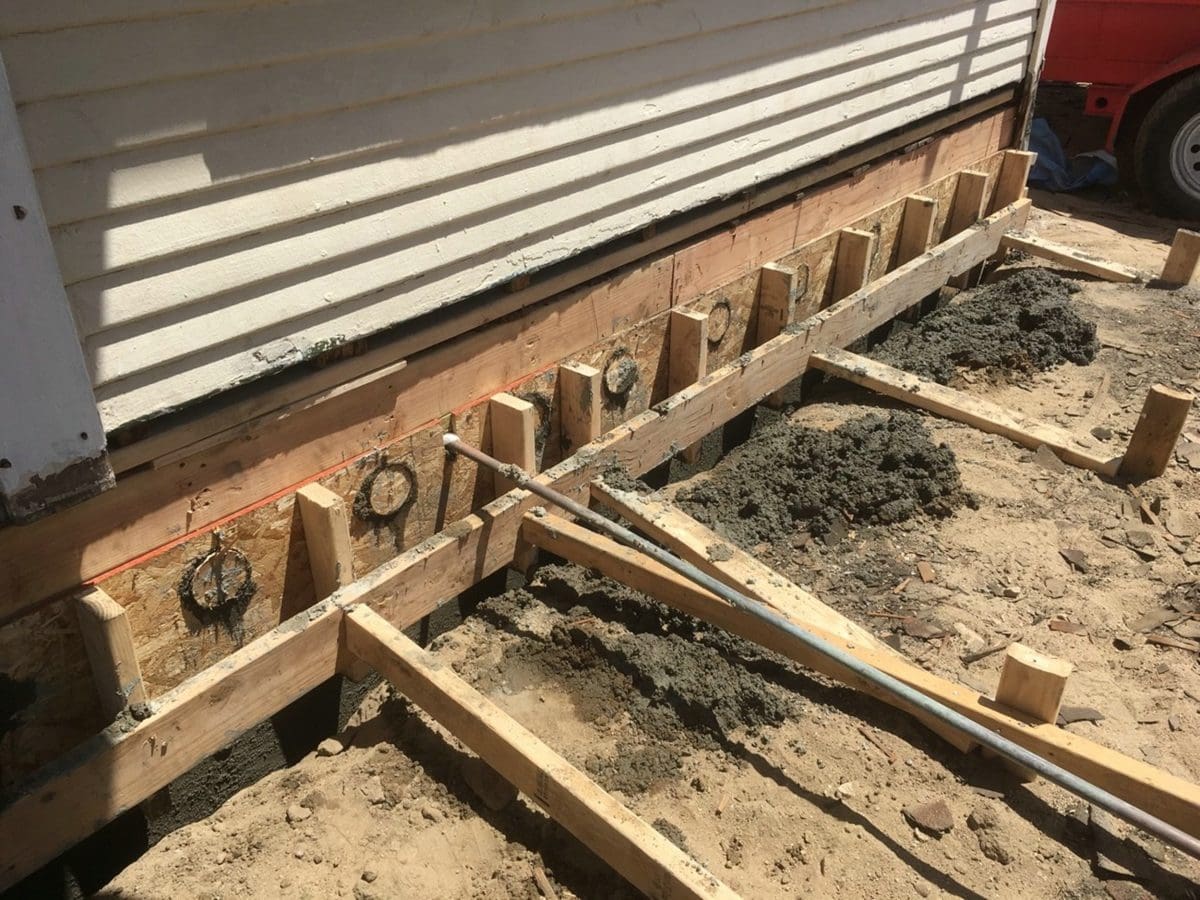
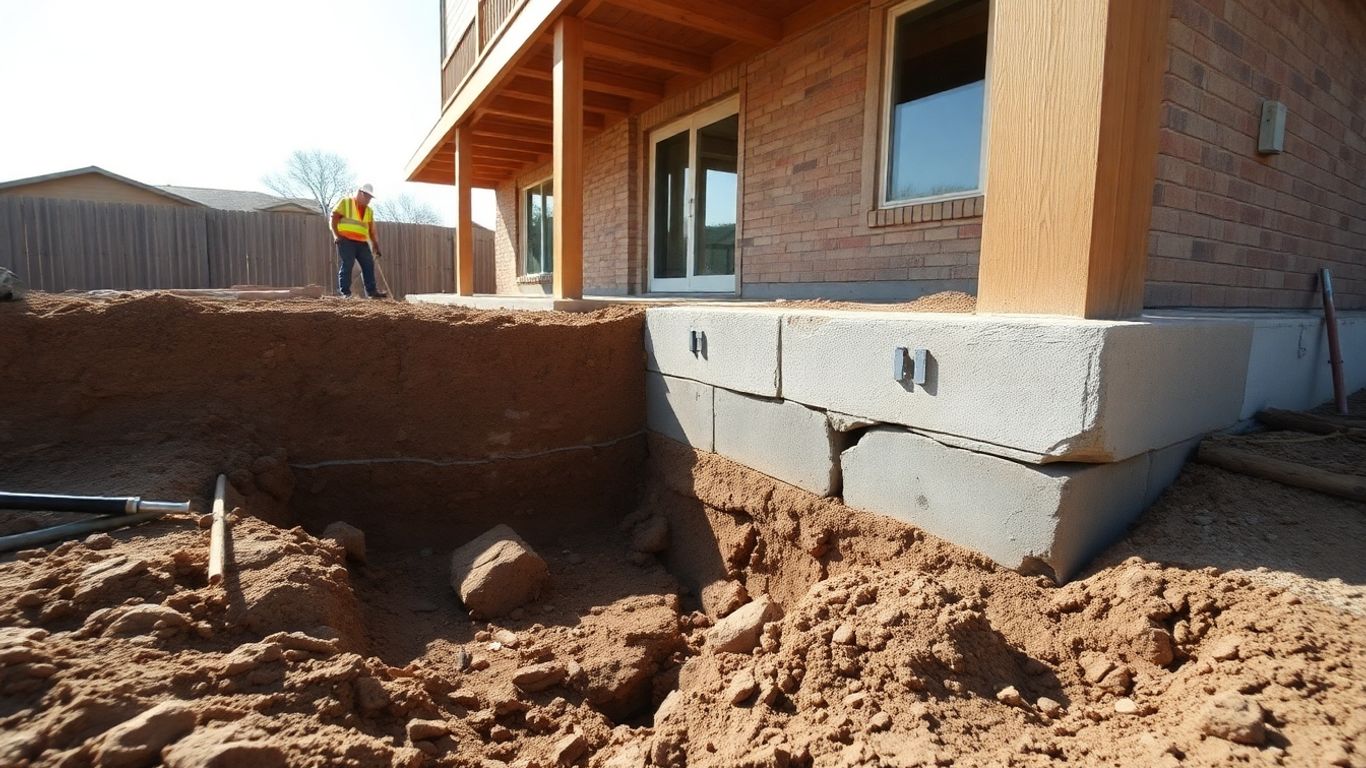
Common Remediation Techniques for Commercial Properties
Once a diagnostic plan is finalized, contractors typically employ one of several engineered solutions to stabilize the structure.
| Method | Primary Use Case | Mechanism |
|---|---|---|
| Helical Piers | Settlement in loose or unstable soil | Steel shafts are bored into load-bearing strata to transfer weight. |
| Push Piers | Deep settlement for heavy structures | Hydraulic rams drive steel pipe segments until they hit rock or dense soil. |
| Mudjacking | Voids beneath concrete slabs | Injecting a grout mixture to lift the slab and fill the empty space. |
| Carbon Fiber Reinforcement | Bowing masonry walls | Applying high-strength polymer strips to prevent further inward movement. |
Selecting the Right Contractor
When selecting a firm for commercial foundation repair in Woodstock, prioritize entities that demonstrate specific experience with industrial or multi-unit properties. Unlike residential contractors, commercial foundation experts must understand the implications of site drainage, municipal inspections, and the necessity of minimizing operational downtime.
Verify that the company carries adequate commercial general liability insurance and workers' compensation. Furthermore, ask to see examples of similar projects completed in the Cherokee County area. A reputable contractor will be transparent about the limitations of their proposed solutions and will provide a clear scope of work that aligns with the structural engineer’s recommendations.
Legal and Safety Compliance
Under the City of Woodstock’s development codes, modifications to a commercial building’s structural integrity usually necessitate a permit. Property owners are legally responsible for ensuring that all repairs comply with state and local regulations. Failure to secure the proper permits can lead to significant issues during future property appraisals, insurance renewals, or attempts to sell the commercial asset.
Furthermore, ensure that the repair strategy addresses the root cause of the moisture issue. Many foundation failures are secondary to poor drainage, such as improperly functioning gutter systems or negative grading that directs water toward the foundation walls. A repair that ignores site drainage will almost certainly fail again within a few years.
Frequently Asked Questions
How long does a typical commercial foundation repair project take? The timeline varies significantly based on the scale of the structure and the severity of the damage. A localized helical pier installation might take a few days, while a full building stabilization can last several weeks. Your contractor should provide a schedule that accounts for site access and potential disruptions to your business operations.
Is foundation repair tax-deductible? In many cases, foundation repairs are considered a capital improvement rather than a repair expense. Capital improvements may be added to the property's cost basis and depreciated over time. Consult with a qualified tax professional or CPA regarding your specific business structure and the classification of the expenditure.
Will I have to shut down my business during the repair? It depends on the extent of the work. Many pier-installation projects can be completed from the exterior of the building, allowing business to continue with minimal disruption. However, if internal work or floor leveling is required, partial or full closure may be necessary for safety and productivity reasons.
What is the difference between a warranty and a guarantee in this industry? A warranty is typically backed by the manufacturer of the foundation hardware (e.g., piers or brackets), covering the materials themselves. A service guarantee is provided by the contractor and covers the workmanship. Ensure you receive documentation for both, and verify whether the warranty is transferable to a future property owner.
How often should a commercial building be inspected for foundation health? For commercial properties in areas like Woodstock with expansive soil, an annual visual inspection is recommended. If you observe new, active, or expanding cracks, or if the property has experienced significant seismic or weather events, a professional structural assessment should be conducted immediately.
Recommended Next Actions
If you suspect foundation distress, do not wait for the damage to exacerbate. The first step is to hire an independent structural engineer—one not affiliated with a repair company—to conduct a non-biased evaluation of the building. With the engineer’s report in hand, solicit bids from at least three licensed commercial foundation specialists. Compare their proposed methodologies, warranties, and timelines against the engineering report to ensure you are receiving a viable, code-compliant solution that protects your long-term commercial investment.
Image Gallery