Should I Open a Restaurant? A Critical Evaluation for Aspiring Owners in 2026
Deciding to open a restaurant is a significant life choice that requires balancing culinary passion with rigorous financial discipline. You should only proceed if you possess substantial startup capital, a unique market concept, and th...
Deciding to open a restaurant is a significant life choice that requires balancing culinary passion with rigorous financial discipline. You should only proceed if you possess substantial startup capital, a unique market concept, and the resilience to manage high-pressure operations. Success in 2026 demands a sophisticated understanding of both hospitality and thin-margin business management.
Contents
Assessing the Personal and Professional Commitment
The allure of owning a restaurant often stems from a love of food or the desire to host, but the reality of 2026 hospitality is centered on logistics, labor management, and digital integration. Before signing a lease, you must conduct a candid self-assessment of your lifestyle and professional goals.
The Lifestyle Impact
Restaurant ownership is not a standard 9-to-5 profession. In the first three years of operation, owners frequently work 80-hour weeks, covering shifts for absent staff, managing inventory in the early morning, and overseeing closing procedures late at night. This schedule often leads to significant strain on personal relationships and physical health. If you are not prepared for a "boots-on-the-ground" lifestyle for several years, the venture may not be suitable.
Managerial vs. Culinary Skills
There is a common misconception that being a great cook is the primary prerequisite for opening a restaurant. While food quality is essential, a restaurant is a business first. You will spend more time reviewing Profit and Loss (P&L) statements, negotiating with vendors, and navigating human resources issues than you will spend in the kitchen. Aspiring owners who lack a background in management should consider partnering with an experienced general manager or taking comprehensive business courses before launching.
The Financial Reality of 2026
The economic landscape of 2026 presents specific challenges, particularly regarding inflation-adjusted ingredient costs and rising labor wages. Opening a restaurant remains one of the most capital-intensive small business ventures.
Startup Costs and Capital Requirements
Startup costs can vary wildly based on the concept and location, but most experts suggest having a minimum of $175,000 to $750,000 available for a mid-sized, full-service establishment. This capital must cover:
- Lease Security and Build-out: Renovating a space to meet health codes and kitchen requirements is often the largest upfront expense.
- Kitchen Equipment: High-grade commercial ovens, refrigeration units, and ventilation systems.
- Permits and Licensing: Liquor licenses, health permits, and business registrations.
- Initial Marketing: Establishing a digital presence and local awareness before the doors open.
The Importance of Working Capital
A common reason for failure is undercapitalization. Many owners exhaust their funds on the "grand opening" and have nothing left to cover losses during the first six to twelve months. In 2026, it is standard practice to maintain a reserve of at least six months of operating expenses. This "runway" allows the business to find its footing while word-of-mouth grows and operational efficiencies are refined.
Market Research and Concept Validation
In a saturated market, a "good" restaurant is no longer enough. You must identify a specific gap in the local landscape. Market research should involve more than just observing foot traffic; it requires a deep dive into demographic data and competitor analysis.
Identifying Your Unique Selling Proposition (USP)
Your USP is the reason customers will choose you over an established competitor. This could be a specific cuisine that is underrepresented in your area, a unique service model (such as an automated QSR or a high-end "experience" dining), or a commitment to hyper-local sustainability. In 2026, consumers are increasingly discerning about the ethical sourcing of their food and the digital convenience of the ordering process.
Location and Demographic Alignment
The best concept will fail in the wrong location. You must ensure that the local population has the discretionary income to support your price point. For instance, an upscale tasting-menu concept requires a high-density area of high-income professionals, whereas a family-oriented pizza parlor thrives in suburban residential zones with high visibility.
| Restaurant Model | Average Startup Cost | Primary Revenue Driver | Risk Level |
|---|---|---|---|
| Full-Service Dining | $400k - $800k+ | High check averages, alcohol sales | High |
| Quick Service (QSR) | $150k - $350k | High volume, low labor costs | Medium |
| Ghost Kitchen | $50k - $150k | Third-party delivery apps, low overhead | Medium-High |
| Food Truck/Pop-up | $75k - $150k | Mobility, lower fixed rent | Low-Medium |
Navigating Legalities and Regulations
The regulatory environment for restaurants is dense. Failure to comply with local, state, and federal laws can result in immediate closure or devastating fines.
Licenses and Permits
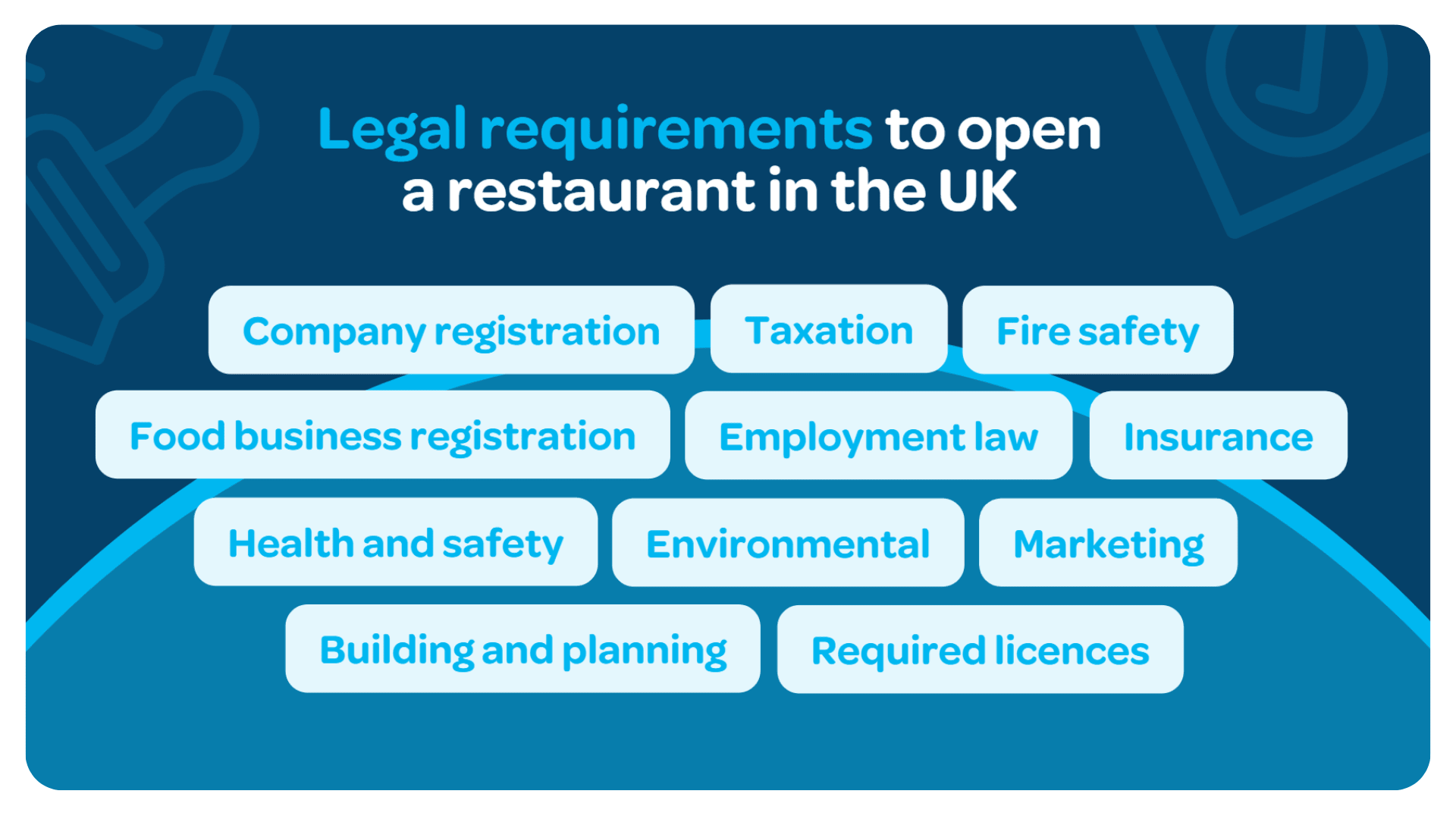
Every jurisdiction has different requirements, but you will generally need:
- Business License: General permission to operate in your city.
- Certificate of Occupancy: Verification that the building is safe for customers.
- Health Department Permit: Regular inspections of food handling and storage.
- Liquor License: Often the most difficult and expensive permit to obtain, but essential for the margins of most full-service restaurants.
- Food Handler’s Permits: Required for all staff members handling food.
Labor Laws and Employment
As of 2026, labor regulations have become more stringent regarding fair workweeks, tip pooling, and healthcare requirements. You must have a robust payroll system and likely a legal consultant to ensure you are meeting all obligations to your employees. Misclassifying workers or failing to adhere to overtime laws can lead to class-action lawsuits that bankrupt a new business.
Technology Integration in 2026
Modern restaurants are as much tech companies as they are kitchens. Integrating a seamless tech stack is no longer optional for those who wish to remain competitive.
Point of Sale (POS) and Inventory Management
A modern POS system does more than process payments. It should integrate directly with your inventory management software to track food waste and ingredient costs in real-time. In 2026, many POS systems use AI to predict ordering patterns based on weather, local events, and historical sales data, helping owners reduce waste and optimize labor.
Digital Presence and Delivery
The majority of customers will discover your restaurant via a smartphone. This means your Google Business Profile, social media presence, and website must be impeccable. Furthermore, you must decide how to handle delivery. While third-party apps provide volume, their high commission fees (often 15-30%) can erode profits. Many successful 2026 restaurants utilize "hybrid" models—offering their own in-house delivery for loyal customers while using third-party platforms for discovery.
Why Restaurants Fail: Common Pitfalls
Understanding why 80% of restaurants fail within five years is crucial for avoiding the same fate.
- Inexperience: Many owners enter the industry because they like to cook, not because they know how to manage a supply chain or a diverse workforce.
- Poor Location: Selecting a spot based on low rent rather than high potential is a frequent mistake. Low rent often signals low visibility or poor accessibility.
- Inconsistent Quality: A customer who has a great meal on Tuesday and a mediocre one on Friday will likely not return. Consistency is the hallmark of a professional operation.
- Ignoring Feedback: In the age of instant online reviews, failing to respond to and learn from customer criticism is a death sentence for a new brand.
Frequently Asked Questions
Is it better to buy an existing restaurant or start from scratch?
Buying an existing restaurant can be advantageous because the infrastructure (hoods, plumbing, grease traps) is already in place, which can save months of construction time. However, you may also be inheriting a "bad reputation" or hidden debt. Thorough due diligence is required to ensure the previous owner's liabilities do not become yours.
How much profit does the average restaurant make?
Profit margins in the restaurant industry are notoriously thin, typically ranging from 3% to 6% for full-service restaurants. Fast-casual or QSR models may see slightly higher margins (around 10-15%) due to lower labor costs and higher turnover. Success requires meticulous management of every penny, particularly regarding "prime costs" (labor plus food costs).
What is the failure rate of restaurants in 2026?
While statistics vary, the industry standard remains that approximately 60% of independent restaurants close within their first year, and 80% close within five years. Franchises tend to have a higher success rate due to established brand recognition and operational systems, though they require higher upfront fees and ongoing royalties.
How do I find a good chef or manager?
In 2026, talent acquisition is highly competitive. To attract top-tier staff, you must offer competitive wages, a positive work culture, and clear paths for career advancement. Networking within local culinary schools and using specialized hospitality recruiting platforms are the most effective strategies for finding professional leadership.
Should I use a "Ghost Kitchen" model to start?
A ghost kitchen (a professional food preparation facility set up for the delivery-only meal) is an excellent way to test a concept with lower overhead. It allows you to validate your menu and build a brand before committing to the high costs of a brick-and-mortar dining room. However, it relies entirely on digital marketing and delivery platforms, which presents its own set of challenges.
Practical Next Steps
If you have weighed the risks and remain committed, your first action should be the creation of a comprehensive Business Plan. This document must include a detailed three-year financial projection, a clear marketing strategy, and an operational manual.
Seek out a mentor who has successfully navigated the industry for at least a decade. Their insights into vendor relations and local market quirks will be more valuable than any textbook. Finally, secure your financing early; whether through private investors, SBA loans, or personal savings, having your capital ready before you start looking at properties is essential for a smooth launch.
Image Gallery