Understanding the 1953 $2 Red Seal Legal Tender Note: Collector’s Guide and Valuation
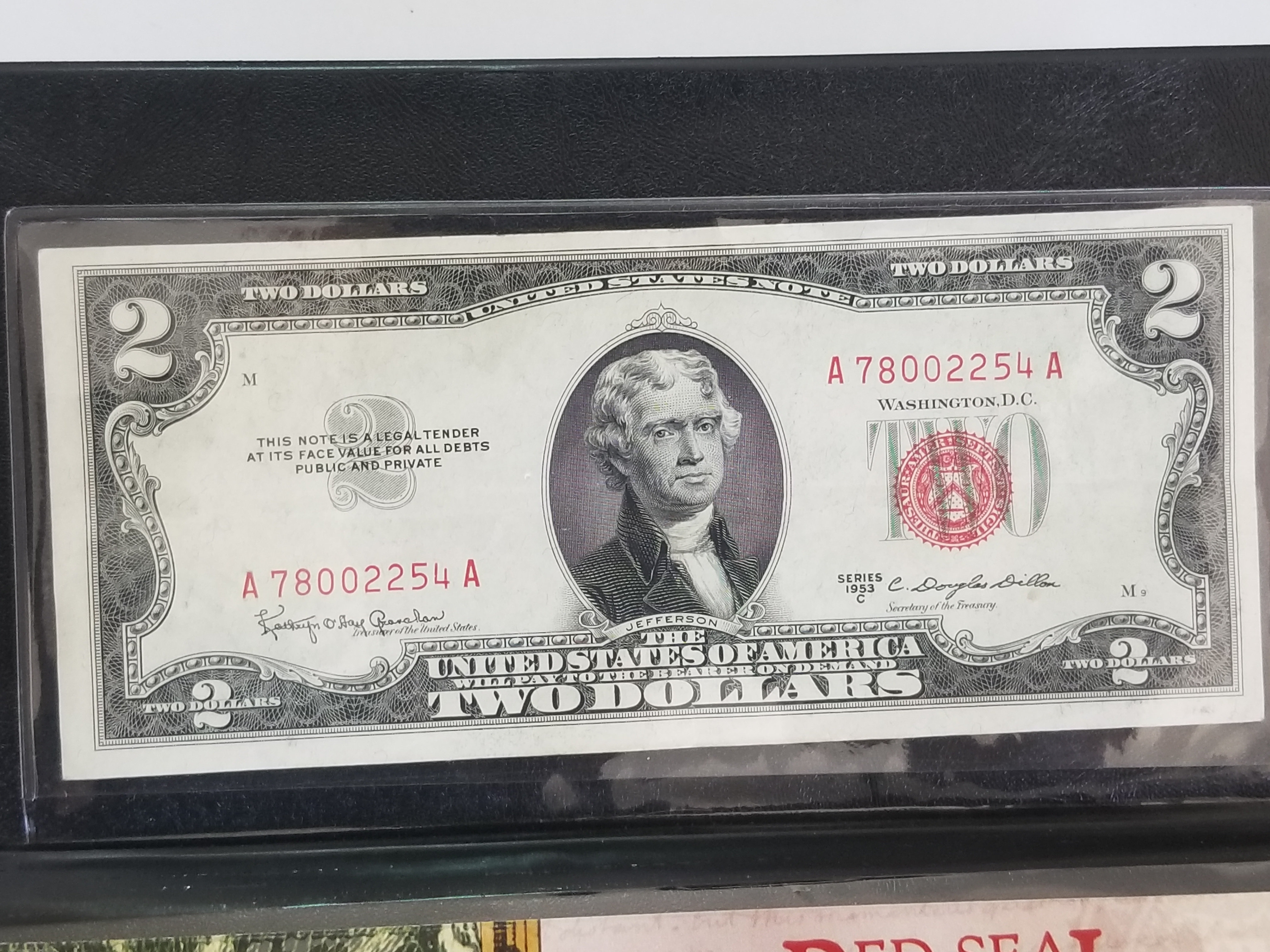
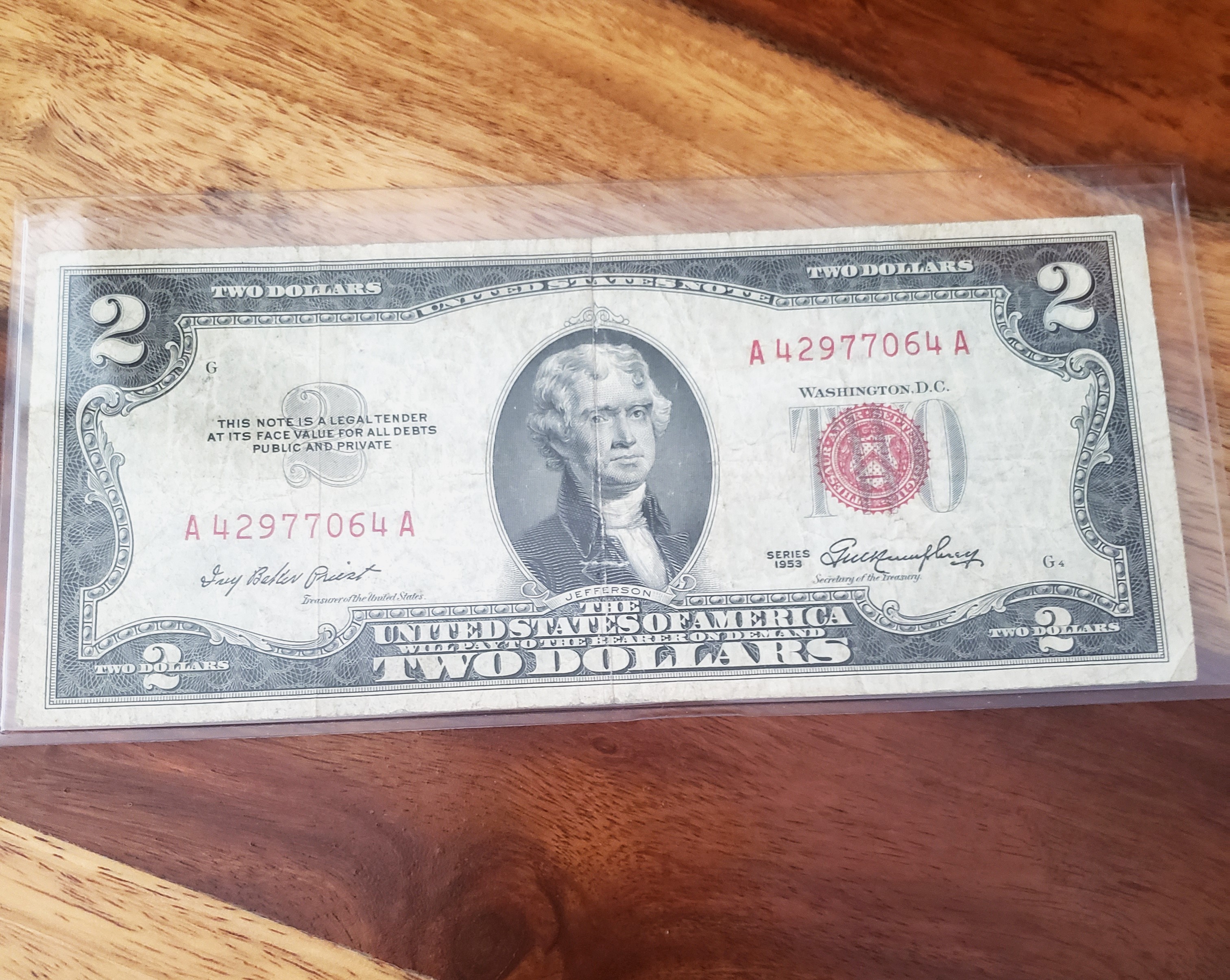
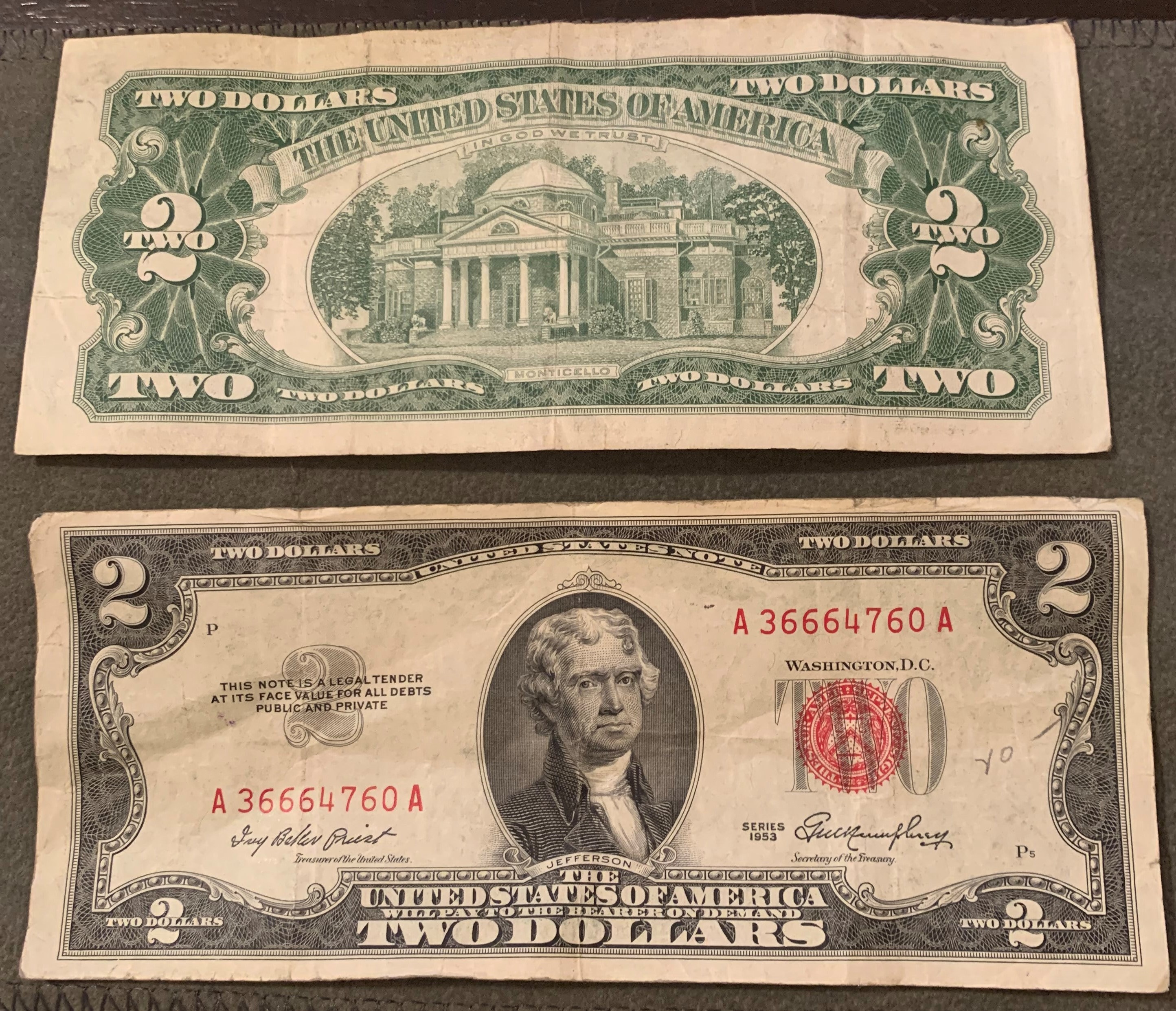
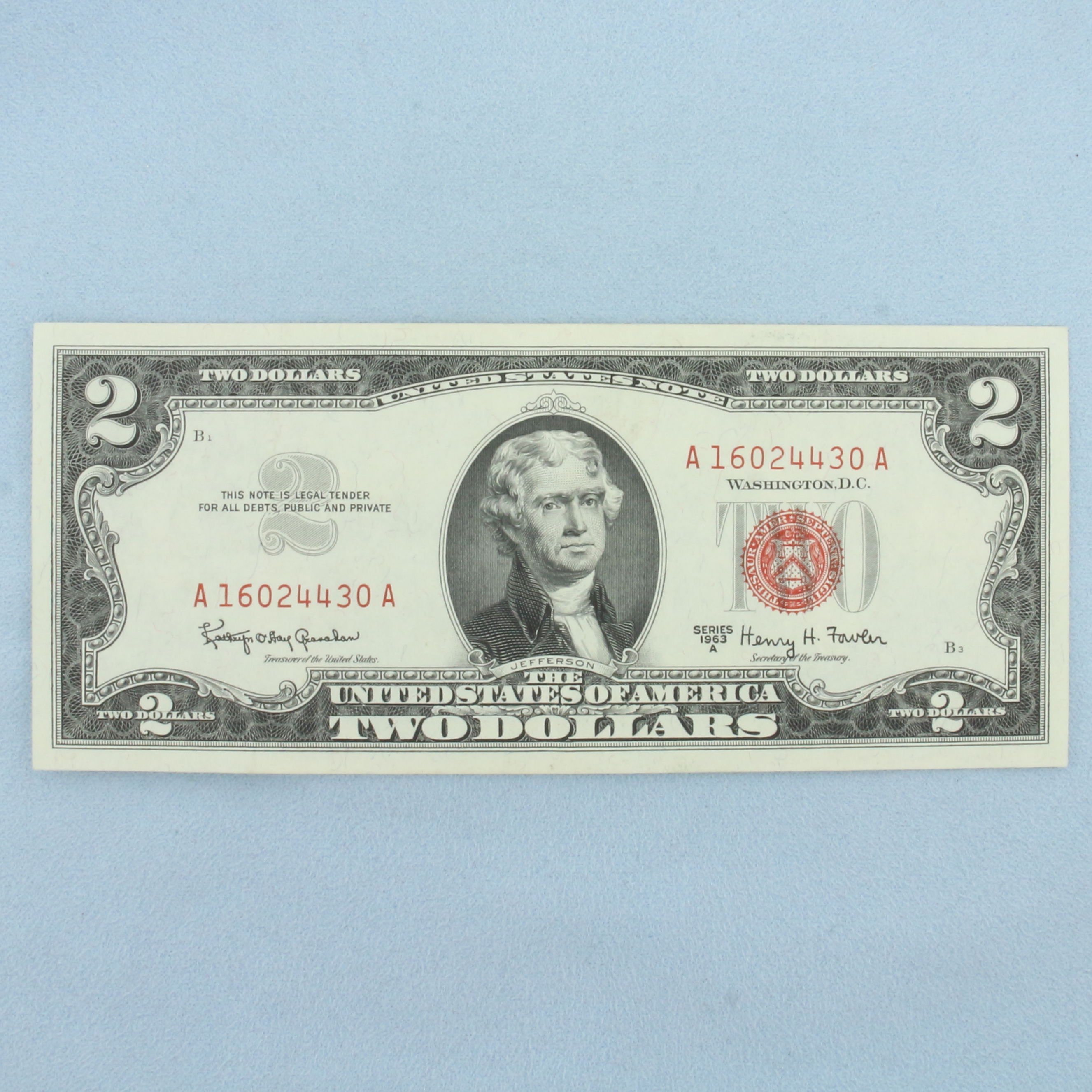
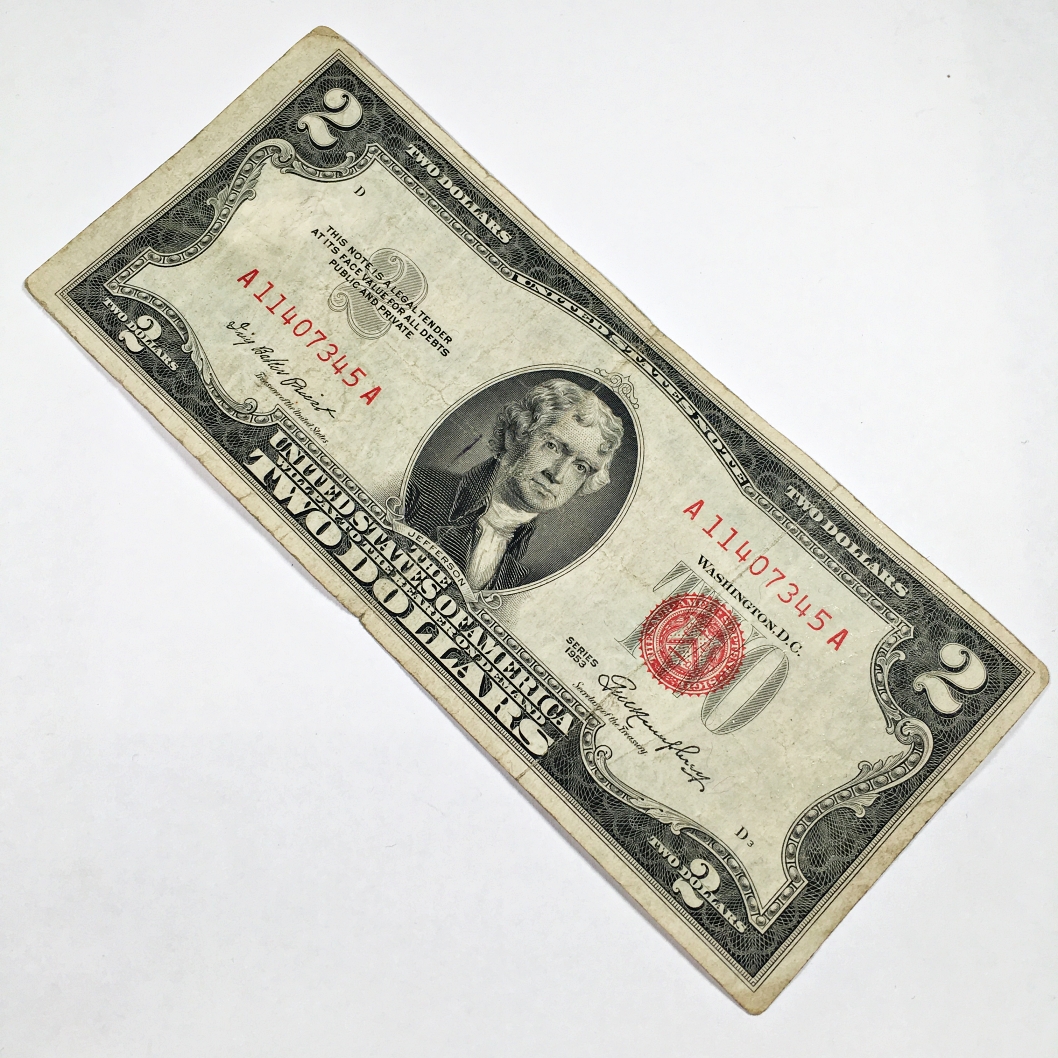
The 1953 $2 Red Seal is a United States Legal Tender Note featuring the portrait of Thomas Jefferson on the obverse and Monticello on the reverse. Distinguished by its signature red Treasury seal and red serial numbers, this currency i...
The 1953 $2 Red Seal is a United States Legal Tender Note featuring the portrait of Thomas Jefferson on the obverse and Monticello on the reverse. Distinguished by its signature red Treasury seal and red serial numbers, this currency is a staple for numismatists seeking to preserve mid-century American financial history.
Contents
Historical Context and Series Classification
The $2 denomination has held a unique place in the American monetary system, often referred to colloquially as the "lazy" or "lucky" two. The 1953 series represents one of the final iterations of the large-scale issuance of Legal Tender notes before the Bureau of Engraving and Printing transitioned toward the Federal Reserve Note standard that dominates today's circulation.
These notes were issued under the authority of the Act of March 3, 1863. Unlike Federal Reserve Notes, which are backed by assets held by the Federal Reserve Banks, Legal Tender Notes were backed directly by the United States Treasury. The red seal serves as a visual identifier that distinguishes these from the green-sealed Federal Reserve Notes and the blue-sealed Silver Certificates common to the same era.
Identifying Your Specific Note Variation
Not all 1953 $2 notes are identical. Collectors categorize these notes into three distinct sub-series, which significantly impact their market value and rarity in the 2026 numismatic market.
- Series 1953: The base model of the series, featuring signatures of the Treasurer of the United States and the Secretary of the Treasury consistent with the early 1950s administration.
- Series 1953A: Issued to reflect changes in Treasury administration. These remain relatively common compared to later variations but are highly sought after in pristine condition.
- Series 1953B/C: These notes saw adjustments in the signature combinations and are generally evaluated based on the specific Treasury officials listed on the face of the note.
Factors Influencing Collector Value in 2026
When evaluating the worth of a 1953 $2 Red Seal, you must move beyond the face value. The numismatic community relies on a standardized grading scale to determine price.
| Grading Condition | Physical Characteristics | Estimated Relative Value |
|---|---|---|
| Choice Uncirculated | No folds, crisp paper, original luster | Premium |
| Extremely Fine | Light handling, minimal corner wear | Mid-Range |
| Very Fine | Several folds, slight paper softening | Base Collector Price |
| Good/Fair | Heavy circulation, stains, or tears | Face Value / Minimal Premium |
Preservation Standards for Numismatic Assets
Asset Integrity To maintain the value of a 1953 $2 note, it is imperative to store the item in a PVC-free, archival-quality currency sleeve. Exposure to humidity or direct sunlight can cause the characteristic red ink of the seal to fade or the paper to yellow, which can result in a significant downgrade during professional grading by services such as PCGS or PMG.
Technical Specifications and Printing Anomalies
The 1953 series was produced using the intaglio printing process. The tactile feel of the ink on the paper is a primary indicator of authenticity. If the surface of the note feels perfectly flat or waxy, it may be a counterfeit or a modern facsimile.
Common features to inspect:
- The Red Seal: Should be crisp and positioned to the right of Jefferson’s portrait.
- Serial Numbers: Must match exactly in font style and the distinct red hue. Discrepancies in the serial font often indicate a reproduction.
- Paper Composition: Genuine notes of this era contain a specific ratio of cotton and linen, which provides a distinct "snap" when flicked.
The Significance of Signature Combinations
The signatures on the note serve as the definitive "Series" marker. Collectors often look for specific combinations of the Treasurer and the Secretary of the Treasury. The 1953 series signatures underwent changes as political administrations transitioned.
- 1953: Priest / Humphrey
- 1953A: Priest / Anderson
- 1953B: Smith / Dillon
- 1953C: Granahan / Dillon
Notes carrying the signatures of individuals with shorter tenures in office are frequently scarcer, leading to higher premiums among specialized collectors.
Frequently Asked Questions
Are 1953 $2 Red Seal notes still legal tender in 2026? Yes, these notes remain legal tender in the United States and retain their face value of $2. However, because their numismatic value significantly exceeds $2, it is not financially advisable to use them for standard commercial transactions.
How do I distinguish between a Legal Tender Note and a Silver Certificate? A Legal Tender Note is identified by a red seal and red serial numbers. A Silver Certificate of the same era will feature a blue seal and blue serial numbers, indicating it was once redeemable for physical silver bullion at the Treasury.
What is the best way to have my note authenticated? For high-value notes, professional grading through organizations like the Professional Coin Grading Service (PCGS) Currency or Paper Money Guaranty (PMG) is recommended. These services provide a tamper-evident holder and a verified grade that increases market liquidity.
Does a tear or fold render the note worthless? It does not make it worthless, but it significantly reduces the collector premium. A note with a clean, uncreased surface will always command a much higher price than one that has been folded or circulated heavily.
Should I clean my 1953 $2 note to improve its look? Never attempt to clean, iron, or "press" a vintage note. Professional collectors can identify artificial cleaning, and such actions are considered "damage," which will permanently lower the note’s grade and market value.
Strategic Acquisition Advice
For those looking to add a 1953 $2 Red Seal to a portfolio in 2026, prioritize "Gem Uncirculated" specimens. While the initial investment cost is higher, these notes demonstrate better long-term appreciation compared to circulated notes. Monitor major numismatic auctions and reputable currency dealers who provide certification. Avoid purchasing raw notes from unverified online marketplaces unless you have significant expertise in detecting counterfeits and assessing paper quality.
If you are currently holding a 1953 $2 Red Seal, treat it as a historical artifact. Seek a formal appraisal from a certified numismatist to determine if your specific series and signature combination falls into a higher rarity bracket.
Image Gallery