Navigating the MBTA Providence/Stoughton Line: 2026 Commuter Rail Guide
The MBTA Providence/Stoughton Line serves as a vital transit artery connecting Rhode Island’s capital to Boston’s South Station. As of 2026, the service operates under the Keolis Commuter Services contract, providing essential daily tr...
The MBTA Providence/Stoughton Line serves as a vital transit artery connecting Rhode Island’s capital to Boston’s South Station. As of 2026, the service operates under the Keolis Commuter Services contract, providing essential daily transit for commuters traveling through Norfolk and Bristol counties, with the Stoughton Branch currently serving as the terminus for its respective segment while long-term expansion projects remain in developmental phases.
Contents
Understanding the Providence/Stoughton Line Infrastructure
The Providence/Stoughton Line is unique within the MBTA Commuter Rail network due to its high-speed characteristics and its dual-state operation. It utilizes the Northeast Corridor (NEC) tracks owned by Amtrak, which necessitates strict adherence to both MBTA and Amtrak operational protocols.
The main trunk runs from Providence, Rhode Island, through key suburban hubs including Attleboro, Mansfield, Sharon, and Route 128, terminating at South Station in Boston. The Stoughton Branch, while historically significant, currently splits from the main line at Canton Junction. Understanding this geography is essential for daily commuters who must distinguish between trains terminating at Stoughton and those continuing to Wickford Junction via the Providence main line.
Key Operational Characteristics
- Ownership and Maintenance: The tracks are primarily maintained to Federal Railroad Administration (FRA) standards for high-speed rail, accommodating both MBTA Commuter Rail and Amtrak Acela/Northeast Regional services.
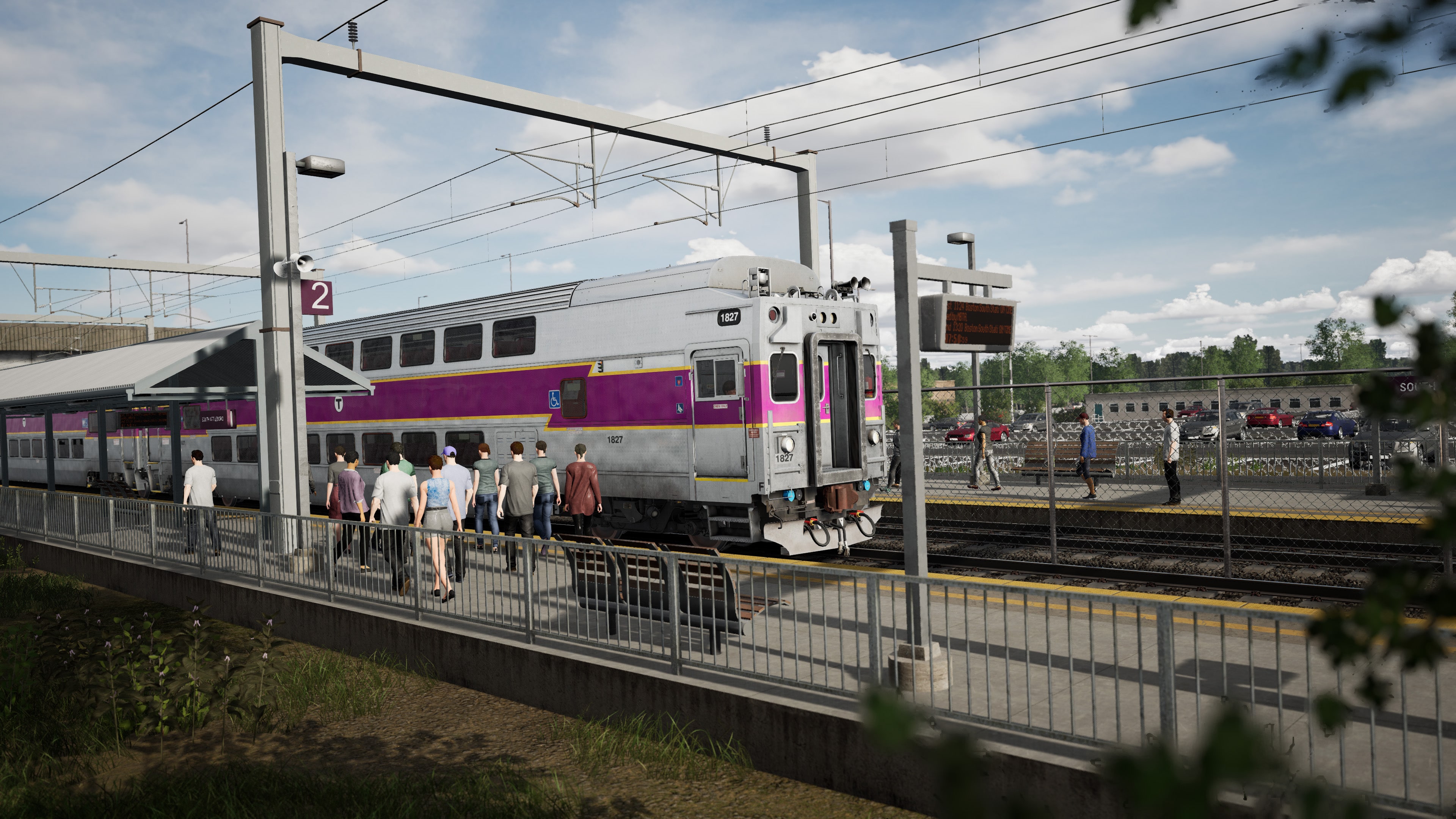
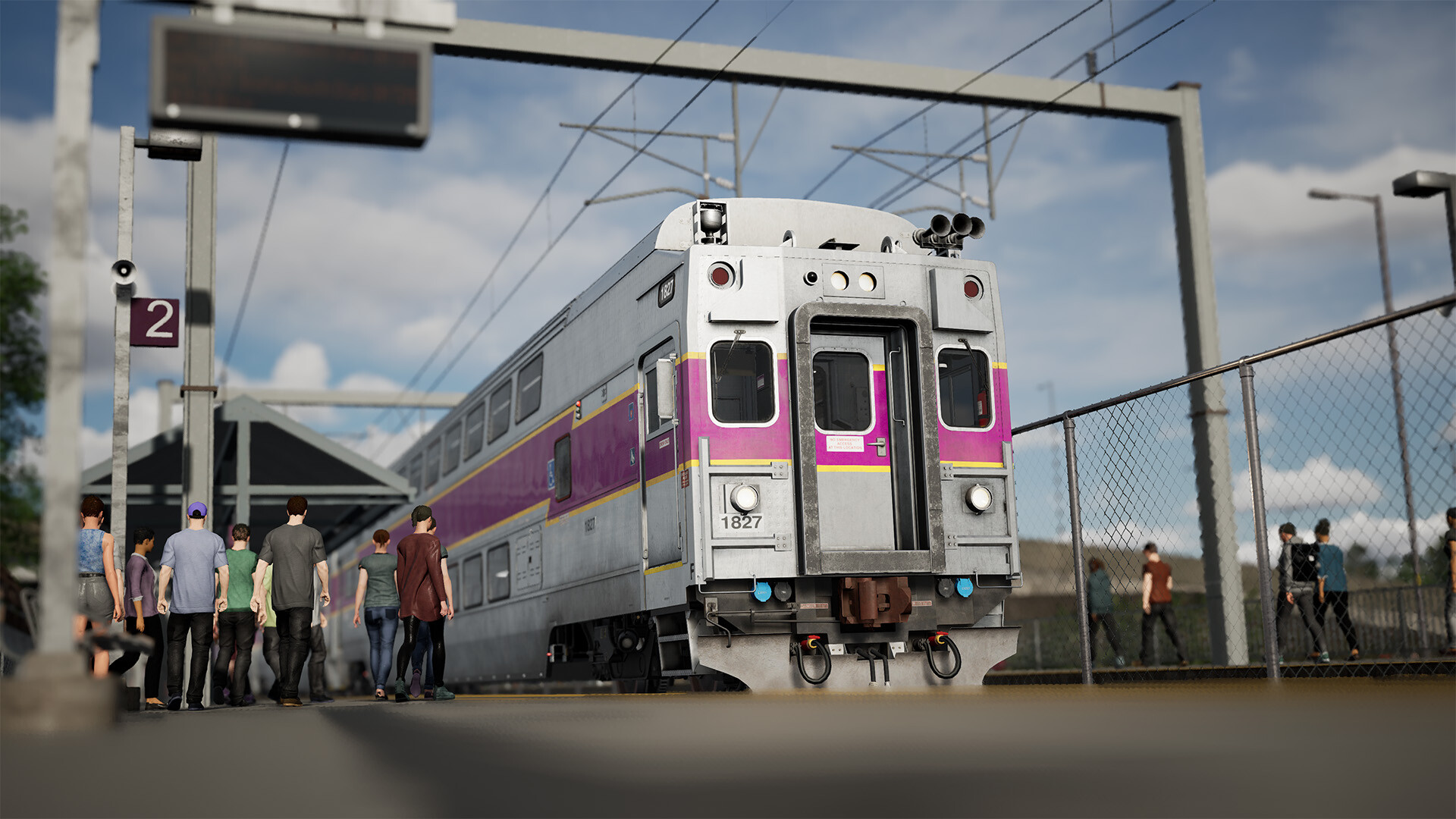
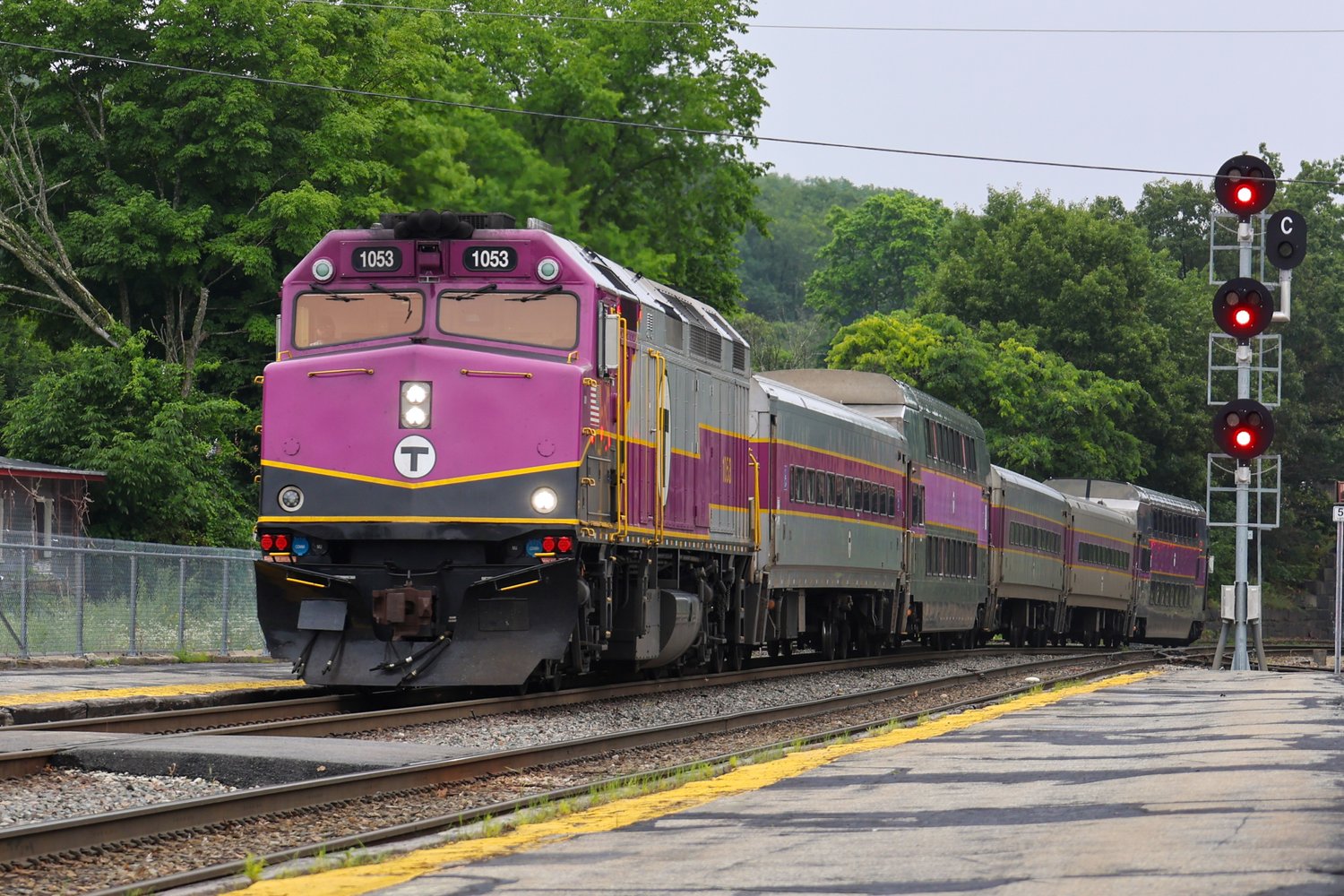
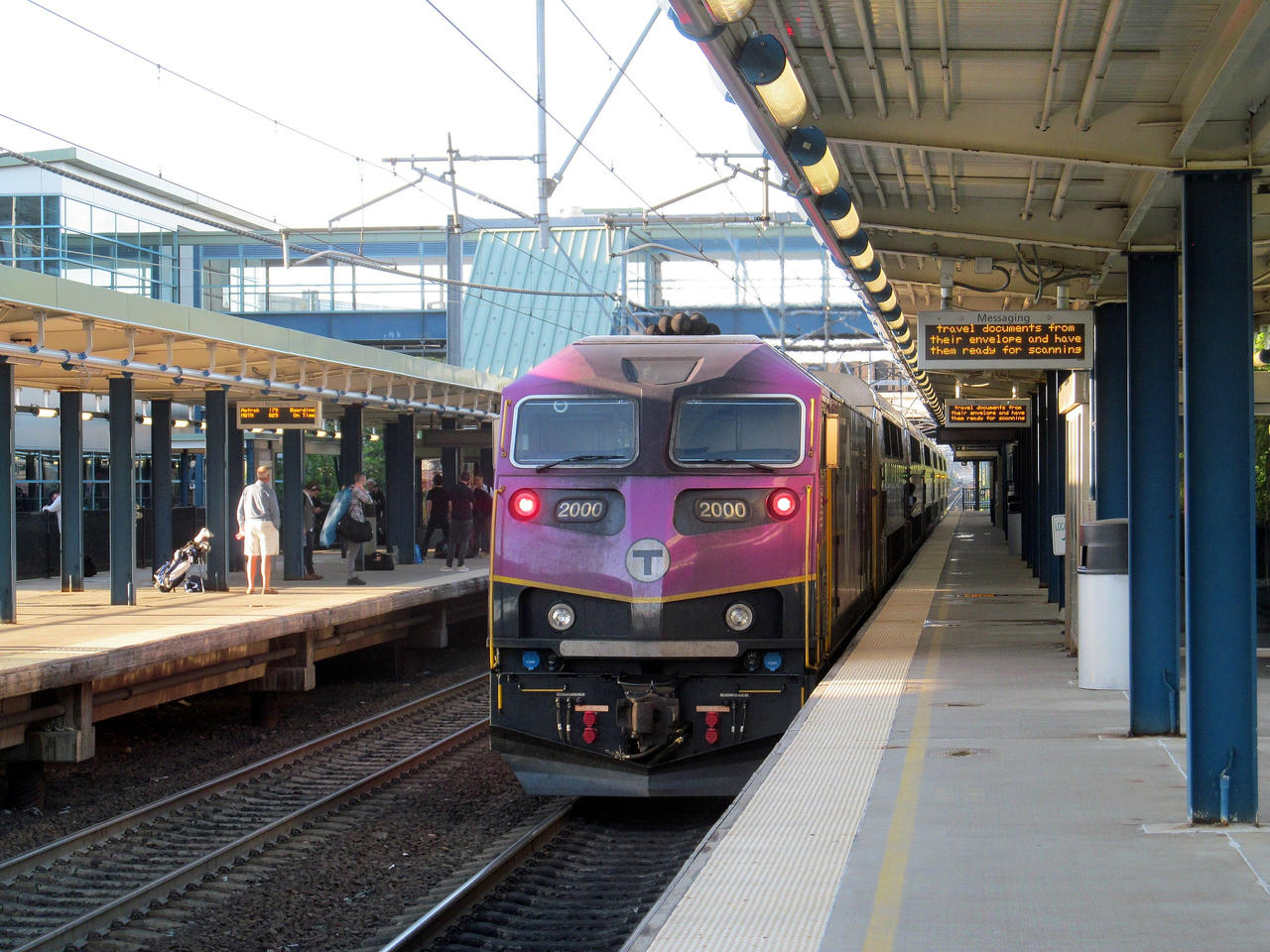
- Rolling Stock: The line predominantly utilizes HSP46 locomotives and bilevel Bombardier coaches. In 2026, accessibility features such as gap fillers and high-level platform adjustments remain the standard for all stations on this corridor.
- Signal Systems: The line operates under Positive Train Control (PTC) to ensure safety, a mandatory requirement for all MBTA lines operating on the Northeast Corridor.
Daily Commuting Requirements and Fare Structure
Navigating the system requires familiarity with the MBTA’s fare zones. The Providence/Stoughton Line spans several zones, which dictates the pricing of your monthly pass or one-way ticket.
Fare Payment Protocol
Mobile Ticketing: Riders are encouraged to use the mTicket app as the primary method for purchasing and validating tickets. This minimizes contact and provides real-time access to digital receipts.
CharlieCard Integration: While CharlieCards are used extensively across the subway and bus network, Commuter Rail fares remain zone-based. Always ensure your mobile ticket is activated before boarding to avoid penalties from conductors.
Paper Tickets: These are still available at station vending machines but are increasingly being phased out in favor of digital-first solutions.
Fare Zone Breakdown
| Station Segment | Typical Fare Zone | Operational Status |
|---|---|---|
| Providence / T.F. Green | Zone 8 | Active Service |
| Attleboro / Mansfield | Zone 6/7 | Active Service |
| Sharon / Route 128 | Zone 4/5 | Active Service |
| Stoughton / Canton Junction | Zone 4 | Active Service |
Strategic Planning for Daily Commuters
To optimize your commute in 2026, you must account for the specific interdependencies between the MBTA and Amtrak schedules. Because the line shares tracks with intercity rail, delays on the Northeast Corridor can cascade into the commuter rail schedule.
Essential Tips for Reliable Travel
- Real-Time Data: Always consult the official MBTA mobile application or the T-Alerts system before heading to the platform. 2026 updates provide enhanced GPS tracking for train proximity.
- Parking Capacity: Stations like Route 128 and Mansfield experience high demand for parking. Check the specific station's lot occupancy levels via the MBTA website if you are driving to the station during peak morning hours.
- The Stoughton Branch Nuance: If you are traveling to or from the Stoughton branch, confirm that your specific train does not terminate at Canton Junction. Transferring at Canton Junction is sometimes required depending on the specific weekday schedule cycle.
Comparing Commuter Options on the Corridor
When deciding between taking the train and driving via I-95 or I-93, consider the following technical and economic factors relevant to the 2026 landscape.
| Feature | MBTA Commuter Rail | Private Vehicle (I-95/I-93) |
|---|---|---|
| Cost Efficiency | Higher (Monthly Pass savings) | Variable (Fuel, tolls, parking) |
| Productivity | High (Work/Reading enabled) | Low (Focus on traffic) |
| Reliability | High (Dedicated right-of-way) | Low (Peak hour congestion) |
| Environmental Impact | Significant Carbon Reduction | High Emission per Passenger |
Infrastructure and Expansion Projects
As of 2026, the South Coast Rail project continues to reshape the landscape of regional transit. While the Providence/Stoughton line remains a distinct corridor, commuters should remain aware of potential service adjustments as the MBTA integrates new rail segments into the broader network. Any long-term updates regarding the Stoughton expansion—often referred to in regional planning documents—are managed directly by the MBTA's Capital Delivery department and are subject to federal funding approvals.
Frequently Asked Questions
Does the MBTA Providence/Stoughton Line run on weekends? Yes, the line operates on a weekend schedule that is typically less frequent than the weekday peak-hour schedule. Always verify the weekend-specific PDF timetable on the official MBTA website to ensure you do not miss the last train.
Are pets allowed on the train? Small domestic animals are allowed on the Commuter Rail provided they are in a travel carrier and do not disturb other passengers. During peak hours, it is advised to travel with pets only if absolutely necessary to maintain compliance with space constraints.
How do I report a lost item on the train? If you lose an item, contact the MBTA Lost and Found office at South Station. Items are typically held for a designated period before being processed for disposal or donation.
Is there Wi-Fi available on the trains? While some newer rolling stock may offer experimental Wi-Fi, the MBTA does not currently guarantee system-wide high-speed internet access for passengers. It is recommended to use your own mobile data hotspot for reliable connectivity.
What is the policy for bicycles on the train? Bicycles are permitted in the designated bike cars or areas marked with a bicycle symbol. On peak trains, space is limited, and conductors retain the authority to deny boarding if the train is at capacity for bicycles.
Troubleshooting Common Commute Issues
If you encounter a service disruption, the first step is to check if the issue is a track obstruction, signal failure, or vehicle maintenance delay. The MBTA provides "T-Alerts" via email and SMS, which remain the most accurate source of information in 2026. If a train is canceled, look for secondary transportation options such as the Commuter Rail "bridge" buses or local RTA (Regional Transit Authority) connections in the Rhode Island sector, though inter-agency transfers can be complex.
For consistent issues regarding fare collection or station maintenance, utilizing the online MBTA customer feedback portal is the most effective way to ensure your report reaches the appropriate department for review.
Authoritative Guidance for Your Journey
Maximize your efficiency by adopting a "digital-first" habit for your commute. By keeping your mobile pass ready and monitoring the T-Alerts feed during your morning coffee, you significantly reduce the risk of unexpected delays. For those traveling from the Stoughton branch, treat the Canton Junction station as your primary hub for checking connectivity to the main Boston line.
For the most accurate and up-to-date schedules, always refer to the official MBTA website and their primary transit portal for any service notices effective for the 2026 calendar year.
Image Gallery