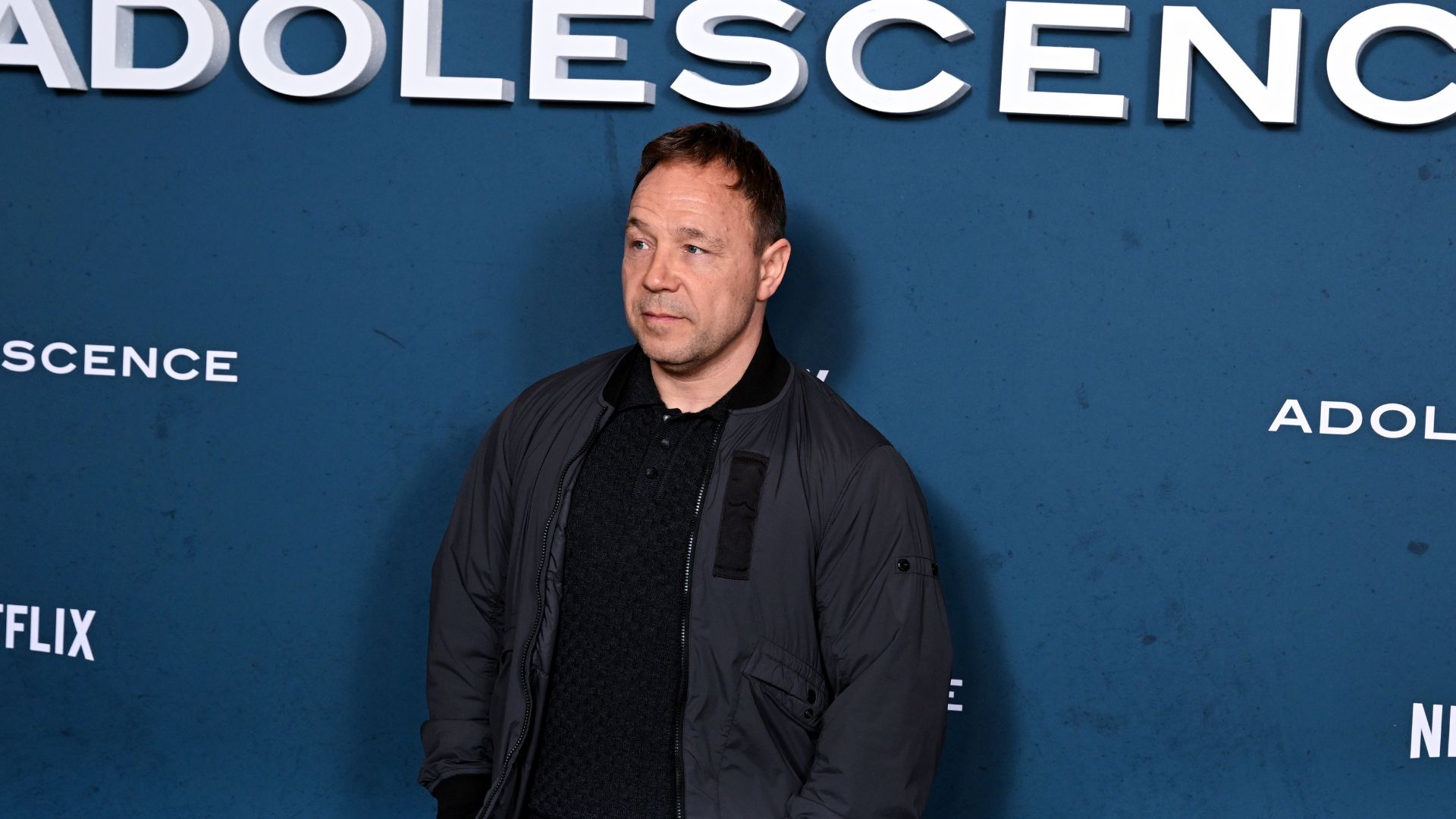
Understanding the Goal of Stephen Graham: Authenticity, Representation, and the Matriarch Vision
The primary goal of Stephen Graham is to dismantle systemic barriers in the film and television industry by championing authentic, working-class narratives and providing a platform for underrepresented voices. Through his production co...
The primary goal of Stephen Graham is to dismantle systemic barriers in the film and television industry by championing authentic, working-class narratives and providing a platform for underrepresented voices. Through his production company, Matriarch Productions, Graham aims to move beyond performance into industry-wide structural change, ensuring that talent—regardless of socio-economic background or neurodiversity—has a viable pathway to creative leadership.
Contents
Stephen Graham has long been recognized as one of the most formidable actors of his generation. From his breakout role as Combo in This is England to his commanding presence in Boardwalk Empire and Line of Duty, Graham has consistently chosen roles that demand psychological depth and raw realism. however, as of 2026, it has become clear that his career is no longer defined solely by the characters he portrays on screen. His broader objective involves a deliberate shift toward production and mentorship, aimed at rectifying the lack of diversity he experienced during his own rise in the British arts scene.
The Core Philosophy: Why Authenticity Matters in Modern Media
For Stephen Graham, the "goal" of his work is rooted in a philosophy of radical authenticity. He has often spoken about the "stiffness" of traditional British drama and the historical tendency of the industry to lean toward middle-class or "polished" interpretations of working-class life. Graham’s objective is to strip away these layers of artifice.
Humanizing the "Other"
A recurring theme in Graham’s career is the humanization of characters that society often deems irredeemable or invisible. Whether playing a white supremacist in This is England or a struggling chef in Boiling Point, his goal is to force the audience to find the humanity within the chaos. By 2026, this approach has become a hallmark of "Graham-esque" storytelling: a refusal to provide easy answers or stereotypical villains.
Challenging Socio-Economic Barriers
Graham is a vocal advocate for working-class actors. He has highlighted that the cost of drama school and the "unpaid internship" culture of early acting roles creates a gatekeeping effect that excludes talented individuals from lower-income backgrounds. His professional goal is to create a "ladder" that functions for everyone, not just those with financial safety nets. This involves advocating for better pay at the entry-level and more accessible casting calls across the UK, particularly in the North of England.
Matriarch Productions: The Vehicle for Change
The most significant manifestation of Stephen Graham’s goals is Matriarch Productions, the company he co-founded with his wife and fellow actor, Hannah Walters. While many actors start production companies as a "vanity project," Matriarch was established with a specific, mission-driven mandate.
Empowering New Writers and Directors
The primary function of Matriarch Productions is to seek out scripts that might otherwise be overlooked by major studios. Graham’s goal here is to serve as a bridge between "the street and the screen." By leveraging his significant industry capital, he can greenlight projects that feature unconventional narratives or "difficult" subject matter. This was notably seen in the expansion of Boiling Point from a short film to a feature and eventually a critically acclaimed series.
Inclusivity and Neurodiversity
Stephen Graham has been open about his own struggles with dyslexia, which influenced how he approaches scripts and performance. A major goal of his production house is to create a working environment that is accommodating to neurodiverse talent. This includes modifying traditional rehearsal processes and ensuring that the "set culture" is one of support rather than high-pressure judgment.
Regional Representation
A significant portion of Graham’s goal involves decentralizing the film industry from London. Matriarch Productions focuses heavily on filming in regional hubs like Liverpool, Manchester, and the Midlands. By doing so, they provide local jobs for crews and ensure that the accents and environments seen on screen are genuinely reflective of the UK's diverse geography.
Analyzing the Impact: Key Projects and Their Objectives
To understand Graham's goals, one must look at the specific projects he has championed. Each serves a distinct purpose in his broader mission to reshape the industry.
| Project | Primary Objective/Goal | Outcome/Impact |
|---|---|---|
| This is England | To showcase the complexities of 1980s subcultures and working-class identity. | Established a new standard for British social realism. |
| The Virtues | To explore the long-term effects of childhood trauma and systemic failure. | Won multiple awards for its raw, unvarnished portrayal of mental health. |
| Help | To highlight the crisis in the UK social care system during the COVID-19 pandemic. | Sparked national conversations about care-worker rights and funding. |
| Boiling Point | To capture the high-pressure reality of the hospitality industry using innovative filming. | Demonstrated that "real-time" storytelling can be commercially and critically successful. |
| Time | To critique the British penal system and the concept of rehabilitation. | Highlighted the cycle of violence and the need for prison reform. |
The "Actor-Producer" Model: Strategy and Execution
In 2026, the industry views Stephen Graham as a template for the modern "actor-producer." His strategy is not just about choosing good scripts but about the method of production.
- Collaborative Development: Graham often works with directors like Shane Meadows or Philip Barantini from the inception of a project. His goal is to ensure that the "voice" of the piece remains intact throughout the editing process.
- Mentorship on Set: He is known for mentoring younger cast members, often insisting on "no-ego" sets. This environment is designed to foster the next generation of actors who share his commitment to authenticity.
- Financial Sustainability: Graham understands that for his goals to be met, "diverse" stories must also be "profitable" stories. He has successfully proven to broadcasters like the BBC and streamers like Netflix that there is a massive global appetite for gritty, authentic British content.
Overcoming Industry Resistance
Understanding Stephen Graham’s goal also requires acknowledging the obstacles he faces. The film industry is historically risk-averse. Projects led by working-class voices are often pigeonholed as "niche" or "depressing."
Graham’s goal is to fight this "misery porn" label. He argues that depicting reality is not the same as depicting misery; rather, it is about depicting the resilience and humor of real people. He continues to challenge the "London-centric" bias of major production hubs, pushing for more investment in the British Film Institute (BFI) and other regional arts councils to support northern creators.
The Future: What Graham Seeks to Achieve by 2030
As we look toward the next decade, Graham’s goals have evolved from personal career milestones to systemic legacy. He has hinted at several long-term objectives:
- Establishing a Creative Hub: A dedicated space in the North of England for training young actors, writers, and technicians from low-income backgrounds.
- Expansion of Matriarch’s Slate: Moving into international co-productions that share the same "boots-on-the-ground" philosophy, potentially exploring working-class narratives in the US and Europe.
- Policy Advocacy: Using his platform to lobby for better protections for freelance workers in the arts, ensuring that the industry remains a viable career path for those without personal wealth.
FAQs
What is Stephen Graham's production company called?
Stephen Graham co-founded Matriarch Productions with his wife, Hannah Walters. The company’s goal is to provide a platform for underrepresented talent and to produce high-quality, authentic dramas that reflect real life.
Is Stephen Graham still acting while he produces?
Yes. Graham remains highly active as an actor. He views his acting roles as the "fuel" that allows him to gain the influence necessary to produce. By staying relevant as a top-tier performer, he maintains the leverage needed to get unconventional projects through the door.
How does Stephen Graham's dyslexia affect his goal?
His dyslexia is a primary motivator for his goal of increasing inclusivity. It has made him a proponent of "script-free" or improvisational styles of acting (as seen in many of his collaborations with Shane Meadows) and has led him to advocate for sets that accommodate different learning and processing styles.
Why is Stephen Graham so focused on working-class stories?
Graham comes from a working-class background in Kirkby, Merseyside. He has experienced firsthand how the "standard" industry path often ignores or misrepresents people from his community. His goal is to ensure that these stories are told by the people who live them, rather than being "filtered" through a middle-class lens.
Has Stephen Graham won any awards for his work?
Stephen Graham has been nominated for and won numerous awards, including BAFTA nominations for Best Actor and Best Supporting Actor. For the most up-to-date list of his accolades, you can visit the BAFTA Awards Database. However, he often states that the "work itself" and the impact it has on the audience are his primary measures of success.
Final Practical Recommendation
For those looking to align with Stephen Graham's vision or learn from his career trajectory, the most important takeaway is the value of creative integrity. Graham’s success demonstrates that you do not need to "posh up" or change your identity to succeed at the highest levels of the industry.
Aspiring creatives should focus on finding their unique "voice" and building a community of collaborators who share their values. If you are a writer or filmmaker with an authentic story to tell, look toward regional funding bodies and production companies like Matriarch that prioritize "realism over polish." The goal, as Graham shows, is not just to get into the room, but to leave the door open for everyone else behind you.
Image Gallery