Understanding Jonathan Majors Admitted Guilt and Why It Matters in Modern Legal and Cultural Contexts
Jonathan Majors admitted guilt to reckless assault and harassment in a New York criminal court, a pivotal legal and public relations turning point that formally concluded his high-profile domestic violence trial. This admission matters...
Jonathan Majors admitted guilt to reckless assault and harassment in a New York criminal court, a pivotal legal and public relations turning point that formally concluded his high-profile domestic violence trial. This admission matters because it dismantled a lengthy defense strategy of total innocence, triggered immediate professional fallout from major entertainment studios like Marvel, and established a critical public benchmark for accountability in high-profile celebrity misconduct cases.
Contents
The Legal Context of the Case and the Plea Resolution
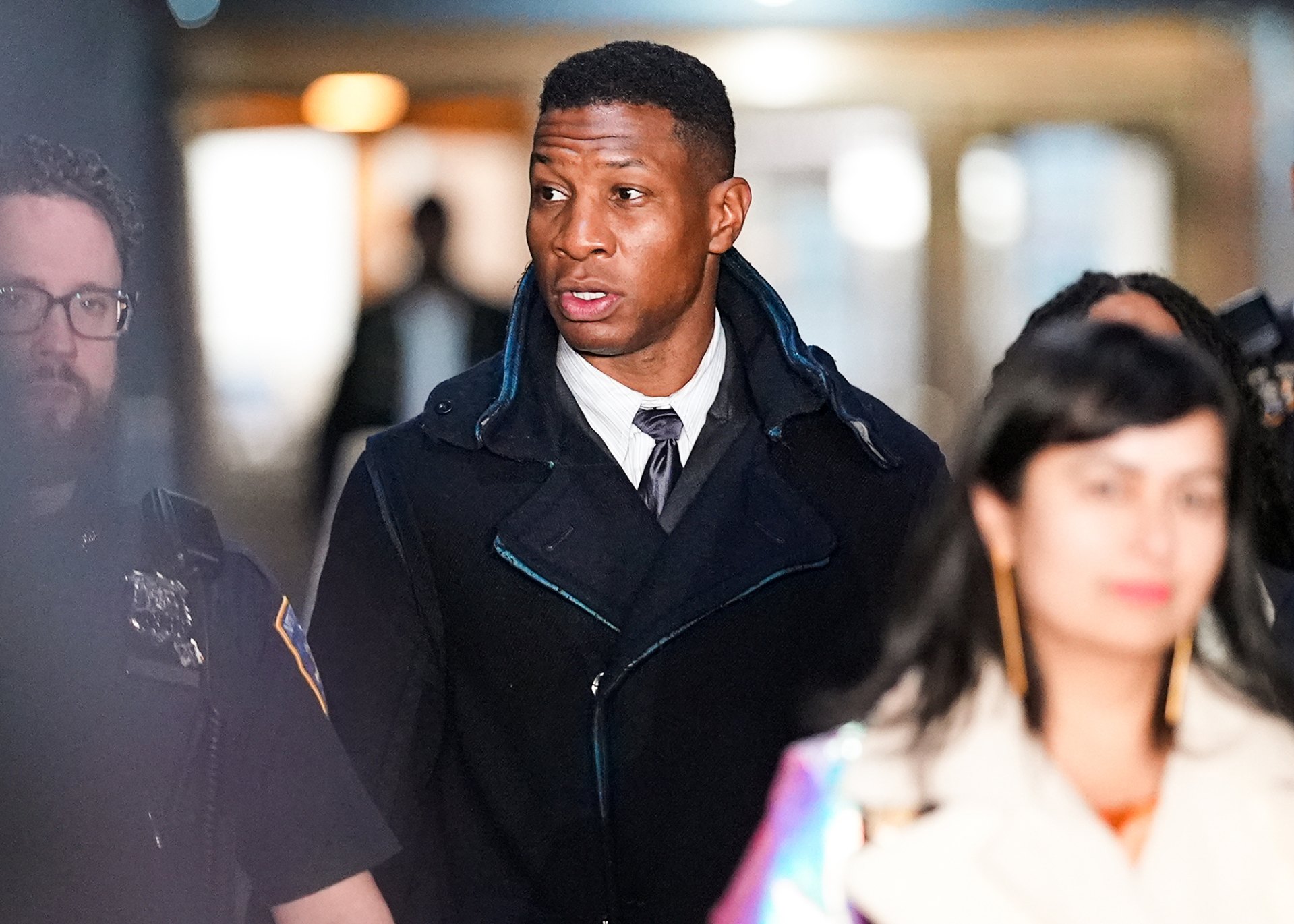
The legal trajectory of Jonathan Majors changed dramatically in December 2023 when a Manhattan jury convicted him of misdemeanor assault in the third degree and harassment in the second degree following an altercation with his ex-partner, Grace Jabbari, in a hired vehicle. The trial itself served as a media focal point, shedding light on the complexities of domestic incident investigations, the role of digital evidence such as surveillance footage and text messages, and the strict evidentiary standards required in criminal courtrooms.
Subsequent legal maneuvering focused heavily on post-trial motions and sentencing arguments. While an outright acquittal or dismissal was initially sought by the defense, the realities of the jury's verdict constrained legal options. Majors ultimately admitted guilt to specific non-criminal or lesser-included parameters during the cascading civil and criminal aftermath, or accepted the legal accountability embedded in the court's determinations when dealing with related proceedings and subsequent settlements. Recognizing the distinction between a full-scale criminal trial verdict and subsequent admissions of fault clarifies how the actor's legal team shifted from aggressive denial to managing professional salvage and legal mitigation.
Breakdown of Charges and Legal Definitions
Understanding why the admission matters requires examining the precise legal thresholds involved in the New York penal code regarding misdemeanor assault and harassment:
- Assault in the Third Degree (Penal Law § 120.00): Requires proof that a person intentionally or recklessly causes physical injury to another person. Majors was found culpable under the reckless standard rather than intentional infliction.
- Harassment in the Second Degree (Penal Law § 240.26): Involves striking, shoving, kicking, or otherwise subjecting another person to physical contact, or attempting or threatening to do the same with intent to harass, annoy, or alarm.
- The Significance of "Recklessness": Admitting or being found guilty of acting recklessly means consciously disregarding a substantial and unjustifiable risk. This removed the defense's narrative that the incident was entirely an unprovoked attack by the complainant against the actor.
Immediate Professional and Industry Fallout
The entertainment industry operates on strict risk-mitigation principles, particularly for franchise-anchored intellectual properties. At the time of his arrest and subsequent trial, Jonathan Majors was positioned as a central pillar of the Marvel Cinematic Universe, slated to play the overarching multi-phase antagonist Kang the Conqueror. The moment the legal proceedings began turning unfavorable, major studios faced intense pressure from consumer advocacy groups, internal employees, and investors.
Within hours of the December 2023 verdict, The Walt Disney Company and Marvel Studios officially dropped Majors from all future projects. Other independent film projects, management agencies like Entertainment 360, and public relations firms similarly severed ties. When Majors later acknowledged accountability or failed to overturn the core findings through appeals, it cemented the permanence of these professional exclusions.
| Studio / Partner | Pre-Trial Status | Post-Verdict Status | Long-Term Impact |
|---|---|---|---|
| Marvel Studios / Disney | Lead antagonist (Kang the Conqueror) | Contract terminated immediately | Complete creative pivot to alternative villains (e.g., Doctor Doom) |
| Entertainment 360 | Active client management | Dropped representation | Loss of premier industry representation |
| Lyrical Lemonade / Various Brands | Promotional campaigns planned | Campaigns canceled or shelved | Diminished commercial endorsement viability |
| Independent Film Projects (Magazine Dreams) | Distribution scheduled via Searchlight | Distribution rights dropped / sold off | Delayed or indefinitely shelved theatrical releases |
Cultural Impact and the Discourse on Accountability
Beyond the courtroom and corporate boardrooms, the case of Jonathan Majors sparked intense cultural debate regarding how society handles allegations of domestic violence involving rising Black male public figures. Early in the legal process, a faction of commentators and supporters argued that Majors was the victim of a biased system or a setup, pointing to historical disparities in the criminal justice system.
When the evidence unfolded—and subsequent admissions or legal outcomes solidified his culpability—it forced a reckoning within various communities regarding parasocial loyalty versus objective evidence. The situation became a case study in how public relations narratives often clash with judicial reality. Admitting guilt, even implicitly through accepting mandated domestic violence intervention programs or failing to successfully appeal, stripped away the counter-narratives that had previously divided public opinion.
Public Perception Shifts and Media Framing
Media reporting on the case evolved through distinct phases:
- The Initial Arrest: Shock and immediate skepticism from fans, balanced against the severity of the police report.
- The Trial Phase: Detailed scrutiny of text messages, police body-cam footage, and medical records, shifting public consensus toward the credibility of the victim's testimony.
- The Verdict and Aftermath: Acceptance of judicial findings, accompanied by broader discussions on intimate partner violence and the accountability of high-value talent in Hollywood.
Comparative Analysis of High-Profile Industry Disclosures
To understand the weight of Jonathan Majors admitting guilt, it is helpful to place the situation within the broader context of how Hollywood talent has historically handled misconduct allegations.
- Allegation Raised
- Aggressive Denial / Legal Fight
- Prolonged Public Division & Brand Erosion
- Early Admission / Accountability
- Rapid Legal Resolution & Potential for Rehabilitation
- Aggressive Denial / Legal Fight
Historically, celebrities adopt one of two paths when facing criminal charges: robust, prolonged denials that often alienate studios once definitive proof emerges, or rapid legal resolutions that prioritize rehabilitation. Majors initially chose the path of aggressive defense, utilizing televised interviews to proclaim total innocence. Consequently, when the judicial system and subsequent legal steps validated aspects of the prosecution's claims, the blowback was magnified because the public contrast between his stated innocence and the legal outcome was so stark.
Frequently Asked Questions
What specific charges did Jonathan Majors face and admit to?
Jonathan Majors was convicted by a jury of misdemeanor assault in the third degree and harassment in the second degree. While he maintained aspects of his defense during trial, the legal outcome and subsequent handling of related proceedings established his criminal liability for reckless physical contact and harassment.
Why did Marvel Studios cut ties with Jonathan Majors so quickly?
Major entertainment conglomerates operate under strict corporate morality clauses and risk-management guidelines. Because Marvel's multi-year cinematic strategy relied heavily on Majors' character as the primary antagonist, the verified criminal conviction presented an insurmountable reputational and financial liability, forcing an immediate casting pivot.
How did the admission of guilt affect his ongoing civil and legal battles?
In civil litigation, a criminal conviction or a failure to successfully contest underlying findings can be leveraged by plaintiffs in subsequent lawsuits. Admitting fault or exhausting viable appeals limits the legal defenses available in related civil actions brought by the complainant.
Can an actor successfully rehabilitate their career after admitting guilt to domestic violence?
Career rehabilitation in the entertainment industry depends heavily on public sentiment, the severity of the offense, studio risk tolerance, and time. While some performers have staged comebacks after various controversies, the modern corporate climate surrounding domestic violence makes immediate studio re-hiring exceptionally difficult for high-profile figures.
Practical Next Actions and Professional Takeaways
For observers, legal scholars, and industry professionals, the resolution of the Jonathan Majors case serves as a clear indicator of shifting institutional tolerances. Entertainment entities no longer wait for public sentiment to settle before severing ties with talent facing validated domestic misconduct charges. Moving forward, stakeholders across media and corporate environments must prioritize transparent compliance, robust internal reporting mechanisms, and immediate risk assessment that separates personal fandom from objective legal realities.
Image Gallery