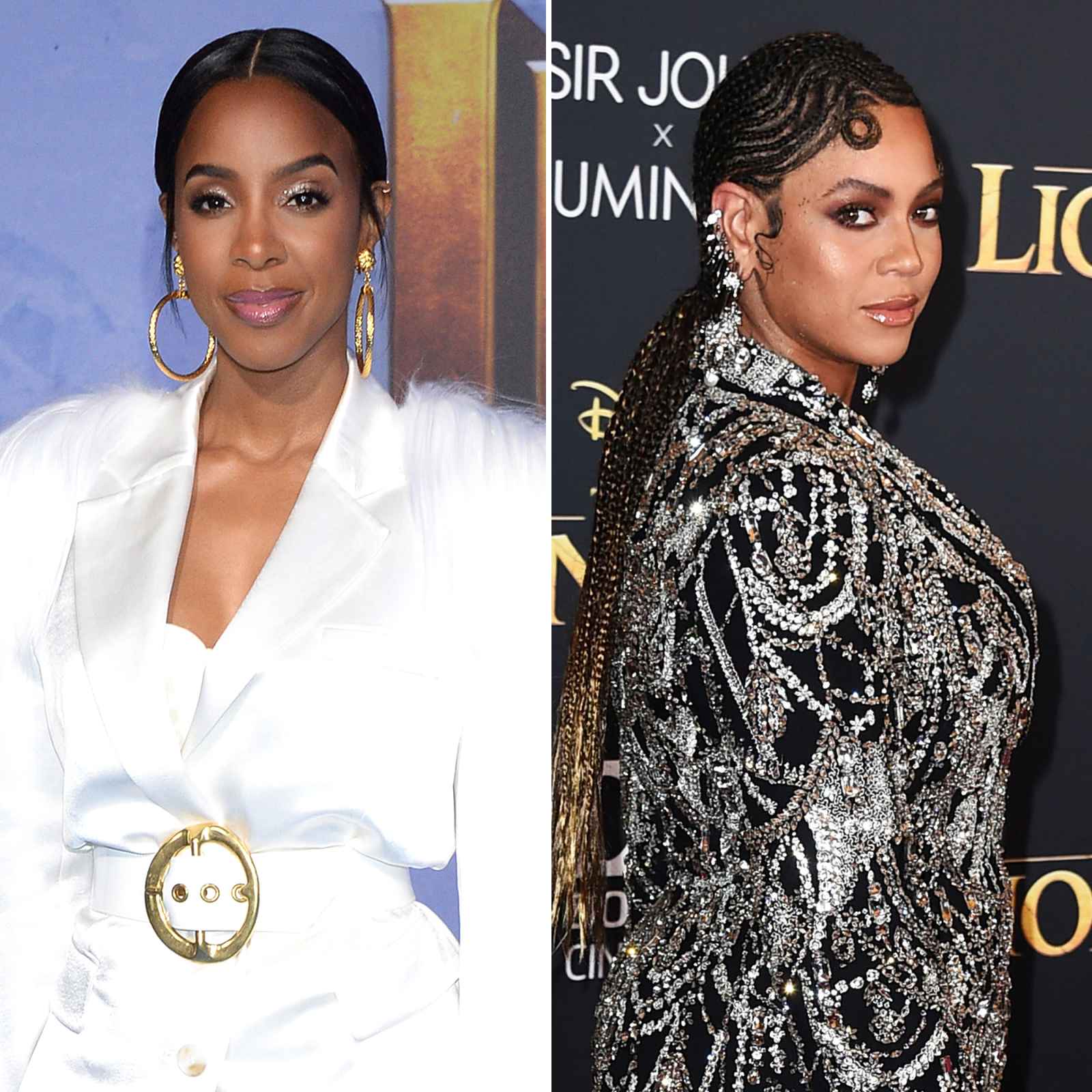
Why Kelly Rowland Is Tied to Beyoncé in Pop Culture
Kelly Rowland and Beyoncé Knowles-Carter are inextricably linked in pop culture due to their shared upbringing in Houston, Texas, their foundational roles as the core constant members of Destiny’s Child, and decades of public sisterhoo...
Kelly Rowland and Beyoncé Knowles-Carter are inextricably linked in pop culture due to their shared upbringing in Houston, Texas, their foundational roles as the core constant members of Destiny’s Child, and decades of public sisterhood. Their relationship also became a media touchstone for discussing group dynamics, solo transitions, and navigating identity alongside world-renowned superstardom.
Contents
Deep Historical Roots: From Girl's Tyme to Family Life in Houston
The pop culture connection between Kelly Rowland and Beyoncé began long before either artist achieved international stardom. Born in Atlanta, Georgia, Kelly Rowland moved to Houston, Texas, as a child. By the early 1990s, Rowland had joined Beyoncé in the early iterations of what would become one of the most successful girl groups in history.
During their early teens, Rowland moved into the Knowles household. Beyoncé’s parents, Mathew Knowles and Tina Knowles (now Knowles-Beyincé), played instrumental roles in Rowland’s personal development and early career management. Mathew Knowles served as the group’s manager, while Tina Knowles designed their iconic performance outfits and offered personal care. Living under the same roof fostered a sisterly bond between Rowland and Beyoncé that extended beyond standard group membership.
Before adopting the name Destiny's Child, the performers competed on the television talent show Star Search in 1993 under the name Girl's Tyme. Although the group did not win, the shared experience of early setback, rigorous rehearsal schedules, and parental management forged an enduring personal and professional relationship between the two young vocalists.
The Destiny's Child Era: The Backbone of a Global Phenomenon
Throughout the late 1990s and early 2000s, Destiny’s Child evolved into one of the best-selling female vocal groups of all time. While the group experienced several lineup changes—transitioning from a quartet featuring original members LaTavia Roberson and LeToya Luckett to a trio completed by Michelle Williams—Beyoncé and Kelly Rowland remained the two constant founding members.
- Girl's Tyme / Early Quartet (1990s)
- Beyoncé Knowles
- Kelly Rowland
- LaTavia Roberson
- LeToya Luckett
- Destiny's Child Trio (2000–2005)
- Beyoncé Knowles (Lead Vocalist / Co-writer)
- Kelly Rowland (Core Founder / Harmony & Lead Vocalist)
- Michelle Williams (Tenor / Gospel Vocalist)
As Destiny’s Child broke commercial records with chart-topping albums like The Writing's on the Wall (1999) and Survivor (2001), media coverage consistently highlighted Beyoncé and Rowland as the emotional and structural anchors of the group. Tracks such as "Say My Name," "Survivor," "Bootylicious," and "Independent Women Part I" defined the R&B and pop landscape at the turn of the millennium.
Because Rowland’s vocal harmonies complemented Beyoncé’s lead vocals, music critics and fans came to view their artistic chemistry as essential to the signature Destiny's Child sound. Even as the group took hiatuses to allow members to explore individual ventures, their collective legacy ensured that Rowland’s name remained intertwined with Beyoncé’s in discussions of pop music history.
Media Framing and the "Beyoncé Shadow" Narrative
A significant factor keeping Kelly Rowland tied to Beyoncé in public discourse is the way pop culture media frames group dynamics and solo breakouts. Music journalism has historically fixated on comparing lead vocalists to secondary members, creating recurring archetypes for group alumni.
When Destiny's Child members began releasing solo projects in 2002, Beyoncé experienced massive global success with her debut album Dangerously in Love (2003). Meanwhile, Kelly Rowland scored a massive global hit of her own with "Dilemma" (featuring rapper Nelly), which topped the Billboard Hot 100 for ten weeks, as well as her debut solo album Simply Deep (2002).
Despite Rowland’s substantial solo achievements—including multi-platinum singles, international chart triumphs, and acting roles—tabloid media often used Beyoncé’s unprecedented commercial trajectory as a benchmark to evaluate Rowland’s success. Over the years, Rowland has addressed this dynamic candidly in interviews, acknowledging that while public comparisons were a persistent hurdle early in her solo career, her personal affection for Beyoncé never wavered.
This ongoing media dialogue turned the pair into a primary reference point in pop culture discussions about friendship, competition, and individual identity within high-profile artistic partnerships.
Key Milestones in Beyoncé and Kelly Rowland’s Shared History
The following table outlines key historical moments that highlight the shared professional and cultural journey of Kelly Rowland and Beyoncé:
| Year | Event / Milestone | Pop Culture Significance | Shared Impact |
|---|---|---|---|
| 1993 | Star Search Appearance | Early television exposure as members of Girl's Tyme. | Established their shared work ethic and early talent development. |
| 1997 | Major Label Debut | Released "No, No, No" under Columbia Records as Destiny's Child. | Marked the beginning of their mainstream commercial success. |
| 1999 | The Writing's on the Wall | Released landmark R&B album featuring "Say My Name." | Solidified their position atop global pop and R&B charts. |
| 2002 | Initial Solo Era | Rowland releases Simply Deep; Beyoncé releases Dangerously in Love (2003). | Proved both artists could achieve global chart-topping hits independently. |
| 2005 | Destiny's Child Disbandment | Formal end of the group after the Destiny Fulfilled tour. | Transitioned their relationship from active bandmates to individual solo icons. |
| 2013 | Super Bowl XLVII Halftime Show | Surprise reunion performance during Beyoncé's halftime set. | Demonstrated enduring stage chemistry to over 100 million viewers. |
| 2018 | Coachella Performance ("Beychella") | Destiny's Child reunion set during Beyoncé's historic festival headline slot. | Reaffirmed their joint cultural impact on modern festival culture. |
Public Reunions and Enduring Sisterhood
Unlike many legendary music groups that broke up amidst bitter legal disputes or public rivalries, Destiny's Child managed their transition to solo careers with mutual public support. This harmony reinforced the perception of Rowland and Beyoncé as family rather than mere former colleagues.
High-profile live performances have repeatedly brought the duo back together on stage alongside Michelle Williams:
- Super Bowl XLVII Halftime Show (2013): Rowland and Williams joined Beyoncé on stage in New Orleans, performing hits like "Bootylicious" and "Single Ladies (Put a Ring on It)."
- Coachella (2018): During Beyoncé's historic headline performance, Rowland and Williams reunited for a medley of Destiny’s Child classics, generating widespread media coverage.
- Film Premieres and Public Appearances: Rowland is a regular guest at Beyoncé's movie premieres, album launch events, and private family celebrations, frequently documenting their close relationship on social platforms and red carpets.
These deliberate reunions demonstrate that their connection is rooted in real-life history rather than corporate branding, keeping their joint legacy active for new generations of music listeners.
The "Kelly and Beyoncé" Metaphor in Pop Culture Tropes
Beyond their real-world actions, the names "Kelly and Beyoncé" have evolved into a cultural shorthand within television, film, music commentary, and digital internet culture.
- The Gold Standard of Vocal Duos: Writers and commentators use the pair as an example of complementary talent, where distinct vocal styles combine to create a balanced harmonic sound.
- Comparative Idiom for Group Dynamics: In discussions about boy bands, girl groups, or athletic teammates, media commentators often ask who holds the "Beyoncé" role versus the "Kelly" role. This metaphor describes the dynamic between an undeniable focal figure and a multi-talented partner who provides critical backing and individual brilliance.
- Internet Nostalgia and Memes: The mid-2000s music video for "Dilemma"—where Kelly Rowland famously attempts to text Nelly using a Microsoft Excel spreadsheet on a Nokia phone—remains a popular internet meme. Commentators frequently connect this nostalgic era back to the larger Destiny's Child universe.
Navigating Comparison: Rowland’s Perspective on Her Legacy
Over the years, Kelly Rowland has offered valuable insight into how she navigates her personal identity while being linked to one of the most influential figures in modern music history.
In television appearances and podcast interviews, Rowland has spoken about the psychological work required to detach her self-worth from media comparisons. She has emphasized that appreciating her own distinct artistry—spanning multi-platinum solo hits like "Motivation," judging hit talent competitions like The X Factor and The Voice, and starring in feature films—allowed her to celebrate Beyoncé's achievements without feeling diminished by them.
By speaking openly about these challenges, Rowland transformed what could have been a restrictive media narrative into a story of self-determination, maturity, and long-term friendship.
Frequently Asked Questions
Did Kelly Rowland live with Beyoncé growing up?
Yes. During their teenage years in Houston, Kelly Rowland moved into the Knowles family household. Mathew Knowles became her co-manager, and Tina Knowles provided care and designed performance attire for the group, establishing a sibling-like bond between Kelly and Beyoncé.
What are Kelly Rowland's biggest solo hits?
Kelly Rowland has achieved major international solo success. Her most notable singles include the global number-one hit "Dilemma" with Nelly, "Stole," "Like This" (featuring Eve), "Commander" (featuring David Guetta), and the multi-platinum R&B hit "Motivation" (featuring Lil Wayne).
How many times have Destiny's Child reunited on stage?
Since their formal disbandment in 2005, Destiny's Child has reunited for several major high-profile performances, including the 2013 Super Bowl XLVII Halftime Show, the 2015 Stellar Gospel Music Awards, and Beyoncé’s headline performance at Coachella in 2018.
Have Kelly Rowland and Beyoncé collaborated on solo tracks?
Yes. Beyond their work in Destiny's Child, Kelly Rowland contributed background vocals to tracks on Beyoncé’s solo projects, and Beyoncé featured on Kelly Rowland's track "You Changed" from her 2013 album Talk a Good Game, alongside Michelle Williams.
Why does media commentary often compare group members to Beyoncé and Kelly Rowland?
The pair served as the public reference point for modern girl-group solo transitions. Because Beyoncé achieved unprecedented global superstardom while Rowland also achieved major solo chart success, their trajectories became the standard archetype for media discussions surrounding group dynamics, lead singers, and solo careers.
Key Takeaways for Pop Culture Observers
To fully understand why Kelly Rowland remains tied to Beyoncé in pop culture, evaluate their relationship through these three distinct lenses:
- Historical Foundation: Recognize that their connection predates stardom, rooted in a shared childhood home, rigorous early training, and family ties in Houston.
- Artistic Partnership: Acknowledge that Destiny's Child achieved its signature sound and global success primarily through the structural continuity of Beyoncé and Rowland as core members.
- Cultural Metaphor: Understand that media outlets continue to use their names as a pop-culture shorthand for group dynamics, solo transitions, and navigating personal success alongside an iconic peer.
For fans and pop culture scholars analyzing music history, Kelly Rowland and Beyoncé represent both a historical musical powerhouse and a modern example of long-term artistic sisterhood.
Image Gallery