Navigating Insurance Auto Auction Lot 27837979: Verification, Vehicle History, and Buying Guide
When researching a specific salvage vehicle designated by an inventory identifier such as "27837979 insurance auto auction lot," buyers must carefully analyze vehicle history records, auction platform protocols, licensing prerequisites...
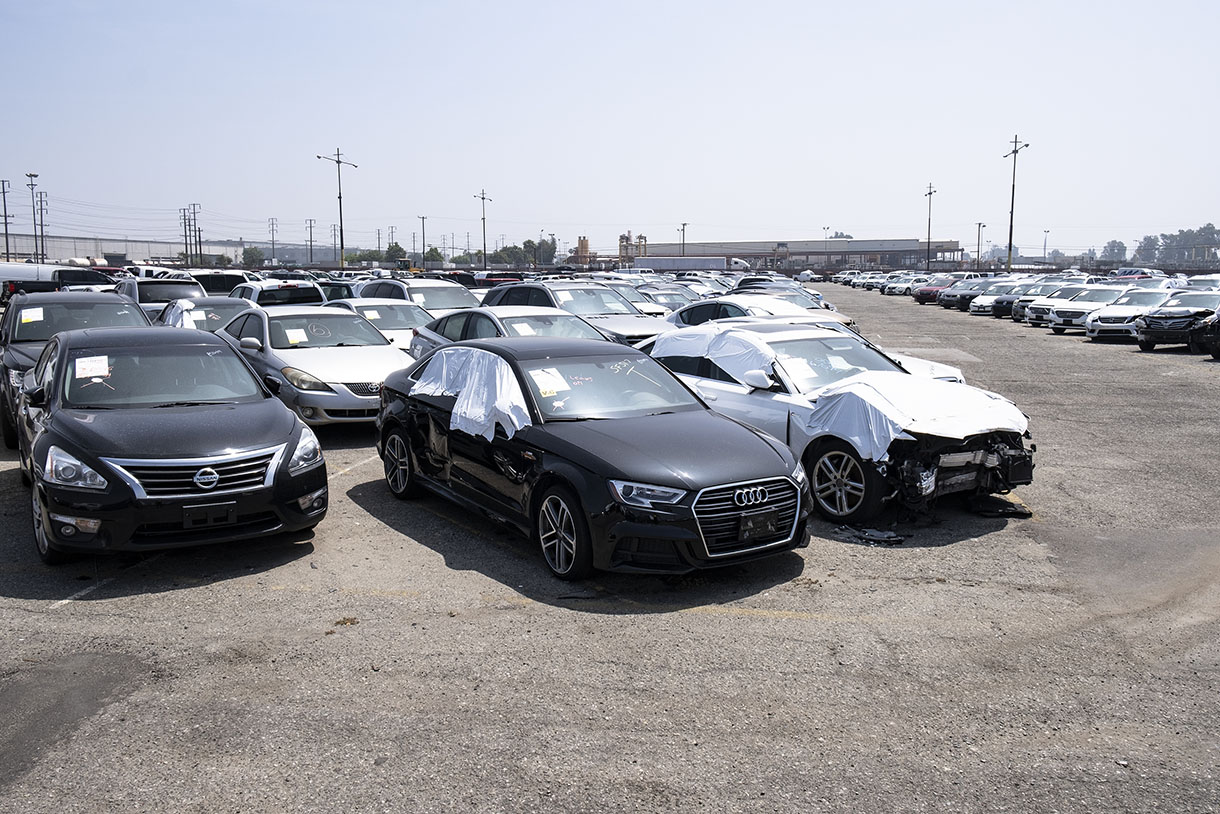
When researching a specific salvage vehicle designated by an inventory identifier such as "27837979 insurance auto auction lot," buyers must carefully analyze vehicle history records, auction platform protocols, licensing prerequisites, and potential mechanical liabilities. Specific alphanumeric strings and numerical IDs of this nature typically correspond to unique listings on major salvage and insurance vehicle auction platforms, including Copart, IAAI (Insurance Auto Auctions), or regional independent liquidators.
Contents
Understanding how to track, verify, and bid on a specific inventory lot requires a structured approach to salvage vehicle acquisition. Whether you are an experienced rebuilders, a licensed automotive dealer, or an individual seeking a project car, navigating a specific lot number involves verifying title statuses, assessing structural damage beyond surface photographs, and calculating total acquisition costs—including transport, auction fees, and state-specific licensing hurdles.
The Role of Inventory Numbers in Salvage Vehicle Auctions
Major salvage platforms handle hundreds of thousands of vehicles simultaneously. To manage this massive inventory, every car, truck, motorcycle, or heavy equipment entry receives a distinct stock or lot identifier, such as lot 27837979. This number acts as the primary key in database queries, allowing prospective buyers to quickly pull up vehicle specifications, high-resolution damage photographs, location data, and sale dates.
When a vehicle enters the salvage ecosystem, it typically arrives via an insurance carrier after a total-loss settlement. The insurance company transfers the vehicle title to the auction house or retains it while utilizing the auction platform as a broker. The lot number stays with the vehicle throughout its lifecycle on the platform, tracking its movement from the intake yard to the virtual or physical auction block, and finally to the release gate upon sale completion.
Why Specific Lot Numbers Matter for Buyers
- Direct Database Retrieval: Entering a specific lot number into an auction search engine bypasses generic filters, taking the user directly to the exact vehicle of interest.
- Document Tracking: The lot number ties the vehicle directly to its assigned title type, lien status, and state-of-origin documentation.
- Condition History: Tracking a lot number helps verify whether a vehicle has been relisted due to a non-paying bidder or failed post-sale inspection.
Prerequisites and Buyer Eligibility
Participating in platforms that list salvage inventory requires meeting specific regulatory and platform-specific requirements. These requirements vary significantly depending on the jurisdiction where the vehicle is located and the laws of the state or country where the buyer intends to register it.
Dealer Licenses vs. Public Bidders
Many high-value insurance auto auction lots are restricted to buyers possessing valid dealer licenses, dismantler licenses, or exporter credentials. This restriction stems from state laws governing the transfer of salvage and certificate-of-destruction titles. However, many platforms offer broker services or select public-access lots where unlicensed everyday buyers can bid without specialized credentials.
| Buyer Category | Licensing Requirement | Access to Salvage Lots | State Restrictions |
|---|---|---|---|
| Licensed Dealer | Valid state dealer license | Full access to all lots | Minimal restrictions nationwide |
| Public Buyer | None required | Limited to public-designated lots | Subject to state-specific bans on salvage titles |
| Broker-Assisted Buyer | None (uses licensed third party) | Expanded access via broker account | Governed by broker's state permissions |
| Dismantler / Rebuilder | Salvage or dismantler license | Full access, including heavy structural damage | Varies by state environmental laws |
Before attempting to bid on a specific asset, buyers must check the licensing indicator on the lot's listing page. Attempting to bypass these requirements or utilizing improper registration details can result in permanent account suspension and forfeiture of deposits.
Analyzing Vehicle History and Damage Severity
Before committing capital to a salvage vehicle listing, comprehensive due diligence is mandatory. Photographs provided by insurance auto auctions can occasionally mask underlying frame damage, electronic system failures, or flood immersion markers.
Performing Independent Verification
- VIN Decoding: Extract the 17-digit Vehicle Identification Number (VIN) from the listing and run it through independent vehicle history databases such as Carfax or AutoCheck. This reveals prior accident history, mileage discrepancies, and previous title brands.
- National Motor Vehicle Title Information System (NMVTIS): Utilize NMVTIS-approved providers to check for historical title branding across multiple states, ensuring the vehicle has not crossed state lines to launder a severe salvage or junk title.
- Damage Type Classification: Differentiate between primary and secondary damage. Primary damage (e.g., front-end, rear-end, side, or rollover) dictates structural integrity concerns, while secondary damage (e.g., biohazard, burn, or water/flood) introduces hidden long-term electrical and health liabilities.
Financial Considerations and Total Acquisition Costs
The winning bid price on an insurance auto auction lot represents only a fraction of the total cost required to acquire and legally transport the vehicle. Failing to calculate ancillary expenses can quickly turn a seemingly profitable project into a financial liability.
Breakdown of Auction Fees and Surcharges
- Buyer Fees: Tiered platform fees based on the final hammer price of the vehicle.
- Virtual Bidder Fees: Charges for participating in the auction via online bidding platforms rather than on-site.
- Storage Fees: Daily penalties accrued if the vehicle is not removed from the auction yard within the designated grace period (typically 3 to 5 business days after the sale).
- Gate Fees: Administrative fees charged by the yard for loading the vehicle onto a transport trailer.
- Transportation Costs: Hiring a licensed and insured commercial auto transporter or renting a flatbed trailer to move the vehicle from the auction facility to a private repair facility.
Frequently Asked Questions
Can I inspect an insurance auto auction lot in person before bidding?
Yes, most major auction facilities allow registered members or the general public to preview vehicles on-site during designated inspection hours prior to the auction date. Physical inspection is strongly recommended to verify damage that may not be apparent in standard photographs.
What does a "salvage title" designation mean for registration?
A salvage title indicates that an insurance company declared the vehicle a total loss because the cost of repairs exceeded a certain percentage of the vehicle's pre-accident value. To legally drive or register the vehicle on public roads, the owner must complete necessary structural and safety repairs, pass a state-mandated safety and brake inspection, and obtain a rebuilt salvage title.
How are vehicles delivered after winning an auction?
Auction yards generally do not permit winning bidders to drive salvage vehicles off the lot, especially if they lack valid registration, insurance, or safe structural integrity. Buyers must arrange professional towing or flatbed transport, or provide proof of temporary transit permits where allowed by local law.
What happens if I win an auction lot and fail to pay?
Failing to complete payment for a won lot results in severe penalties, including monetary relisting fees, forfeiture of registration deposits, and immediate suspension or permanent banning of the buyer's account from the auction platform.
Are vehicle mileage readings guaranteed accurate by the auction house?
No. Auction platforms typically sell vehicles strictly "AS IS, WHERE IS." Mileage readings are reported as-is based on dashboard displays or title data, but auction houses disclaim responsibility for odometer discrepancies, mechanical failures, or hidden structural defects.
Next Actions and Strategic Recommendations
When evaluating a specific listing, prioritize thorough risk assessment over speculative profit margins. Begin by verifying your local state laws regarding the titling and registration of salvage or rebuilt vehicles. Confirm whether your intended purchase requires specialized dealer licensing or if you must utilize a registered broker service. Finally, inspect the vehicle in person or contract an independent mobile mechanic to evaluate the extent of the damage before placing a binding bid.
Image Gallery