Atlanta Pollen Count Today September 24 2026: Allergy and Asthma Management Guide
On September 24, 2026, the Atlanta pollen count registers in the moderate-to-high range, primarily driven by late-season weed pollens such as ragweed, alongside lingering mold spores. Residents managing asthma and seasonal allergies sh...
On September 24, 2026, the Atlanta pollen count registers in the moderate-to-high range, primarily driven by late-season weed pollens such as ragweed, alongside lingering mold spores. Residents managing asthma and seasonal allergies should monitor daily spore concentrations closely, limit outdoor exertion during peak morning hours, and adhere to prescribed maintenance medication regimens to prevent acute respiratory flare-ups.
Contents
Understanding Atlanta's September Pollen and Spore Landscape
Atlanta's unique geographic position within the rolling hills of the southern Piedmont region creates an environment where plant biology and seasonal meteorology collide. While spring is internationally recognized for its heavy pine and oak saturation, the autumn transition brings a distinct secondary allergy season.
By late September, deciduous trees begin their gradual preparation for dormancy, but herbaceous weeds and environmental molds take center stage. Understanding the specific botanical contributors helps patients differentiate between standard irritation and severe allergic responses that can trigger bronchial inflammation.
Primary Allergenic Contributors in Late September
- Ragweed (Ambrosia): The undisputed king of fall allergies, ragweed plants release billions of microscopic, lightweight pollen grains that travel for miles on autumn breezes. Even low atmospheric concentrations can provoke intense sneezing, nasal congestion, and pruritis.
- Sagebrush and Pigweed: These resilient weeds thrive in disturbed soils, roadside ditches, and urban fringes throughout Fulton, DeKalb, and Gwinnett counties, compounding the ragweed burden.
- Alternaria and Cladosporium Molds: Georgia's high humidity levels, combined with decaying organic matter from falling leaves and damp morning dew, create ideal breeding grounds for outdoor mold spores.
The Intersection of Pollen, Allergies, and Asthma
For individuals diagnosed with allergic asthma, exposure to September pollen counts acts as a direct bronchoconstrictor. When airborne allergens contact the mucous membranes of the respiratory tract, the immune system overproduces Immunoglobulin E (IgE) antibodies. This triggers mast cells to release histamine, leukotrienes, and other chemical mediators that cause smooth muscle contraction, excessive mucus production, and airway edema.
Medical professionals in the Metro Atlanta area emphasize that fall allergies are rarely isolated to the upper respiratory tract. Post-nasal drip combined with direct inhalation of ragweed pollen frequently precipitates lower airway hyperresponsiveness, leading to coughing, chest tightness, and shortness of breath.
Clinical Symptoms to Monitor
| Symptom Category | Manifestations | Clinical Significance |
|---|---|---|
| Upper Respiratory | Sneezing, rhinorrhea, nasal congestion, sinus pressure | Indicates acute mucosal inflammation and histamine release. |
| Ocular | Itchy, red, watery, or swollen eyes | Direct contact of pollen grains with the conjunctiva. |
| Lower Respiratory | Wheezing, dry cough, dyspnea, chest tightness | Suggests bronchospasm and potential asthma exacerbation. |
| Systemic | Fatigue, sleep disruption, cognitive fog | Secondary impact of chronic immune activation and poor rest. |
Daily Monitoring and Environmental Control Strategies
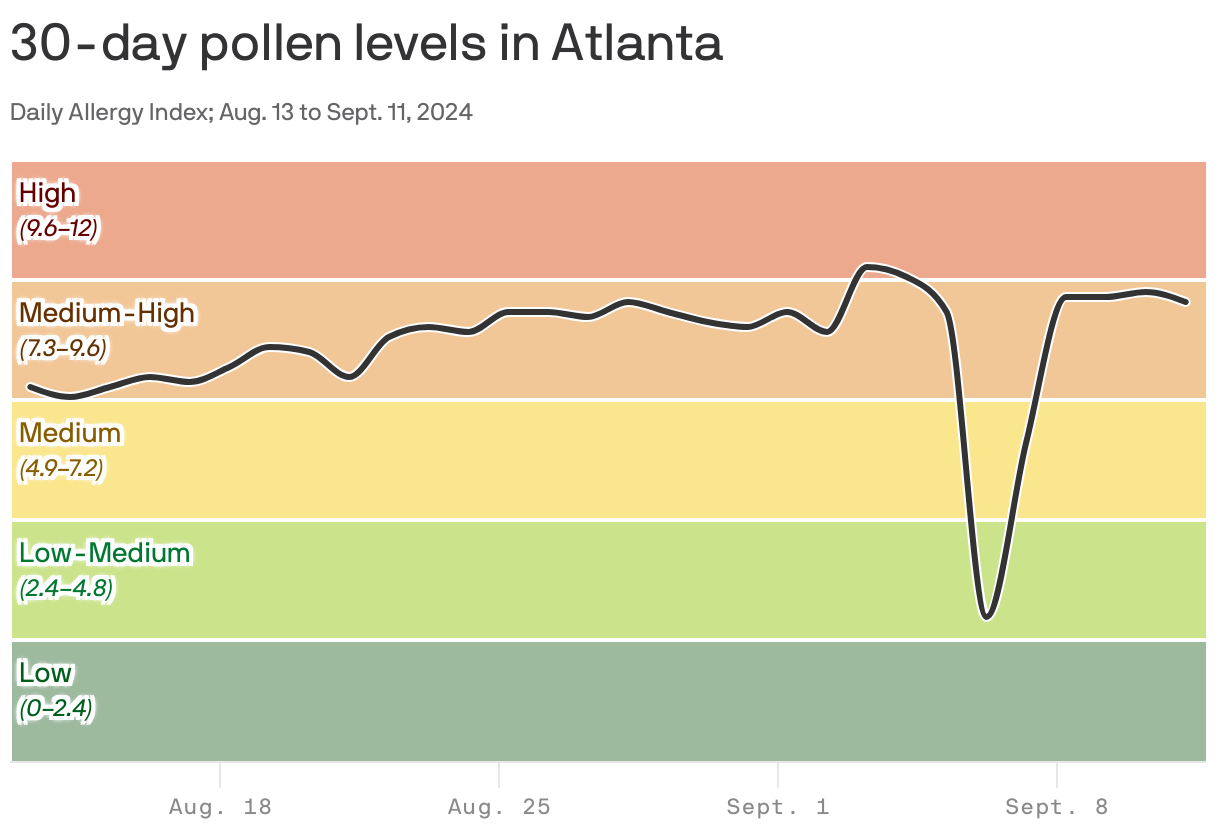
Accurate tracking of the Atlanta pollen count on September 24, 2026, requires utilizing data from certified reporting stations, such as the National Allergy Bureau (NAB) certified counting stations in the region. These stations utilize Rotorod samplers to physically collect and quantify pollen grains per cubic meter of air over a 24-hour period.
Environmental avoidance remains the most effective non-pharmacological intervention, though complete avoidance is virtually impossible in a heavily wooded metropolitan area like Atlanta.
Actionable Environmental Mitigation Steps
- Check Daily Indices Before Outdoor Exposure: Review local reports first thing in the morning. Peak pollen release typically occurs between 5:00 AM and 10:00 AM on warm, windy days.
- Maintain Indoor Air Integrity: Keep residential and automotive windows tightly closed. Utilize HVAC systems equipped with High-Efficiency Particulate Air (HEPA) filters, changing them quarterly.
- Implement Personal Decontamination Post-Outdoors: After spending time outside, immediately change clothing, wash hair, and shower to remove trapped pollen grains before they transfer to furniture and bedding.
- Manage Indoor Humidity: Keep indoor relative humidity below 50 percent using air conditioners and dehumidifiers to suppress indoor mold and dust mite proliferation.
Medical Management and Pharmacological Options
When environmental controls prove insufficient, a structured pharmaceutical approach tailored by an allergist or pulmonologist is necessary. Treatment plans typically differentiate between rapid-relief rescue medications and long-term controllers designed to suppress chronic airway inflammation.
Comparison of Allergy and Asthma Intervention Categories
| Intervention Type | Primary Purpose | Common Examples | Usage Guidelines |
|---|---|---|---|
| Intranasal Corticosteroids | Reduce upper airway inflammation and block allergic response | Fluticasone, mometasone, budesonide | Daily maintenance; requires several days for full therapeutic effect. |
| Oral Antihistamines | Block histamine receptors to reduce sneezing and itching | Cetirizine, loratadine, fexofenadine | As-needed or daily use; second-generation options minimize sedation. |
| Short-Acting Beta-Agonists (SABA) | Rapidly relax airway smooth muscle during acute asthma symptoms | Albuterol | Rescue medication for sudden bronchospasm; use as directed by an asthma action plan. |
| Biological Therapies | Target specific IgE antibodies or cytokines in severe refractory asthma | Omalizumab, dupilumab | Administered in a clinical setting via injection for severe, uncontrolled allergic asthma. |
Emergency Preparedness for Severe Asthma Exacerbations
Fall allergy spikes can escalate rapidly into life-threatening asthma attacks. Every patient with diagnosed asthma should maintain a written Asthma Action Plan created in partnership with their healthcare provider. This plan utilizes peak flow meter measurements to categorize breathing status into three distinct zones: Green (doing well), Yellow (caution/worsening), and Red (medical emergency).
When to Seek Immediate Medical Attention in Atlanta
- Quick-relief inhaler (albuterol) provides little to no lasting improvement, or wears off rapidly within two hours.
- Severe shortness of breath that prevents finishing full sentences or walking short distances.
- Visible retractions of the skin around the ribs or neck during inhalation (indrawing).
- Cyanosis (bluish discoloration) appearing around the lips, nail beds, or fingertips.
For severe acute distress, residents should utilize emergency facilities within major Atlanta health networks, such as Emory Healthcare, Piedmont Atlanta Hospital, or Wellstar Kennestone Hospital, ensuring rapid access to specialized respiratory care and nebulized therapies.
Frequently Asked Questions
What time of day is the Atlanta pollen count highest?
Pollen counts generally peak in the mid-morning hours, typically between 5:00 AM and 10:00 AM. As the sun heats the atmosphere, air currents rise and carry dry pollen grains into the upper air, which then disperse downward as the air cools and descends later in the day.
How do I know if my symptoms are allergies, asthma, or a cold?
Allergies typically feature clear nasal discharge, intense itching of the eyes and nose, and a lack of systemic fever, whereas colds involve thicker, colored mucus and body aches. Asthma specifically involves lower respiratory symptoms like wheezing and chest tightness, which are absent in simple allergic rhinitis unless an asthma trigger is present.
Are ragweed allergies common in the Atlanta area?
Yes, ragweed is exceptionally prevalent throughout the Southeastern United States during the late summer and autumn months. A single ragweed plant can produce up to one billion pollen grains, making it a primary driver of September allergy flare-ups in Georgia.
Can air purifiers help reduce indoor pollen exposure?
True HEPA air purifiers are highly effective at capturing airborne pollen grains, mold spores, and pet dander from indoor spaces. Placing units in high-traffic living areas and bedrooms significantly lowers the total allergen load indoors.
Should I exercise outdoors when the pollen count is high?
Patients with severe allergies or asthma should avoid prolonged outdoor exercise on high-pollen days, especially during peak morning hours. Opting for indoor fitness alternatives, such as a gymnasium or indoor track, prevents heavy breathing of concentrated outdoor allergens.
Consult a board-certified allergist or immunologist in the Atlanta area to establish a personalized diagnostic profile and customized treatment plan tailored to your specific environmental sensitivities.
Image Gallery