What Can You Buy with an Aetna Food Card: The 2026 Comprehensive Guide
An Aetna food card—often issued as part of a Medicare Advantage Special Supplemental Benefit for the Chronically Ill (SSBCI) or a flex card program—can typically be used to purchase healthy, approved grocery items such as fresh produce...
An Aetna food card—often issued as part of a Medicare Advantage Special Supplemental Benefit for the Chronically Ill (SSBCI) or a flex card program—can typically be used to purchase healthy, approved grocery items such as fresh produce, meat, dairy, pantry staples, and bottled water at participating retail stores. Unapproved items include alcohol, tobacco, pet food, paper products, and general merchandise.
Contents
Navigating supplemental health benefits can sometimes feel confusing, especially with varying allowances, restricted item lists, and specific retail participation networks. If you are an Aetna Medicare Advantage plan member who has been allocated a pre-loaded allowance card for groceries, understanding precisely what qualifies at checkout ensures you maximize your benefits without facing unexpected out-of-pocket expenses at the register.
Understanding Aetna Over-the-Counter (OTC) and Food Benefit Cards
Aetna issues allowance cards to eligible members to help offset the cost of maintaining a healthy lifestyle. Depending on your specific plan design—such as certain Dual Eligible Special Needs Plans (D-SNP) or chronic condition-focused Medicare Advantage plans—your card may feature a combined Over-the-Counter (OTC) and healthy food allowance, or a dedicated grocery-specific balance.
These funds are provided on a recurring schedule, typically monthly or quarterly. It is crucial to remember a fundamental rule of these benefits: unused balances generally do not roll over from one period to the next. Consequently, understanding how to spend your allocation efficiently before the expiration date is a vital aspect of managing your healthcare benefits in 2026.
Eligibility Criteria and How the Benefit is Loaded
- Plan Specificity: Not all Aetna plans include a food allowance. Your Evidence of Coverage (EOC) document outlines whether your plan features SSBCI grocery benefits or flex card dollars.
- Chronic Condition Verification: For SSBCI-targeted food cards, members often must have a documented qualifying chronic condition, such as diabetes, cardiovascular disorders, or chronic heart failure.
- Card Loading Schedule: Funds are automatically credited to your card on the first day of each benefit period (monthly or quarterly). You do not need to submit receipts for reimbursement; the card acts as a direct-pay debit card at qualified retail locations.
Approved Food Items: What You Can Buy
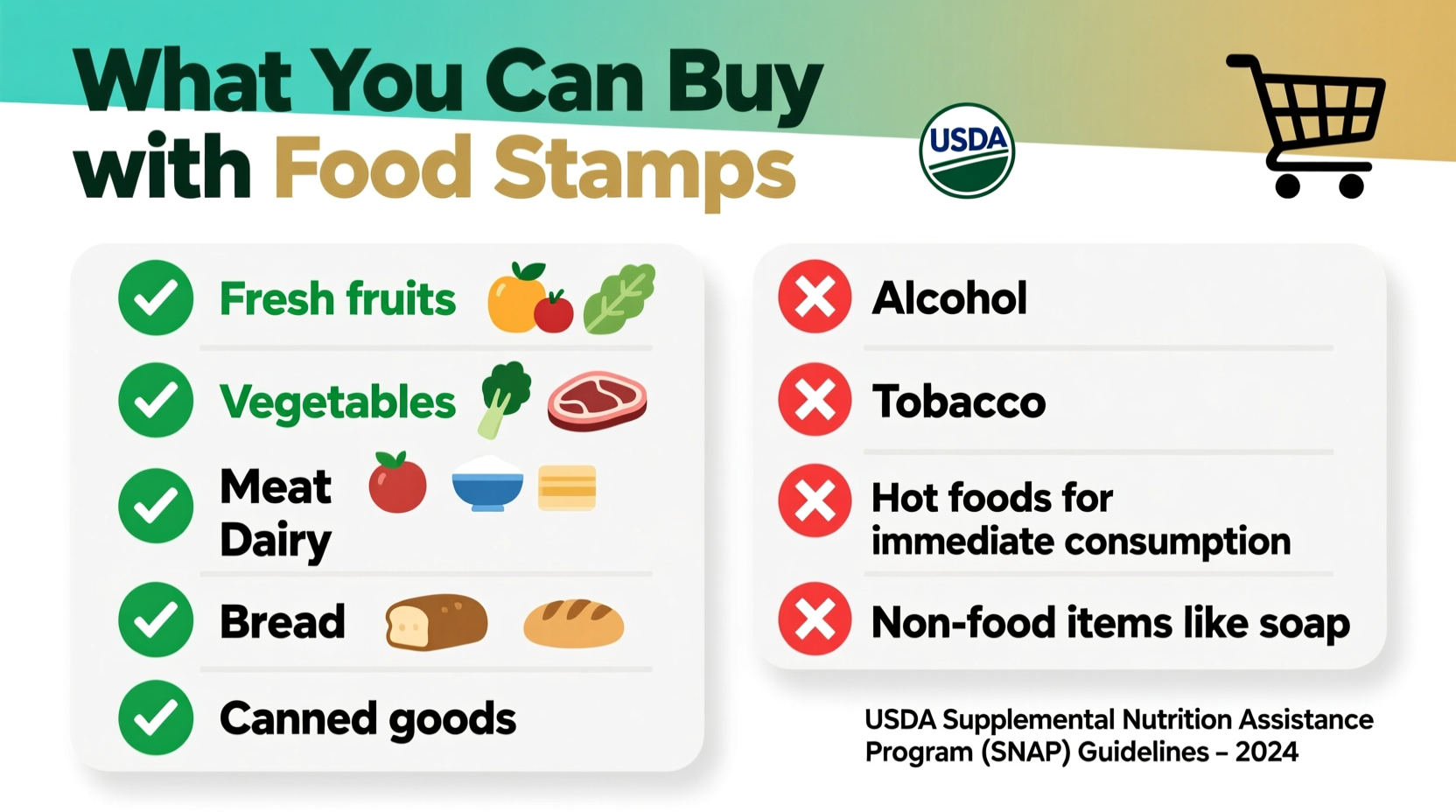
The primary objective of the Aetna food card program is to encourage nutritional health and support medical management through diet. The approved product catalog aligns closely with Supplemental Nutrition Assistance Program (SNAP) guidelines, focusing heavily on whole, nutrient-dense foods.
1. Fresh, Frozen, and Canned Produce
- Fresh Fruits and Vegetables: Apples, bananas, leafy greens, root vegetables, berries, and citrus fruits.
- Frozen Produce: Unseasoned frozen vegetables, fruit medleys, and berries without added sugars or heavy syrups.
- Canned Goods: Canned vegetables with low sodium options, and fruits packed in water or 100% juice rather than heavy syrup.
2. Meat, Poultry, Seafood, and Plant-Based Proteins
- Fresh and Frozen Meats: Skinless chicken breasts, lean cuts of beef, pork loin, and ground turkey.
- Seafood: Fresh or frozen fish fillets, shrimp, and canned tuna or salmon packed in water.
- Plant-Based Alternatives: Tofu, tempeh, lentils, dry and canned beans, and raw nuts or seeds without excessive added sodium or oils.
3. Dairy and Refrigerated Alternatives
- Milk and Cream: Skim, low-fat (1%), reduced-fat (2%), or whole dairy milk, alongside lactose-free options.
- Cheese and Yogurt: Cottage cheese, Greek yogurt, plain or low-sugar yogurts, block and sliced natural cheeses (cheddar, mozzarella, Swiss).
- Plant-Based Milks: Unsweetened almond milk, oat milk, soy milk, and coconut milk beverages.
4. Breads, Grains, and Pantry Staples
- Whole Grains: 100% whole wheat bread, brown rice, quinoa, whole-wheat pasta, and rolled oats.
- Cooking Oils: Olive oil, avocado oil, and canola oil used for healthy cooking preparation.
- Pantry Essentials: Tomato paste, low-sodium broths, and basic baking staples like flour and cornstarch (provided they form part of healthy meal preparation).
Prohibited Items: What You Cannot Buy
Attempting to purchase restricted items with your Aetna food card will result in the transaction declining at the register, or require you to use an alternative payment method for those specific goods. The point-of-sale (POS) systems at participating stores are hard-coded with Universal Product Codes (UPCs) that automatically block non-eligible categories.
| Category | Specific Restricted Items | Reason for Exclusion |
|---|---|---|
| Alcohol & Tobacco | Beer, wine, liquor, cigarettes, cigars, e-cigarettes, and vaping supplies | Does not align with nutritional health and wellness objectives. |
| Household Goods | Paper towels, toilet paper, laundry detergent, dish soap, and cleaning supplies | Restricted to consumables directly related to nutritional intake. |
| Pet Supplies | Dog food, cat food, treats, cat litter, and pet grooming products | Benefit is strictly designated for human health and member nutrition. |
| Hot Prepared Foods | Rotisserie chickens, hot deli items, fountain drinks, and restaurant meals | Benefits cover raw or packaged grocery items, not immediate convenience foods. |
| General Merchandise | Cosmetics, electronics, clothing, kitchenware, and books | Outside the scope of health-supportive supplemental benefits. |
Approved Retailers and Where to Shop
You cannot use your Aetna food card at just any retail establishment. Aetna partners with major national supermarket chains, pharmacies, and big-box retailers whose POS inventory systems recognize the restricted card parameters.
Major National and Regional Chains
- Supermarkets & Grocery Stores: Kroger, Safeway, Albertsons, Publix, HEB, and Meijer.
- Big-Box Retailers: Walmart, Target, and select warehouse clubs (though warehouse club membership status and benefit card integration can vary by location).
- Pharmacies: CVS Pharmacy, Walgreens, and Rite Aid locations that feature expanded fresh grocery sections.
Shopping Tips for a Seamless Checkout
- Check the UPC Database: Before heading to the store, you can often check item eligibility via the member portal or the dedicated OTC mobile app associated with your plan.
- Separate Your Items: While not strictly mandatory at every retailer, placing eligible food items on the belt first—or separating ineligible items (like household goods)—makes the transaction smoother if a split-tender payment is required.
- Save Your Receipts: Always retain your receipt. In the rare event that an eligible item is incorrectly declined or categorized, customer service can review the transaction data for potential reimbursement or troubleshooting.
Step-by-Step Guide to Using Your Aetna Food Card
Maximizing your allowance requires knowing how to activate, track, and utilize your card effectively throughout the benefit cycle.
- Activate Your Card: Upon receiving a new or replacement card in the mail, call the activation number listed on the sticker attached to the front of the card or log into your member portal to activate it online.
- Verify Your Current Balance: Check your available balance before shopping by calling the dedicated customer service number on the back of the card, using the mobile app, or checking your last store receipt.
- Select Participating Stores: Confirm that your preferred local grocery store or supermarket accepts Aetna SSBCI/flex cards by checking the store locator tool in your Aetna member account.
- Shop for Eligible Goods: Fill your cart with items strictly from the approved categories (fresh produce, lean proteins, whole grains).
- Swipe and Select Payment Type: At the register, swipe or insert your card. Select "Debit" if prompted, and enter your assigned PIN (if required by your specific plan guidelines).
- Handle Split Tenders (If Applicable): If your grocery total exceeds your remaining balance, or if you have non-eligible items in your cart, the terminal will prompt you to pay the remaining difference using cash, credit, or a standard debit card.
Common Mistakes and Troubleshooting
Even experienced beneficiaries occasionally run into hurdles at the checkout counter. Being aware of common pitfalls helps prevent frustration.
- Assuming All Items in a Store Qualify: Just because a store is on the approved retailer list does not mean every item inside is eligible. Convenience items, household products, and pre-cooked meals will always be rejected at the register.
- Forgetting the PIN or Activation Status: Attempting to use an unactivated card or entering the wrong PIN will result in a declined transaction. Always ensure your card is active before shopping trips.
- Ignoring Balance Expiration: Letting funds lapse at the end of the month or quarter means forfeiting valuable grocery assistance. Set a calendar reminder to complete your grocery shopping a few days before each benefit reset date.
- Failing to Contact Support for Misclassifications: If an unquestionably eligible item (such as plain white milk or fresh apples) is declined due to a scanning error or system glitch, do not hesitate to contact Aetna member services to report the merchant code issue.
Frequently Asked Questions
Can I use my Aetna food card to buy hot foods or ready-made meals?
No. Prepared hot foods, rotisserie chickens, and ready-to-eat deli items are generally excluded from the Aetna food card program. The allowance is strictly intended for raw, frozen, or packaged grocery staples that require home preparation.
Do my unused food card dollars roll over to the next month?
No. Standard Aetna supplemental food and flex card benefits operate on a "use-it-or-lose-it" basis for each benefit period. Unspent balances do not accumulate or roll over into the following month or quarter.
Can I buy vitamins and over-the-counter medicines with my food card?
It depends on your plan structure. While many Aetna plans separate OTC health items (like pain relievers and vitamins) from grocery allowances, some combined flex cards allow you to purchase both. Check your specific plan documents to verify if your card covers general OTC healthcare products.
What should I do if my card is declined at the grocery store checkout?
First, check your remaining balance via the mobile app or customer service line to ensure sufficient funds exist. Next, verify that all items in your cart belong to approved categories and that you are shopping at a participating retail partner.
Can I use my Aetna food card for online grocery delivery orders?
Many major retailers allow you to use supplemental benefit cards for online pickup or delivery orders if you link the card within their mobile app or website. Check your plan's digital resources to confirm which local grocery delivery partners support direct card payments.
To verify your specific plan allowances, check your current balance, or locate participating retail partners near you, log in to your secure member portal at Aetna Medicare or call the dedicated customer service number printed on the back of your member ID card.
Image Gallery