What Does UA Mean in Medical Terms? Deciphering the Abbreviation in Clinical Practice
In medical terminology, UA most commonly stands for Urinalysis, a routine laboratory test used to examine the physical, chemical, and microscopic properties of urine. However, depending on the clinical context—such as rheumatology, pul...
In medical terminology, UA most commonly stands for Urinalysis, a routine laboratory test used to examine the physical, chemical, and microscopic properties of urine. However, depending on the clinical context—such as rheumatology, pulmonology, or surgical care—UA can also refer to unstable angina, uric acid, or the ulnar artery, making context essential for accurate interpretation.
Contents
Understanding medical abbreviations is vital for patients and healthcare professionals alike, particularly when navigating diagnostic reports, hospital charts, and electronic health records. Because acronyms frequently overlap across different medical specialties, seeing "UA" on a lab requisition or clinical note requires examining the surrounding context to determine its precise meaning. This comprehensive guide explores the primary definitions of UA in medicine, outlines what each term entails, and explains how clinical context clarifies these diagnostic encounters.
The Primary Definition: Urinalysis (UA)
By far the most frequent clinical application of the abbreviation UA is urinalysis. This fundamental diagnostic test evaluates a sample of urine to detect a wide array of disorders, ranging from urinary tract infections (UTIs) and kidney disease to systemic conditions like diabetes mellitus.
A standard urinalysis is divided into three distinct phases of examination:
- Visual Examination: A laboratory technician or automated analyzer inspects the urine's color, clarity, and concentration. Normal urine is typically pale yellow and clear, whereas cloudy urine may indicate an infection, and dark amber urine can signal dehydration or bilirubin presence.
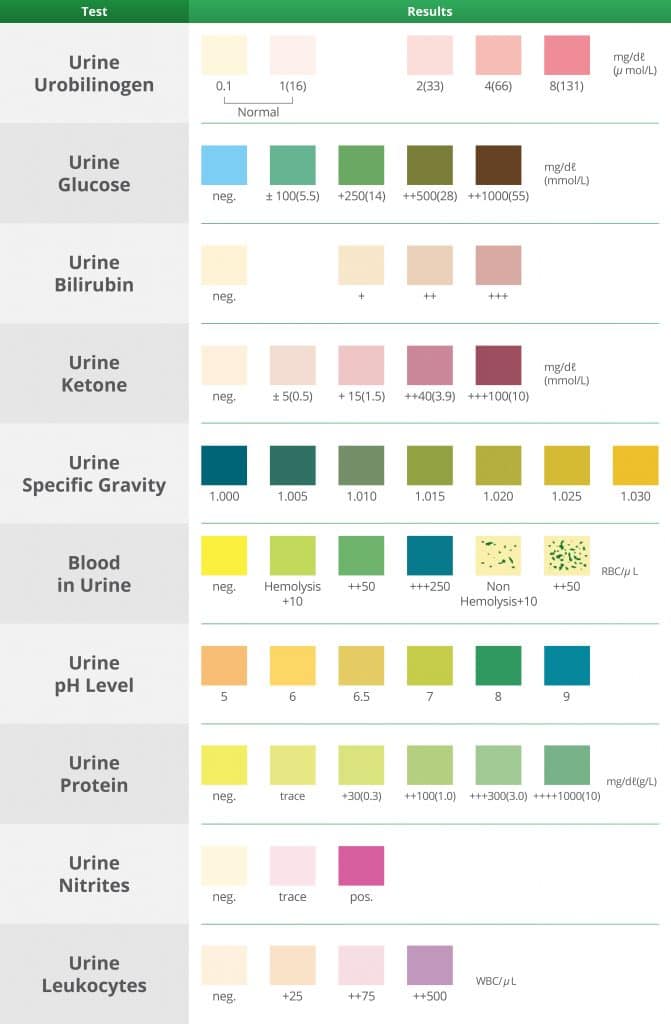
- Dipstick Test: A chemically treated plastic strip is immersed in the urine specimen. The strip changes color in the presence of specific substances. Common parameters measured include pH, specific gravity, protein, glucose, ketones, blood, leukocyte esterase, and nitrites.
- Microscopic Examination: If anomalies appear during the visual or dipstick phases, the urine sample is centrifuged to concentrate solid elements. The resulting sediment is viewed under a microscope to check for red blood cells, white blood cells, epithelial cells, bacteria, yeast, parasites, and casts (tiny tube-shaped particles formed in the kidney tubules).
Clinical Indications for Ordering a Urinalysis
Physicians order a UA for various diagnostic and preventative reasons. It serves as a standard component of routine physical examinations, routine prenatal care, and pre-operative evaluations. Furthermore, clinicians rely on urinalysis when patients present with symptoms such as dysuria (painful urination), hematuria (blood in the urine), flank pain, or frequent urinary urgency.
For chronic disease management, serial urinalysis helps monitor conditions like diabetic nephropathy or lupus nephritis by tracking urinary protein excretion over time.
Alternative Medical Meanings of UA
While urinalysis dominates clinical documentation, healthcare providers encounter several other valid definitions for UA depending on the medical specialty. Misinterpreting these alternatives can lead to significant clinical confusion.
Uric Acid
In metabolic, rheumatological, and nephrological contexts, UA frequently denotes uric acid. Uric acid is a normal waste product formed during the breakdown of purines—chemical compounds found in certain foods (such as red meat, shellfish, and alcohol) and synthesized within the body.
A blood or urine uric acid test measures the concentration of this substance. Elevated levels of uric acid in the blood (hyperuricemia) can lead to the formation of monosodium urate crystals in the joints, causing gout, or in the kidneys, leading to nephrolithiasis (kidney stones). Conversely, abnormally low levels may point toward specific genetic tubular disorders or liver disease.
Unstable Angina
In cardiology and emergency medicine, UA stands for unstable angina. This is a critical form of acute coronary syndrome (ACS) characterized by chest discomfort or pain that is unexpected, occurs at rest, or worsens in frequency, duration, or intensity compared to a patient's stable angina pattern.
Unlike stable angina, which typically follows predictable exertion and resolves with rest or nitroglycerin, unstable angina represents a medical emergency. It indicates that an atherosclerotic plaque has ruptured or formed a partial thrombus, severely restricting myocardial blood flow. This requires immediate diagnostic workup—including electrocardiograms (ECGs) and cardiac biomarker assays—to prevent progression to an acute myocardial infarction (heart attack).
Ulnar Artery
In vascular surgery, anatomy, and orthopedics, UA represents the ulnar artery. This major blood vessel originates from the bifurcation of the brachial artery in the upper forearm and travels down the ulnar side of the forearm into the hand, where it primarily supplies blood to the superficial palmar arch and the medial fingers.
Clinicians evaluate the ulnar artery during vascular assessments of the upper extremity, such as performing the Allen test prior to radial artery cannulation or harvesting the radial artery for coronary artery bypass grafting. Maintaining adequate ulnar collateral circulation to the hand is paramount in these procedures.
Comparison of Clinical Definitions for UA
To quickly distinguish between the various clinical contexts of the abbreviation, the following comparison table outlines their medical definitions, associated specialties, primary diagnostic modalities, and clinical implications.
| Abbreviation Meaning | Medical Specialty | Primary Diagnostic Method | Clinical Significance & Purpose |
|---|---|---|---|
| Urinalysis | General Practice, Nephrology, Urology | Dipstick, Microscopy, Chemical Analysis | Detects UTIs, kidney disease, diabetes, and hematuria. |
| Uric Acid | Rheumatology, Endocrinology, Nephrology | Serum Blood Test, 24-Hour Urine Collection | Evaluates risk for gout, kidney stones, and metabolic dysfunction. |
| Unstable Angina | Cardiology, Emergency Medicine | Electrocardiogram (ECG), Troponin Assays | Identifies acute coronary syndrome and impending myocardial infarction. |
| Ulnar Artery | Vascular Surgery, Orthopedics, Anatomy | Palpation, Doppler Ultrasound, Allen Test | Assesses upper extremity perfusion and collateral hand circulation. |
Interpreting Laboratory Reports and Diagnostic Context
Encountering the abbreviation UA on an electronic health portal or medical bill can cause unnecessary anxiety if the reader lacks the appropriate context. Disambiguation relies entirely on reading the section header of the medical document.
For instance, if the acronym appears alongside terms like "Specific Gravity," "Protein," "WBC," and "Bilirubin," the context is unmistakably urinalysis. Conversely, if the entry sits in a lipid or metabolic panel alongside creatinine, glucose, and electrolytes, it almost certainly refers to serum uric acid measured in milligrams per deciliter ($\text{mg/dL}$).
Professional Interpretation and Medical Advice
Disclaimer: Medical abbreviations can vary across institutions, electronic health record systems, and geographic regions. Patients reviewing their own health records should never attempt to self-diagnose based solely on abbreviated lab codes. Always consult a qualified healthcare provider for a thorough explanation of diagnostic test results and clinical assessments.
Frequently Asked Questions
What does a positive protein result mean on a UA test?
A positive protein result on a urinalysis (proteinuria) often indicates that the kidneys' filtering units (glomeruli) are allowing serum proteins, primarily albumin, to leak into the urine. This can be caused by temporary factors such as intense exercise, fever, or dehydration, or it can signal chronic conditions like diabetic kidney disease, hypertension, or glomerular disease.
Is fasting required before a uric acid (UA) blood test?
While many routine blood tests require strict fasting, a standard serum uric acid test typically does not require fasting. However, patients should follow specific instructions provided by their ordering physician or laboratory, as dietary intake of purine-rich foods and alcohol immediately prior to testing can temporarily influence blood levels.
How is unstable angina (UA) distinguished from stable angina?
Unstable angina differs from stable angina in its predictability and severity. Stable angina occurs predictably with physical exertion or emotional stress and subsides with rest or medication. Unstable angina occurs unpredictably, often at rest, lasts longer, and does not routinely resolve with standard interventions, signaling an unstable cardiac plaque rupture that requires emergency medical evaluation.
Can a urinalysis (UA) detect a urinary tract infection on its own?
A urinalysis can strongly suggest a urinary tract infection by detecting elevated white blood cells, positive leukocyte esterase, or nitrites. However, definitive confirmation typically requires a urine culture to identify the specific bacterial pathogen and determine appropriate antibiotic sensitivities.
Where can I find the exact meaning of an abbreviation in my medical chart?
Most electronic patient portals feature a built-in medical dictionary or a glossary explaining laboratory abbreviations. If an acronym remains unclear, contacting the ordering physician's office or speaking with a clinical pharmacist will clarify the specific term used in your records.
Next Actions and Recommendations
When reviewing medical documentation containing the abbreviation UA, first examine the surrounding section headers and diagnostic categories to identify whether the term refers to urinalysis, uric acid, unstable angina, or the ulnar artery. If you are reviewing personal lab results or clinical notes, write down any unfamiliar terms and schedule a follow-up discussion with your primary care physician or specialist to ensure accurate interpretation and appropriate medical management.
Image Gallery