Mastering Blonde Black Hair Highlights: Techniques and Maintenance for 2026
Achieving blonde highlights on black hair requires a precise chemical lightening process to lift dark pigment while maintaining hair structural integrity. This high-contrast aesthetic involves lifting naturally dark levels to a pale ye...
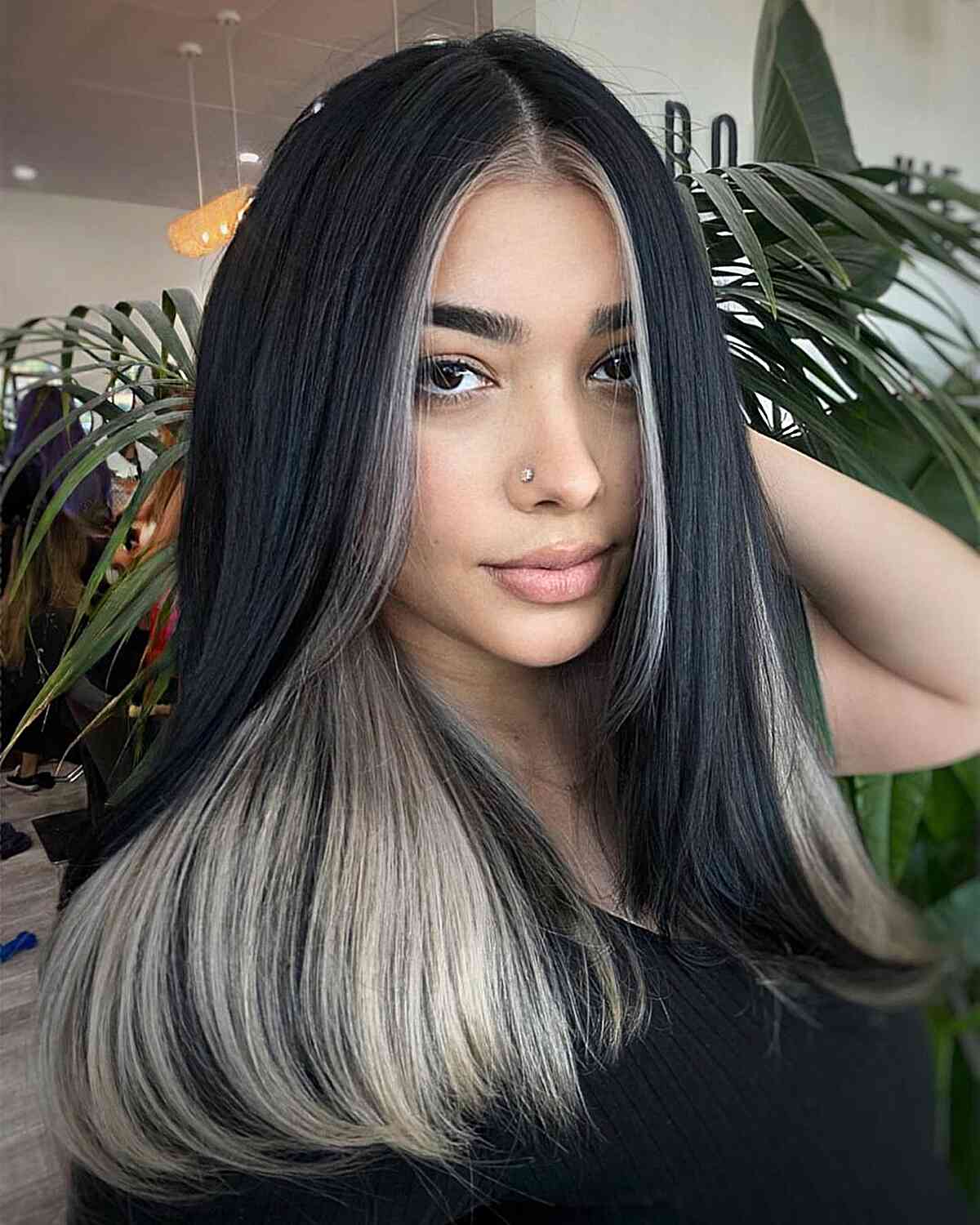
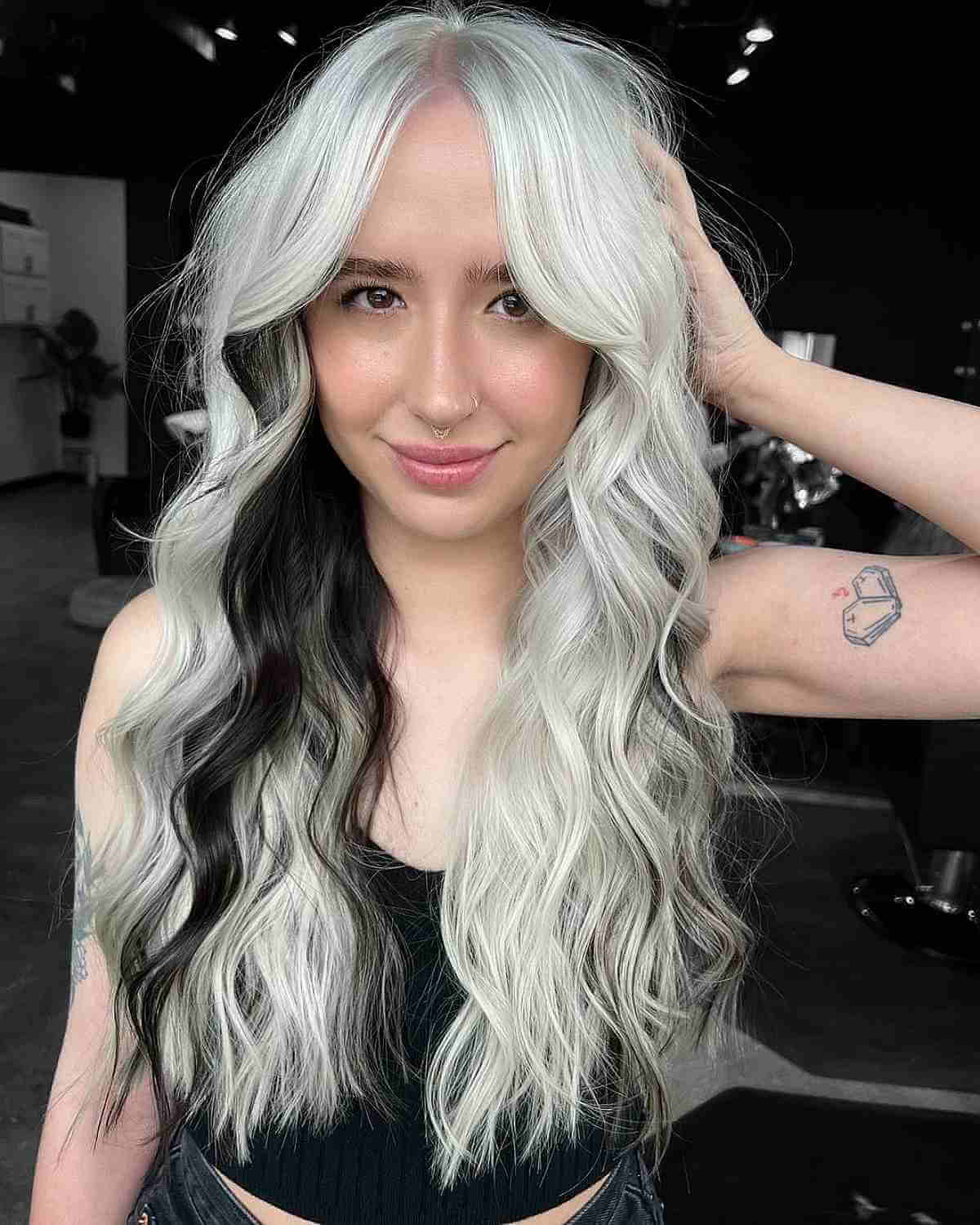
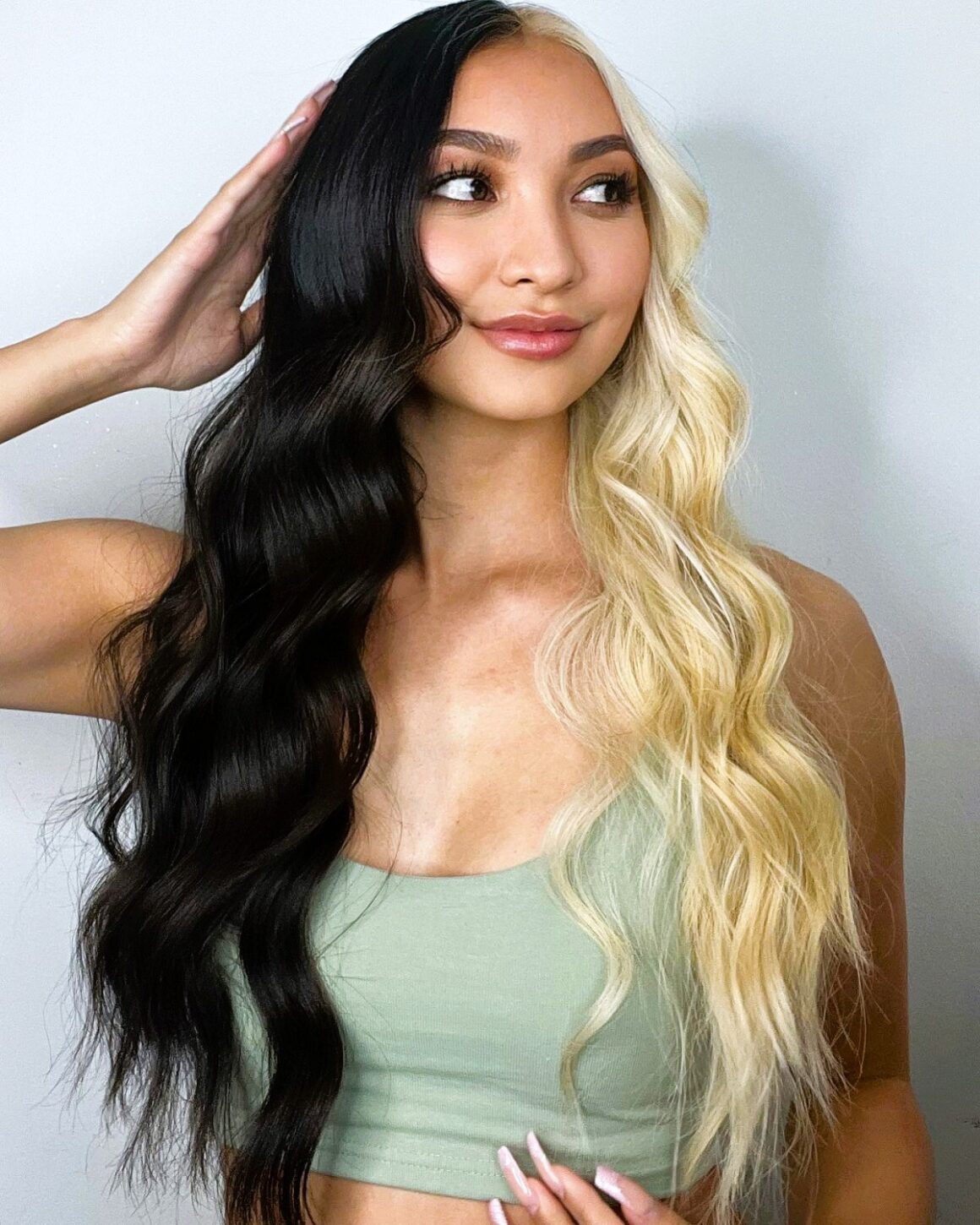
Achieving blonde highlights on black hair requires a precise chemical lightening process to lift dark pigment while maintaining hair structural integrity. This high-contrast aesthetic involves lifting naturally dark levels to a pale yellow or platinum base using professional-grade bleaches, followed by toner application to neutralize brassiness and achieve the desired shade of blonde.
Contents
Understanding the Chemical Process of Lifting Dark Hair
The foundation of successful blonde highlights on black hair lies in the hair’s level system, which ranges from 1 (black) to 10 (lightest blonde). Because natural black hair contains high concentrations of eumelanin, lifting to a blonde state requires a multi-stage lightening process. In 2026, professional colorists prioritize structural preservation over rapid lifting to avoid compromising the hair’s cuticle.
The lightening process relies on a combination of hydrogen peroxide (the developer) and a persulfate-based powder lightener. When these are mixed, they create an oxidative reaction that breaks down the melanin granules within the cortex. For black hair, a 20-volume or 30-volume developer is typically required. Using a 40-volume developer is rarely recommended as it can cause rapid, uneven swelling of the cuticle, leading to irreversible thermal damage.
Technical Application Methods for Optimal Contrast
Professional stylists utilize specific application techniques to ensure the blonde highlights complement the black base rather than creating a muddy or streaky appearance.
- Traditional Foiling: This method provides the most control, allowing the stylist to isolate sections and ensure even saturation of the lightener. It is essential for achieving high-lift results on dark hair.
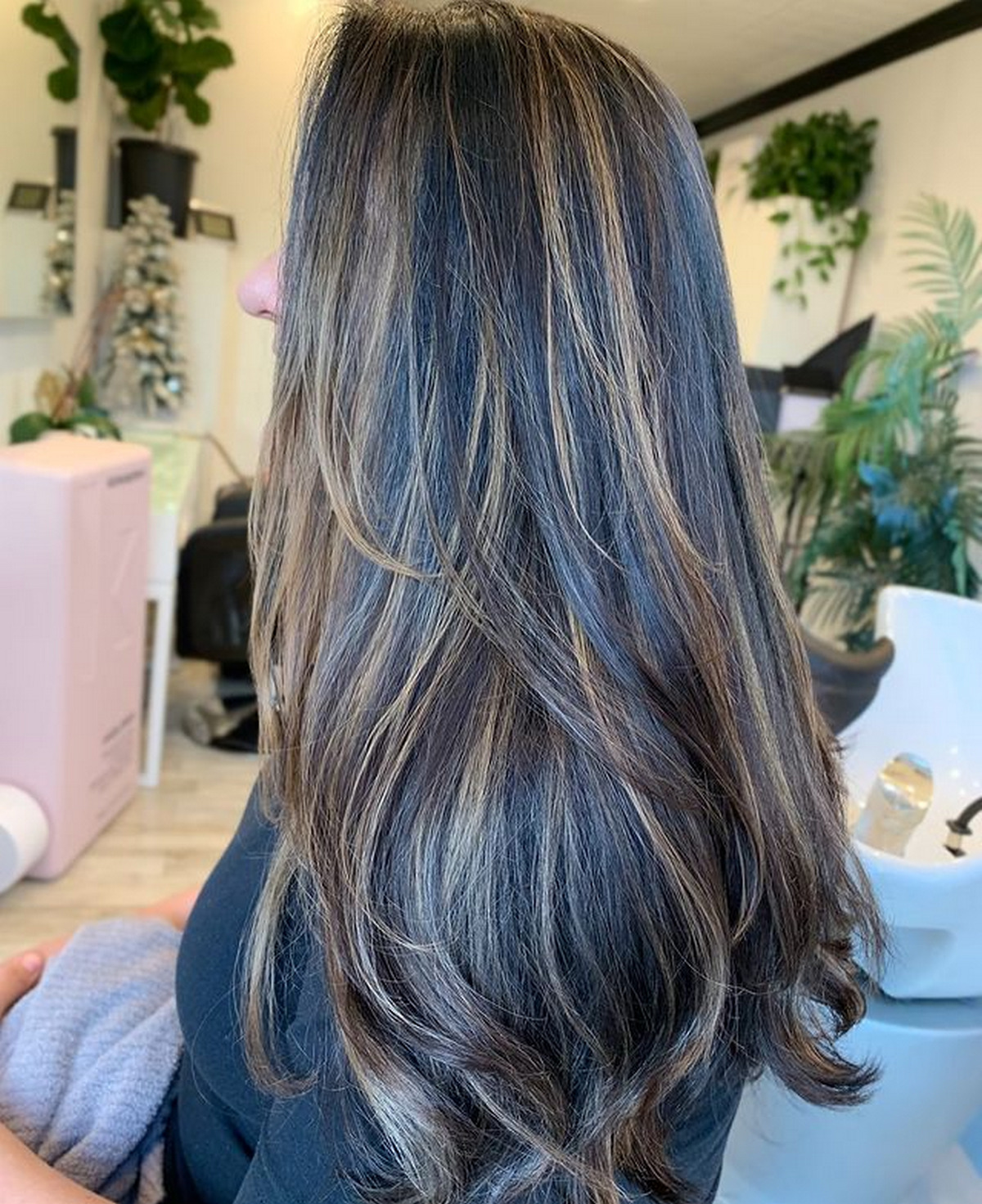
- Balayage: A freehand painting technique that creates a more natural, sun-kissed transition. While popular, it often requires a two-step process to reach a true blonde level from a dark base.
- Teasy Lights: By backcombing sections before applying lightener, stylists create a soft, diffused root area that prevents harsh lines of demarcation as the hair grows out.
Comparison of Lightening Techniques for Dark Bases
| Technique | Precision Level | Maintenance Frequency | Best For |
|---|---|---|---|
| Full Foil | High | 6–8 Weeks | Solid, bold blonde contrast |
| Balayage | Medium | 10–12 Weeks | Low-maintenance, natural depth |
| Teasy Lights | High | 8–10 Weeks | Soft, blended, modern look |
| Babylights | Very High | 8–12 Weeks | Subtle, refined dimensional look |
Essential Maintenance and Toners for 2026
Once the hair is lifted, it will inevitably display underlying warm pigments (red, orange, or yellow). Professional toners are non-negotiable for achieving the desired ash, neutral, or warm blonde tone. As of 2026, advanced acidic glazes are the standard for toning, as they deposit color without further opening the hair cuticle.
Maintaining blonde highlights on a dark base requires a targeted at-home care routine:
- Bond Repair Treatments: Utilize bond-building technology (such as those containing maleic acid or bis-aminopropyl diglycol dimaleate) to reinforce the internal structure of the hair that was weakened during the lightening process.
- Sulfate-Free Cleansing: Traditional surfactants strip the toner from the hair shaft, causing blonde highlights to turn brassy or dull within weeks. Switch to color-safe, sulfate-free shampoos.
- Purple or Blue Pigmented Products: Use purple shampoo once a week to neutralize yellow tones. If the highlights lean more orange/warm, opt for blue-pigmented masks.
- Heat Protection: Dark hair that has been lightened to blonde is significantly more porous. Always apply a thermal protectant before using hot tools to prevent protein degradation.
Managing Hair Health and Structural Integrity
The primary risk associated with lifting black hair is chemical breakage. Professional hair standards in 2026 emphasize the "integrity-first" approach. If your hair is currently processed with henna, box dyes, or has been previously over-bleached, professional stylists will likely perform a strand test.
A strand test involves applying the lightener to a small, inconspicuous section of hair to observe the lifting speed and check for elasticity loss. If the hair loses its "snap" or becomes gummy when wet, the hair is structurally compromised and should not be lightened further until it has undergone a series of intensive deep-conditioning and protein-restoration treatments.
Frequently Asked Questions
Can I get blonde highlights on black hair in one session? It depends on your hair's history and texture. While it is possible to achieve significant lifting in one long appointment, reaching a bright, clean blonde from a level 1 black often requires multiple sessions to ensure the health of the hair is not sacrificed.
How do I prevent my blonde highlights from turning orange? Orange tones occur when the lightener does not lift the hair far enough into the pale yellow stage. Regular use of professional blue or violet-based toning shampoos and booking "toner refresh" appointments every four to six weeks will effectively manage unwanted warmth.
Is it safe to get blonde highlights if I have a black box dye on my hair? Box dyes often contain metallic salts that react unpredictably with professional bleaches. It is critical to inform your stylist of any previous color history; they may need to perform a color-removal treatment or a series of gradual highlights to safely reach your goal color.
How long do blonde highlights on black hair last? The physical highlights are permanent, but the tone will fade. You can expect the color to look fresh for about six to eight weeks, after which the toner will likely need to be reapplied to address fading and root grow-out.
What is the best way to transition back to all-black hair? When you are ready to move away from highlights, consult a professional for a "fill" or "lowlighting" process. Simply applying a dark box dye over bleached hair can lead to a hollow, muddy color result because the hair lacks the red/warm pigments needed to hold dark dye.
Strategic Recommendations
To achieve the best results, avoid the temptation of at-home bleaching kits. The combination of developer strengths and the specific timing required to lift black pigment is highly technical. If you are aiming for a high-contrast look, schedule a consultation with a colorist who specializes in "color correction" or "dark-to-light transformation," as these professionals possess the specific expertise in working with low-level hair. Prioritize hydration and consistent toner appointments to keep your blonde vibrant and your black base healthy throughout 2026.
Image Gallery