CVS COVID-19 Test Pricing and Insurance Coverage Guide for 2026
As of 2026, CVS Pharmacy offers COVID-19 testing services through its MinuteClinic locations and pharmacy pickup options. While many insurance plans fully cover diagnostic testing when medically necessary, out-of-pocket costs for rapid...
As of 2026, CVS Pharmacy offers COVID-19 testing services through its MinuteClinic locations and pharmacy pickup options. While many insurance plans fully cover diagnostic testing when medically necessary, out-of-pocket costs for rapid antigen or molecular PCR tests typically range from $99 to $149 depending on the test type, regional laboratory processing fees, and current clinical guidelines.
Contents
Understanding the Financial Landscape of COVID-19 Testing at CVS
The transition from pandemic-era public health emergency mandates to standard clinical care has shifted the responsibility of payment. In 2026, the financial aspect of receiving a COVID-19 test at a CVS location is governed by the specific contractual relationship between your health insurance provider and the CVS/MinuteClinic network.
Diagnostic testing—performed when a patient is symptomatic or has had a known exposure—is generally treated as a medical service. In contrast, testing for travel requirements, workplace clearance, or large-scale event attendance is often classified as a non-essential service and may not be covered by standard health insurance policies. Always verify your specific plan’s coverage for "outpatient diagnostic services" before scheduling an appointment.
Breakdown of Testing Options and Associated Costs
CVS provides two primary categories of testing: professional diagnostic tests administered at MinuteClinic locations and self-administered over-the-counter (OTC) kits available for purchase at the retail counter.
Professional Diagnostic Testing
These tests are performed by licensed practitioners or pharmacy staff. The price reflects the cost of the specimen collection, the laboratory analysis (for PCR), and the professional time required for the clinical encounter.
| Test Type | Setting | Estimated Cost (No Insurance) | Typical Processing Time |
|---|---|---|---|
| Rapid Antigen | MinuteClinic | $99.00 | 15–30 Minutes |
| Molecular (PCR) | MinuteClinic | $149.00 | 24–48 Hours |
| Combined Respiratory Panel | MinuteClinic | $199.00 | 24–72 Hours |
Over-the-Counter (OTC) Home Kits
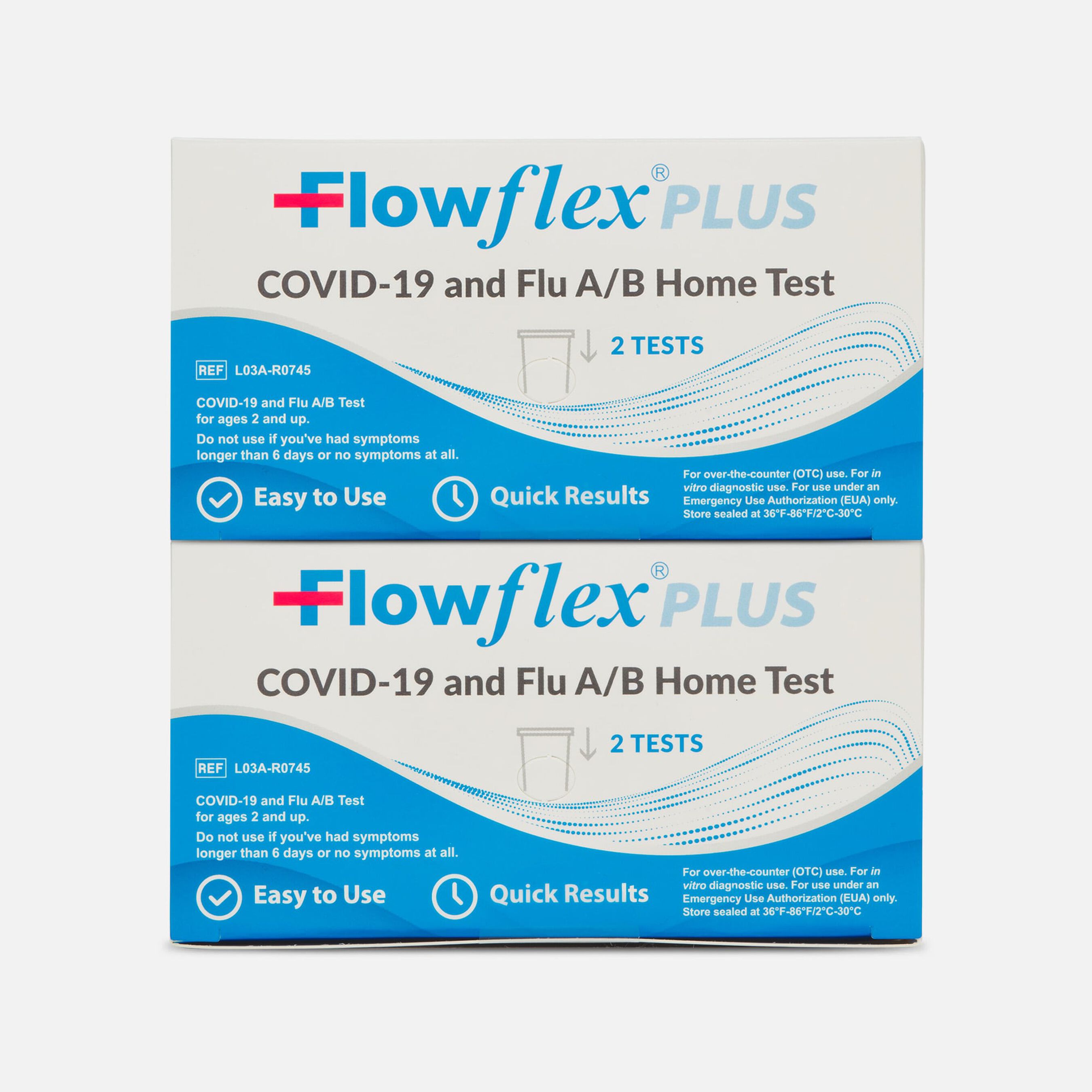
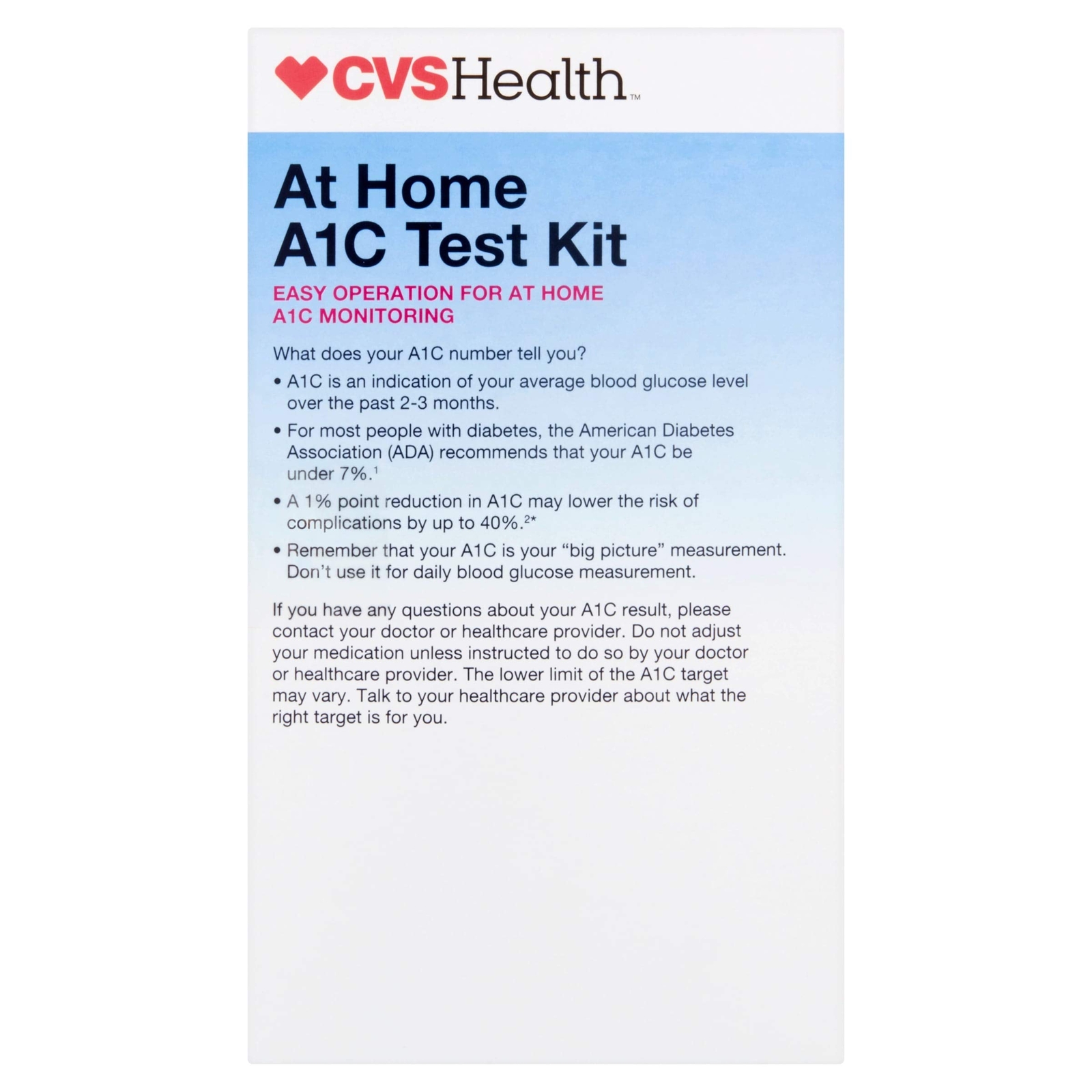
Home test kits sold in the retail aisles of CVS are priced based on manufacturer MSRP and current market demand. These kits generally do not require an appointment and are available for immediate purchase.
- Single Kits: Typically priced between $10 and $25 per test.
- Multi-Pack Kits: Often provide a better value, ranging from $20 to $40 for a two-pack.
- Insurance Reimbursement: Note that in 2026, most private insurance plans no longer mandate free monthly home testing. You must check your Summary of Benefits and Coverage (SBC) to see if OTC diagnostic kits are considered a reimbursable expense under your FSA (Flexible Spending Account) or HSA (Health Savings Account).
Insurance Acceptance and Provider Networks
CVS maintains broad participation with major national and regional health insurance carriers; however, coverage is never universal. Your eligibility depends on your specific plan’s network status and the necessity of the test.
Network Participation Standards Most major carriers, including Aetna, UnitedHealthcare, Cigna, and various Blue Cross Blue Shield affiliates, maintain contracts with CVS/MinuteClinic. Patients enrolled in HMO (Health Maintenance Organization) plans may require a formal referral from their Primary Care Physician (PCP) to ensure the diagnostic service is covered. Without this referral, the service may be denied or processed as an out-of-network charge, leading to significantly higher costs.
Important Notes on Medicare and Medicaid
- Original Medicare (Part B): Generally covers diagnostic COVID-19 tests when ordered by a healthcare provider. Ensure the location accepts Medicare assignment to avoid balance billing.
- Medicare Advantage (MA): Coverage is dictated by the specific plan’s network. Check your plan’s online directory or call the number on the back of your card to confirm that your specific CVS location is an in-network provider for your plan.
- Medicaid: Varies significantly by state. Many states have specific portals or free community testing initiatives that remain active in 2026, which may be more cost-effective than a pharmacy-based test.
Step-by-Step Process to Minimize Testing Costs
To avoid unexpected medical bills, follow this systematic approach when requiring a COVID-19 test:
- Verify Symptoms: Determine if you need a test for clinical reasons or for administrative requirements (travel/work). Administrative tests are rarely covered by insurance.
- Consult Your Insurance Portal: Log into your insurer’s website and use the "Find a Provider" tool to confirm if the specific CVS location you intend to visit is in-network.
- Check for Referrals: If you have an HMO plan, call your insurance provider to ask: "Does a COVID-19 test at a MinuteClinic require a prior authorization or a referral from my PCP?"
- Confirm Pricing During Booking: When scheduling online through the CVS portal, the system will prompt you to enter your insurance information. The portal will typically provide an estimate of your copay or deductible responsibility before you finalize the appointment.
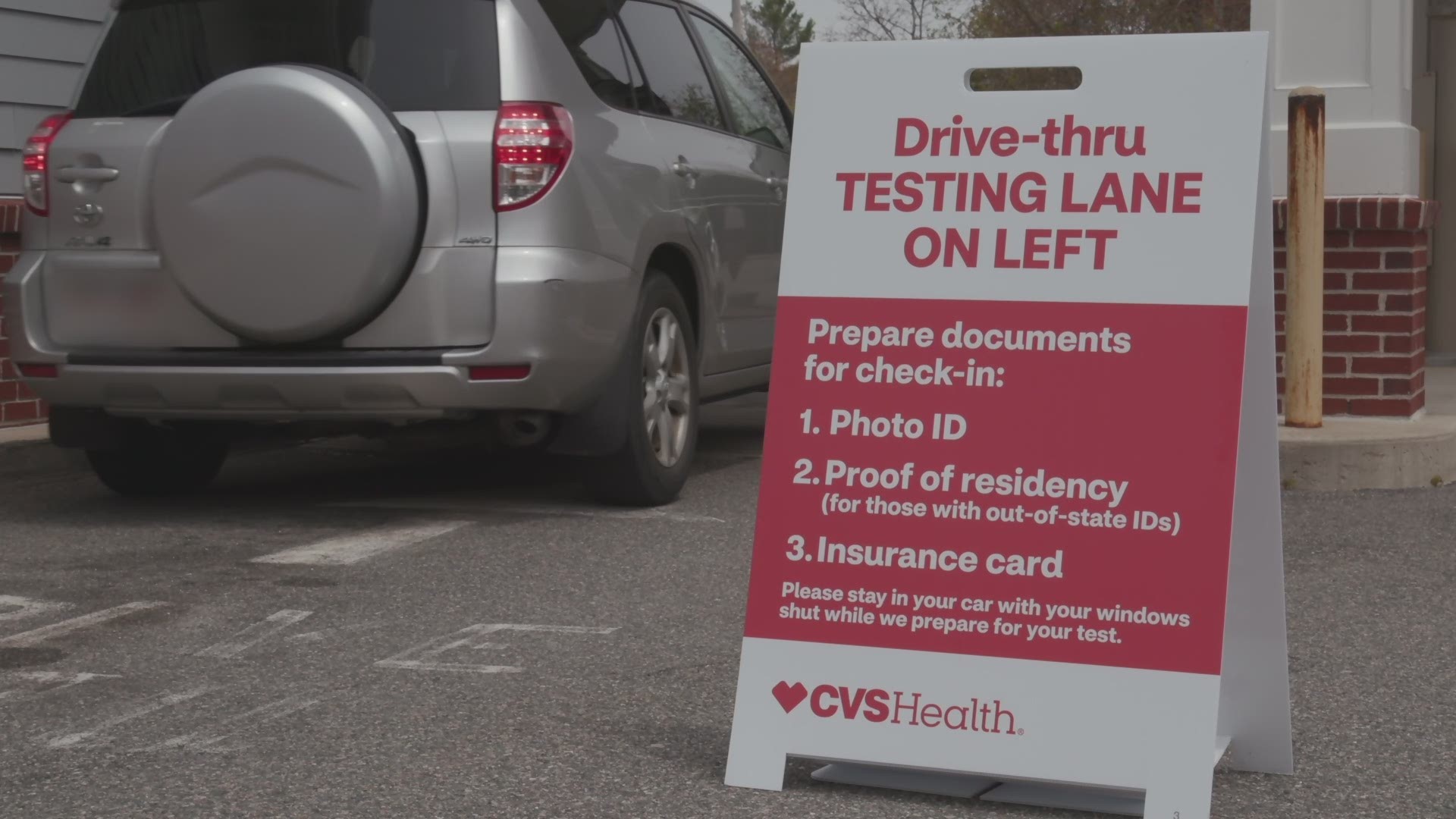
- Bring Documentation: Always bring your physical or digital insurance card and a valid photo ID to the appointment to ensure accurate billing and claims submission.
Common Obstacles and How to Resolve Them
- Claims Denials: If your insurance denies a claim for a test, first verify if the claim was coded as "diagnostic" or "screening." Request that your provider clarify the medical necessity in the billing code.
- High Deductibles: If you have a high-deductible health plan (HDHP), the full negotiated rate of the test may be applied toward your deductible. Use your HSA or FSA funds to cover this expense tax-free.
- Location Variability: Not all CVS locations house a MinuteClinic. Ensure the location you select is capable of performing the specific test you need, as pharmacy-only locations cannot perform clinical diagnostic tests.
Frequently Asked Questions
Does CVS offer free COVID-19 testing in 2026? No, universal free testing programs have largely been discontinued. Costs are now determined by your personal health insurance plan or paid out-of-pocket at the time of service.
Can I use my FSA or HSA to pay for a COVID-19 test? Yes, diagnostic COVID-19 tests and over-the-counter test kits are considered qualified medical expenses, allowing you to use tax-advantaged funds from your FSA or HSA.
What information do I need to provide to avoid overpaying? You must provide your primary insurance information, including your Member ID and Group Number, at the time of scheduling. Without this, you will be charged the standard self-pay rate.
Are rapid tests at CVS as accurate as lab-based PCR tests? Rapid antigen tests provide quick results but have a higher rate of false negatives, particularly in the early stages of infection. PCR tests are the clinical gold standard for accuracy in 2026.
What should I do if my insurance isn't accepted at my local CVS? If your insurance is out-of-network, you will be required to pay the full self-pay rate. You can request a "superbill" or itemized receipt from CVS to submit to your insurance company for potential out-of-network reimbursement.
Authoritative Resources
For the most accurate and up-to-date information regarding insurance billing codes and testing protocols, always consult the Centers for Medicare & Medicaid Services (CMS) or the official CVS MinuteClinic scheduling portal. These platforms provide the most current details on network participation and direct billing procedures.
Image Gallery