Mays Funeral Home: Comprehensive Guide to Services, Planning, and Support
Mays Funeral Home serves families navigating the emotional and logistical complexities of end-of-life arrangements, offering compassionate guidance, traditional burial services, cremation options, and personalized memorial planning. Un...
Mays Funeral Home serves families navigating the emotional and logistical complexities of end-of-life arrangements, offering compassionate guidance, traditional burial services, cremation options, and personalized memorial planning. Understanding the available options, documentation requirements, and financial considerations helps families make informed decisions during a challenging time.
Contents
Understanding Local Funeral Services and Core Offerings
When a death occurs, families require immediate professional support to handle remains safely, legally, and respectfully. Mays Funeral Home provides a complete spectrum of mortuary and commemorative services designed to relieve the administrative and physical burden on grieving loved ones.
Professional funeral services typically span several distinct phases, beginning with the initial transfer of the deceased and culminating in final disposition and memorialization.
- Immediate Transfer and Care: Secure transport of the deceased from the place of passing to the funeral home facility, followed by professional hygienic care, refrigeration, or embalming.
- Arrangement Conferences: Dedicated meetings between licensed funeral directors and the family to determine service types, scheduling, merchandise selection, and vital statistics collection.
- Documentation Management: Securing the official medical examiner or physician signature on the death certificate, filing permits with local vital statistics offices, and ordering certified copies.
- Ceremonial Coordination: Planning and executing traditional visitations, wakes, viewings, religious or secular funeral services, and graveside committal ceremonies.
- Celebrant and Clergy Liaison: Coordinating with spiritual leaders, civil celebrants, musicians, and venue coordinators to personalize the tribute.
Comparing Burial and Cremation Service Options
Families must choose between traditional earth burial, entombment, and cremation. Each choice carries distinct financial, procedural, and memorial implications. Reviewing these pathways ensures the final arrangements align with the personal wishes of the deceased and the preferences of the surviving family.
| Service Type | Primary Description | Typical Components Included | Average Timeline |
|---|---|---|---|
| Traditional Burial | Earth interment of the body within a casket, preceded by viewing and funeral services. | Embalming, casketing, professional staff, hearse transport, cemetery plot coordination. | 3 to 7 days post-passing |
| Direct Cremation | Immediate reduction of remains by heat without formal viewing or visitation services. | Removal, basic sheltering, alternative container, cremation process, return of ashes. | 3 to 10 days post-passing |
| Cremation with Memorial | Cremation performed following a public visitation, wake, or traditional funeral service. | Rental casket, visitation staff, cremation fee, urn selection, memorial service coordination. | 4 to 10 days post-passing |
| Green / Natural Burial | Eco-friendly interment without embalming chemicals, concrete vaults, or non-biodegradable caskets. | Biodegradable shroud or casket, natural woodland cemetery plot, manual grave closing. | 2 to 5 days post-passing |
Step-by-Step Guide to Planning Arrangements
Navigating the logistics of a funeral requires methodical execution. Following a structured sequence prevents oversight of critical legal deadlines and emotional details.
- Notify Authorities and Secure Pronouncement: If the death occurs at home under hospice care, contact the hospice nurse. If unexpected, dial emergency services to establish official pronouncement.
- Engage the Funeral Home: Contact Mays Funeral Home to coordinate the transfer of the deceased. Licensed staff are available 24 hours a day, 7 days a week to respond to initial calls.
- Gather Vital Information: Compile necessary personal details for the death certificate, including full legal name, social security number, date of birth, place of birth, parents' names (including mother's maiden name), and highest level of education.
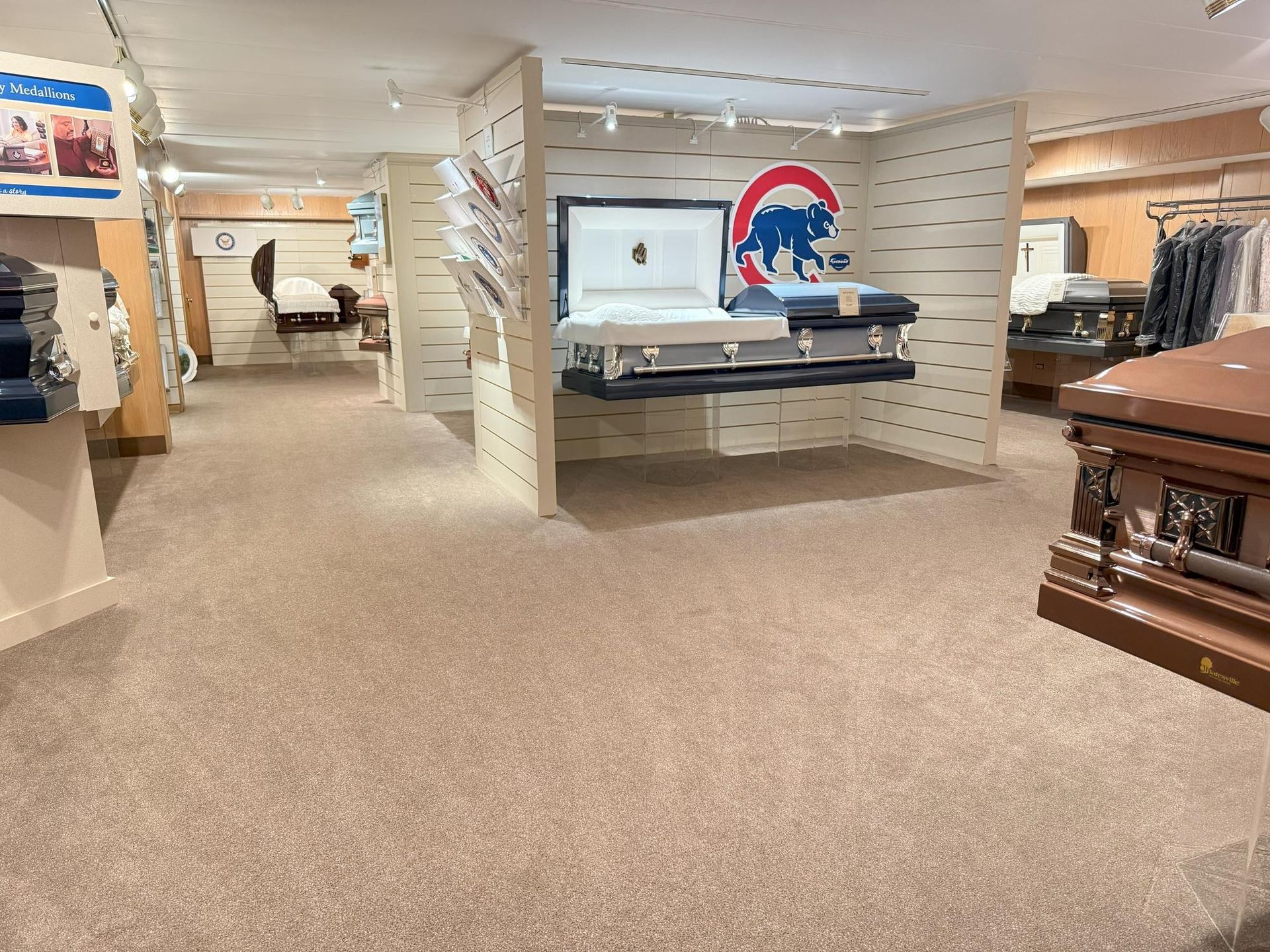
- Select Disposition and Merchandise: Meet with the funeral director to review merchandise catalogs, selecting caskets, urns, outer burial containers (vaults), and floral arrangements.
- Determine Service Schedule: Establish dates and times for viewings, religious ceremonies, or memorial receptions, coordinating with venues and clergy.
- Draft and Publish Obituaries: Write life tributes for publication in local newspapers and online memorial platforms, including service times and charitable donation preferences.
Financial Considerations, Insurance, and Transparency
Funeral costs encompass professional service fees, merchandise, and cash advances for third-party entities such as cemeteries, clergy, musicians, and newspaper publishers. Federal Trade Commission (FTC) regulations, specifically the Funeral Rule, mandate that funeral providers supply clear, itemized pricing via a General Price List (GPL) before any purchase decisions are finalized.
Families should evaluate several funding mechanisms when planning ahead or settling an estate:
- Pre-Need Insurance Contracts: Policies purchased directly through a funeral home that lock in current service pricing and fund future arrangements.
- Final Expense Insurance: Whole life insurance policies specifically designed to cover funeral and burial costs.
- Veterans Benefits: Eligible military veterans may qualify for burial allowances, government-furnished headstones or markers, and presidential memorial certificates, though standard plots in private cemeteries are typically an out-of-pocket expense.
- Estate Funds: Accessing checking, savings, or trust accounts following the issuance of letters testamentary or letters of administration by the probate court.
Frequently Asked Questions
What should I do immediately after a loved one passes away?
Notify the attending medical professional or hospice nurse if the death occurs at home, or emergency services if unexpected. Once official pronouncement is complete, contact Mays Funeral Home to initiate transfer and professional care.
Can arrangements be made online or remotely?
Yes, many funeral homes accommodate remote families through digital arrangement portals, secure electronic document signing, and video conferencing consultations, ensuring out-of-state relatives can participate fully in planning.
What is the purpose of embalming?
Embalming sanitizes and temporarily preserves human remains, delaying natural decomposition. It is frequently chosen when public viewings, open-casket services, or prolonged international transport of the deceased are planned.
Are green burial options available?
Many modern facilities and green cemeteries accommodate natural burials. These practices eliminate chemical embalming fluids, steel caskets, and concrete burial vaults to allow natural decomposition into the earth.
How many death certificate copies should a family order?
Families typically require between five and ten certified copies of the death certificate. Financial institutions, life insurance companies, pension administrators, and government agencies all require certified copies to process claims and close accounts.
Conclusion and Professional Support
Navigating the final arrangements for a family member demands patience, professional expertise, and clear communication. Mays Funeral Home provides comprehensive support through every stage of the planning process, honoring the life of the deceased while respecting the emotional and financial needs of the surviving family. Contact the director on duty to discuss immediate needs or to schedule a pre-planning consultation.
Image Gallery