Sylvia Plath’s Family: A Comprehensive Legacy of Literature and Tragedy
Sylvia Plath’s family life was defined by the early loss of her father, Otto Plath, her complex marriage to British Poet Laureate Ted Hughes, and the lives of her two children, Frieda and Nicholas. These relationships profoundly influe...
Sylvia Plath’s family life was defined by the early loss of her father, Otto Plath, her complex marriage to British Poet Laureate Ted Hughes, and the lives of her two children, Frieda and Nicholas. These relationships profoundly influenced her poetry and remain central to understanding her literary works, particularly Ariel and The Bell Jar.
Contents
Understanding the life of Sylvia Plath requires more than an analysis of her metaphors; it demands a deep look into the family dynamics that shaped her psyche. From the authoritarian presence of her father to the fraught, creative fire of her marriage, every member of Plath’s family played a role in the construction of her literary identity. As of 2026, interest in the Plath-Hughes lineage remains high, not only for the tragedy associated with it but for the immense creative output that continues to influence modern literature.
The Early Years: Otto and Aurelia Plath
Sylvia Plath was born in 1932 to Otto Plath and Aurelia Schober Plath. The domestic environment of her childhood provided the raw material for some of her most haunting works.
Otto Plath: The "Colossus"
Otto Plath was a German-born professor of biology and German at Boston University. He was a renowned entomologist, specifically an expert on bumblebees, publishing the definitive work Bumblebees and Their Ways in 1934. In Sylvia’s eyes, Otto was an imposing, almost mythic figure. His strict, Teutonic discipline left a lasting impression on her.
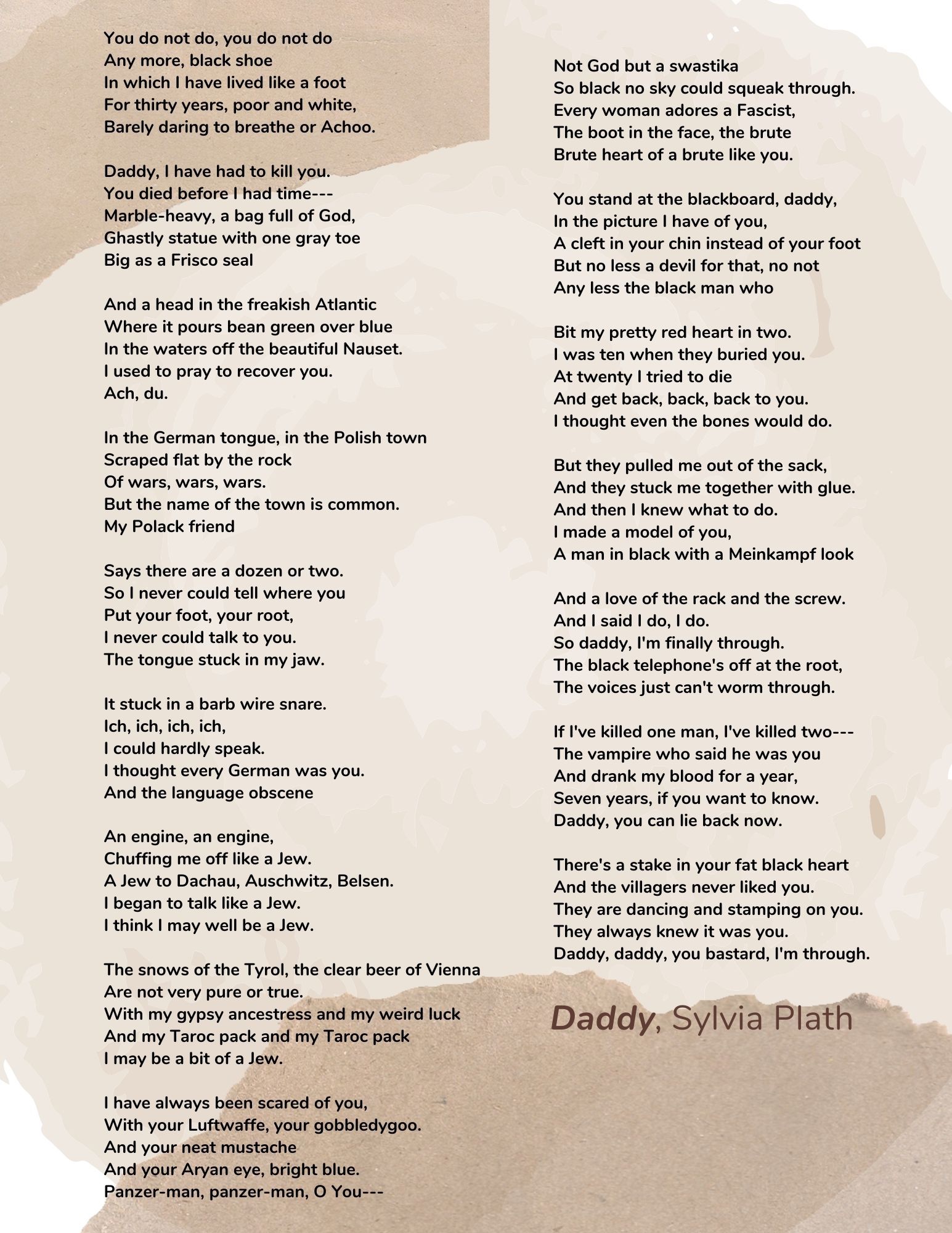
The defining trauma of Sylvia’s life occurred in 1940 when Otto died from complications of undiagnosed diabetes, shortly after Sylvia’s eighth birthday. Because Otto had wrongly assumed his illness was terminal lung cancer, he refused seeking medical treatment until it was too late to save his leg from gangrene. His death left Sylvia with a profound sense of abandonment and "betrayal," a theme she famously explored in her poem "Daddy," where she refers to him as a "ghastly statue" and a "Panzer-man."
Aurelia Schober Plath: The Devoted Mother
Aurelia Plath was a highly educated woman of Austrian descent who sacrificed her own intellectual ambitions to support her husband and children. Following Otto’s death, she moved the family to Wellesley, Massachusetts, and worked tirelessly to ensure Sylvia and her brother, Warren, received elite educations.
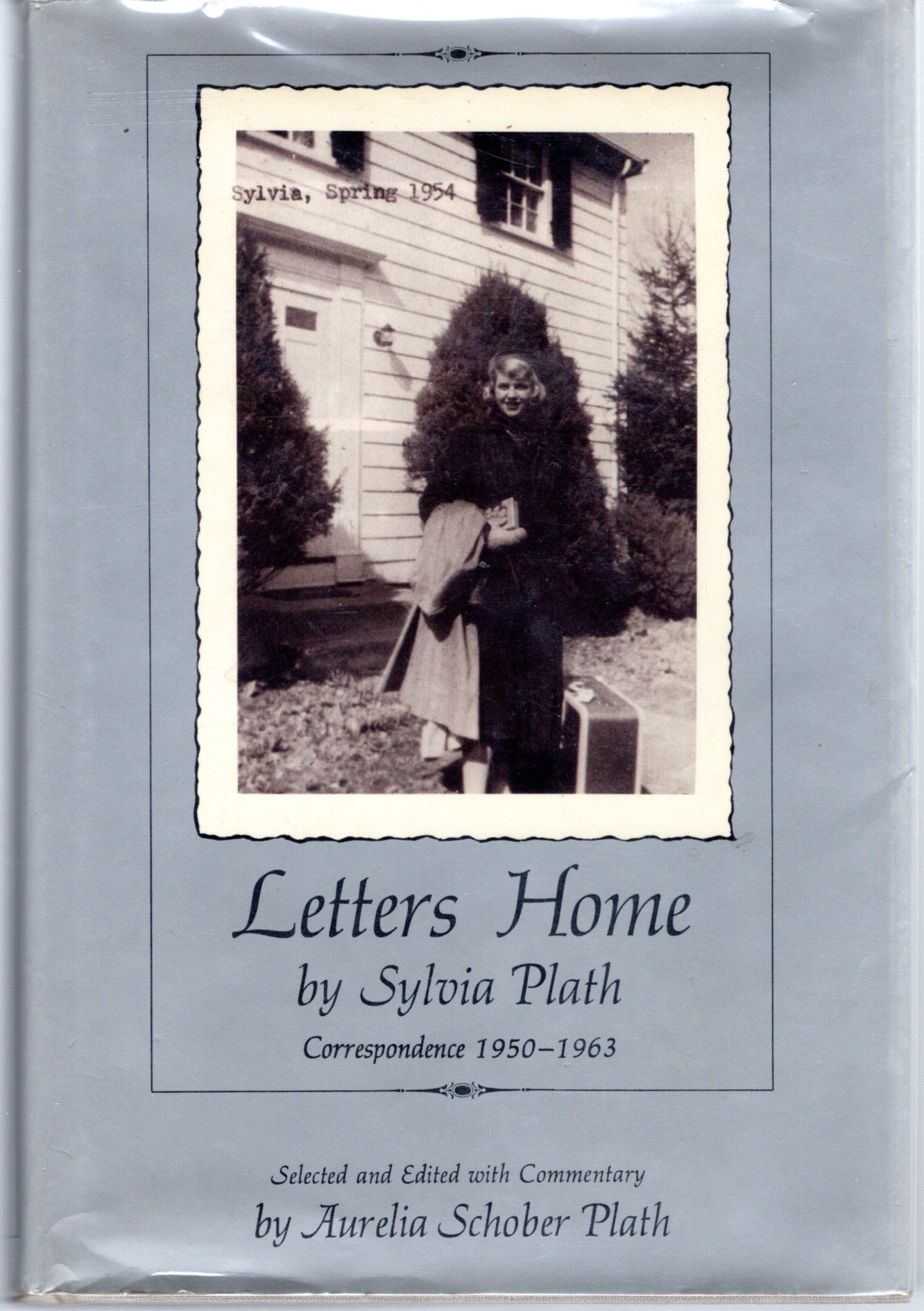
The relationship between Sylvia and Aurelia was one of intense, stifling closeness and underlying resentment. This is most evident in Letters Home, a collection of Sylvia’s correspondence to her mother, which reveals a daughter desperate to present a "shiny" version of herself while hiding her inner turmoil. In contrast, Sylvia’s journals and her novel The Bell Jar reveal a deep-seated anger toward the maternal expectations of the 1950s that Aurelia represented.
The Marriage of Giants: Sylvia Plath and Ted Hughes
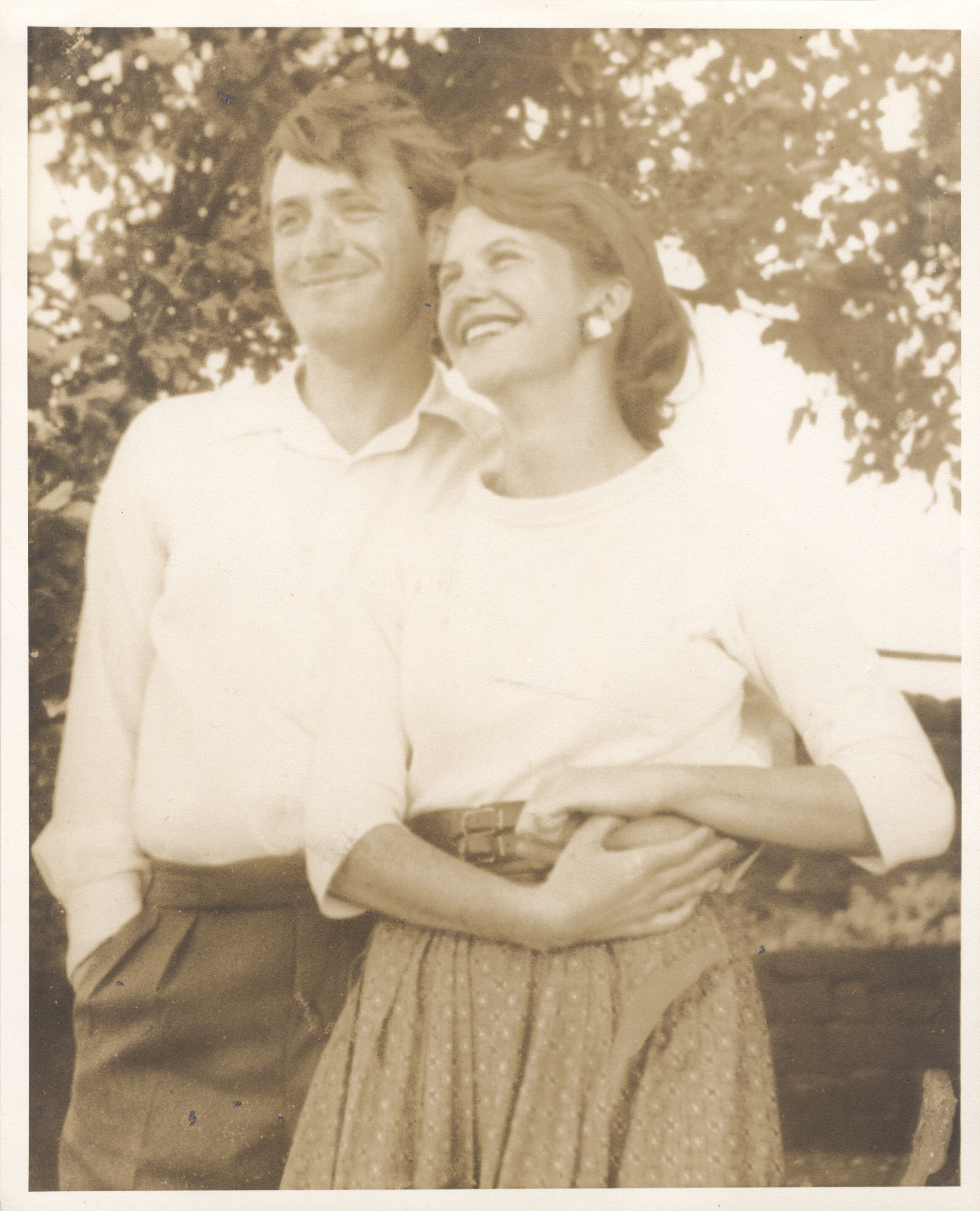
In February 1956, while studying at Cambridge University on a Fulbright Scholarship, Sylvia Plath met Ted Hughes at a party celebrating the launch of the St. Botolph’s Review. Their meeting is legendary in literary history—Plath famously bit Hughes on the cheek, and within four months, they were married.
A Creative Partnership
The Plath-Hughes marriage was one of the most intense creative unions of the 20th century. They functioned as each other's primary editors and muses. Hughes encouraged Plath to move away from her early, overly structured "thesaurus" poetry toward the more visceral, raw voice found in her later work. Together, they navigated the literary scenes of London, Boston, and eventually the rural Devon countryside.
The Breakdown and Assia Wevill
The marriage began to crumble in 1962 when Plath discovered Hughes was having an affair with Assia Wevill, the wife of fellow poet David Wevill. The betrayal triggered a volcanic period of productivity for Plath, during which she wrote the majority of the Ariel poems in a "pre-dawn" state of creative ecstasy.
The separation in late 1962 left Plath a single mother in a freezing London flat during one of the harshest winters on record. It was during this period that she took her own life in February 1963. Hughes’s subsequent role as the executor of her estate remains a subject of intense controversy, as he famously admitted to destroying the final volume of her journals to "protect" their children.
The Second Generation: Frieda and Nicholas Hughes
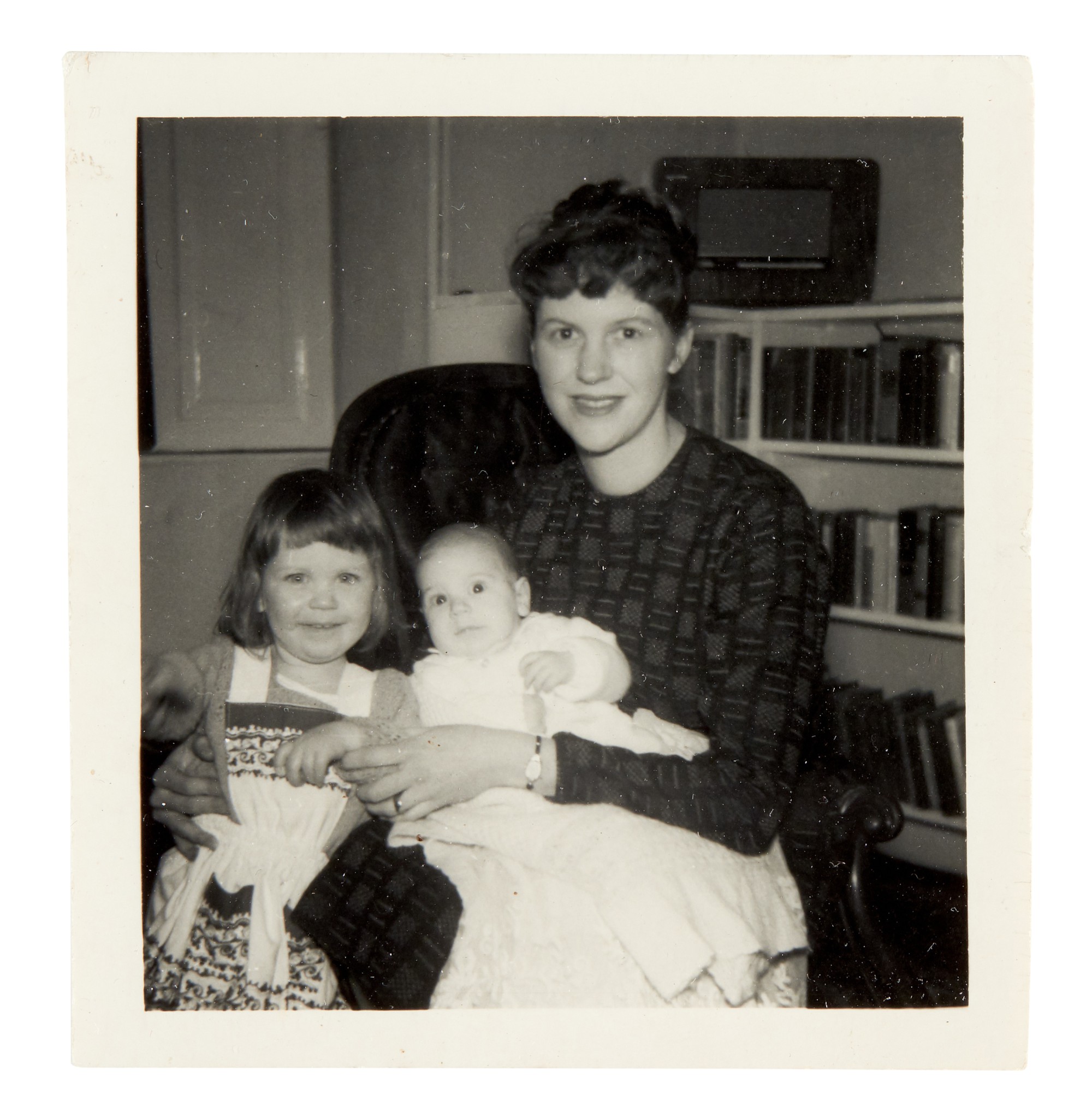
Sylvia Plath and Ted Hughes had two children: Frieda Rebecca, born in 1960, and Nicholas Farrar, born in 1962. Growing up in the shadow of their mother’s suicide and their father’s polarizing reputation, both children sought paths that balanced their parents' legacies with their own identities.
Frieda Hughes: Art and Advocacy
Frieda Hughes established herself as a successful poet and painter. For decades, she has been a protective guardian of her mother’s image, often speaking out against the "Plath industry" that she felt turned her mother’s tragedy into a public commodity. Her own poetry collections, such as Wooroloo and Stone Ridge, often touch on themes of nature and the complexities of her family history. Frieda has been instrumental in ensuring that her mother is remembered as a vibrant, complex artist rather than just a victim of mental illness.
Nicholas Hughes: The Quiet Scientist
Nicholas Hughes took a vastly different path, eschewing the literary spotlight for a career in science. He became a professor of fisheries and ocean sciences at the University of Alaska Fairbanks, specializing in the behavioral ecology of stream fish. Known for his brilliance and his preference for a quiet, private life, Nicholas’s story ended tragically when he died by suicide in March 2009. His death echoed the familial trauma that had haunted the Hughes-Plath lineage for decades.
Comparison of Key Family Members
The following table summarizes the roles and impacts of the primary members of Sylvia Plath's family.
| Family Member | Relationship | Primary Occupation | Key Influence/Legacy |
|---|---|---|---|
| Otto Plath | Father | Professor/Entomologist | His early death is the central trauma of Plath's poetry; subject of "Daddy." |
| Aurelia Plath | Mother | Educator/Editor | Published Letters Home; represented the maternal pressures Plath resisted. |
| Ted Hughes | Husband | Poet Laureate | Her greatest creative collaborator; controversial executor of her estate. |
| Frieda Hughes | Daughter | Painter/Poet | Maintains the Plath estate; advocate for her parents' artistic legacies. |
| Nicholas Hughes | Son | Ichthyologist | Sought a life in science away from the spotlight; died by suicide in 2009. |
| Warren Plath | Brother | Professional | The "stable" sibling; provided a grounded contrast to Sylvia's intensity. |
The Role of Assia Wevill and the "Second Family"
It is impossible to discuss the Plath family without mentioning Assia Wevill. Though never legally Plath's family, her presence fundamentally altered the trajectory of the Hughes-Plath children.
Following Plath’s death, Wevill helped raise Frieda and Nicholas for a time and had a daughter with Hughes, Alexandra Tatiana Elise (known as Shura). However, the shadow of Plath’s ghost and Hughes’s refusal to fully commit led to another tragedy. In 1969, Assia killed herself and four-year-old Shura in a manner mirroring Plath’s suicide. This event solidified the narrative of "curse" that often surrounds the family, though modern scholars prefer to focus on the systemic pressures and personal struggles with mental health that affected those involved.
The Estate and Literary Stewardship in 2026
As of 2026, the management of Sylvia Plath’s literary estate has transitioned almost entirely into the hands of Frieda Hughes and professional archivists. For years, the estate was managed by Ted Hughes and his sister, Olwyn Hughes, who was notoriously protective and often clashed with Plath biographers.
The stewardship of the estate has evolved from a defensive stance to one of greater transparency. Significant archival releases at Smith College and Emory University have allowed researchers to see Plath not just as a tragic figure, but as a meticulous professional who treated her writing as a disciplined craft. The family’s role has shifted toward preserving the integrity of the original manuscripts and ensuring that Plath’s voice is not drowned out by the sensationalism of her biography.
Frequently Asked Questions
Did Sylvia Plath’s children follow in her footsteps?
Frieda Hughes followed a creative path, becoming a noted poet and painter. Nicholas Hughes chose a scientific career in ichthyology, though friends noted he possessed a keen intellect and appreciation for the natural world that mirrored his father’s interests. Both children had to navigate the immense public interest in their parents' lives.
How did the death of Otto Plath impact Sylvia’s work?
Otto's death when Sylvia was eight created a psychological "void" that she spent her life trying to fill or understand. It introduced themes of abandonment, the "electra complex," and the struggle against authoritarian figures that dominate her late poetry in Ariel.
Why was Ted Hughes’s management of the estate controversial?
Hughes destroyed Plath’s final journal (covering the months leading up to her suicide) and "lost" another. He also reordered the poems in the original publication of Ariel, removing some of the more hopeful endings Plath had intended. He claimed these actions were to protect his children from the rawest expressions of their mother’s pain.
What is the significance of the poem "Daddy"?
"Daddy" is perhaps Plath's most famous and controversial poem. It uses Holocaust imagery to describe the suffocating influence of her father and her husband. It represents her attempt to "kill" the memory of the men who had dominated her psychological landscape.
Who is currently responsible for Sylvia Plath’s legacy?
The estate is primarily overseen by Frieda Hughes. Academic institutions like the Smith College Special Collections and the British Library also play vital roles in preserving her physical archives and making them accessible to scholars worldwide.
Practical Recommendations for Readers
For those looking to understand the Plath family beyond the headlines, the following steps are recommended:
- Read the Primary Sources First: Start with Plath’s Ariel (the Restored Edition) and Ted Hughes’s Birthday Letters. The latter is his poetic response to their marriage, published shortly before his death in 1998.
- Examine the Journals: Plath’s Unabridged Journals offer a much more accurate view of her internal life and her feelings toward her family than the edited versions published shortly after her death.
- Explore Frieda Hughes's Perspective: Reading Frieda's introductions to her mother's books provides essential context on how the family views the public's obsession with their private grief.
- Visit Archives: If conducting serious research, the Plath collections at Smith College or Indiana University’s Lilly Library offer the most direct contact with her family artifacts and correspondence.
Image Gallery