Comprehensive Guide to CVS Health Employee Benefits and Total Rewards in 2026
CVS Health offers a multi-tiered "Total Rewards" package in 2026 that integrates medical coverage through Aetna, competitive 401(k) matching, and extensive employee discounts. These benefits are designed to support the physical, financ...
CVS Health offers a multi-tiered "Total Rewards" package in 2026 that integrates medical coverage through Aetna, competitive 401(k) matching, and extensive employee discounts. These benefits are designed to support the physical, financial, and mental wellbeing of a diverse workforce spanning retail, pharmacy, and corporate sectors. This guide focuses specifically on the internal corporate and retail employee benefits provided by CVS Health and its subsidiaries, such as Aetna and Caremark, rather than consumer-facing loyalty programs like ExtraCare.
Contents
The Core Pillars of CVS Health Benefit Programs
CVS Health structures its employee value proposition around four primary pillars: Health, Wealth, Self, and Career. As one of the largest healthcare companies in the world, CVS Health leverages its own internal infrastructure—specifically Aetna for insurance and Caremark for pharmacy benefits—to provide a streamlined experience for its colleagues.
In 2026, the company continues to emphasize "whole-person care," which recognizes that financial stress or mental health struggles directly impact physical health and workplace productivity. The eligibility for these benefits generally falls into two categories: full-time colleagues (typically working 30+ hours per week) and eligible part-time colleagues who meet specific service-hour requirements over a rolling measurement period.
Health and Insurance Coverage
The centerpiece of the 2026 health package is the integration with Aetna. Employees can choose from several plan designs, including High Deductible Health Plans (HDHP) paired with Health Savings Accounts (HSA) and more traditional Preferred Provider Organization (PPO) plans.
- Medical Plans: Most employees are enrolled in Aetna-administered plans. These plans utilize a vast network of providers, though out-of-pocket costs are significantly lower when using CVS Pharmacy for prescriptions and MinuteClinic locations for acute care.
- Dental and Vision: Comprehensive dental coverage includes preventative care, basic restorative services, and major services. Vision plans cover annual exams, lenses, and frames with significant discounts when using in-network providers.
- Prescription Drug Coverage: Administered through CVS Caremark, employees receive optimized pricing on maintenance medications. In 2026, the "CVS Health Savings" initiative allows employees to pay $0 for many generic maintenance medications if filled at a CVS Pharmacy location.
- Health Savings Accounts (HSA): For those in HDHPs, CVS Health often provides a company contribution to the HSA, helping to offset the deductible. For 2026, the IRS contribution limits remain a critical factor for employee tax planning.
2026 Financial Benefits and Retirement Planning
CVS Health provides robust financial incentives to encourage long-term wealth building and immediate fiscal stability. The 2026 financial suite focuses on automated savings and equity ownership.
401(k) Savings Plan
The CVS Health 401(k) plan is a cornerstone of the retirement strategy. The company typically offers a dollar-for-dollar match on the first 5% of eligible pay contributed by the employee. In 2026, the IRS elective deferral limit has been adjusted to account for inflation, allowing employees to maximize their tax-advantaged savings. Vesting schedules apply to company matching contributions, usually following a five-year graded scale or a three-year cliff depending on the specific legacy contract or modern hire date.
Employee Stock Purchase Plan (ESPP)
The ESPP allows colleagues to purchase CVS Health (CVS) stock at a 15% discount. This program operates on specific offering periods, where funds are deducted via payroll and used to buy shares at the end of the period based on the lower of the stock price at the start or the end of the window.
Comparison of Full-Time vs. Part-Time Benefit Eligibility 2026
| Benefit Feature | Full-Time Employees (30+ Hours) | Part-Time Employees (<30 Hours) |
|---|---|---|
| Medical Insurance | Immediate or 90-day eligibility | Limited plans available after 1 year |
| 401(k) Matching | Eligible after 1,000 hours/1 year | Eligible after 1,000 hours/1 year |
| Employee Discount | 30% off CVS Brands / 20% off others | 30% off CVS Brands / 20% off others |
| Paid Parental Leave | Up to 4 weeks (fully paid) | Not typically eligible |
| Tuition Assistance | Up to $3,000 annually | Eligible for select programs |
| Paid Time Off (PTO) | Accrued based on tenure | Limited accrual in select states |
Mental Health and Wellbeing Initiatives
In 2026, CVS Health has expanded its "Resources for Living" program. This is an enhanced Employee Assistance Program (EAP) that provides 24/7 access to clinicians and counselors.
Mental Health Support Framework
Counseling Services Employees and their household members are eligible for a set number of free counseling sessions per year. These can be conducted in person or via telehealth.
Mindful Moments CVS Health has integrated mindfulness training into its daily operations for retail and pharmacy staff to combat burnout. This includes access to premium subscriptions for meditation and sleep apps at no cost to the employee.
Suicide Prevention and Crisis Care Specialized training is provided to managers to recognize signs of distress, ensuring a supportive environment for those dealing with severe mental health challenges.
Career Development and Educational Assistance
CVS Health views employee education as a strategic investment. The 2026 Educational Assistance program is designed to reduce the financial barrier to career advancement within the healthcare sector.
- Tuition Reimbursement: Eligible colleagues can receive reimbursement for approved degree programs and job-related courses.
- Pharmacy Technician Training: CVS Health provides fully funded training and certification paths for colleagues looking to transition into pharmacy technician roles.
- Colleague Resource Groups (CRGs): These groups provide networking and mentorship opportunities for diverse populations within the company, including veterans, LGBTQ+ individuals, and women in leadership.
Step-by-Step: How to Enroll in CVS Health Benefits
The enrollment process for 2026 is handled through the "myHR" portal. New hires and existing employees during the Open Enrollment period must follow these steps:
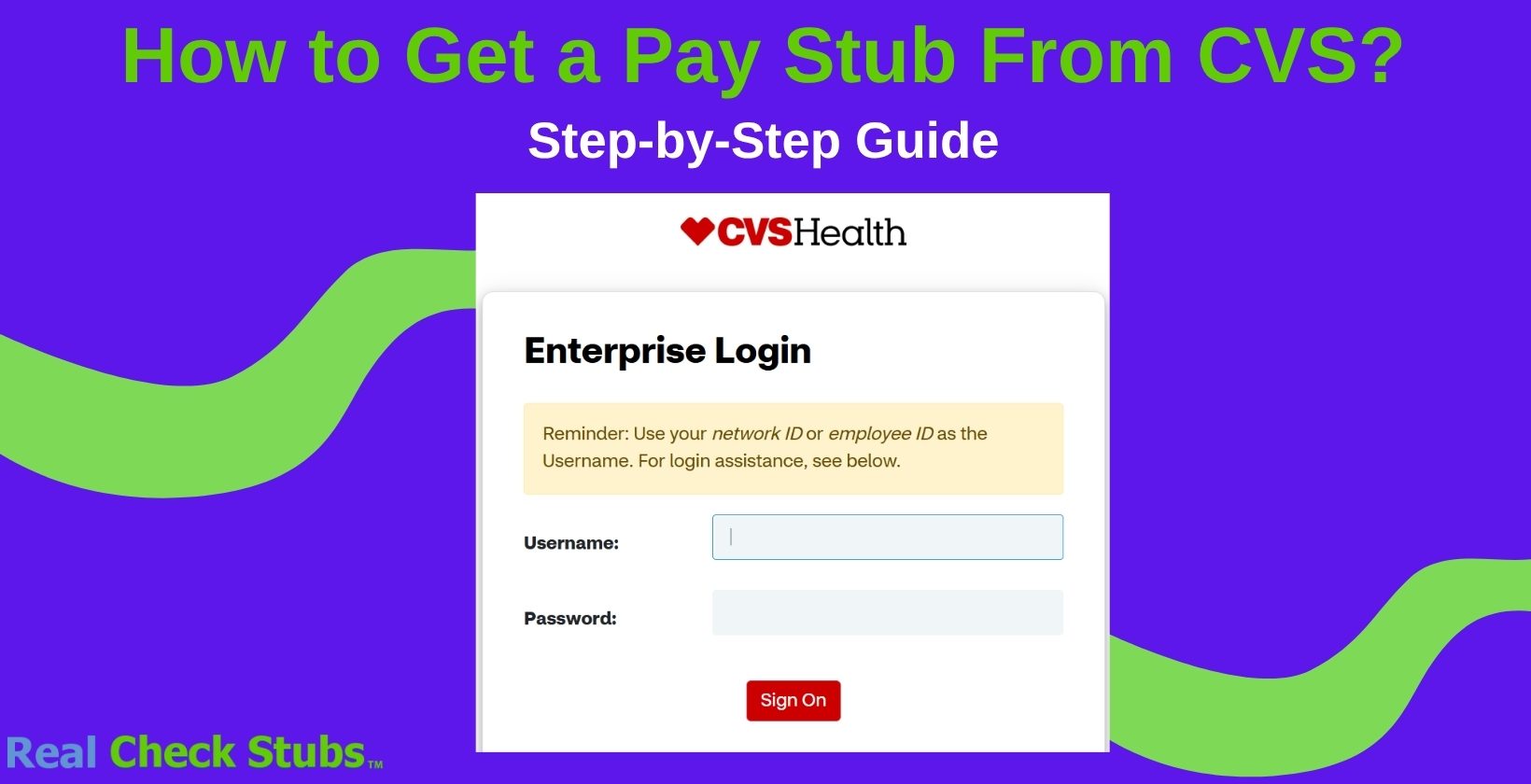
- Access the myHR Portal: Log in using your employee ID and federated credentials.
- Review the Benefits Guide: Before making selections, download the 2026 Benefits Guide which outlines the specific premiums (weekly or bi-weekly deductions) for each plan tier.
- Complete the Tobacco Attestation: CVS Health often includes a premium surcharge for tobacco users. Completing the attestation or a cessation program can remove this surcharge.
- Select Your Plans: Choose your medical, dental, vision, and life insurance levels. You must also designate beneficiaries for life insurance and 401(k) accounts.
- Verify Dependents: If adding a spouse or children, you will be required to upload documentation (marriage licenses, birth certificates) within a specific timeframe (usually 30 days).
- Confirm and Save: Review your "Shopping Cart" of benefits and submit. Ensure you receive a confirmation number.
Analysis: Pros and Cons of CVS Health Benefits
Advantages
- Internal Synergy: Using Aetna as the carrier and Caremark as the PBM creates a highly integrated healthcare experience with lower administrative hurdles.
- Strong Discount: The 30% discount on CVS Brand products is a significant "hidden" wage increase for retail employees who shop at their workplace.
- Inclusive Family Support: The 2026 policy includes support for adoption, surrogacy, and diverse family structures.
Disadvantages
- Network Restrictions: To get the best rates, employees are often steered heavily toward CVS-owned entities, which may limit choice for those with established relationships with non-CVS providers.
- Part-Time Gaps: While CVS Health is more generous than some retailers, there is still a significant gap in medical coverage for part-time workers until they hit the one-year service mark.
Frequently Asked Questions
How long do I have to wait for my health benefits to start at CVS Health?
For most full-time roles, benefits become effective on the first of the month following 90 days of employment. However, certain corporate and management roles may have immediate eligibility upon their start date. It is critical to check your specific offer letter or the myHR portal within your first week to ensure you do not miss the enrollment window.
What is the CVS Health employee discount in 2026?
CVS Health employees receive a 30% discount on all CVS Health brand products and a 20% discount on most other regularly priced merchandise. This discount is accessible via the employee's ExtraCare card and can be used at any CVS Pharmacy location nationwide. Some exclusions apply, such as prescriptions, alcohol, and tobacco.
Does CVS Health offer paid parental leave?
Yes, in 2026, CVS Health offers up to four weeks of fully paid parental leave for eligible full-time colleagues. This leave applies to both birthing and non-birthing parents, including those who are expanding their families through adoption or foster care. This is in addition to any short-term disability benefits that may apply to birth mothers.
How does the CVS Health 401(k) match work?
CVS Health provides a dollar-for-dollar match on the first 5% of your eligible compensation that you contribute to the plan. To be eligible for the match, you typically need to complete one year of service and 1,000 hours of work. The match is a powerful tool for retirement, essentially providing a 5% "bonus" that is invested for your future.
Can part-time CVS employees get health insurance?
Part-time employees may become eligible for limited medical plans after one year of continuous service, provided they meet the minimum average hour requirements (usually 30 hours per week over the measurement period). While they may not have access to the full suite of PPO plans available to full-time staff, CVS Health provides access to dental and vision plans to a broader range of employees.
Is tuition reimbursement available for all employees?
Tuition reimbursement is generally available to full-time employees and some part-time employees who have completed at least 90 days of service. The program covers job-related courses at accredited institutions, with an annual cap (currently $3,000 for most roles). CVS Health also partners with specific educational platforms to provide debt-free degree options for high-demand roles.
Practical Recommendations for Maximizing Your Benefits
To get the most out of the CVS Health Total Rewards package in 2026, employees should prioritize the 401(k) match immediately upon eligibility. Failing to contribute at least 5% results in leaving "free money" on the table. Furthermore, utilizing MinuteClinics for minor illnesses can save hundreds of dollars in co-pays compared to urgent care or emergency room visits. Lastly, always use the 30% CVS brand discount for household essentials; over a year, this can save a typical household over $1,000 in after-tax income.
Image Gallery