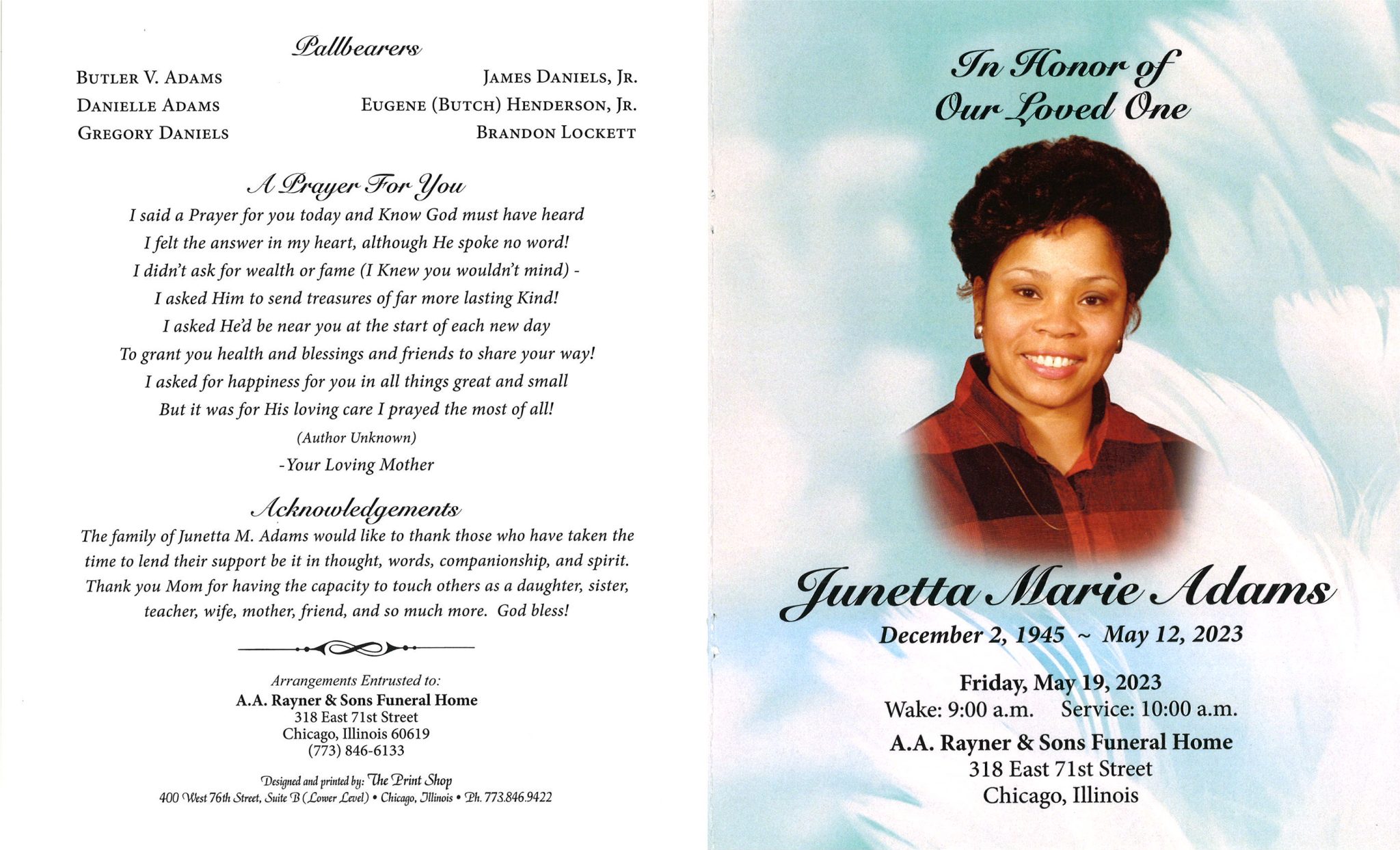
Albert Burpee Funeral Home Obituaries and Memorial Services Guide
Finding and navigating Albert Burpee Funeral Home obituaries requires understanding local memorial channels, service schedules, and historical records. The funeral home provides comprehensive traditional burials, cremation options, and...
Finding and navigating Albert Burpee Funeral Home obituaries requires understanding local memorial channels, service schedules, and historical records. The funeral home provides comprehensive traditional burials, cremation options, and personalized celebration-of-life services, serving families throughout its regional community with structured guidance during times of bereavement.
Contents
Understanding Local Memorial Services and Obituary Access
Accessing current and archived death notices requires knowing where official publications appear. Memorial notices serve multiple practical purposes for families and communities, ranging from announcing passing details to coordinating attendance for memorial services, visitations, and interments.
When searching for records related to the facility, families typically look for service times, biographical sketches, and expressions of sympathy. Because digital archives change over time, utilizing official channels ensures accurate information regarding visitation hours and floral arrangements.
Core Functions of Modern Memorial Notices
- Service Coordination: Providing precise dates, times, and venue locations for viewings, funeral services, and committal rites.
- Biographical Preservation: Documenting a deceased individual's life history, surviving family members, and community contributions.
- Condolence Channels: Offering platforms for friends and extended family to send flowers, plant memorial trees, or leave digital condolence messages.
- Charitable Direction: Directing memorial contributions to specific preferred charities or non-profit organizations in lieu of flowers.
Available Services Provided by the Funeral Home
Professional death care facilities offer a spectrum of arrangements tailored to individual cultural, religious, and personal preferences. Understanding these service offerings helps families make informed decisions during administrative planning.
| Service Type | Primary Description | Typical Inclusions |
|---|---|---|
| Traditional Burial | Classic service format featuring a public viewing, formal funeral ceremony, and ground burial or entombment. | Professional staff services, embalming, casket selection, use of facility or church for service, hearse transportation. |
| Cremation Options | Flexible arrangement allowing direct cremation or cremation following a traditional visitation and service. | Crematory fees, alternative container, temporary or permanent urn options, memorial service coordination. |
| Celebration of Life | Contemporary, highly personalized gathering focused on celebrating the unique personality and achievements of the deceased. | Customized decor, multimedia tribute video production, personalized music, non-traditional venues or celebrant-led services. |
| Pre-Planning Services | Proactive arrangement of funeral details and financial provisions prior to need, relieving stress on surviving loved ones. | Detailed written preferences, legally binding pre-need trusts or insurance assignments, price locking options. |
How to Find and Verify Recent Obituaries
Locating authentic notices demands caution against unofficial aggregate sites that sometimes scrape data or charge hidden fees for basic information. Verifying details through primary sources protects families from misinformation and ensures tributes reach the intended recipients.
Official Verification Best Practices Primary Sources: Always check the official website of the funeral home or authorized local newspaper partners before scheduling travel or sending floral tributes. Cross-Referencing: Compare dates and service locations across multiple trusted local publications to ensure no scheduling changes have occurred. Direct Contact: When in doubt about visitation restrictions or private service requests, call the funeral home directly for clarification.
Step-by-Step Guide to Arranging Memorial Services
When a family must plan a service following a loss, following a structured workflow helps manage administrative requirements efficiently. The arrangement process involves several distinct legal and logistical phases.
- Initial Notification and Transfer: Contact medical professionals if death occurs at home, or notify facility staff if passing occurs in a hospital or care facility. Authorize the funeral home to transfer the deceased into their care.
- Vital Statistics Gathering: Compile necessary information for the death certificate, including social security number, full legal name, parents' names (including mother's maiden name), employment history, and education level.
- Arrangement Conference: Meet with a licensed funeral director, either in person or virtually, to determine the disposition method (burial versus cremation) and select merchandise such as caskets, urns, or vaults.
- Drafting the Obituary: Write the biographical notice in collaboration with the funeral director, detailing surviving family members, life achievements, and service schedule specifics before submitting it to print and digital media.
- Finalizing Service Logistics: Coordinate clergy or celebrants, music selections, floral arrangements, pallbearers, and cemetery plot or niche openings.
- Post-Funeral Administration: Obtain certified copies of the death certificate for insurance, banking, and estate settlement purposes, and send personalized thank-you notes to attendees and contributors.
Common Questions Regarding Funeral Arrangements and Notices
Where can I find official obituaries associated with Albert Burpee Funeral Home?
Official notices are typically published directly on the funeral home's designated web portal or through partnered local regional newspapers. Checking these primary sources ensures you receive up-to-date schedules for visitations and services.
What information is required to write a comprehensive obituary?
An obituary generally includes the full name of the deceased, age, city of residence, date of passing, a brief summary of life events, surviving family members, predeceased relatives, and details regarding public services or memorial contributions.
Can funeral arrangements be modified after the obituary is published?
Yes, service times or locations can be updated, though quick action is necessary. Contact the funeral director immediately so they can issue a correction notice to digital platforms and media outlets.
What is the difference between a traditional funeral and a celebration of life?
A traditional funeral usually incorporates a viewing or visitation followed by a structured religious or formal service centered around a casket. A celebration of life is typically more informal, focusing heavily on personal hobbies, uplifting music, and joyful remembrance rather than formal mourning.
How far in advance should pre-planning arrangements be made?
Pre-planning can be done at any adult stage of life. Making these decisions early locks in current pricing structures and ensures your exact personal wishes are legally documented, sparing family members from difficult choices during grief.
Are flowers always appropriate to send for memorial services?
While traditional, some families prefer to request donations to specific charities in lieu of floral arrangements. Always review the specific obituary text to respect the family's stated preferences.
Conclusion and Next Steps
Navigating memorial arrangements and historical records requires patience and attention to detail. Whether you are researching family history through past notices or organizing a service for a loved one, working closely with experienced professionals ensures every aspect is handled with dignity and respect. For immediate assistance regarding active schedules, service planning, or obituary submissions, contact the funeral home administration directly to speak with a licensed director.
Image Gallery