Girma Wolde-Giorgis’ Role in the Ethiopian Parliament: A Historical and Constitutional Analysis
Girma Wolde-Giorgis played a pivotal role in the Ethiopian Parliament across two vastly different eras: first as the Speaker of the Chamber of Deputies during the Imperial regime of Haile Selassie, and later as the President of the Fed...
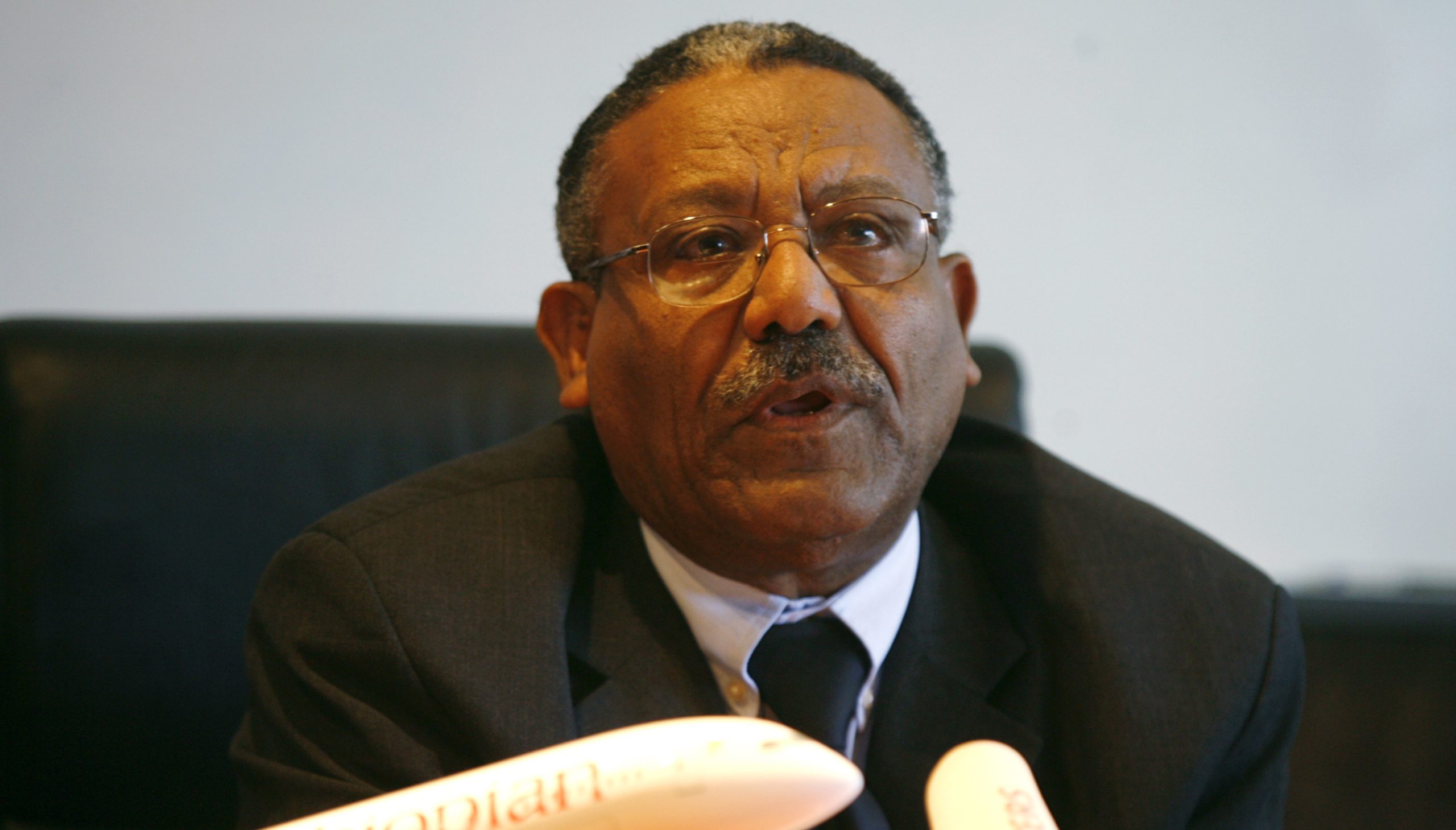
Girma Wolde-Giorgis played a pivotal role in the Ethiopian Parliament across two vastly different eras: first as the Speaker of the Chamber of Deputies during the Imperial regime of Haile Selassie, and later as the President of the Federal Democratic Republic of Ethiopia (2001–2013). In the latter role, he served as the constitutional Head of State, elected by a joint session of both parliamentary houses to provide symbolic unity and legislative oversight.
Contents
The Dual Legacy of Girma Wolde-Giorgis in Ethiopian Governance
To understand the role of Girma Wolde-Giorgis within the Ethiopian Parliament, one must view his career as a bridge between the imperial past and the federal present. His involvement with the legislature was not merely a modern appointment; it was the culmination of decades of administrative and diplomatic service. As of 2026, historians view his tenure as a period of relative institutional stability, where the ceremonial functions of the presidency were refined to support the burgeoning parliamentary democracy.
His legislative journey began long before the current constitutional framework was established. By the time he was elected President in 2001, he already possessed an intimate knowledge of parliamentary procedure, having navigated the complex politics of the mid-20th century. This experience allowed him to occupy the presidency—a role that is technically "above" the daily fray of party politics—with a level of gravitas that was essential for a country transitioning through significant socio-political changes.
Historical Foundations: The Imperial Parliament (1961–1974)
Girma Wolde-Giorgis’ first significant role in the Ethiopian Parliament occurred during the reign of Emperor Haile Selassie. In 1961, he was elected as the Speaker of the Chamber of Deputies, the lower house of the Imperial Parliament. This role was fundamentally different from his later presidency but equally critical in shaping his political identity.
Speaker of the Chamber of Deputies
As Speaker, Girma was responsible for managing legislative debates and ensuring that the Chamber functioned according to the Revised Constitution of 1955. While the Emperor held ultimate executive and legislative authority, the Chamber of Deputies served as a venue for regional representatives to voice concerns and deliberate on budgets and local governance. Girma’s ability to moderate these sessions earned him a reputation for diplomacy and procedural fairness.
Parliamentary Diplomacy
During this era, he also represented Ethiopia in various international parliamentary forums. This early exposure to global legislative standards influenced his later advocacy for international cooperation and environmental protection. His tenure as Speaker ended with the 1974 revolution, which saw the dissolution of the imperial parliamentary system and the rise of the Derg military junta.
The Constitutional Framework of the FDRE Presidency
Following the adoption of the 1995 Constitution of the Federal Democratic Republic of Ethiopia (FDRE), the country moved to a parliamentary system. In this system, the Prime Minister holds the highest executive power, while the President serves as the Head of State. This distinction is vital to understanding Girma Wolde-Giorgis’ role from 2001 to 2013.
Election by the Two Houses
Under Article 70 of the Constitution, the President is not elected by popular vote but by a joint session of the two houses of the Federal Parliament:
- The House of Peoples' Representatives (HPR): The lower house, which is the highest authority of the federal government.
- The House of the Federation (HoF): The upper house, representing the "Nations, Nationalities, and Peoples" of Ethiopia.
To be elected, a candidate must receive a two-thirds majority vote from the joint session. Girma Wolde-Giorgis was first elected in October 2001, succeeding Negasso Gidada. His election was significant because he was seen as a non-partisan figure who could bridge the gap between different ethnic and political factions within the parliament.
The Requirement of Neutrality
The role demands that the individual vacate any political party seats or official positions within a party upon election. Girma’s ability to maintain a perceived sense of neutrality, despite the dominance of the EPRDF coalition during his tenure, was a defining characteristic of his relationship with the parliament.
Specific Parliamentary Duties and Responsibilities
While the Ethiopian presidency is often described as ceremonial, the role involves specific, legally mandated interactions with the parliament that are essential for the functioning of the state.
Opening the Annual Sessions
Each year, usually in October, the President addresses a joint session of the House of Peoples' Representatives and the House of the Federation. This "Speech from the Throne" style address outlines the government's agenda for the coming year. During his twelve years in office, Girma Wolde-Giorgis used these speeches not only to present official policy but also to advocate for issues close to his heart, such as environmental conservation and the importance of national unity.
The Signing of Proclamations
According to Article 71 of the Constitution, the President has the duty to sign and proclaim laws (proclamations) approved by the House of Peoples' Representatives. While the President does not have a formal veto power similar to that of the U.S. President, the act of signing is a necessary procedural step for a bill to become law. If the President fails to sign a bill within fifteen days, it automatically becomes law, but Girma consistently fulfilled this duty, maintaining a rhythmic legislative process.
Diplomatic and Representative Functions
As the head of the state, Girma acted as the parliamentary face of Ethiopia to the international community. He received foreign ambassadors, hosted visiting heads of state, and represented the Ethiopian parliament at the African Union and other international bodies. This role helped legitimize the Ethiopian parliamentary system on the global stage during a period of rapid economic growth.
Comparison of Roles Across Eras
The following table highlights the differences in Girma Wolde-Giorgis’ functions within the Ethiopian legislative framework during the Imperial era and the Federal Democratic Republic era.
| Feature | Imperial Era (Speaker) | FDRE Era (President) |
|---|---|---|
| Years of Service | 1961–Early 1970s | 2001–2013 |
| Parliamentary House | Chamber of Deputies (Lower) | Joint Session (HPR & HoF) |
| Primary Power | Moderating legislative debate | Symbolic Head of State |
| Source of Authority | Appointed/Elected under Emperor | Elected by 2/3 majority of Parliament |
| Legislative Role | Managing bills and procedure | Signing proclamations into law |
| Political Status | Member of Parliament | Non-partisan (Neutral) |
| Key Focus | Regional representation | National unity and environmentalism |
Relationship with the Prime Minister and the Cabinet
In the Ethiopian parliamentary system, the relationship between the President and the Prime Minister is one of "Head of State" vs. "Head of Government." During most of Girma Wolde-Giorgis' tenure, the Prime Minister was Meles Zenawi.
Girma’s role was to provide a stable, constant presence while the Prime Minister managed the executive branches and the majority coalition in the House of Peoples' Representatives. This division of labor allowed Girma to focus on humanitarian and environmental issues that might have been sidelined by the intense political focus of the cabinet. He was often seen as a moral compass within the government, using his platform to urge the parliament toward consensus on non-political matters.
The Pardon Power
One of the most significant interactions between the President and the judicial/parliamentary interface is the power to grant pardons. Girma Wolde-Giorgis exercised this power based on recommendations from the Board of Pardons. This function is a critical "check and balance" within the parliamentary system, ensuring that the state can exercise mercy in a way that is distinct from the immediate political interests of the ruling party in parliament.
Legacy in Environmental Advocacy and Parliamentary Diplomacy
Girma Wolde-Giorgis is perhaps most fondly remembered for his role in bringing environmental issues to the forefront of the Ethiopian Parliament. Before it was common in mainstream Ethiopian politics, Girma used his position to advocate for reforestation and the protection of biodiversity.
He founded the "Lem Ethiopia" environmental group and frequently used his annual addresses to the parliament to remind legislators of their duty to protect the country's natural resources. His advocacy helped pave the way for later legislative frameworks regarding climate change and sustainable development, which remain central to Ethiopian policy in 2026.
Frequently Asked Questions
Did Girma Wolde-Giorgis have the power to veto laws passed by Parliament?
No. Under the 1995 Constitution, the President does not have a formal veto. He is required to sign laws passed by the House of Peoples' Representatives within fifteen days. If he does not sign, the law goes into effect automatically. His role is to validate the legislative process, not to block it.
How many terms did Girma Wolde-Giorgis serve in the FDRE Parliament?
He served two six-year terms. He was first elected in 2001 and was re-elected for a second term in 2007. He was the first President of the FDRE to complete two full terms, providing a decade of continuity in the Head of State office.
Was Girma Wolde-Giorgis a member of a political party while he was President?
According to the Constitution, the President must be free from any political party involvement. Although he had worked with various administrations throughout his long career, he maintained an independent status during his presidency to serve as a symbol of national unity for all Ethiopians.
Who succeeded Girma Wolde-Giorgis as President?
Girma was succeeded by Mulatu Teshome in October 2013. Dr. Mulatu was also elected by a joint session of the House of Peoples' Representatives and the House of the Federation, following the same constitutional procedure that Girma had helped solidify.
What was the most significant challenge he faced in Parliament?
One of the most complex periods was following the 2005 general elections. The parliament faced significant internal tension and protests. Girma’s role during this time was to remain a calming influence and to continue the formal functions of the state, such as opening parliamentary sessions and receiving foreign dignitaries, to demonstrate the continuity of the constitutional order.
Practical Guidance for Researchers
For those studying the history of the Ethiopian Parliament, it is essential to distinguish between the executive powers of the Prime Minister and the honorary powers of the President. Girma Wolde-Giorgis’ role is best researched through the "Minutes of the House of Peoples' Representatives" (HPR) and the "Negarit Gazette," which contains the official proclamations he signed.
When analyzing his impact, look beyond the lack of executive authority; his significance lay in his ability to maintain institutional memory and provide a bridge between the disparate eras of Ethiopian governance.
Image Gallery