Is Fort Worth Texas Safe: A Comprehensive 2026 Safety Analysis
Fort Worth, Texas, maintains a nuanced safety profile that varies significantly by neighborhood and urban density. While the city experienced shifts in public safety metrics through 2026, it generally remains comparable to other major...
Fort Worth, Texas, maintains a nuanced safety profile that varies significantly by neighborhood and urban density. While the city experienced shifts in public safety metrics through 2026, it generally remains comparable to other major U.S. metropolitan areas of its size. Residents and visitors should prioritize situational awareness, as crime risks are primarily concentrated in specific zones rather than being city-wide.
Contents
Understanding the Landscape of Public Safety in Fort Worth
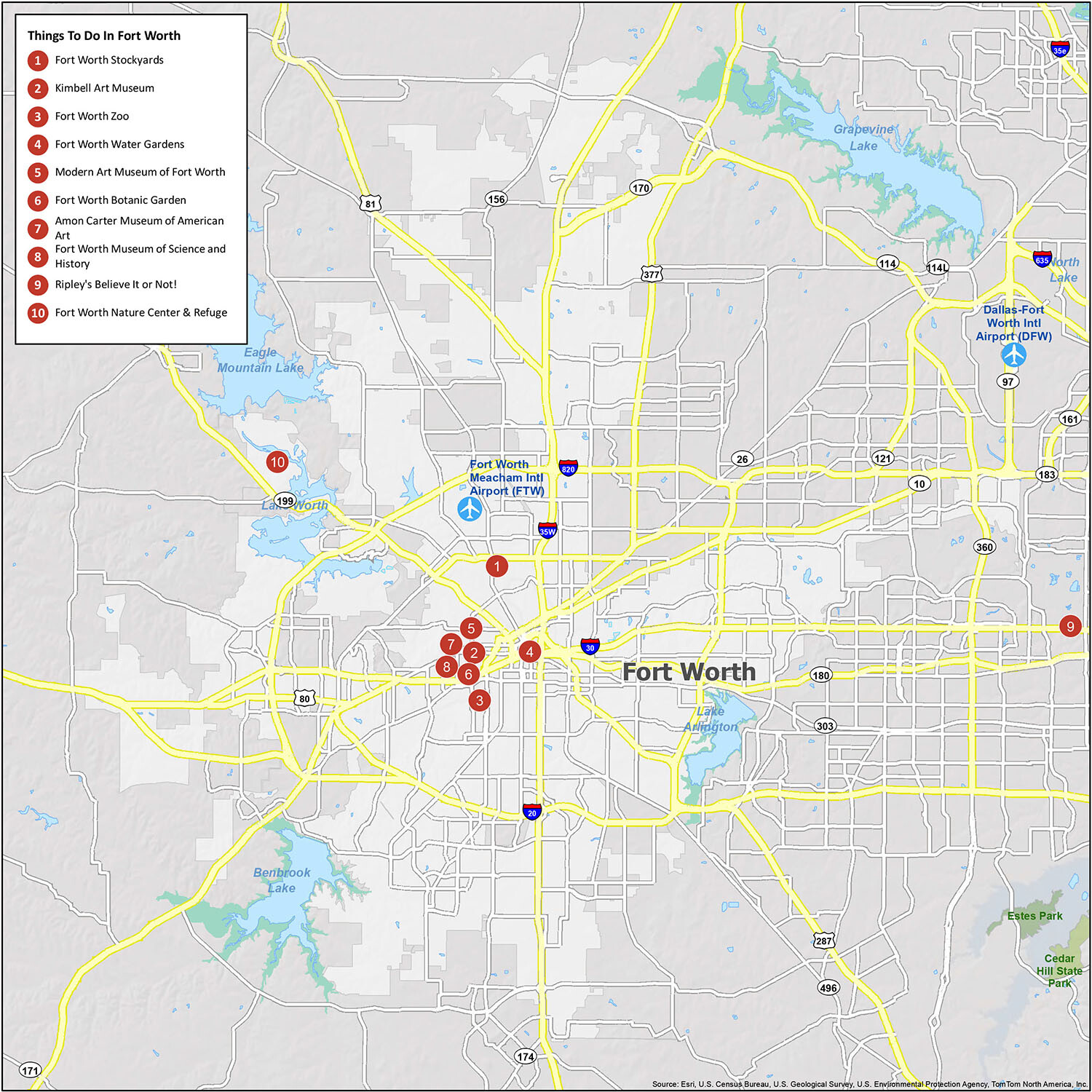
Assessing the safety of a city as expansive as Fort Worth requires looking beyond aggregate statistics. The city covers approximately 350 square miles, encompassing diverse socioeconomic environments ranging from the rapidly developing Near Southside to the suburban expanses of Far North Fort Worth. As of 2026, the Fort Worth Police Department (FWPD) continues to utilize data-driven policing strategies, focusing resources on high-call-volume areas to mitigate property and violent crime.
Safety is not a static metric. It is influenced by local economic growth, infrastructure investments, and community policing initiatives. When evaluating whether a specific area is safe, it is essential to consider the distinction between violent crime, which is often interpersonal, and property crime, which is more opportunistic.
Quantitative Perspectives on Local Crime Trends
To understand the safety environment in 2026, one must look at reporting standards such as the FBI’s Uniform Crime Reporting (UCR) program and the National Incident-Based Reporting System (NIBRS). These systems provide the framework for how the city monitors fluctuations in public safety.
The following table summarizes the general categories of concern for residents and how they are typically addressed within the municipal framework.
| Risk Category | Primary Mitigation Strategy | Operational Focus (2026) |
|---|---|---|
| Property Theft | Community awareness & surveillance | Enhanced neighborhood watch coordination |
| Violent Crime | Targeted patrol in high-risk zones | Increased deployment in business districts |
| Vehicle Burglary | "Lock, Take, Hide" awareness campaigns | Public education and signage at transit hubs |
| Cyber/Fraud | Digital safety initiatives | Strengthening local municipal security |
Geographic Variations: Where Safety Profiles Differ
Safety in Fort Worth is hyper-local. The experiences of someone living in the cultural district or the affluent neighborhoods of Westover Hills differ drastically from those in localized pockets where economic stressors are higher.
High-Activity Commercial Districts
Areas like Sundance Square and the Stockyards are subject to high volumes of tourist and commercial activity. The FWPD maintains a high visibility presence in these locations. While the risk of petty crime, such as pickpocketing or vehicle break-ins, is always present in high-density tourist areas, these zones are generally monitored closely, making them relatively safe for visitors who maintain basic precautions.
Residential Suburbs
Northern and Southwestern Fort Worth have seen significant residential expansion. These areas generally report lower incidents of violent crime due to lower population density and higher median household income levels. Residents in these sectors often benefit from robust private security associations and active community engagement, which acts as a deterrent to opportunistic criminal activity.
Essential Safety Protocols for Residents and Visitors
Regardless of the specific neighborhood, the following best practices are recommended by local law enforcement to minimize risk exposure:
- Vehicle Security: Never leave valuables, including firearms, laptops, or purses, in plain view inside a parked vehicle. This remains the most common preventable crime in the region.
- Situational Awareness: Avoid using mobile devices while walking in high-traffic or poorly lit areas. Being aware of your surroundings is your first line of defense.
- Lighting and Infrastructure: When choosing housing, prioritize communities with well-lit streets and maintained infrastructure. Poorly lit areas tend to experience higher rates of property crime.
- Home Security Systems: The use of smart home monitoring, video doorbells, and professional alarm systems is a standard recommendation for modern Fort Worth residents to deter trespassers.
Economic and Demographic Drivers of Safety
The safety of Fort Worth is tied to the city’s rapid growth. With an influx of new residents, the city faces the challenge of scaling public services, including emergency response times and police staffing levels. By 2026, the city has focused on balancing the expansion of urban centers with the preservation of residential quality of life.
Economic Influence on Safety
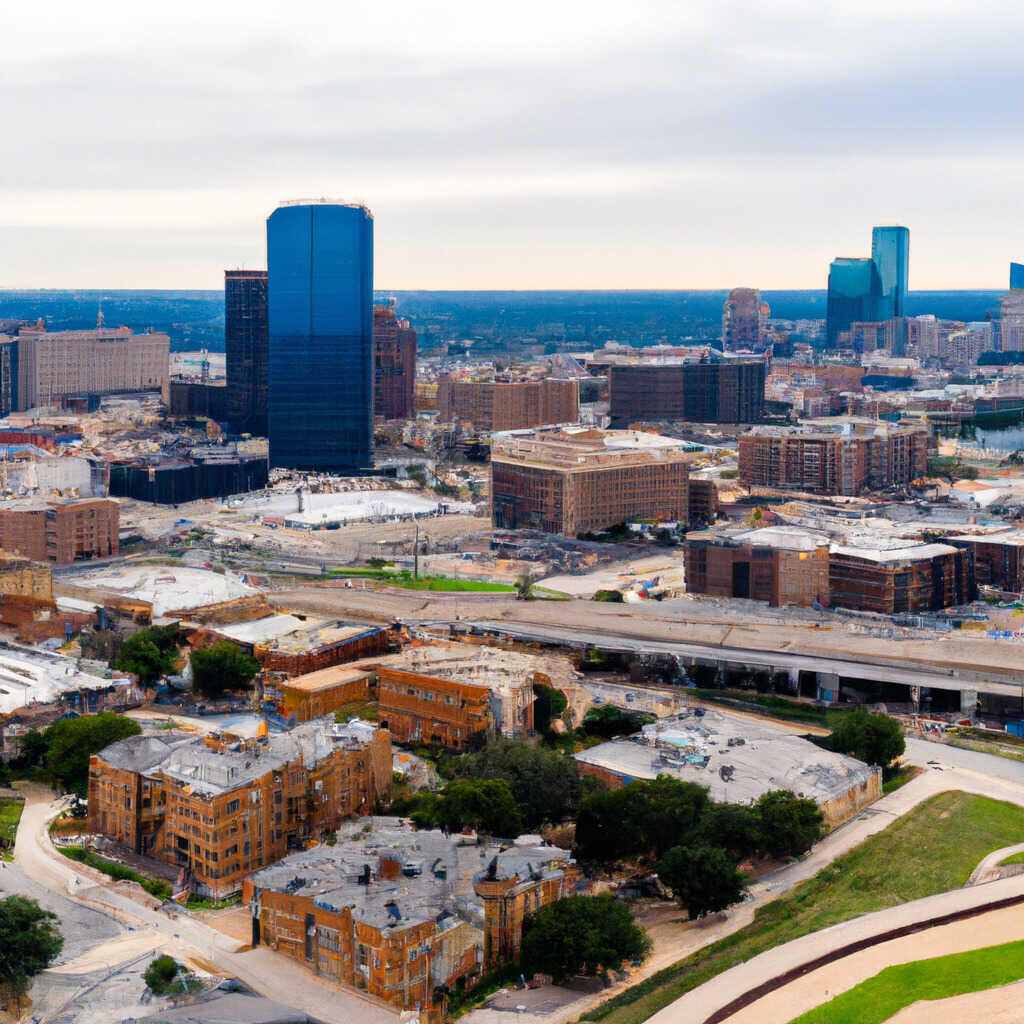
Urban Revitalization Projects: Ongoing investments in the downtown and near-downtown areas are designed to improve safety through increased foot traffic and commercial development. A bustling, active street level is empirically shown to reduce crime rates.
Resource Allocation: The city’s budget for 2026 emphasizes the recruitment and retention of police officers to ensure that police-to-citizen ratios remain within the standard recommended for major American cities.
Frequently Asked Questions Regarding Safety in Fort Worth
Is it safe to walk in downtown Fort Worth at night? Generally, yes, especially in well-populated areas like Sundance Square or near the Convention Center. However, staying in well-lit areas and avoiding isolated alleyways is highly recommended to ensure personal safety.
Which areas of Fort Worth should be avoided? There are no "no-go" zones, but statistics consistently show higher crime rates in specific neighborhoods within the Southeast and parts of East Fort Worth. Potential residents should utilize public crime mapping tools provided by the city to review the specific history of a street or neighborhood before signing a lease or purchasing property.
How does the police response time compare in Fort Worth? The Fort Worth Police Department prioritizes calls based on the nature of the emergency. Like any major city, response times can vary based on call volume and time of day, but they adhere to established municipal response protocols.
Is Fort Worth safer than other major Texas cities? Safety is relative. When compared to cities like Dallas or Houston, Fort Worth often reports different statistical profiles due to its geography and urban layout. It is best to look at specific, verified data sets for the exact year in question rather than relying on broad regional comparisons.
What should I do if I witness a crime in Fort Worth? Always prioritize your safety. In the event of an emergency, call 911 immediately. For non-emergency incidents, utilize the city’s non-emergency reporting line or the online citizen reporting portal to assist the department in tracking neighborhood trends.
Taking Proactive Steps for Your Security
Personal safety is a shared responsibility. Whether you are moving to the area or visiting for business, your awareness is your best asset. For those considering relocation, visit prospective neighborhoods at different times of the day—morning, afternoon, and night—to gauge the activity levels and the general feel of the area. Rely on verifiable data from the Fort Worth Police Department’s official portal rather than anecdotal reports found on social media forums.
If you are a resident, engage with your local neighborhood association. These groups serve as the primary link between the community and municipal resources, providing a structured way to report issues, request increased patrols, and advocate for infrastructure improvements that enhance collective safety.
Image Gallery