Navigating Public Records and the Arrests Org Website Experience
The arrests org website functions as a public data aggregator that indexes arrest records, booking details, and criminal history information sourced from local law enforcement and county jail databases. Navigating this platform require...
The arrests org website functions as a public data aggregator that indexes arrest records, booking details, and criminal history information sourced from local law enforcement and county jail databases. Navigating this platform requires an understanding of public record accessibility, data privacy rights, and the specific mechanics of third-party background search utilities in 2026.
Contents
Understanding Public Record Aggregators and Arrest Databases
Public record aggregators operate by scraping, indexing, and republishing information originally generated by municipal police departments, county sheriff offices, and state correctional facilities. When an individual is booked into a holding facility, a booking log is typically generated, containing personal identifiers, mugshots, charges, and bond amounts. Under state and federal Freedom of Information Act (FOIA) statutes, these documents generally constitute public records.
Third-party platforms ingest these feeds to create searchable directories. Unlike official government portals, which maintain localized and authoritative repositories, aggregators compile multi-jurisdictional datasets into a single searchable interface. This centralization allows employers, landlords, and curious citizens to run background checks with minimal friction, though it also introduces significant challenges regarding data accuracy, synchronization lag, and personal privacy.
Core Features and Search Functionality of Public Booking Platforms
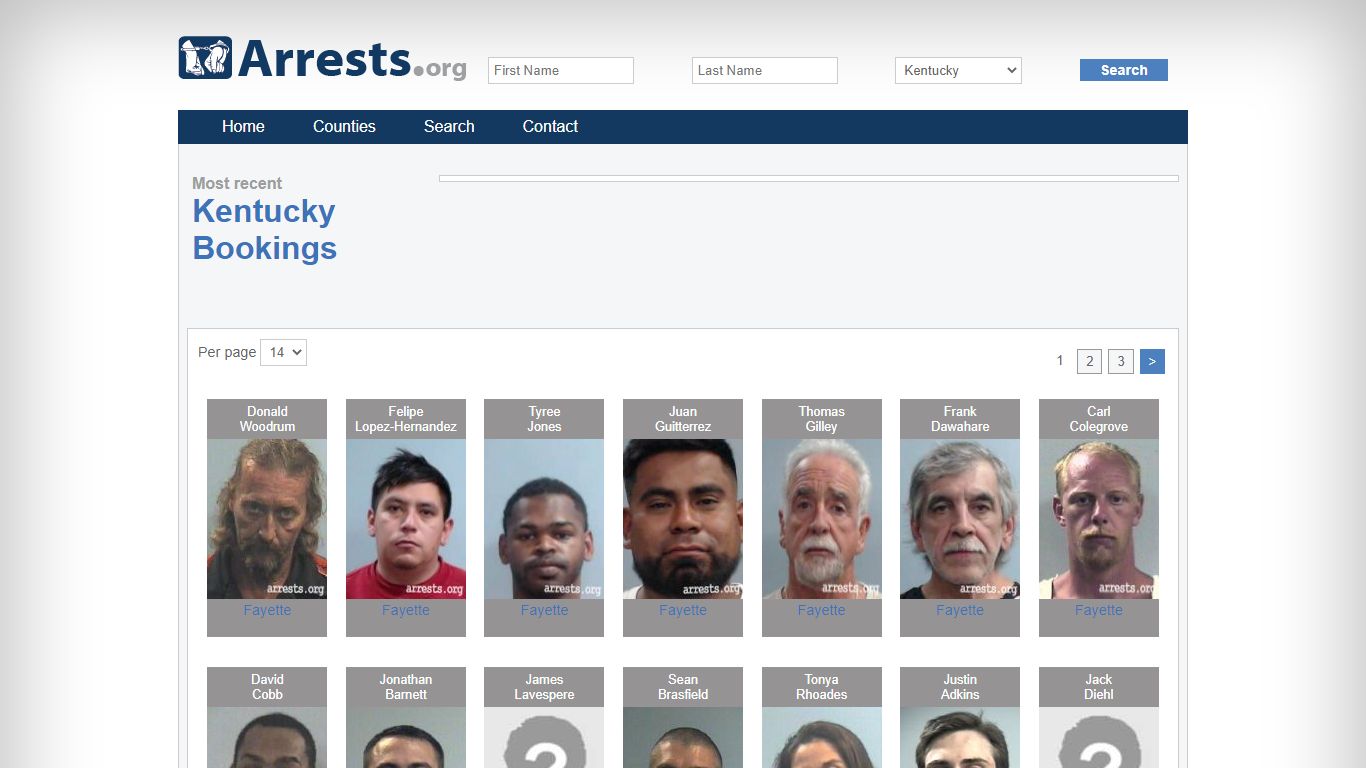
Navigating a record aggregation site typically involves interacting with specialized query filters designed to narrow down large volumes of criminal justice data. Users entering a search query generally encounter specific structural fields:
- First and Last Name Parameters: The primary entry point for initiating a query, often requiring exact spellings to yield accurate matches.
- Geographic Filters: Options to sort by state, county, or specific city law enforcement agencies to reduce false positives from common names.
- Booking Date Ranges: Temporal filters that help isolate recent entries from older historical records.
- Charge Classifications: Categorization markers distinguishing between felonies, misdemeanors, traffic violations, and municipal infractions.
Understanding how these parameters interact prevents inaccurate assumptions about a subject's criminal history. Because aggregator platforms rely on automated data harvesting rather than manual verification, search results frequently contain stale, expunged, or entirely incorrect information.
Comparing Official Government Sources vs Third-Party Arrest Sites
Evaluating the reliability of criminal record data requires distinguishing between primary government repositories and secondary third-party aggregators. The operational differences directly impact accuracy, cost, and legal protections for individuals.
| Feature / Metric | Official County / State Government Portals | Third-Party Aggregator Websites |
|---|---|---|
| Data Authority | Primary source; direct from law enforcement systems. | Secondary source; scraped or indexed periodically. |
| Update Frequency | Real-time or daily updates tied to active booking software. | Delayed updates; changes may take weeks to reflect. |
| Cost Structure | Usually free public access or nominal statutory fees. | Often requires subscription fees, trial periods, or per-report charges. |
| Record Correction | Direct legal channels to update, seal, or expunge records. | Difficult to modify; removal requests often require formal opt-out submissions. |
| Accuracy Level | High fidelity; legally binding criminal histories. | Variable; prone to mismatched identities and outdated statuses. |
Step-by-Step Guide to Requesting Record Removal or Opting Out
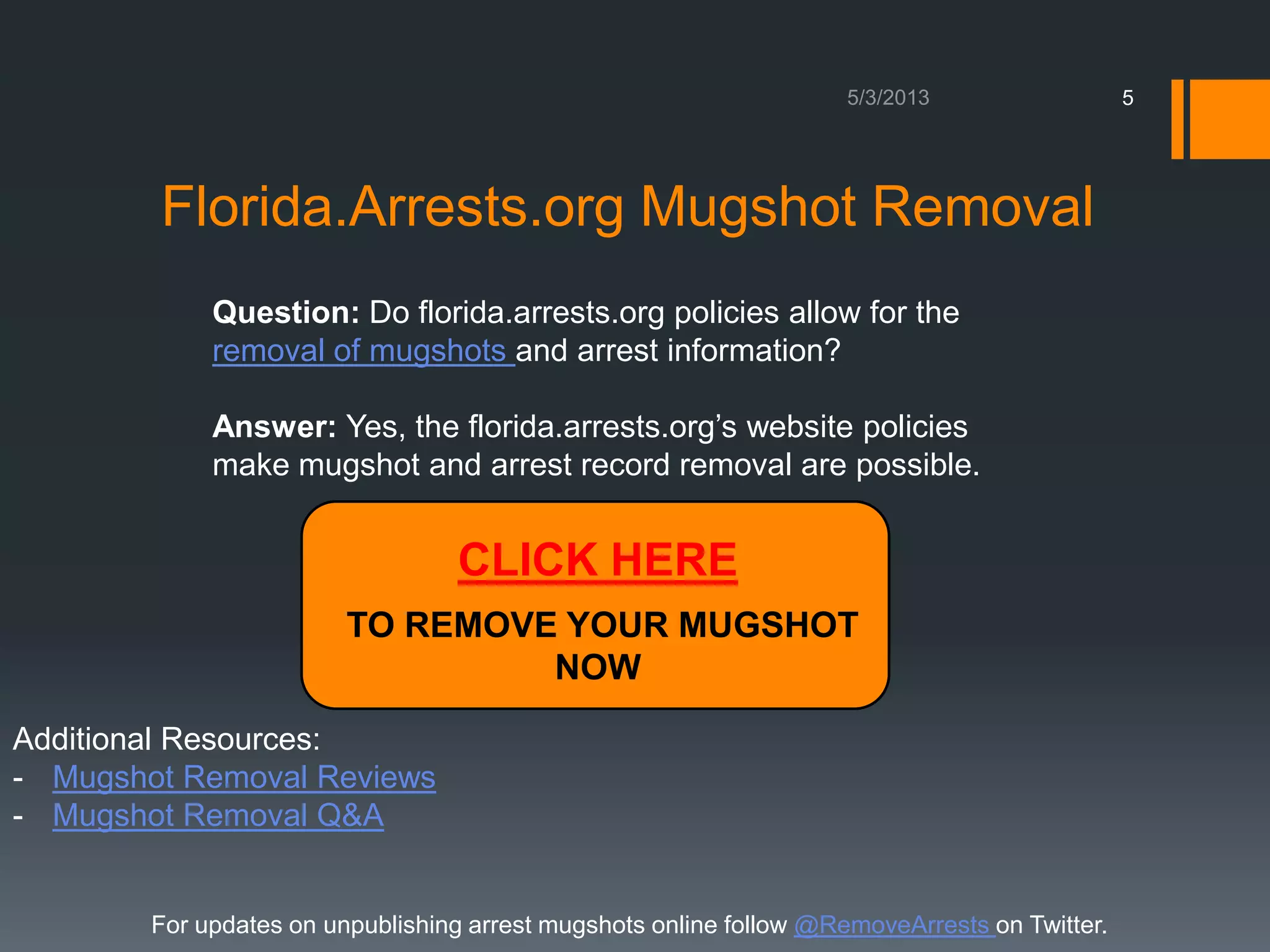
When personal data appears on an independent arrest record portal, individuals frequently seek removal to protect their reputation and privacy. While procedures vary by platform, a standardized methodology governs most opt-out requests:
- Locate the Specific Record: Navigate to the platform and find the exact URL link containing the targeted profile and booking information.
- Review the Platform Opt-Out Policy: Scroll to the footer of the website to locate terms of service, privacy policies, or dedicated removal instruction pages.
- Submit the Required Verification: Complete the designated online removal form, which typically requires proof of identity, the specific URL, and a signed statement affirming the request.
- Monitor Compliance and State Statutes: Track the request timeline. In certain jurisdictions, state privacy laws mandate the removal of non-conviction arrest records upon request or automatic sealing.
- Escalate to Data Brokers: If the platform fails to remove the record despite statutory mandates, file complaints with the Federal Trade Commission (FTC) or state attorney general offices.
Important Privacy Notice
Handling Automated Re-indexing: Submitting an opt-out request to one third-party aggregator does not prevent other competing data brokers from scraping and republishing the same public record. Regularly audit search engine results and submit removal requests across multiple platforms to maintain comprehensive privacy.
Legal Rights, FCRA Regulations, and Consumer Protections
The Fair Credit Reporting Act (FCRA) imposes strict regulations on how consumer reporting agencies handle criminal background data. While many arrest record websites attempt to operate outside FCRA jurisdiction by including disclaimers stating they are not consumer reporting agencies, organizations that supply background data for employment, housing, or credit decisions must comply with federal consumer protection standards.
Key legal considerations include the seven-day reporting limitation for non-conviction dispositions in certain states, the right of consumers to dispute inaccurate information, and statutory penalties for failing to correct verified errors. Relying on unverified third-party data for professional screening decisions frequently exposes organizations to legal liability under federal and state discrimination statutes.
Frequently Asked Questions
What is an arrests org website?
An arrests org website is a public record aggregator that indexes and publishes booking logs, mugshots, and criminal charges gathered from local law enforcement databases. These platforms allow users to search for individual arrest histories across multiple jurisdictions.
Are the arrest records on these websites legally accurate?
Not always. Because these sites rely on automated scraping tools, records may be outdated, fail to reflect dropped charges, or contain errors resulting from mismatched personal identities. Official court or police portals remain the only definitive source of truth.
How can I remove my mugshot or arrest record from public search sites?
Most platforms provide a designated opt-out or record removal link, typically found in the website footer. Users must generally submit a formal request containing the specific URL, proof of identity, and documentation of record disposition if applicable.
Do third-party arrest sites charge fees to view reports?
Some platforms offer basic search results for free but require paid subscriptions, trial memberships, or one-time fees to view comprehensive background reports, detailed charge sheets, and contact information.
Can employers use these websites for background checks?
Using standard public aggregator websites for employment or tenant screening often violates Fair Credit Reporting Act (FCRA) guidelines. Employers must utilize compliant screening agencies that guarantee data accuracy and provide mandatory consumer disclosures.
Why do arrest records remain online even after charges are dismissed?
Data aggregators do not automatically sync with court dispositions in real-time. If a case is dismissed or expunged, the third-party database retains the historical booking entry until manually updated or explicitly forced to remove the record via an opt-out request.
Securing Your Personal Data and Reputation Online
Managing digital footprints requires constant vigilance against automated data harvesting. Individuals and businesses must prioritize primary government verification channels over secondary aggregators when making critical decisions. For personalized assistance regarding record sealing or legal expungement, consult with a licensed attorney specializing in criminal defense and privacy law within your jurisdiction.
Image Gallery