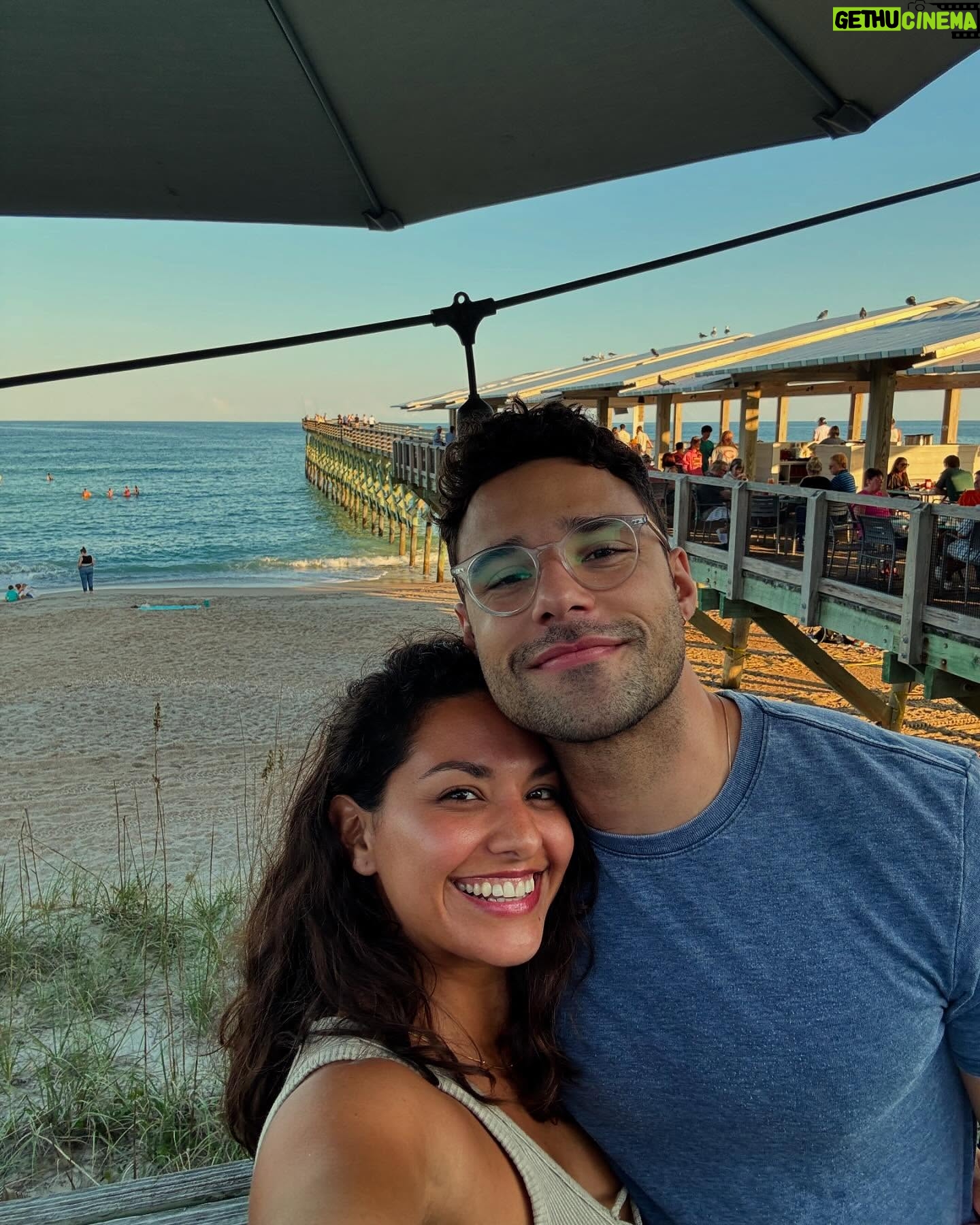
Humberly González and LGBTQ Identity: A Journey of Visibility and Representation
Humberly González is an openly queer Venezuelan-Canadian actress who identifies as a member of the LGBTQ+ community. She has become a prominent voice for intersectional representation, using her platform to champion the visibility of q...
Humberly González is an openly queer Venezuelan-Canadian actress who identifies as a member of the LGBTQ+ community. She has become a prominent voice for intersectional representation, using her platform to champion the visibility of queer, Afro-Latina, and immigrant identities through her roles in major productions like Ginny & Georgia and Star Wars Outlaws.
Contents
The Intersection of Heritage and Identity
To understand Humberly González and LGBTQ identity, one must first look at the layers of her personal history. Born in Punto Fijo, Venezuela, González moved to Aruba at a young age before eventually immigrating to Canada. This journey as an immigrant significantly shaped her worldview and her approach to her "queer" identity. For González, being queer is not an isolated trait but is deeply entwined with her experience as a woman of the Latin American diaspora and her Afro-Latina roots.
In the Latin American community, traditional gender roles and religious influences can sometimes make the process of coming out complex. González has been vocal about the importance of breaking these cultural stigmas. By existing openly as a queer woman of color, she challenges the monolithic perception of what it means to be "Latina." Her identity serves as a bridge for many who feel caught between their cultural heritage and their authentic selves, proving that one does not have to sacrifice their roots to embrace their orientation.
The Public Evolution of Her Queer Identity
Humberly González did not have a singular "coming out" moment in the traditional, sensationalized Hollywood sense. Instead, her identity has been an organic part of her public persona since her career gained significant momentum. She has frequently used the term "queer" to describe herself, noting that she finds the term liberating because it encompasses a fluid understanding of attraction and identity that isn't always captured by more rigid labels.
In various interviews throughout the early 2020s, González emphasized that she views love as "limitless." This philosophy has informed both her personal life and her professional choices. By the year 2026, her status as a queer icon is solidified not just by her statements, but by her consistent presence at LGBTQ+ events, her advocacy for inclusive casting, and her refusal to hide her authentic self for the sake of marketability. Her openness has paved the way for more nuanced conversations about bisexuality and pansexuality within the entertainment industry, particularly for actors of color who often face "double marginalization."
Breaking Ground in Film and Television: The "Sophie Sanchez" Effect
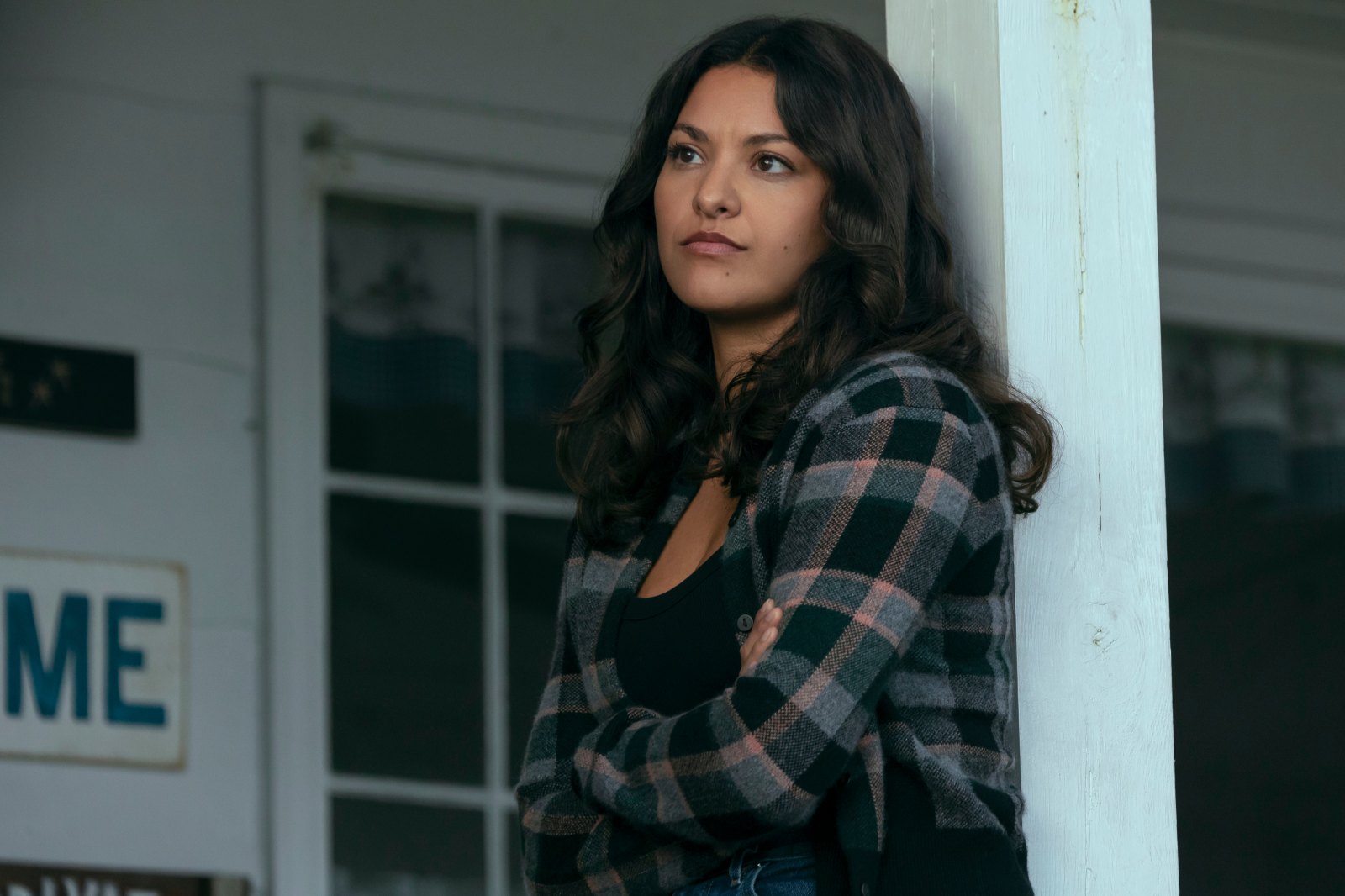
One of the most significant milestones in González's career regarding LGBTQ+ representation was her role as Sophie Sanchez in the Netflix hit series Ginny & Georgia. In the show, Sophie is a popular, confident student who enters a relationship with Maxine Baker. This role was pivotal for several reasons:
- Normalizing Queer Relationships: The relationship between Sophie and Maxine was treated with the same weight, drama, and emotional complexity as any heterosexual pairing on the show.
- Representation of Confidence: Sophie was not a character defined by the "struggle" of being gay; she was comfortable in her skin, which provided a positive blueprint for young queer viewers.
- Visibility for Latina Youth: Seeing a queer Latina character in a mainstream coming-of-age story addressed a significant gap in Western media.
González’s performance resonated because she brought a level of lived experience to the role. She has often spoken about how playing Sophie felt like a full-circle moment, allowing her to be the representation she didn't see on screen while growing up in Canada and Venezuela.
Beyond the Screen: Identity in the Gaming Industry
González’s influence extends into the world of interactive media, most notably through her role as Kay Vess, the protagonist of Star Wars Outlaws (2024). While the character of Kay Vess is not defined primarily by her romantic interests, the casting of an openly queer Afro-Latina woman in the lead role of a massive Star Wars franchise title was a landmark event.
In the gaming world, which has historically struggled with diversity and toxic fan cultures, González’s presence was a statement of progress. By 2026, the success of Star Wars Outlaws has demonstrated that a diverse lead, voiced and performed via motion capture by a queer woman of color, can carry a global blockbuster. González has noted in industry panels that she brings her whole self to her performance capture sessions—her movements, her cadence, and her inherent perspective as a queer woman all inform the "scoundrel" energy of Kay Vess.
The Impact of Intersectional Advocacy
The conversation surrounding Humberly González and LGBTQ identity is inseparable from her advocacy for intersectionality. Intersectionality, a term coined by Kimberlé Crenshaw, refers to how different forms of discrimination (racism, sexism, homophobia) overlap. González lives at the center of these intersections.
She has been a vocal critic of "colorism" within the Latinx community and the entertainment industry, advocating for darker-skinned Afro-Latino actors to receive the same opportunities as their lighter-skinned counterparts. Furthermore, she uses her platform to highlight that the LGBTQ+ community is not a monolith. By showing up as her authentic self—an immigrant, a Spanish speaker, a woman of color, and a queer person—she forces the industry to expand its definitions of "relatability."
Key Contributions to Representation
| Project | Role | Representation Category | Significance |
|---|---|---|---|
| Ginny & Georgia | Sophie Sanchez | Queer/Latina | Mainstream normalization of teen queer relationships. |
| Star Wars Outlaws | Kay Vess | Afro-Latina Lead | First female-led open-world Star Wars game; diverse casting. |
| In the Dark | Vanessa | Queer Love Interest | Exploration of adult queer dynamics and emotional maturity. |
| Far Cry 6 | Jonrón | Revolutionary / Latina | Representation of strong, multi-dimensional Caribbean identity. |
| Slumberland | Graciela | Latina | Presence in high-budget family fantasy films. |
Navigating Hollywood as an Out Actress in 2026
By 2026, the landscape for LGBTQ+ actors has shifted, partly due to the trail blazed by individuals like González. There is an increasing demand for authentic casting—the practice of casting actors whose lived experiences align with the identities of the characters they portray. González has been a beneficiary of this shift but also a vocal proponent of it.
However, being "out" in Hollywood still carries risks, ranging from typecasting to social media harassment. González has addressed these challenges by fostering a digital community where she interacts directly with fans. Her transparency about the "highs and lows" of the industry provides a realistic look at what it means to be a professional actress in the mid-2020s. She emphasizes that her identity is an asset, not a hindrance, as it allows her to tap into a deeper level of empathy and truth in her performances.
Practical Advice for Aspiring Queer Creators
González often shares insights for the next generation of queer and diverse creators. Her "success blueprint" can be summarized into several actionable points:
- Own Your Narrative: Do not wait for the industry to define you. González used her social media and indie projects to establish her identity long before she was a household name.
- Seek Community: She emphasizes finding "your people"—other queer creators and allies who understand the specific hurdles of the industry.
- Prioritize Mental Health: Navigating public identity requires a strong internal foundation. González is a proponent of therapy and setting boundaries with social media.
- Authenticity Over Conformity: Her career took off when she stopped trying to fit the "traditional" leading lady mold and embraced her curls, her accent, and her queerness.
Frequently Asked Questions
How does Humberly González identify?
Humberly González identifies as queer. She has used this term in multiple interviews and on her social media platforms to describe her attraction as something that transcends traditional gender boundaries. She embraces the fluidity of the term, often mentioning that love for her is about the soul and the person rather than a specific label.
Is Humberly González in a relationship?
As of 2026, González keeps her private life relatively low-profile compared to her professional work, but she has been open about her past relationships and her general philosophy on love. She often shares content that celebrates the LGBTQ+ community and her partners, emphasizing a life lived authentically and out loud.
What is her most famous LGBTQ+ role?
Her most recognized LGBTQ+ role is Sophie Sanchez in the Netflix series Ginny & Georgia. The character's relationship with Maxine Baker was a central plot point in the early seasons and remains a fan-favorite for its realistic and compassionate portrayal of young queer love.
Does she speak Spanish in her roles?
Yes, González frequently incorporates her Venezuelan heritage and Spanish-speaking abilities into her roles. In projects like Far Cry 6 and Star Wars Outlaws, her cultural background adds a layer of authenticity to the characters, making them feel more grounded and representative of the global Latinx diaspora.
Why is she considered a "triple threat" in representation?
She is often called a triple threat because she represents three major marginalized or underrepresented groups: she is an immigrant, a woman of color (Afro-Latina), and openly queer. Her success in mainstream Hollywood and the gaming industry provides a rare and necessary level of visibility for people who exist at those same intersections.
Conclusion and Next Actions
Humberly González’s journey is a testament to the power of authenticity. By refusing to compartmentalize her LGBTQ+ identity, her Venezuelan roots, or her Afro-Latina heritage, she has created a new template for what a modern star looks like. For fans and industry professionals alike, her career serves as a reminder that diversity is not just a checkbox—it is a source of rich, compelling storytelling.
To support the movement for better representation that González champions, audiences can:
- Prioritize projects that utilize authentic casting and diverse writers' rooms.
- Follow and engage with queer creators of color on social platforms to boost their visibility in the algorithms.
- Advocate for inclusive narratives in industries like gaming, where representation is still evolving.
Image Gallery