How to Choose a Burger Cooker: The Definitive 2026 Buying Guide
To choose the ideal burger cooker, you must match the equipment to your preferred burger style—smash versus thick—and your cooking environment. Prioritize high-density materials like cast iron for heat retention, ensure a minimum surfa...
To choose the ideal burger cooker, you must match the equipment to your preferred burger style—smash versus thick—and your cooking environment. Prioritize high-density materials like cast iron for heat retention, ensure a minimum surface temperature capability of 450°F for proper searing, and select a power source that fits your ventilation setup.
Contents
Defining the Burger Cooker: Beyond the Basic Grill
In 2026, the term "burger cooker" encompasses a wide range of technology, from traditional charcoal basins to advanced high-output induction surfaces and infrared outdoor stations. Choosing the right one is not merely about finding a heat source; it is about managing the Maillard reaction, the chemical process between amino acids and reducing sugars that gives browned food its distinctive flavor.
The "best" cooker is defined by its ability to maintain a consistent surface temperature even when a cold protein patty is introduced. When a raw burger hits a hot surface, it immediately absorbs energy. A low-quality cooker will suffer a "temperature crash," resulting in a grey, steamed patty rather than a crusty, caramelized one. Therefore, the thickness and material of the cooking surface are the most critical technical specifications to analyze.
Understanding Burger Styles and Surface Requirements
Before investing in equipment, you must identify which type of burger you intend to master. The requirements for a "Smash Burger" are diametrically opposed to those for a thick, pub-style "Steakhouse Burger."
The Smash Burger Approach
The smash burger relies on maximum surface contact. This style requires a flat-top griddle or a heavy-duty skillet. Because the meat is pressed thin against the heat, you need a cooker that can handle extreme pressure without shifting and one that offers a perfectly flat surface. Any ridges (like those on a grill grate) would prevent the uniform crust that defines this style.
The Thick, Flame-Kissed Patty
If you prefer a 1/2-pound patty with a smoky profile, a grate-based grill is superior. This allows rendered fat to drip onto the heat source, vaporize, and coat the meat in "flavor flares." For this style, the spacing of the grates and the ability to create dual-zone heat (one side hot for searing, one side cooler for finishing) are the primary considerations.
Comparing Primary Cooking Platforms
The following table breaks down the most common burger cooker types available in 2026, evaluating them based on thermal performance and flavor output.
| Cooker Type | Heat Source | Best Surface Material | Primary Benefit | Skill Level |
|---|---|---|---|---|
| Outdoor Gas Grill | Propane/Natural Gas | Stainless Steel / Cast Iron | Convenience & Temperature Control | Beginner |
| Flat-Top Griddle | Gas or Electric | Rolled Steel | High Volume & Even Searing | Intermediate |
| Charcoal Kettle | Briquettes/Lump | Porcelain-Enameled Steel | Authentic Smoky Flavor | Advanced |
| Cast Iron Skillet | Indoor Range/Induction | Seasoned Cast Iron | Maximum Heat Retention | Intermediate |
| Infrared Broiler | Electric/Gas Ceramic | N/A (Radiant Heat) | Instant High-Heat Searing | Professional |
Technical Specifications to Evaluate
When shopping for a burger cooker, do not be distracted by "luxury" features like Bluetooth speakers or LED knobs. Focus on the engineering that affects the food.
1. Thermal Mass and Material
The heavier the cooking surface, the better the burger. Cast iron remains the gold standard for residential burger cooking because of its high emissivity and heat retention. Carbon steel is a popular 2026 alternative, offering a lighter weight with similar non-stick properties once seasoned. For outdoor griddles, cold-rolled steel is preferred for its durability and "seasoning" potential, which creates a natural non-stick barrier over time.
2. BTU Output and Heat Flux
In gas-powered cookers, look at the BTU (British Thermal Unit) rating in relation to the square inches of cooking space. A high BTU on a massive surface may still result in weak heat flux. Aim for a cooker that provides at least 80 to 100 BTUs per square inch. This ensures the surface can recover quickly after you flip the burgers.
3. Temperature Zoning
A high-quality burger cooker must offer multiple heat zones. This is vital for "resting" burgers or melting cheese without overcooking the meat. On a gas grill, this is achieved through multiple burners. On a charcoal grill, it is managed by the physical arrangement of the coals. If choosing an indoor electric griddle, look for "independent zone control" models that allow the left and right sides to operate at different temperatures.
Indoor vs. Outdoor: The Ventilation Factor
A common mistake is choosing a high-output burger cooker for indoor use without considering the smoke point of fats. Burgers, particularly those with a 20% fat content (80/20 ground chuck), produce significant smoke during the searing process.
- Outdoor Cooking: Allows for high-fat blends and high-heat searing without concern for indoor air quality. It also permits the use of charcoal and wood for supplemental flavor.
- Indoor Cooking: Requires a high-CFM (Cubic Feet per Minute) range hood. If your kitchen ventilation is weak, you should opt for a cooker with a "smoke suppression" system or utilize a high-quality cast iron pan on an induction cooktop, which offers the most precise temperature control available in 2026.
Safety and Maintenance Considerations
The longevity of a burger cooker is determined by how easily it can be cleaned. Carbonized grease is the enemy of consistent heat.
- Grease Management: Ensure the cooker has a front or rear grease trap that is easy to remove. For outdoor grills, a "pull-out" grease tray is essential to prevent grease fires.
- Corrosion Resistance: For outdoor units, 304-grade stainless steel is the benchmark for 2026. Avoid 430-grade steel if you live in coastal areas, as it is prone to rusting.
- Surface Stability: If using a portable burger cooker, check the leg locking mechanism. Pressing down on a smash burger requires a stable platform; a flimsy cooker can tip, causing serious burns.
The National Fire Protection Association (NFPA) provides updated guidelines on maintaining safe distances between high-heat cookers and residential structures, which is a critical reference for anyone installing a permanent outdoor burger station.
Common Mistakes to Avoid
- Prioritizing Size Over Quality: A large, cheap grill with thin grates will perform worse than a small, high-quality heavy skillet. Small surfaces with high thermal mass are always better for burgers.
- Ignoring the Lid: For thick burgers, the lid is a tool for convection. For smash burgers, the lid is rarely used. Choose a cooker with a heavy, well-sealed lid if you plan on cooking patties thicker than one inch.
- Overlooking Recovery Time: If you are cooking for a crowd, test (or research) how long the surface takes to return to 450°F after a batch is removed. Cheap electric griddles often take 3-5 minutes to recover, leading to inconsistent results.
Frequently Asked Questions
What is the best material for a burger cooker?
For the highest quality sear, seasoned cast iron or heavy-gauge carbon steel is best. These materials hold a significant amount of thermal energy, meaning they don't cool down significantly when the meat touches the surface. This creates a more uniform and flavorful crust.
Can I use a regular frying pan as a burger cooker?
Yes, but with limitations. A thin aluminum or stainless steel pan will lose heat rapidly and may cause the meat to stick or steam. If using a standard pan, choose one with a heavy "cladded" bottom or stick to cast iron to ensure the heat remains high enough for a proper sear.
Is an infrared cooker better for burgers?
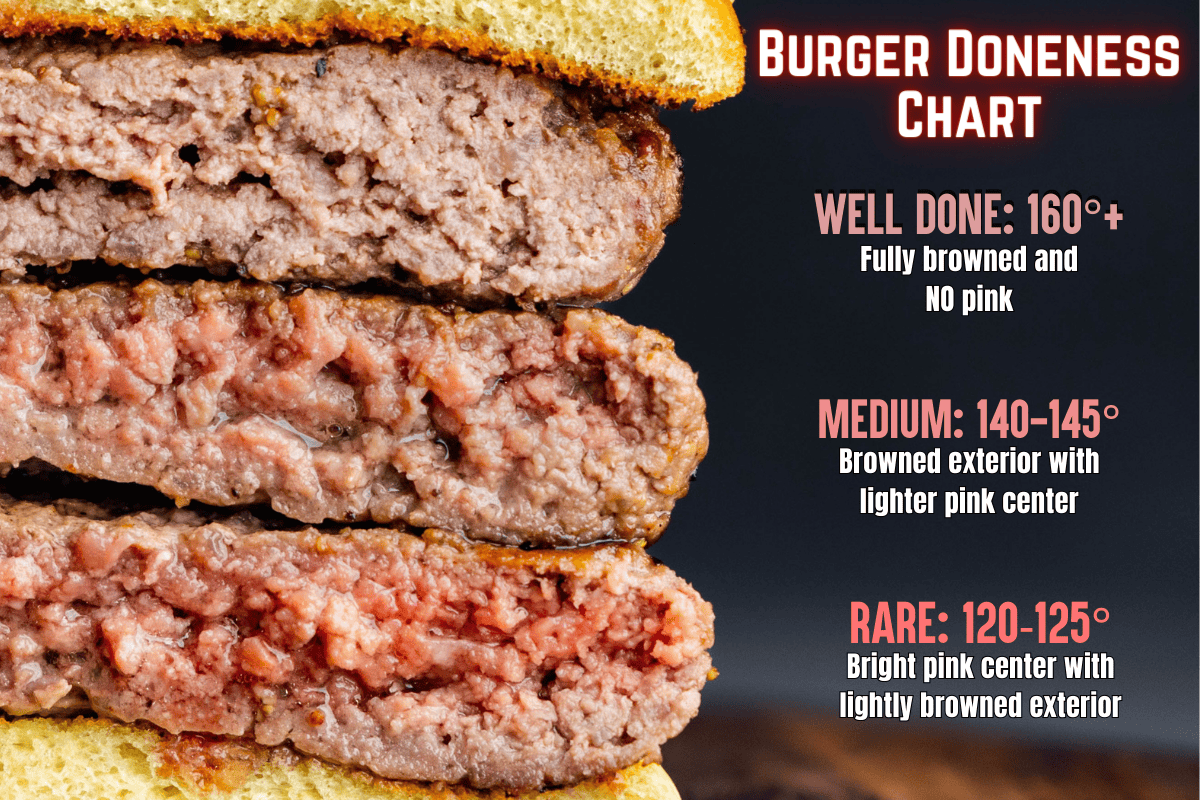
Infrared cookers provide extremely high, direct heat which is excellent for searing the outside of a burger very quickly. However, they can be difficult to use for "well-done" burgers as the exterior may char before the interior reaches the safe temperature of 160°F as recommended by the USDA.
How many BTUs do I need for an outdoor burger griddle?
A professional-grade outdoor griddle should offer between 15,000 and 60,000 total BTUs, depending on the size. More important than the total number is the distribution; look for "U-shaped" burners that provide even coverage across the entire cooking plate to avoid cold spots.
Are electric burger cookers worth it in 2026?
Modern high-end electric cookers, especially those utilizing induction technology, are excellent. They offer faster heat-up times and more precise temperature maintenance than traditional gas burners. They are ideal for indoor environments where gas lines are unavailable or for users who want "set-it-and-forget-it" precision.
Final Recommendation
To choose the right burger cooker in 2026, start by assessing your environment. If you have the outdoor space, a gas-powered flat-top griddle offers the most versatility for various burger styles and volumes. For those limited to indoor cooking, a heavyweight cast iron skillet paired with a high-wattage induction burner provides professional-level results with minimal footprint. Regardless of the heat source, prioritize thermal mass—the weight of the cooking surface—above all other features to ensure a perfect, restaurant-quality sear every time.
Image Gallery