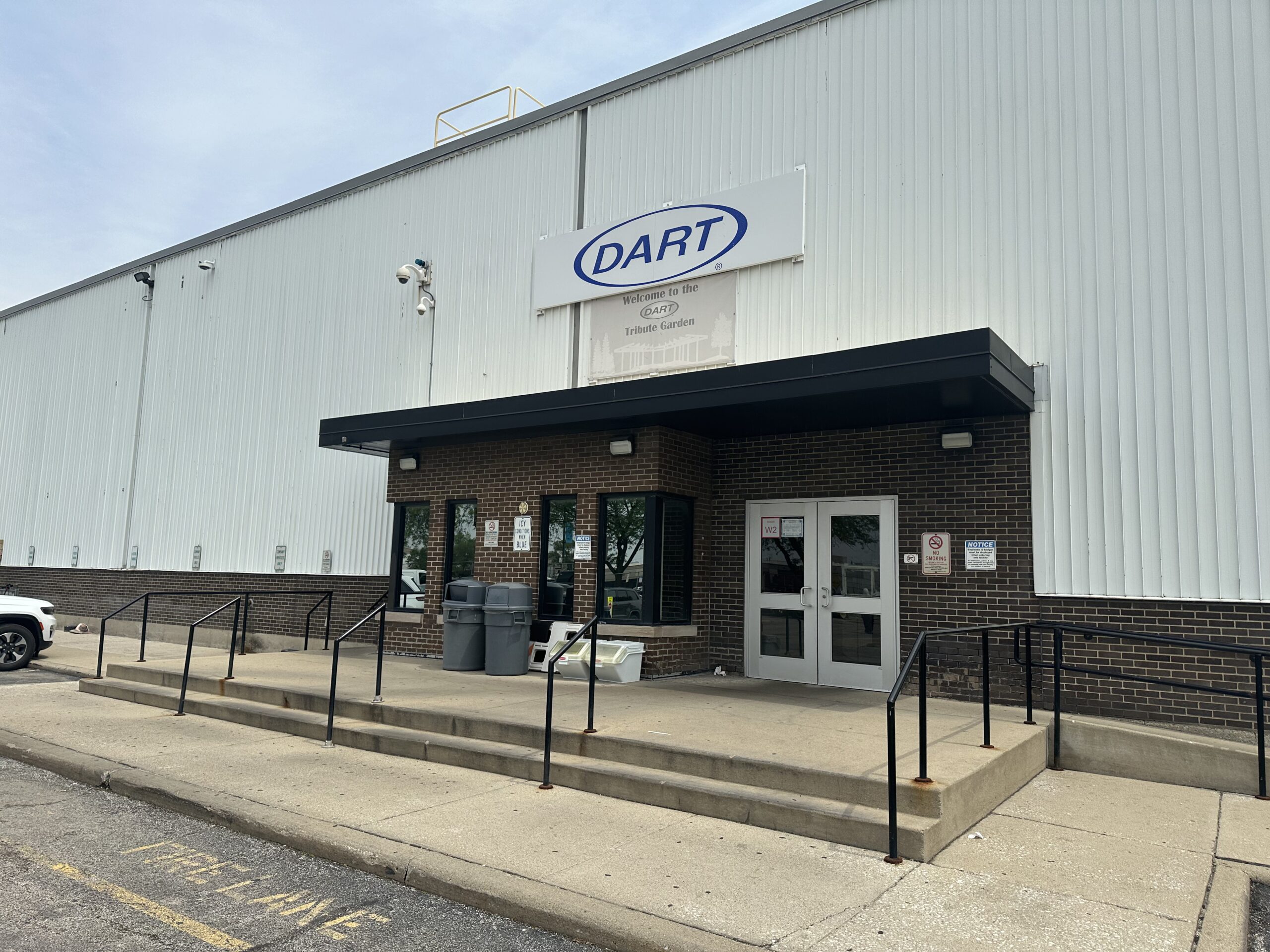
Understanding the Dart Container Owners Net Worth in 2026
The Dart Container Corporation remains one of the world's largest privately held manufacturers of food service packaging, and its owners—the Dart family—maintain a significant, though private, multi-billion dollar net worth as of 2026....
The Dart Container Corporation remains one of the world's largest privately held manufacturers of food service packaging, and its owners—the Dart family—maintain a significant, though private, multi-billion dollar net worth as of 2026. Because the company does not trade on public stock exchanges, specific personal wealth figures are estimates based on enterprise valuation, historical revenue trends, and real estate holdings.
Contents
The Corporate Structure and Ownership Model
To understand the financial standing of the Dart family, one must first look at the unique operational nature of Dart Container Corporation. Founded in 1937 by William F. Dart, the company began as a manufacturer of steel tape measures before shifting into the high-volume production of foam cups and containers. Under the leadership of his son, Kenneth Dart, the company aggressively expanded its market share through strategic acquisitions, most notably the purchase of rival Solo Cup Company in 2012.
As a private entity, Dart Container is not required to disclose its profit margins, annual revenue, or debt structure to the general public. This contrasts sharply with publicly traded competitors in the packaging sector. Consequently, the net worth of the Dart family is tethered primarily to the valuation of the firm itself. In 2026, the company continues to hold a dominant position in the industry, benefiting from massive economies of scale and vertically integrated manufacturing processes that maintain healthy margins despite fluctuating raw material costs.
Estimating Wealth in a Private Enterprise Context
Assessing the net worth of owners in a private, multi-generational company involves analyzing several variables. Financial analysts and researchers look at:
- Revenue Multiples: By comparing Dart Container’s estimated annual output to the valuation multiples of public peers like Berry Global or Pactiv Evergreen, analysts create a baseline enterprise value.
- Asset Liquidity: The family has historically managed their capital through private investment vehicles. When the company purchased Solo Cup, it was a massive cash-intensive acquisition, suggesting a deep reservoir of liquidity or substantial credit-backed financial power.
- Investment Portfolios: Kenneth Dart’s move to the Cayman Islands in the 1990s and the establishment of Dart Management (an investment firm) marked a pivot toward global finance. This suggests that the family's total wealth is not solely locked within the manufacturing business but is spread across diversified international investments, including hedge funds and real estate.
It is critical to note that "net worth" in this context is an aggregate of business equity and private investment portfolios. Because the company is private, there is no ticker symbol to track daily gains or losses, and the owners are not subject to the mandatory filings required by the Securities and Exchange Commission (SEC).
The Impact of Industry Shifts
The packaging industry in 2026 is heavily influenced by sustainability mandates and shifting consumer preferences away from traditional expanded polystyrene (EPS) foam. Dart Container has spent the last decade diversifying its product lines to include paper, molded fiber, and polypropylene alternatives. This transition has been costly but necessary to maintain long-term valuation.
For the owners, the net worth in 2026 is partially a function of how effectively the company has managed this transition. The capital expenditure required to retool manufacturing facilities to accommodate non-foam materials represents a massive reinvestment of profits back into the company. While this reduces short-term liquidity for the owners, it secures the long-term enterprise value of the firm, preventing the obsolescence that often destroys the wealth of manufacturing dynasties.
Comparative Analysis of Private vs. Public Packaging Entities
| Metric | Dart Container Corporation | Public Competitors |
|---|---|---|
| Ownership | Private (Family-held) | Public (Shareholder-held) |
| Disclosure | Limited (Private) | High (SEC Filings) |
| Investment Strategy | Long-term capital reinvestment | Quarterly dividend/growth focus |
| Valuation Method | Private Equity Appraisal | Stock Price/Market Cap |
| Reporting | Internal/Tax-based | Publicly Audited |
The Role of Global Investments
The wealth of the Dart family is inextricably linked to the international nature of their operations. Through Dart Management, the family has been active in sovereign debt markets and large-scale international investments. In years prior to 2026, the family has been noted for taking significant positions in various national economies, which often fluctuates in line with global interest rates and geopolitical stability.
The sophistication of these financial maneuvers suggests that their net worth is significantly higher than what a simple valuation of the packaging company would indicate. By operating as both a manufacturer and a global investment house, the family hedges its manufacturing risk against financial market performance.
Challenges to Wealth Valuation
Estimating the net worth of the Dart family in 2026 faces three primary challenges:
- Tax Jurisdiction: The family’s historical utilization of offshore jurisdictions for corporate and personal holding structures complicates the transparency of their assets.
- Estate Planning: As the company transitions through generations, the dispersion of equity among family members can lead to varying interpretations of individual versus collective wealth.
- Market Volatility: While the packaging demand is relatively recession-resistant, the investment arm of the family is subject to the inherent volatility of the global financial markets, which can cause total net worth to shift significantly within a fiscal year.
Frequently Asked Questions
Is Dart Container a publicly traded company in 2026? No, Dart Container remains a privately held company. It does not issue shares on any public stock exchange, and therefore, it is not required to provide public financial statements or disclose the personal net worth of its owners.
How does the Dart family wealth compare to other industrial families? The Dart family is considered one of the wealthiest private families in the manufacturing sector. Their wealth is distinguished by the combination of a high-volume, low-margin manufacturing business and a highly sophisticated, global investment management operation.
Why is it difficult to find an exact net worth for the Dart family? Exact figures are elusive because of the company's private status and the complexity of their offshore investment structures. Most published figures in financial media are estimates derived from proprietary valuation models rather than verified financial records.
Does the switch from foam to paper products affect their net worth? Yes, the transition requires substantial capital expenditure. While this creates a high barrier to entry for smaller competitors—which protects the company's long-term market share—it also consumes cash flow that would otherwise be categorized as liquid wealth or dividends for the owners.
How does the 2012 Solo Cup acquisition influence current value? The Solo Cup acquisition solidified Dart’s market dominance, effectively creating a monopoly in certain segments of the food packaging industry. In 2026, the cash flow generated by this combined entity remains a primary driver of the family’s wealth.
Conclusion and Next Actions
The net worth of the Dart family in 2026 is an estimation of a massive, multi-faceted financial empire that blends industrial manufacturing with global capital management. For investors or analysts looking to understand the financial weight of such entities, the primary action is to monitor the company’s patent filings, environmental compliance reporting, and expansion into sustainable packaging materials, as these indicate the health and long-term viability of their core assets. While precise dollar figures for private owners remain speculative, the sheer scale of the company’s footprint ensures its position as a significant force in the global industrial landscape.
Image Gallery