The Van Rhijns of the Gilded Age: A Deep Dive into Old New York’s Elite
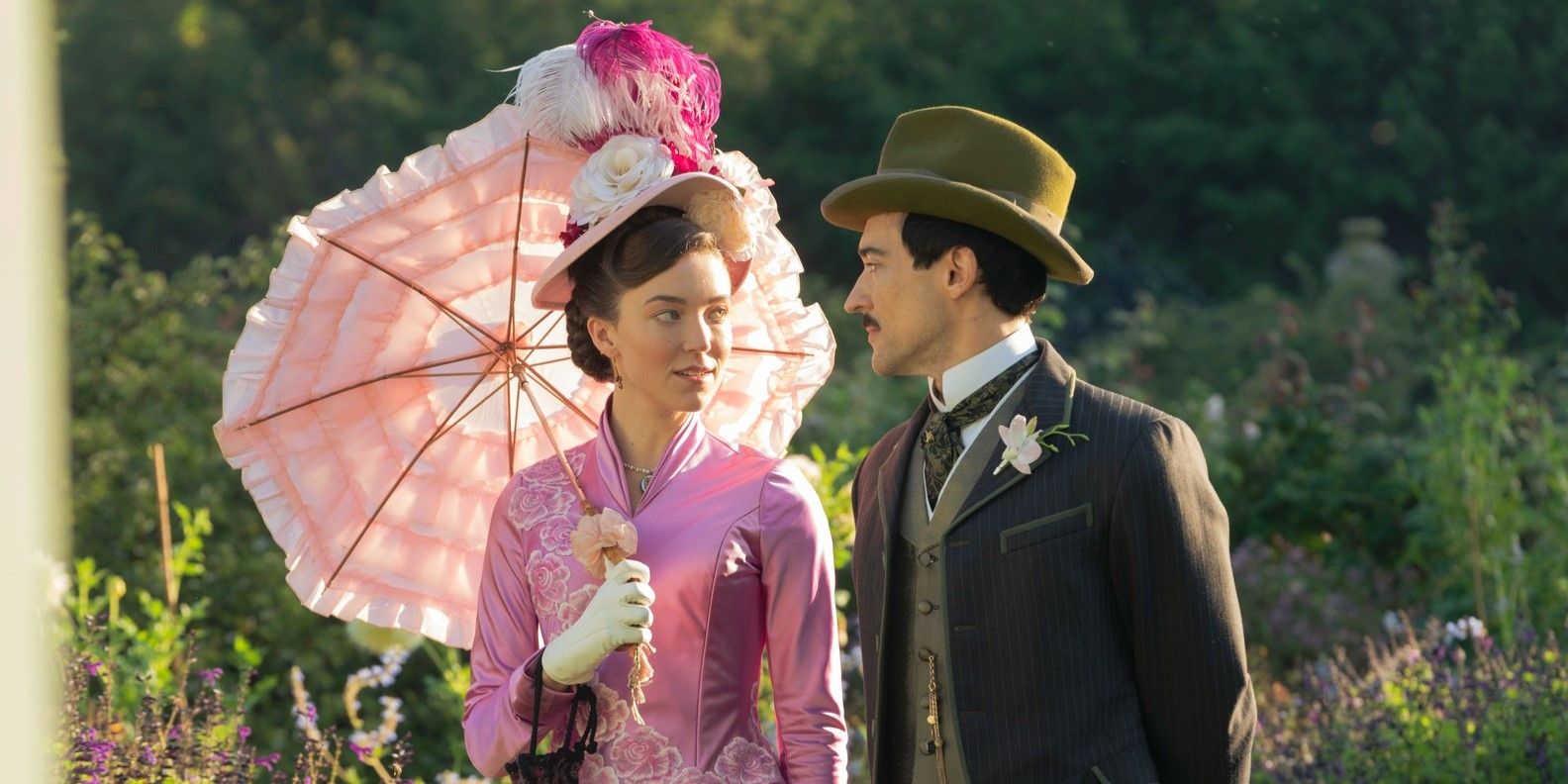
The Van Rhijns (often searched as the "Van Ryans") represent the quintessential "Old Money" Knickerbocker family in HBO’s The Gilded Age. Led by the formidable Agnes van Rhijn, they embody the traditional Dutch-descended aristocracy of...
The Van Rhijns (often searched as the "Van Ryans") represent the quintessential "Old Money" Knickerbocker family in HBO’s The Gilded Age. Led by the formidable Agnes van Rhijn, they embody the traditional Dutch-descended aristocracy of 1880s New York, fiercely defending social gatekeeping against the "nouveaux riches" industrial titans.
Contents
The Gilded Age, a term coined by Mark Twain, describes an era of glittering exterior masking deep social conflict and economic volatility. In the context of Julian Fellowes’ historical drama, which remains a cornerstone of period-piece television in 2026, the Van Rhijn household serves as the primary lens through which we view the rigid social structures of the 19th-century American elite. While the family itself is a fictional creation, they are meticulously crafted to mirror the real-world families—such as the Livingstons, Schermerhorns, and Roosevelts—who once ruled Manhattan from their brownstones on Washington Square and later, Upper Fifth Avenue.
The Van Rhijn Family Tree and Household Hierarchy
Understanding the Van Rhijn family requires looking beyond the patriarch, the late Arnold van Rhijn, whose wealth and name provide the family’s foundational security. The household at 61st Street is a microcosm of the era’s social expectations and internal pressures.
Agnes van Rhijn: The Matriarch
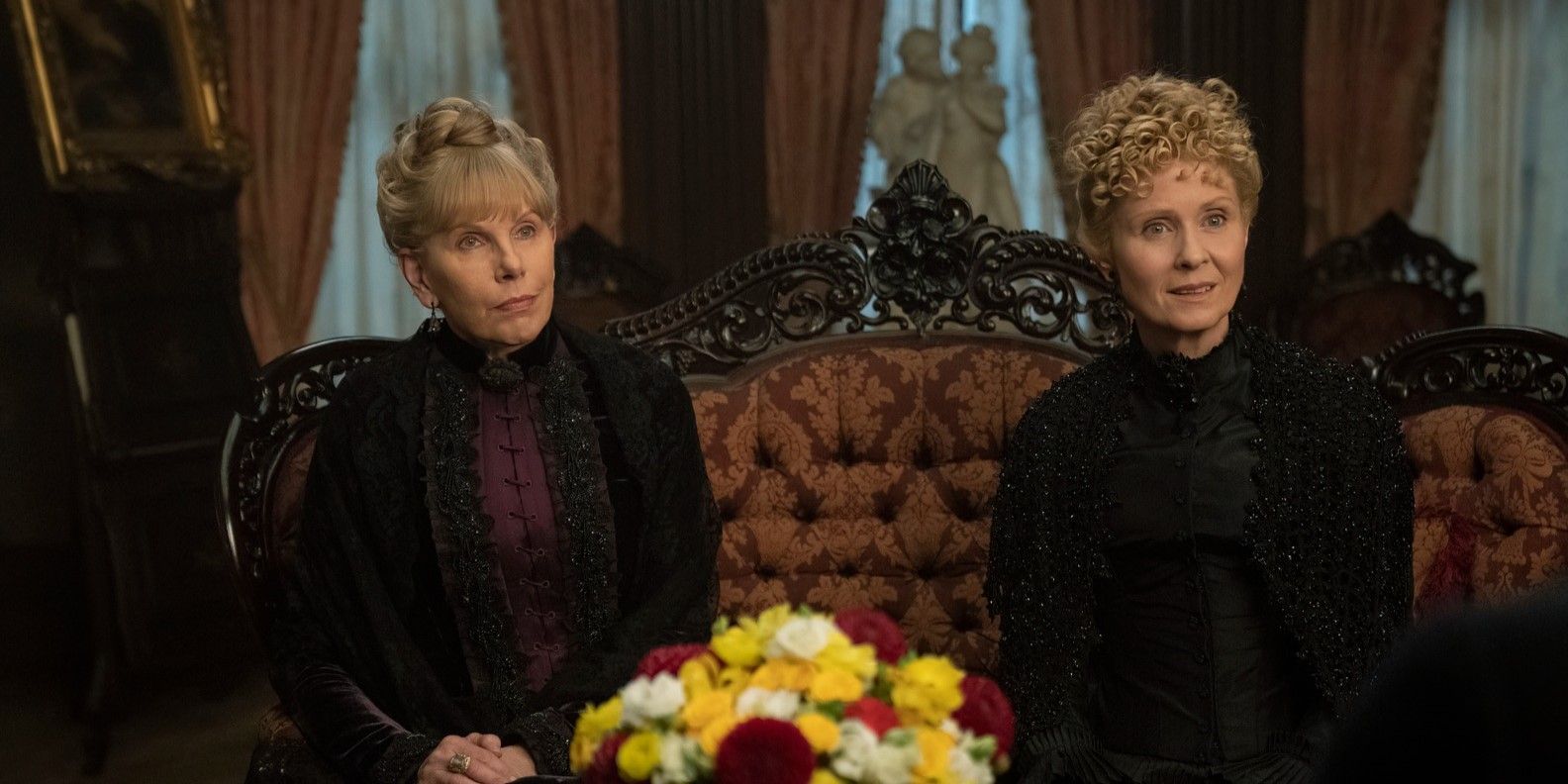
Agnes van Rhijn (portrayed by Christine Baranski) is the anchor of the family. As a widow of a "proper" New York family, she views herself as a guardian of the city’s moral and social standards. Her primary motivation is the preservation of the "Old Guard," specifically the "400"—the exclusive list of New York society members curated by Ward McAllister and Mrs. Astor. Agnes’s character highlights the limited agency of women during the period; her power is derived entirely from her husband’s lineage and her own uncompromising adherence to etiquette.
Ada Brook: The Compassionate Sister
Ada Brook, Agnes’s sister, represents the "spinster" demographic of the Gilded Age. Lacking her own fortune, she is dependent on Agnes’s charity. However, as the series progresses into the later 1880s, Ada’s character arc—particularly her inheritance and late-life marriage—challenges the power dynamics within the home. She provides the emotional intelligence that Agnes often lacks, serving as a bridge between the rigid past and the changing future.
Oscar van Rhijn: The Scheming Heir
Oscar van Rhijn embodies the anxieties of the second-generation elite. Aware that the family fortune, while substantial, is stagnant compared to the explosive growth of railroad and steel magnates, Oscar spends much of his time seeking a wealthy bride to "top up" the coffers. His character also explores the "Lavender Marriage" dynamics of the era, as he navigates life as a closeted gay man in a society that demanded traditional domesticity.
Marian Brook: The Catalyst for Change
Marian, the niece from Pennsylvania, enters this world as an outsider. Through her, the audience experiences the absurdity of the era’s social rules. Marian’s presence forces the Van Rhijn household to interact with the "New Money" Russells across the street, breaking the seal of the Knickerbocker sanctuary.
Old Money vs. New Money: The Central Conflict
The "Van Ryan" narrative is centered on the clash between the Knickerbockers and the Robber Barons. This wasn't merely a disagreement over manners; it was an existential battle for the soul of American power.
- The Source of Wealth: For the Van Rhijns, money must be "old"—derived from real estate and trade established before the Civil War. For the Russells (their neighbors), wealth is "new," built on the ruthless expansion of the transcontinental railroads.
- The Academy of Music vs. The Metropolitan Opera: This historical rivalry is a focal point of the family's struggle. The Van Rhijns supported the Academy, a small, exclusive venue where boxes were inherited. When the "new people" were denied boxes, they built the Metropolitan Opera House. The Van Rhijns' eventual transition to the Met signals the defeat of the old exclusionary tactics.
- Social Gatekeeping: Agnes van Rhijn’s refusal to acknowledge Bertha Russell is a manifestation of the "closed-door" policy. In the 1880s, being rich was not enough; one needed the approval of the "Mystic Rose"—Mrs. Astor.
Comparison of Social Strata in the 1880s
To understand where the Van Rhijns sit in the hierarchy, we can compare their characteristics with those of the rising industrial class.
| Feature | The Van Rhijns (Old Money) | The Russells (New Money) |
|---|---|---|
| Wealth Origin | Inherited Real Estate / Dutch Lineage | Industrial Innovation / Railroads |
| Residence Style | Traditional Brownstone (Dark, Stately) | Beaux-Arts Palace (Grand, Opulent) |
| Primary Goal | Preservation of Tradition | Acquisition of Influence |
| Social Philosophy | Exclusionary and Selective | Inclusionary through Philanthropy |
| View of the Future | Fear of Decline | Ambition for Dominance |
The Architecture of Exclusion: The Van Rhijn Mansion
The physical setting of the Van Rhijn home is a character in itself. Located on the corner of 61st Street and Fifth Avenue, it stands in stark contrast to the modern, French-inspired chateau of the Russells.
The interior of the Van Rhijn house is filled with heavy mahogany, velvet drapes, and ancestral portraits. This "Gloom of the Knickerbockers" was a deliberate aesthetic choice meant to convey stability and history. In contrast, the new mansions featured electric lights (a rarity in 1882), massive ballrooms, and imported European marble.
The domestic staff, led by the butler Bannister, further reinforces this structure. The hierarchy "below stairs" mirrors the one above. Bannister’s pride in serving an "old family" highlights how even the working class was invested in the prestige of lineage. His occasional "defections" to help the Russells with their service protocols underscore the growing influence of new capital over traditional loyalty.
Historical Realism: Who Were the Real Van Rhijns?
While Agnes van Rhijn is a fictional character, her life is heavily researched. The "Van Rhijn" name itself evokes the Dutch roots of New York (formerly New Amsterdam).
- The Astors: Caroline Astor was the definitive "Agnes" of the real Gilded Age. She held the keys to society and could make or break a family's reputation with a single invitation.
- The Livingstons: One of the most prominent colonial-era families, they represent the land-based wealth that the Van Rhijns desperately tried to protect.
- The Fish Family: Stuyvesant Fish and his wife Mamie represented the younger generation of the "Old Guard" who eventually had to compromise with the new millionaires to maintain their status.
For those looking to explore the real history behind the show, the New-York Historical Society provides extensive archives on the Dutch families that formed the basis of the Knickerbocker class.
The Economic Reality of 1882–1885
The 1880s was a period of immense economic transition. The Van Rhijns lived through the "Long Depression" (1873–1879), which decimated many older fortunes tied to traditional investments.
In Season 2 and 3 of the series, we see Oscar van Rhijn fall victim to a common Gilded Age trope: the investment scam. As the "New Money" magnates manipulated the stock market (often through "cornering" stocks or "watering" capital), members of the old elite often found themselves outmatched in the increasingly complex financial landscape. This vulnerability highlights a central theme: the Van Rhijn's social power was ascending, but their relative economic power was in a state of terminal decline.
Frequently Asked Questions
Is the Van Rhijn family based on a real family?
The Van Rhijns are fictional, but they are a composite of several "Old New York" families. Their name and social standing are designed to represent the Dutch-descended aristocracy, such as the Van Rensselaers or the Schermerhorns, who dominated New York society before the industrial boom.
Why is the spelling "Van Rhijn" different from "Van Ryan"?
"Van Rhijn" is the historically accurate Dutch spelling common in New York history. "Van Ryan" is a common phonetic misspelling or a confusion with other similar surnames. In the context of HBO’s The Gilded Age, the family is officially the Van Rhijns.
What happened to the Van Rhijn fortune?
In the series, the family fortune faces a significant threat due to Oscar van Rhijn’s poor investment choices and a fraudulent scheme. However, the family's financial stability is ultimately bolstered by Ada Brook’s unexpected inheritance from her late husband, Luke Forte, illustrating the shifting tides of wealth within the family.
Where was the Van Rhijn house located?
In the show’s lore, the Van Rhijn house is located on 61st Street and Fifth Avenue in Manhattan. While the exterior was recreated using sets and CGI, the architectural style is a classic 19th-century New York brownstone, which can still be seen in parts of the Upper East Side and Brooklyn Heights today.
Who are the real-life counterparts to Agnes van Rhijn?
Agnes van Rhijn shares many traits with Caroline Schermerhorn Astor (Mrs. Astor). Like Agnes, Mrs. Astor was the arbiter of social acceptability and was famously slow to accept the "new" wealthy families, like the Vanderbilts, into her circle.
Final Recommendations for Enthusiasts
For readers fascinated by the social dynamics of the Van Rhijns, the best next step is to explore the primary sources of the era. Reading the works of Edith Wharton, such as The Age of Innocence, offers a contemporary perspective on the very social wars depicted in the show. Additionally, visiting the Preservation Society of Newport County allows you to see the "summer cottages" where families like the Van Rhijns and Russells played out their social dramas in real life.
As we look at the legacy of these families from 2026, it is clear that their influence persists in the geography and institutions of New York City. Whether through the preservation of historic districts or the naming of city landmarks, the spirit of the Knickerbockers remains an indelible part of the American narrative.
Image Gallery