Understanding the Minimum Full Coverage Auto Insurance When Leasing a Vehicle
When you lease a vehicle, you do not actually own it; you are essentially renting it from a leasing company or financial institution for a set period, typically two to four years. Because the leasing company retains ownership of the un...
When you lease a vehicle, you do not actually own it; you are essentially renting it from a leasing company or financial institution for a set period, typically two to four years. Because the leasing company retains ownership of the underlying asset, they impose strict insurance requirements to protect their financial investment against total loss, theft, or severe damage. Unlike financing a car with a traditional auto loan—where lenders typically mandate comprehensive and collision coverage—leasing companies enforce these rules through explicit clauses in the lease contract. Understanding these requirements ensures compliance, protects your personal assets, and helps you budget accurately for the total cost of your leased vehicle.
Contents
The Core Concept of Lease Insurance Requirements
When people refer to "full coverage" in the context of a leased vehicle, they are not typically describing a single insurance product, but rather a combination of specific coverage types. Legally, every state requires drivers to carry a minimum amount of liability insurance to cover bodily injury and property damage inflicted on others. However, standard state minimum liability policies do nothing to protect the physical vehicle itself if you get into an accident.
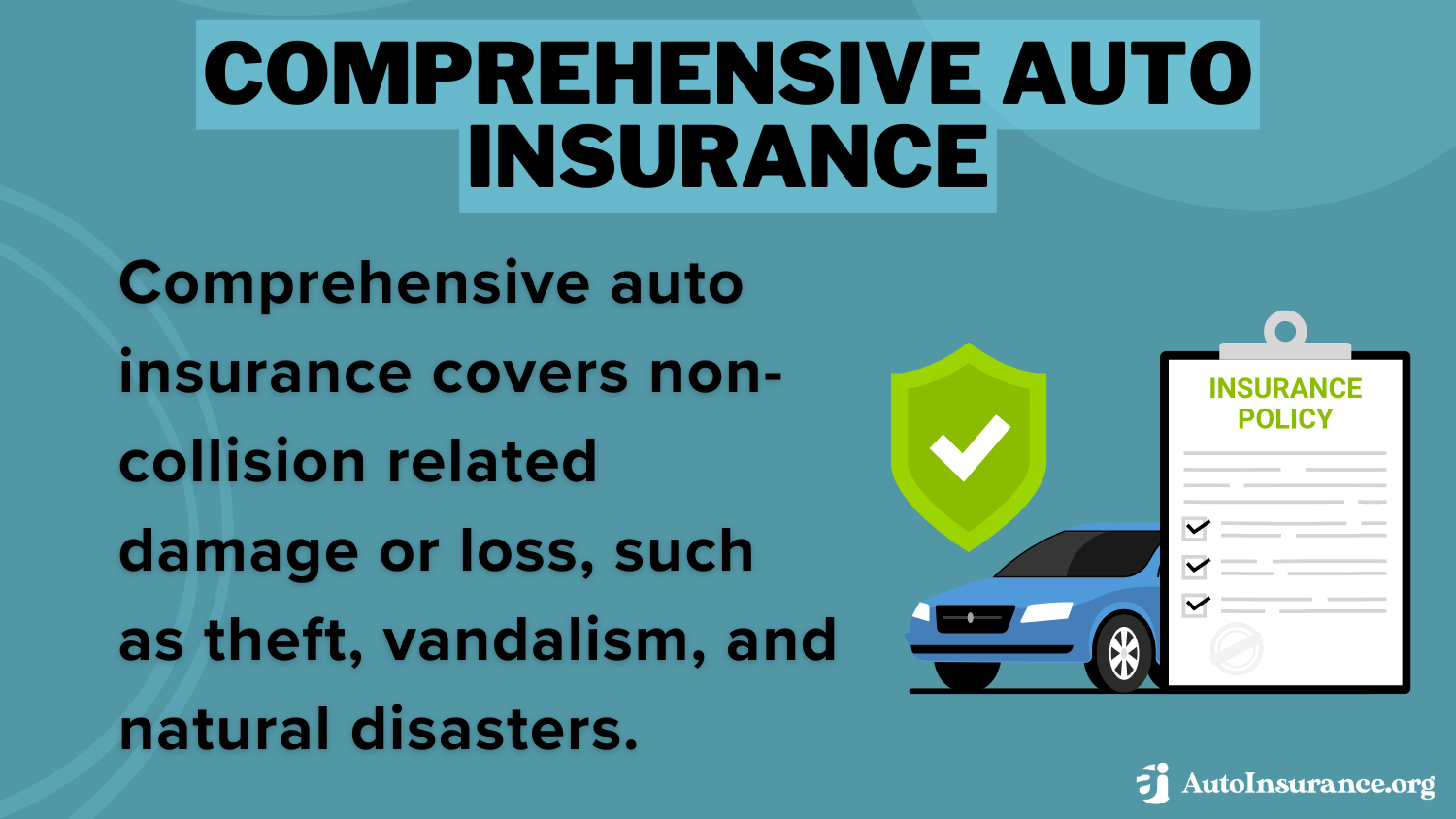
To bridge this gap, leasing companies require you to carry physical damage coverages. This includes collision insurance, which pays for repairs to your vehicle if you collide with another car or object, and comprehensive insurance, which covers non-collision events such as theft, vandalism, fire, animal strikes, or weather-related damage like hailstorms or floods. Together, liability, collision, and comprehensive insurance form the baseline of what leasing companies mean by full coverage.
Furthermore, lease agreements almost always specify maximum deductible limits. A deductible is the out-of-pocket amount you must pay before your insurance kicks in to cover a claim. While a higher deductible lowers your monthly premium, leasing companies often restrict your deductibles—frequently capping them at $500 or $1,000—to ensure that you can reasonably afford to repair the vehicle in the event of a claim.
Key Components of Lease-Mandated Auto Coverage
Meeting the insurance requirements of a lease agreement involves assembling a tailored policy with precise coverage limits. Failing to maintain any single required component can result in the leasing company purchasing force-placed insurance on your behalf, which is universally more expensive and offers narrower protection.
1. Liability Insurance
Liability coverage protects you financially if you are at fault in an accident that injures someone else or damages their property. It is split into two main categories:
- Bodily Injury Liability: Covers medical bills, lost wages, and legal fees for other parties injured in an accident you cause.
- Property Damage Liability: Pays to repair or replace other people's vehicles, buildings, or public property damaged in a crash.
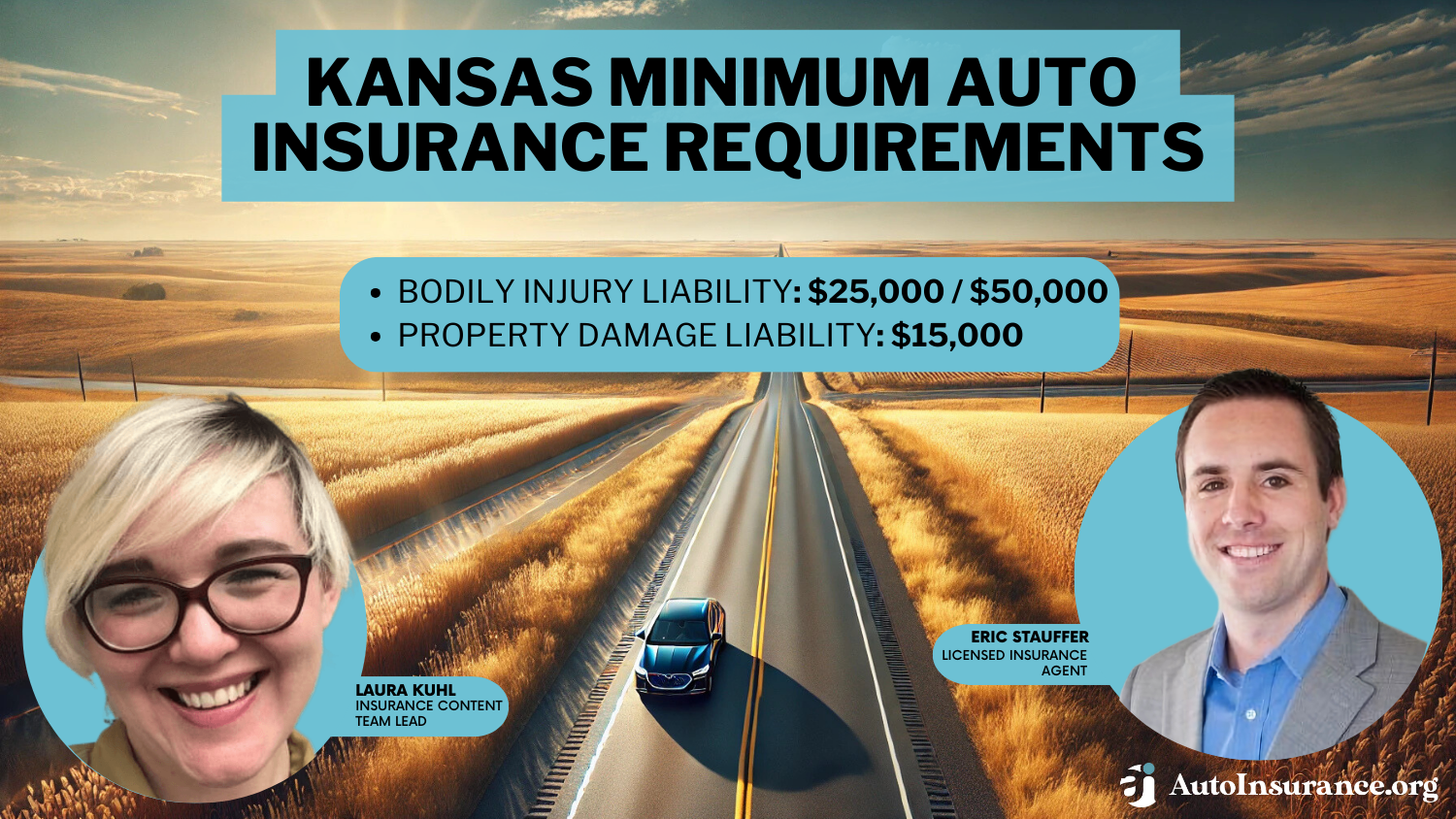
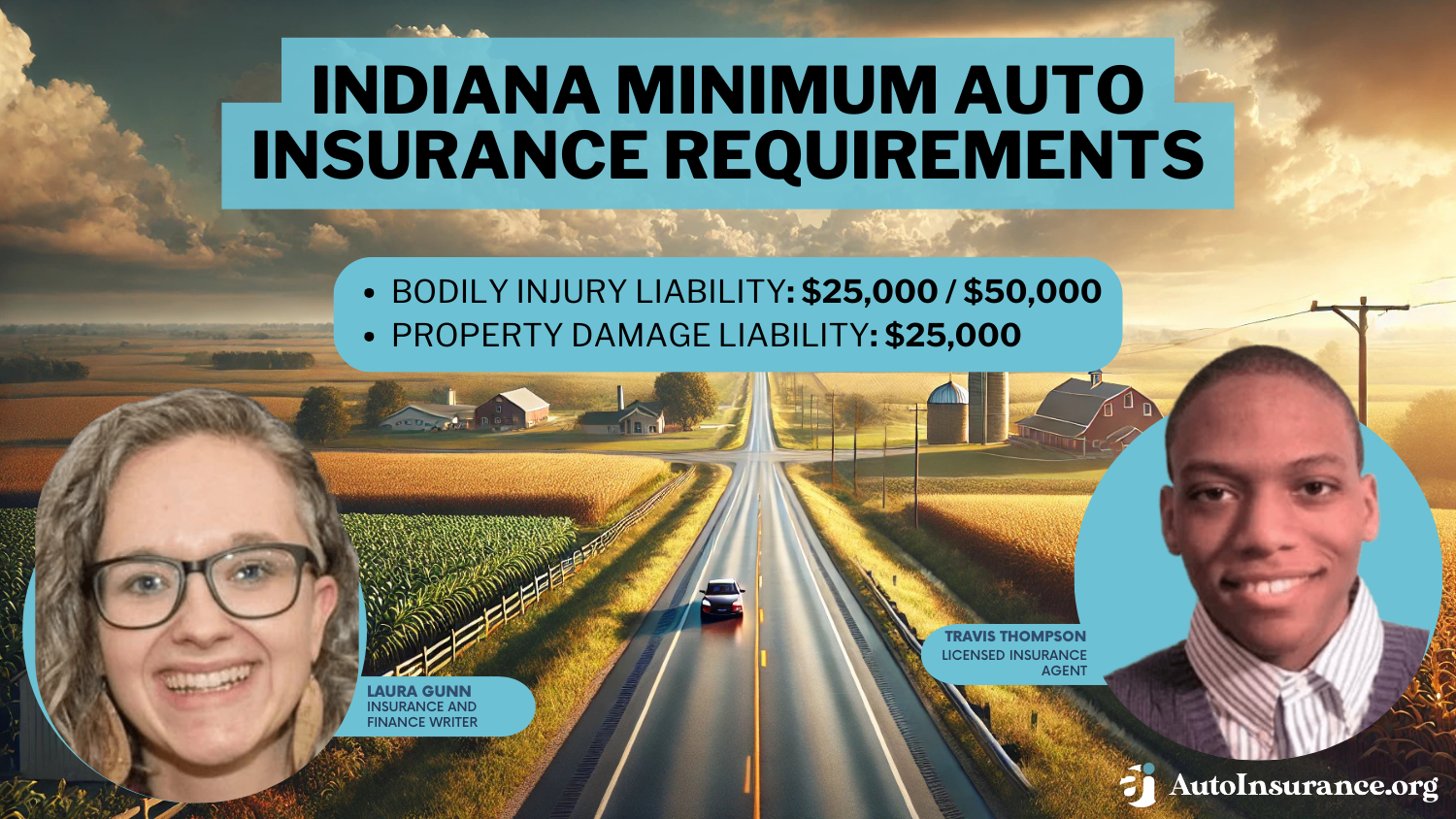
Leasing companies routinely mandate liability limits that far exceed state minimums. While a state might require only $25,000 of bodily injury coverage per person, a leasing company will often require limits of $100,000 per person and $300,000 per accident (often written as 100/300/50), alongside substantial property damage limits.
2. Comprehensive and Collision Coverages
As noted, these protect the leased vehicle itself. If a tree branch falls on your car while parked in your driveway, comprehensive coverage pays for the repairs. If you skid on ice and hit a guardrail, collision coverage steps in. The leasing company must be listed on your policy as a "loss payee" or "additional insured" to ensure they receive compensation directly if the vehicle is totaled.
3. Gap Insurance (Guaranteed Asset Protection)
One of the most critical elements of leasing a vehicle is Gap insurance. Standard auto insurance policies only pay out the current actual cash value (ACV) of a vehicle at the time of a total loss, factoring in depreciation. Because new cars depreciate rapidly the moment they drive off the lot, the ACV is frequently lower than the remaining balance on your lease payoff.
If your leased car is stolen or totaled, you would normally be responsible for paying the "gap" between your insurance payout and your remaining lease obligations. Many leasing companies now build the cost of Gap insurance directly into your monthly lease payment as a waiver, but if yours does not, you must purchase it independently through your auto insurance provider.
Comparing Lease Insurance vs. Standard Loan or Owned Vehicle Insurance
To better understand how lease insurance requirements differ from other forms of auto coverage, examine the structural differences outlined below.
| Coverage Type | State Minimum Policy | Traditional Auto Loan | Vehicle Lease Agreement |
|---|---|---|---|
| Primary Focus | Third-party legal protection | Protecting lender's loan balance | Protecting owner's asset & lease terms |
| Liability Limits | Low (e.g., 25/50/25) | Moderate to High | High (typically 100/300/50+) |
| Physical Damage | Optional | Mandatory (Comprehensive & Collision) | Mandatory (Comprehensive & Collision) |
| Deductible Caps | None | Set by borrower | Strictly capped (e.g., $500 or $1,000) |
| Gap Insurance | Not applicable | Optional | Frequently required or built-in |
| Loss Payee Status | Not required | Required | Required (Lessor listed) |
Financial Implications and Deductible Management
Maintaining high-limit full coverage auto insurance affects the total cost of ownership for a leased vehicle. When budgeting for a lease, drivers must factor in the insurance premium alongside the monthly lease payment, local taxes, maintenance, and fuel.
Because leasing companies mandate higher liability limits and lower deductibles, your insurance premiums will likely be higher than they would be if you owned an older, paid-off vehicle. Furthermore, insurance rates are influenced by factors such as your age, driving record, zip code, and the specific make and model of the vehicle. High-performance, luxury, or frequently stolen vehicles carry higher insurance risk profiles, which drives up the cost of fulfilling lease insurance mandates.
When selecting deductibles, choose amounts that you can comfortably pay on short notice. If a lease agreement permits a $1,000 deductible, selecting it will lower your monthly insurance bill, but you must ensure you have $1,000 liquid cash available in the event of an unexpected accident.
Common Mistakes to Avoid When Insuring a Leased Car
Navigating lease insurance requirements can be complex, and certain missteps can lead to financial penalties, contract breaches, or claim denials.
- Omitting the Loss Payee Designation: Your insurance declarations page must list the leasing company correctly as the loss payee or additional interest. If this is omitted, the insurance company may issue payment directly to you rather than the lessor after a total loss, complicating your contractual obligations.
- Failing to Verify Gap Coverage: Assuming standard comprehensive and collision coverage includes Gap insurance is a dangerous error. Always review your contract to confirm whether Gap protection is included or if you need to buy a separate endorsement from your insurer.
- Allowing Coverage to Lapse: Setting up automatic payments for your insurance policy is vital. Leasing companies monitor insurance status closely; if your policy lapses for even a single day, they may enact force-placed insurance, which is remarkably expensive and billed directly to you.
- Dropping Coverage Prematurely: Some drivers attempt to lower their monthly costs by dropping collision or comprehensive coverage toward the end of a lease term. This violates the lease contract and leaves you vulnerable to massive out-of-pocket expenses.
Frequently Asked Questions
Can I use my existing auto insurance policy for a new leased car?
Yes, you can transfer your current policy to a newly leased vehicle, but you must contact your insurance agent before driving the car off the lot. You will need to update the vehicle identification number (VIN), ensure your coverage limits match the lessor's minimum requirements, and add the leasing company as a loss payee.
What happens if my insurance coverage limits are lower than what the leasing company requires?
If your policy does not meet the lessor's requirements, the dealership will typically refuse to release the vehicle to you until you provide proof of adequate coverage. You can call your insurance provider from the dealership to adjust your limits immediately.
Is Gap insurance legally required on a leased vehicle?
Gap insurance is not a statutory legal requirement mandated by state governments, but it is almost universally required by leasing company contracts to protect against depreciation shortfalls.
How do I find out what specific insurance limits my leasing company requires?
The exact insurance requirements are detailed in the financial paperwork or master lease agreement you sign with the leasing company. You can request a pre-approval insurance guideline document from the dealer or lessor before finalizing your vehicle selection.
Can a leasing company force me to buy their in-house insurance?
Leasing companies cannot force you to buy their specific insurance policy, provided you can supply proof of an independent policy that meets all their stated liability, comprehensive, collision, and deductible requirements. However, they can force-place insurance if you fail to maintain your own compliant policy.
Next Actions and Verification Steps
Before signing a lease agreement, request a copy of the lessor's insurance guidelines. Contact your auto insurance agent with these specifications to run a quote on the specific vehicle you intend to lease. Verify that the quote includes the required liability limits, appropriate deductible caps, and explicit Gap protection. Once the policy is active, ensure your insurance provider sends an official declarations page directly to the leasing company to confirm compliance and secure a smooth vehicle delivery process.
Image Gallery