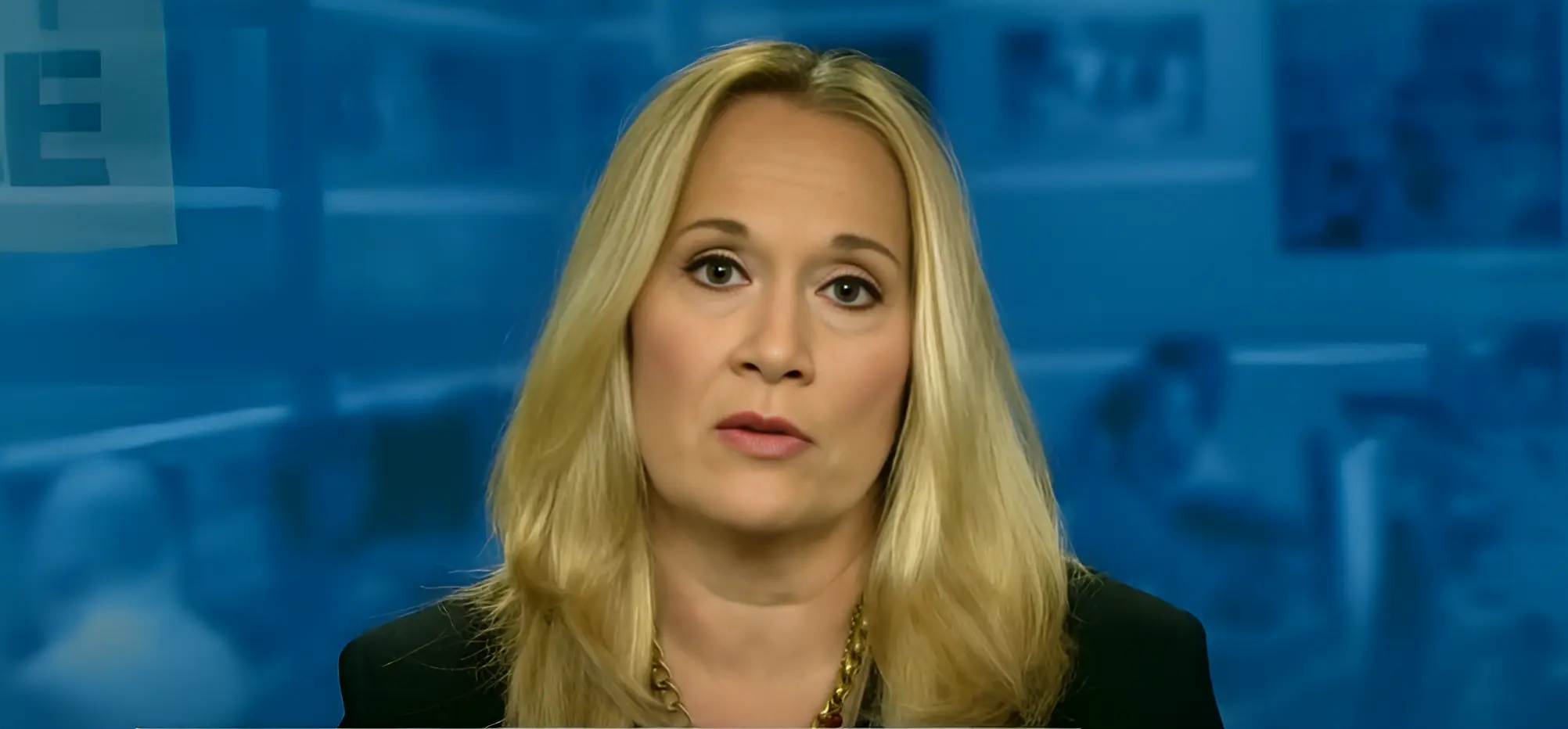
Ashley Willcott: Legal Analysis, Media Presence, and Mediation Expertise in 2026
Ashley Willcott is a highly regarded legal analyst, attorney, and mediator known for her expert commentary on high-profile criminal and civil cases. Operating primarily within the intersection of media and law, she provides nuanced per...
Ashley Willcott is a highly regarded legal analyst, attorney, and mediator known for her expert commentary on high-profile criminal and civil cases. Operating primarily within the intersection of media and law, she provides nuanced perspectives on judicial proceedings, courtroom strategy, and complex legal ethics, maintaining a significant professional footprint throughout the 2026 legal landscape.
Contents
Professional Background and Legal Career
Ashley Willcott’s career is defined by a deep foundation in litigation and dispute resolution. Before transitioning into her prominent role as a legal commentator, she served as a presiding judge, which allows her to offer unique insights into the motivations of the bench and the strategic considerations of trial attorneys. Her transition from the courtroom to the media stage has made her a go-to voice for major news networks seeking to demystify complex legal jargon for the general public.
In 2026, her work focuses on the intersection of public interest law and the evolving standards of courtroom transparency. She remains an active member of the legal community, prioritizing the application of mediation techniques to avoid the high costs and unpredictability of prolonged litigation.
Core Areas of Expertise
- Criminal Litigation: Analyzing prosecution and defense strategies in high-stakes trials.
- Mediation and ADR: Facilitating Alternative Dispute Resolution to resolve complex civil matters outside of traditional courtroom settings.
- Judicial Analysis: Evaluating the impact of court rulings on precedent and policy.
- Media Consultation: Providing real-time expert commentary during live broadcast proceedings.
The Role of a Legal Analyst in Modern Media
The landscape of legal reporting has shifted significantly, with audiences demanding faster and more accurate interpretations of unfolding legal events. Ashley Willcott excels in this environment by synthesizing voluminous case files into digestible, accurate information. Her authority stems from a meticulous approach to procedure, ensuring that viewers understand not just the headlines, but the underlying mechanisms of law that drive the outcome.
Professional Standard of Practice
As an authoritative voice in legal media, the focus remains on maintaining neutrality while dissecting the strengths and weaknesses of legal arguments. In 2026, this requires a firm grasp of both substantive law and the nuances of how jury perceptions are influenced by media coverage.
Mediation Services: A Strategic Advantage
Beyond her media presence, Willcott emphasizes the efficacy of mediation. In an era where civil litigation can take years to resolve, mediation serves as an essential tool for parties seeking efficiency, privacy, and control over the final outcome.
Comparative Analysis: Traditional Litigation vs. Professional Mediation
The following table outlines the practical differences between pursuing a court judgment and engaging in structured mediation, reflecting current 2026 standards of practice.
| Feature | Traditional Litigation | Professional Mediation |
|---|---|---|
| Control | Controlled by Judge/Jury | Controlled by Disputing Parties |
| Cost | Generally High/Predictable | Often Lower/Variable |
| Privacy | Public Record | Confidential |
| Timeline | Lengthy (Months to Years) | Accelerated (Weeks to Months) |
| Outcome | Win/Loss (Zero Sum) | Mutually Agreed Settlement |
Strategic Approaches to Legal Commentary
When analyzing high-profile cases, Willcott utilizes a rigorous framework that prevents speculation and focuses on established evidentiary standards. By centering her analysis on the Federal Rules of Evidence and regional procedural codes, she provides a roadmap for viewers to anticipate how a trial might progress. This technical depth is crucial for identifying potential reversible errors in real-time as cases develop in the 2026 cycle.
Key Factors in Case Evaluation
- Admissibility of Evidence: Identifying whether testimony or physical items meet the threshold for relevance and reliability.
- Jury Dynamics: Predicting how specific arguments may resonate with a diverse jury pool.
- Appellate Risk: Assessing whether a judge’s ruling could provide grounds for a future appeal, which often dictates the caution exercised by counsel.
Addressing Common Inquiries
Understanding the role of a legal expert requires clarifying how they interact with the justice system. The following frequently asked questions address the intersection of legal commentary and active practice.
Does legal commentary constitute legal advice?
No. Legal commentary provided by experts like Ashley Willcott is strictly for educational and informational purposes. It is not, and cannot be, a substitute for professional legal advice, as a commentator lacks a formal attorney-client relationship with the viewer and does not have access to the confidential details of the specific case.
How does a background in the judiciary influence media work?
A former judge brings a systemic understanding of how courts function, including the discretion exercised by a judge in pre-trial motions, jury selection, and sentencing. This enables the commentator to explain the "why" behind judicial decisions that might otherwise seem confusing to a layperson.
What is the primary objective of mediation?
The goal is to reach a settlement that is acceptable to all involved parties, effectively bypassing the need for a trial. This process is particularly useful in family law, contract disputes, and commercial litigation where preserving business or personal relationships is a priority.
How are cases selected for expert analysis?
Experts typically select cases that present novel legal questions, significant societal impact, or clear instances of procedural complexity. In 2026, this often includes cases involving digital evidence, intellectual property disputes, or landmark constitutional questions.
Are there risks in relying on media analysis for legal news?
Yes. Relying solely on media analysis can sometimes lead to an incomplete understanding of a case. It is always recommended to review the official court dockets and primary source documents, such as filed motions and judicial opinions, to gain the full context of any legal proceeding.
Conclusion and Recommendations
Ashley Willcott’s work serves as a bridge between the often-impenetrable world of the legal profession and the public’s need for clarity. Whether she is in the mediator’s chair or the news studio, her commitment to the rule of law and the accuracy of judicial procedure remains constant. For those looking to navigate the legal system or stay informed on the most significant cases of 2026, following the commentary of established professionals who prioritize procedural integrity is the most effective approach.
To better understand your own legal standing or the complexities of a case in your jurisdiction, prioritize consulting with a licensed attorney who can provide advice tailored to the specific statutes and precedents of your state.
Image Gallery