The Cultural and Informational Phenomenon of Florida Man February 2nd
The "Florida Man February 2nd" phenomenon represents a unique intersection of viral internet culture, daily news reporting, and the peculiar nature of state-level public records laws. When internet users search for this specific calend...
The "Florida Man February 2nd" phenomenon represents a unique intersection of viral internet culture, daily news reporting, and the peculiar nature of state-level public records laws. When internet users search for this specific calendar date and subject combination, they are exploring the viral social media trend where individuals look up what bizarre news headline occurred in the Sunshine State on February 2nd of any given year.
Contents
Understanding the Florida Man Phenomenon and Public Records
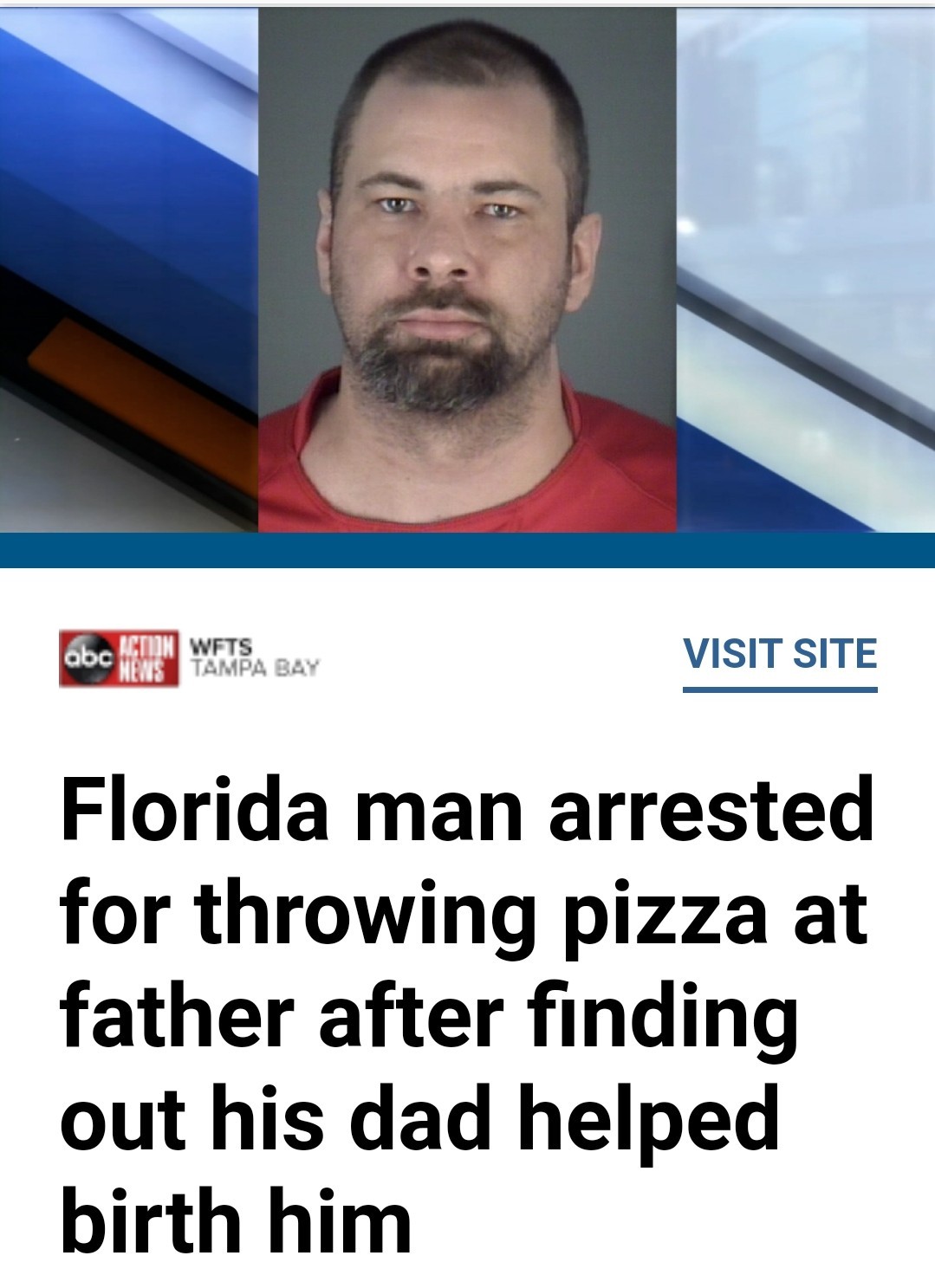
The term "Florida Man" refers to an internet meme derived from news stories originating in Florida that are perceived as strange, unusual, or absurd. The prevalence of these stories is largely attributed to Florida's historic Sunshine Law, specifically Chapter 119 of the Florida Statutes. This legislation provides public access to government records, making police reports and arrest logs remarkably easy for journalists and the public to obtain compared to many other jurisdictions.
When examining entries specifically tied to February 2nd, researchers, journalists, and internet sleuths look at a cross-section of daily blotters spanning multiple decades. Because the state's media apparatus can report on arrests almost in real-time, minor or eccentric infractions receive widespread digital distribution.
Why February 2nd Stands Out in Viral Archives
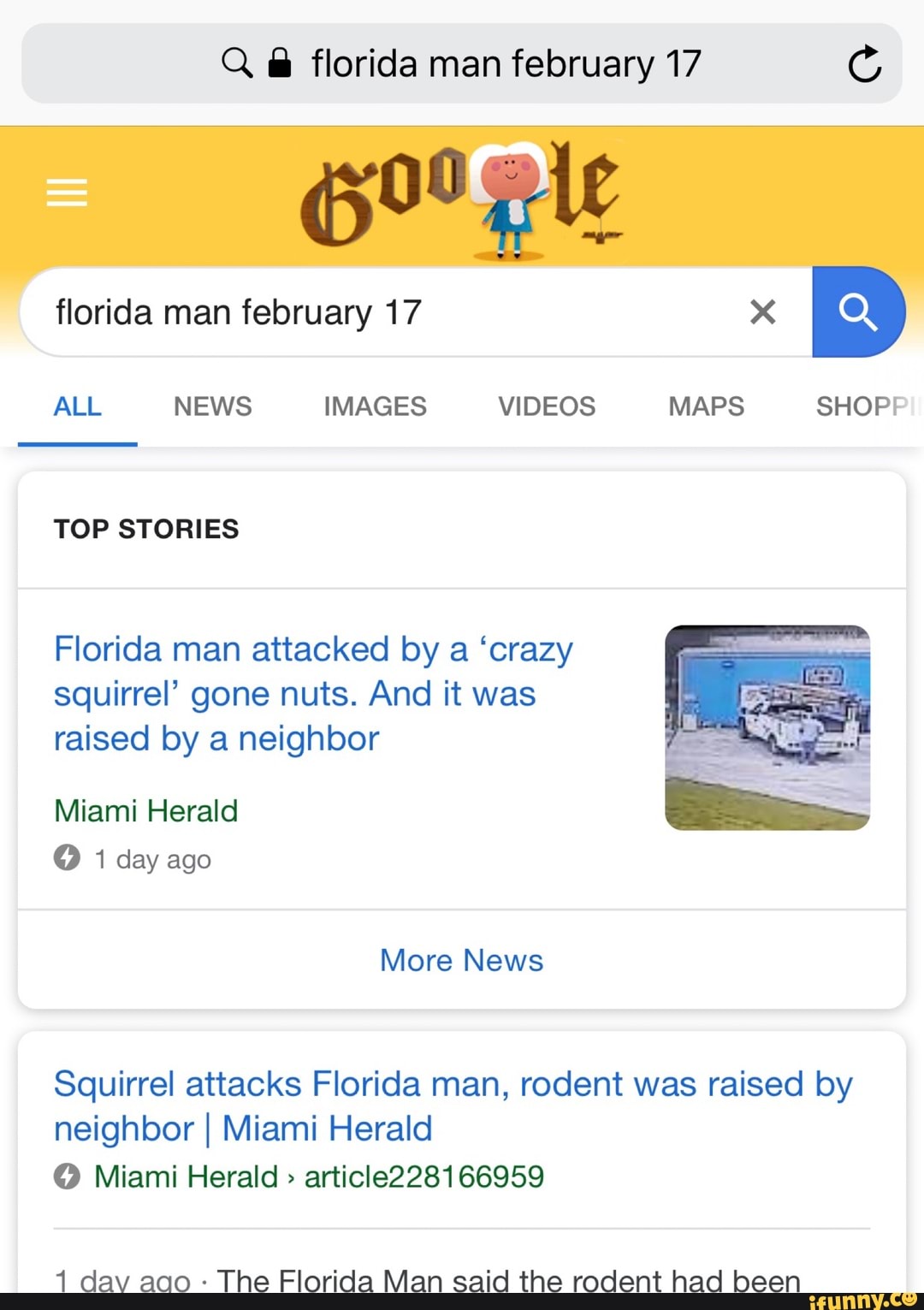
Calendar-specific searches like February 2nd gain traction during social media trend cycles, particularly on platforms like X (formerly Twitter), TikTok, and Reddit. Users frequently type their birthday or significant dates followed by "Florida Man" to discover what bizarre event was documented on that exact day in history.
- The Birthday Game Trend: Social media users search their own birth dates to find matching headlines, generating millions of search queries annually for dates across all twelve months.
- Archival Journalism: Local news outlets in cities like Miami, Orlando, Tampa, and Jacksonville often archive decades of police reports, feeding the perpetual digital archive.
- The Sunshine Law Effect: Unrestricted access to arrest affidavits ensures that even the most unusual or humorous local incidents are preserved in public databases.
Chronological Breakdown of Historical February 2nd Incidents
While individual years yield different police blotter entries, looking at patterns across historical records from February 2nd reveals a recurring cast of eccentric situations involving wildlife, unusual traffic stops, and domestic disputes.
| Year / Date | Reported Incident Type | Regional Jurisdiction | Public Record Classification |
|---|---|---|---|
| Historical Archive A | Wildlife Interference (Alligators) | Volusia County | Public Arrest Affidavit |
| Historical Archive B | Unusual Traffic Infraction | Pinellas County | Public Traffic Citation |
| Historical Archive C | Property Dispute (Unusual Items) | Broward County | Public Incident Report |
| Historical Archive D | Public Disturbance (Exotic Pets) | Hillsborough County | County Sheriff Blotter |
Examining these categories shows that viral news items rarely involve major felonies; instead, they skew toward misdemeanors, municipal ordinance violations, and bizarre encounters with native Florida fauna.
Legal and Media Framework Governing Florida Public Records
To fully understand why "Florida Man" headlines exist in such high volume, one must examine the legal framework that separates Florida from other U.S. states regarding transparency.
The Sunshine Law Explained
Enacted in 1909, the Florida Sunshine Law establishes a basic right of access to most meetings of boards, commissions, and other agencies of state and local government. Combined with public records legislation, it mandates that almost all documents created or received by public agencies are open for inspection by any person.
Transparency Mandate: Law enforcement agencies in Florida are required to make arrest reports, mugshots, and 911 audio recordings readily available to the press and the public upon request, creating an open pipeline for unconventional media reporting.
Media Monetization and Viral Culture
In the digital era, headlines featuring eccentric local news perform exceptionally well in search engines and social media algorithms. Outlets often optimize titles to capture regional identifiers, turning standard local police blotter items into viral entertainment. This dynamic reinforces the perpetual cycle of the meme, driving continuous search volume for specific calendar dates like February 2nd.
Frequently Asked Questions
What is the origin of the Florida Man meme?
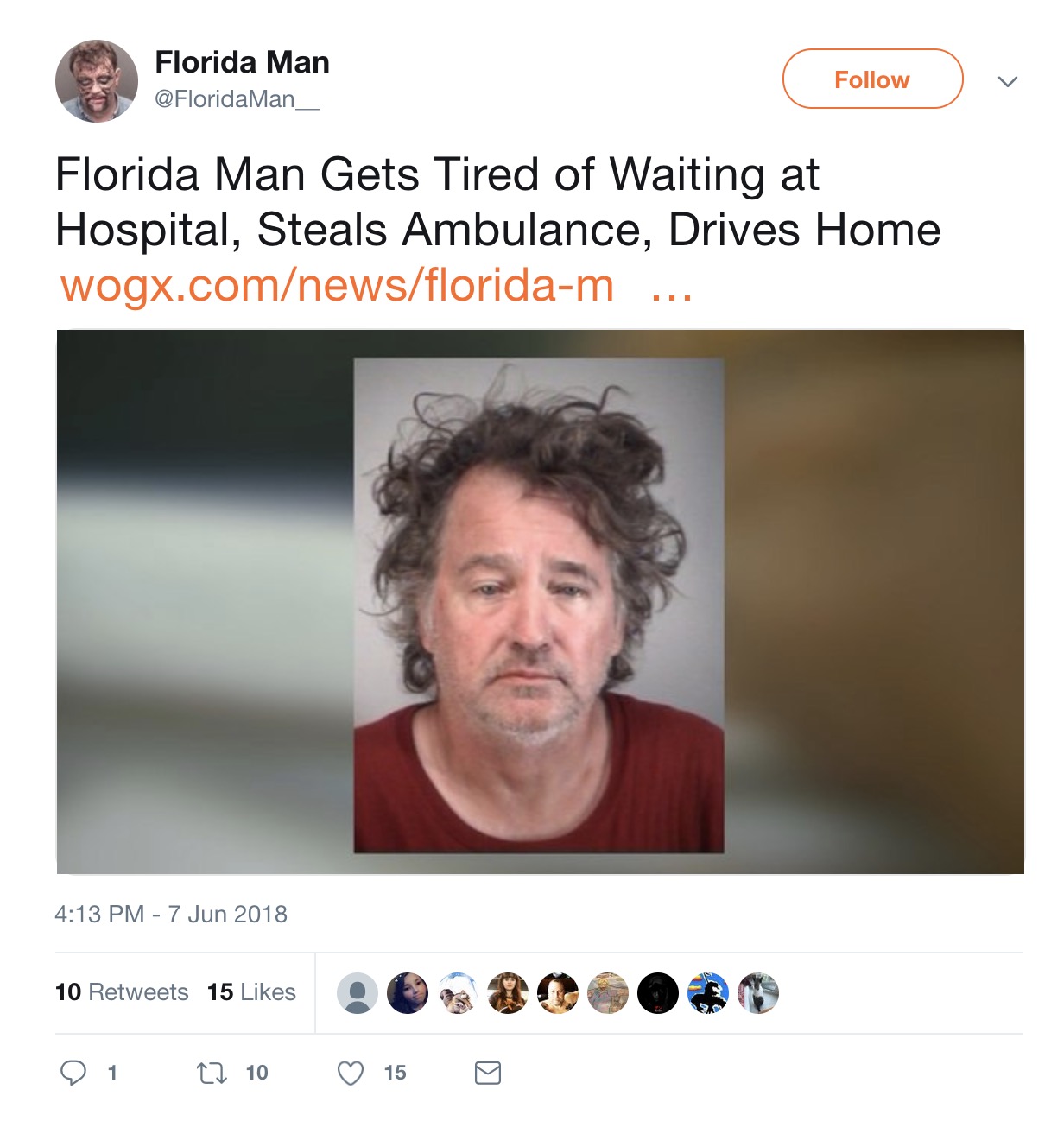
The meme originated around 2009 via social media platforms, particularly a Twitter account that tracked bizarre news headlines from the state. It gained mainstream popularity in the 2010s as internet users realized the sheer volume of unusual stories emerging from local Florida police reports.
Why are there so many weird news stories from Florida?
The high volume is primarily due to Florida's Sunshine Laws, which grant the public and media immediate access to police reports and arrest records. Other states have similar incidents, but their privacy laws often restrict immediate or detailed public access.
How can someone search for news on their birthday or specific dates like February 2nd?
Users typically search online news archives, social media hashtags, or specialized search engines using the formula [Month Date] plus "Florida Man" to find historical police blotter entries from past years.
Are all Florida Man stories completely true?
Most stories derive from genuine police blotters and arrest affidavits, making them factually accurate regarding the events recorded by law enforcement. However, internet aggregators often sensationalize headlines to maximize clicks and shares.
Does the Florida Sunshine Law apply to mugshots?
Yes, mugshots taken by law enforcement agencies are considered public records under Florida law. While legislation has been enacted to prevent commercial exploitation of these images by third-party publishing websites, they remain accessible through official agency channels.
Navigating Digital Folklore and Responsible Media Consumption
While the "Florida Man February 2nd" search query serves primarily as a source of internet entertainment, it also highlights the complex balance between government transparency and individual privacy in the digital age. As public records remain accessible online indefinitely, historical police reports continue to shape modern digital folklore. When exploring these archives, understanding the legal structures behind the headlines provides necessary context for why these peculiar stories emerge from the Sunshine State day after day.
Image Gallery