Commuter Rail Middleborough Lakeville Line: Schedule, History, and Service Changes
The commuter rail middleborough lakeville line historically served southeastern Massachusetts commuters via the MBTA system. Major structural shifts, including the 2022 South Coast Rail project integration and the 2024 opening of the n...
The commuter rail middleborough lakeville line historically served southeastern Massachusetts commuters via the MBTA system. Major structural shifts, including the 2022 South Coast Rail project integration and the 2024 opening of the new Middleborough Station, permanently altered local transit patterns, shifting regular passenger service away from the old Lakeville station.
Contents
Understanding the Middleborough/Lakeville Line Context
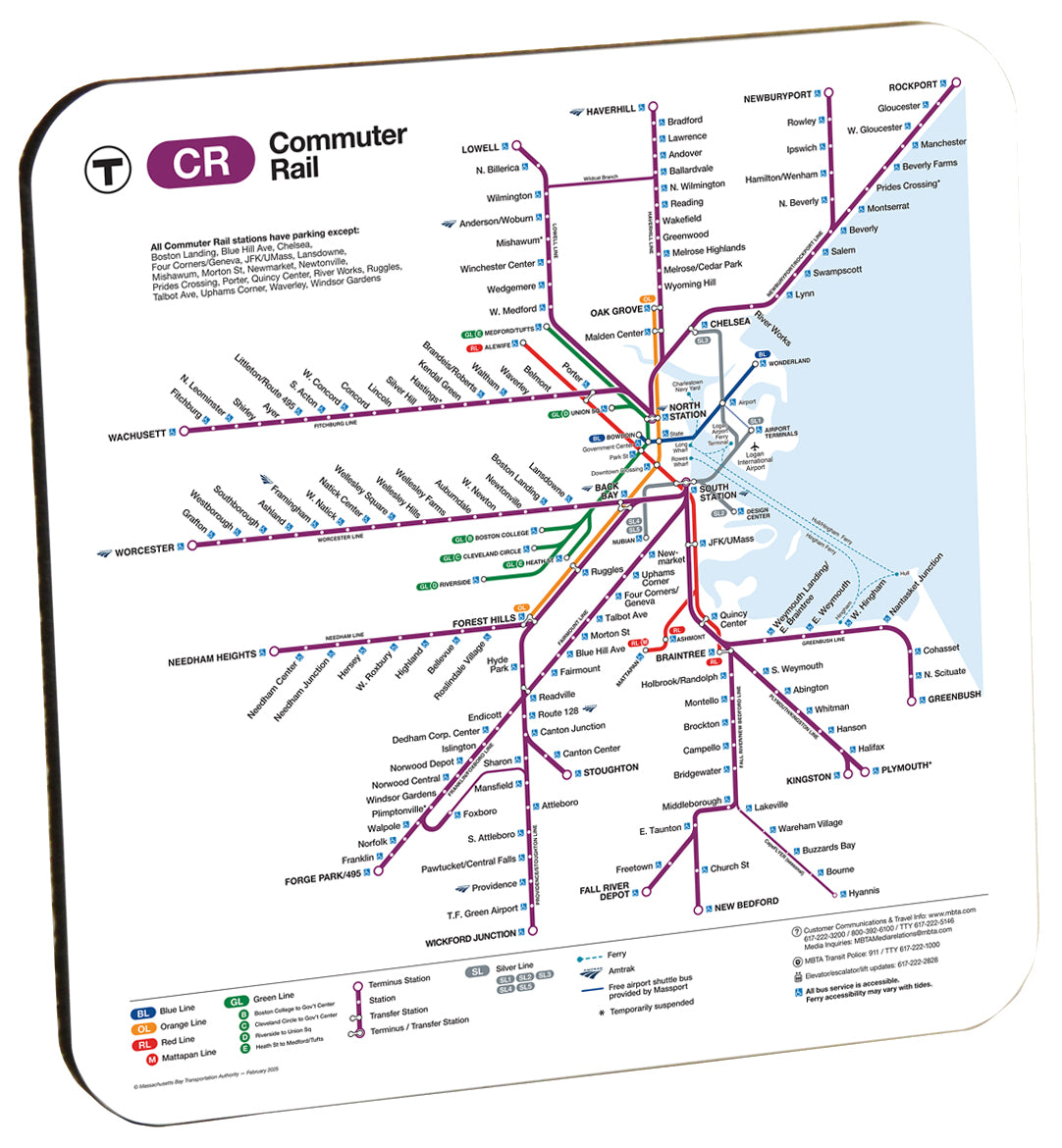
The Middleborough/Lakeville Line has long served as a vital transit artery connecting Plymouth County communities to Boston's South Station. Operating as part of the Massachusetts Bay Transportation Authority (MBTA) commuter rail network, this corridor historically handled thousands of daily commuters traveling northward into the Hub for employment, education, and healthcare access.
Navigating this rail corridor requires an understanding of recent systemic overhauls. Infrastructure investments, regional population shifts, and the massive South Coast Rail initiative have transformed how trains run through this region. Passengers planning trips along this route must verify station locations and schedules to avoid outdated transit assumptions.
Historical Evolution and Route Geography
The rail line traces its heritage back to nineteenth-century railroading, when the Old Colony Railroad established tracks connecting Boston to Cape Cod and southeastern Massachusetts. Over the decades, passenger service experienced various suspensions and revivals before the MBTA formally reintroduced modern commuter rail service to Middleborough and Lakeville in 1997.
Geographically, the route extends roughly 35 miles south-southeast of Boston. Key operational milestones and historical characteristics define the corridor:
- Original Terminus: The historic Lakeville station, located off Bedford Street (Route 18), served as the southern end of the line for over 25 years.
- Intermediate Stops: Service traditionally included stops at Bridgewater, Halifax, Kingston (via a branch), and working connections through Braintree interlocking junctions.
- Track Ownership: Portions of the right-of-way utilize tracks originally built to support freight and passenger traffic, upgraded over time to handle modern diesel-electric locomotive consists.
The South Coast Rail Transformation and 2024 Service Shifts
The operational landscape of the commuter rail middleborough lakeville line shifted dramatically with the implementation of the South Coast Rail project. Designed to restore passenger rail service to Fall River and New Bedford, Phase 1 of this multi-billion-dollar initiative required a complete reconfiguration of the Middleborough routing.
The opening of the new Middleborough Station (often referred to as Middleborough/Lakeville's modern replacement facility) shifted the primary passenger boarding point. The old Lakeville station platform was permanently decommissioned for regular commuter service to accommodate the new alignment, which routes trains down the newly constructed Middleborough Secondary line toward Taunton, Fall River, and New Bedford.
| Station Name | Operational Status | Location Details | Parking Availability |
|---|---|---|---|
| Old Lakeville Station | Closed / Decommissioned | Bedford Street, Lakeville, MA | No longer serviced by MBTA trains |
| New Middleborough Station | Active (2026 Operations) | Route 18 vicinity, Middleborough, MA | Modern multi-level garage and surface lots |
| Bridgewater Station | Active | Railroad Street, Bridgewater, MA | Standard commuter surface parking |
| Halifax Station | Active | Route 106, Halifax, MA | Standard commuter surface parking |
Service Schedules, Frequencies, and Operational Realities
Riding the commuter rail middleborough lakeville line requires consulting current MBTA timetables, as weekday and weekend schedules differ significantly. Peak morning operations focus on inbound trips toward Boston South Station, while evening rush hours reverse this flow.
Weekday Peak vs. Off-Peak Operations
During peak commuting hours, headways are optimized to support traditional 9-to-5 work schedules. Off-peak service provides balanced intervals for reverse commuters, leisure travelers, and midday appointments in Boston.
Intermodal Connections
Passengers utilizing the line frequently connect with other regional transit services:
- MBTA Subway Lines: Direct transfers available at South Station to the Red Line and Silver Line.
- Bus Networks: Regional transit authorities, such as the Greater Attleboro Taunton Regional Transit Authority (GATRA), provide feeder bus routes connecting outlying towns to the rail stations.
- Parking Facilities: Modernized garages at upgraded stations feature automated payment kiosks, electric vehicle (EV) charging stations, and secure bicycle storage lockers.
Fare Structure, Zones, and Ticketing Options
Understanding the MBTA fare system ensures cost-effective travel along the corridor. The commuter rail middleborough lakeville line operates within specific distance-based fare zones.
Fare Compliance Notice Valid Ticket Requirements: Passengers must purchase tickets via the mTicket mobile app, station ticket vending machines, or onboard conductors before boarding. Failure to present a valid ticket or pass subject riders to higher onboard penalty fares or transit police citations.
- Zone-Based Pricing: Fares scale according to how many zones a passenger travels through between their origin station and Boston South Station.
- CharlieCard and CharlieTicket Integration: While CharlieCards govern subway and local bus fares, commuter rail zones require paper tickets or digital mTickets, though monthly commuter rail passes often include unlimited local subway and bus travel.
- Reduced Fares: Senior citizens, persons with disabilities, and students qualify for reduced-fare programs upon presenting proper identification.
Pros and Cons of Commuting via the Middleborough Line
Evaluating whether to use the commuter rail middleborough lakeville line involves balancing travel time, cost, and lifestyle factors against driving on congested highways like Route 24 or Interstate 93.
- Pros:
- Avoids grueling rush-hour highway congestion into downtown Boston.
- Allows passengers to work, read, or relax during transit.
- Reduces wear and tear on personal vehicles and lowers carbon footprints.
- Upgraded stations offer modern accessibility features, high-level platforms, and ample parking.
- Cons:
- Fixed schedules limit flexibility for travelers who need to work late or travel outside operating hours.
- Delays can occur due to weather events, track maintenance, or mechanical issues.
- Last-mile connectivity in suburban destination areas can require additional planning or a secondary vehicle.
Step-by-Step Guide to Planning Your Commute
Riding the commuter rail middleborough lakeville line smoothly requires following a structured planning process, especially given recent infrastructure changes in the region.
- Verify Station Location: Confirm whether your intended departure point is the active Middleborough station or an adjacent stop like Bridgewater or Halifax, noting that the old Lakeville facility is closed.
- Download the mTicket App: Install the official MBTA ticketing application on your smartphone to purchase one-way, round-trip, or monthly passes instantly.
- Check the Current Timetable: Review the latest MBTA schedule for the line to identify express versus local runs and verify weekend versus weekday availability.
- Arrive Early for Parking: Pull into the station parking lot at least 15 minutes prior to departure to secure a space, pay any applicable parking fees, and walk to the high-level boarding platform.
- Board and Validate: Wait behind the yellow safety line on the platform, board the train when it comes to a complete stop, and have your digital or paper ticket ready for the conductor's inspection.
Frequently Asked Questions
Is the old Lakeville commuter rail station still open?
No, the historic Lakeville station is permanently closed for commuter rail service. Regular passenger operations have shifted to the modern Middleborough station facility as part of the South Coast Rail integration.
How long does the train ride take from Middleborough to Boston South Station?
Travel time typically ranges from 55 to 70 minutes depending on the specific run, time of day, and whether the train makes all intermediate stops.
Are bikes allowed on the Middleborough Line trains?
Yes, standard bicycles are permitted on most commuter rail trains, though restrictions may apply during peak rush-hour periods to maximize passenger seating capacity.
What parking options are available at the new Middleborough Station?
The facility features expansive paved parking areas equipped with automated payment kiosks, accessible spaces, and designated EV charging stations.
How do I purchase tickets for the MBTA commuter rail?
Tickets can be bought conveniently using the MBTA mTicket smartphone app, at station ticket vending machines, or directly from the conductor onboard (though digital purchase prior to boarding is strongly recommended).
Image Gallery