Ted McGinley in Revenge of the Nerds: The Definitive Role of an 80s Icon
Ted McGinley played the pivotal role of Stan Gable in the 1984 cult classic Revenge of the Nerds. As the primary antagonist and president of the Alpha Beta fraternity, McGinley’s portrayal established the "arrogant jock" archetype that...
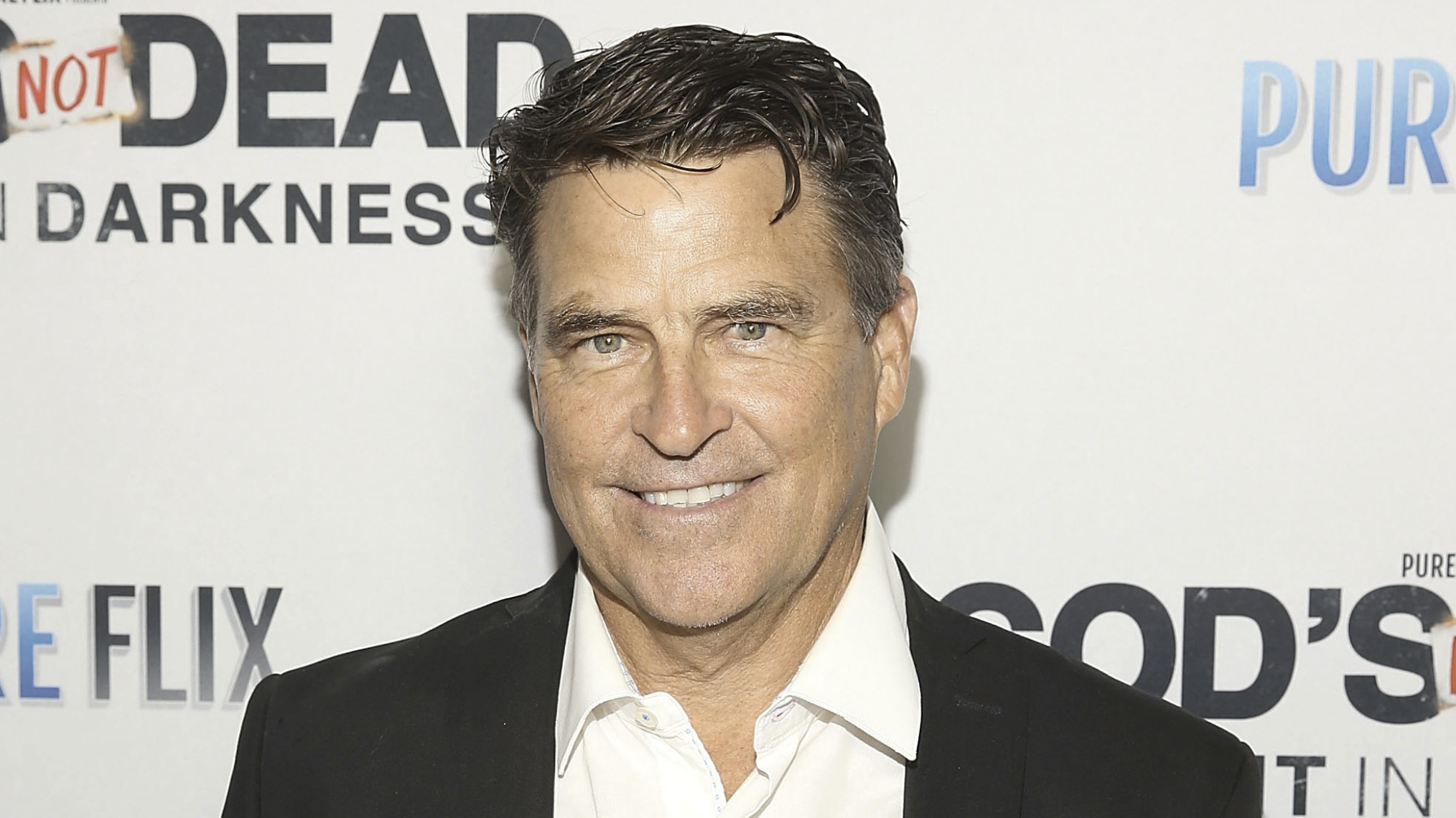
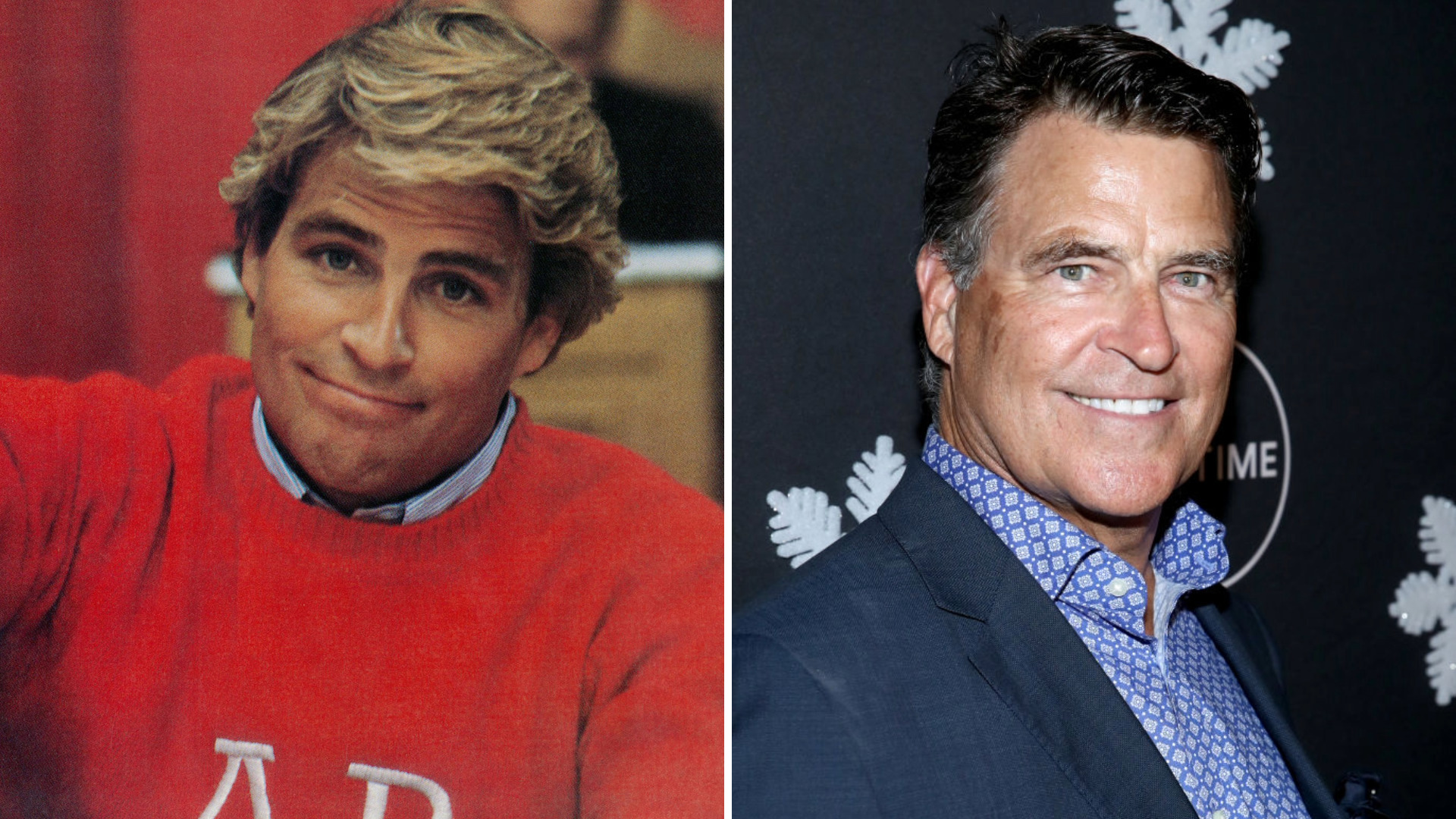
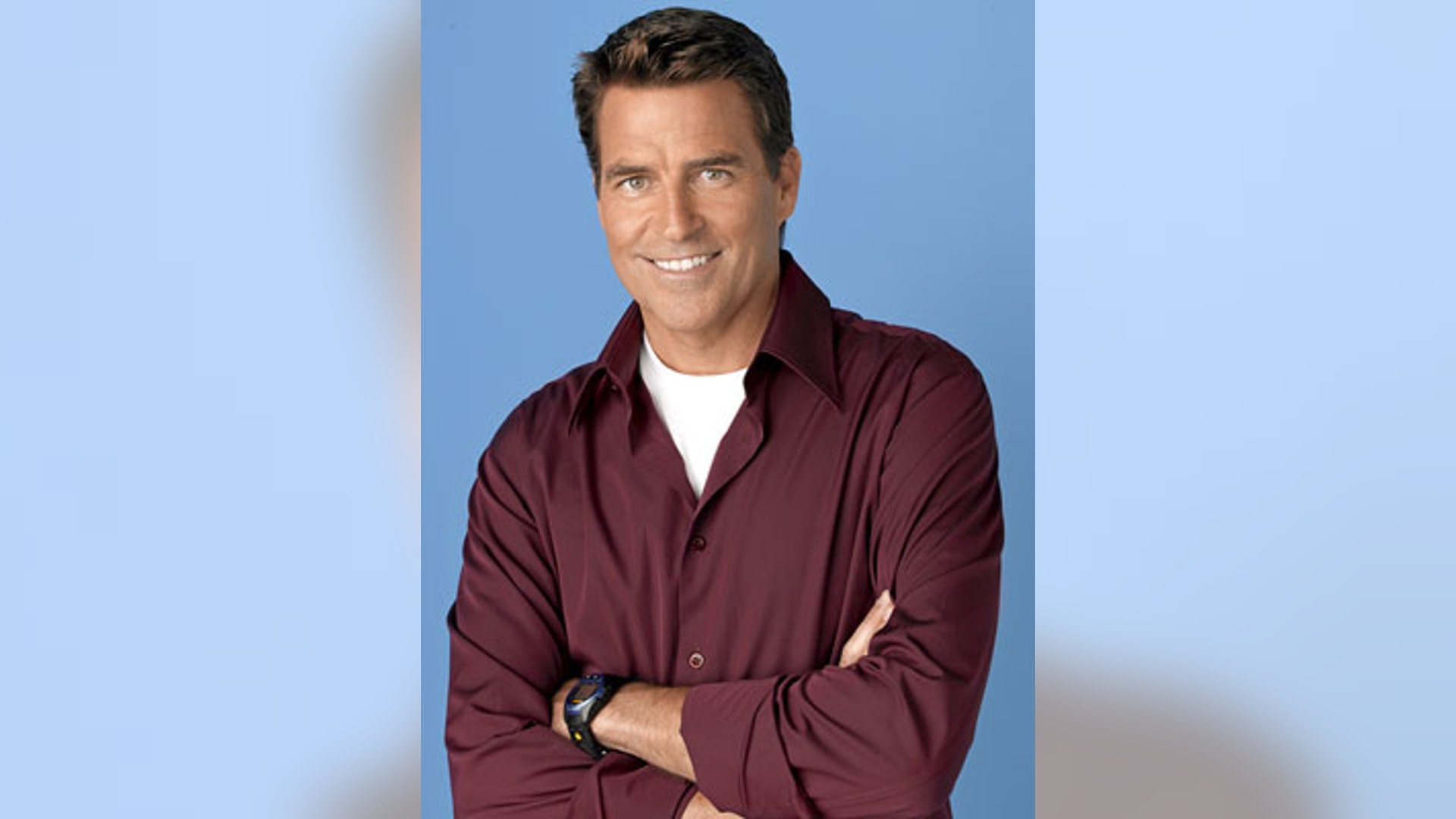
Ted McGinley played the pivotal role of Stan Gable in the 1984 cult classic Revenge of the Nerds. As the primary antagonist and president of the Alpha Beta fraternity, McGinley’s portrayal established the "arrogant jock" archetype that dominated 1980s cinema, serving as the ultimate foil to the underdog protagonists, Lewis Skolnick and Gilbert Lowe.
Contents
In the landscape of 1980s teen comedies, few characters are as recognizable or as effectively loathsome as Stan Gable. When Revenge of the Nerds debuted on July 20, 1984, it tapped into a burgeoning cultural fascination with the "underdog vs. the establishment" narrative. Ted McGinley, fresh off his success on television, was cast to provide the physical and social antithesis to the "nerd" lifestyle. His performance was not merely a caricature; it was a calculated embodiment of institutionalized bullying and fraternity elitism that made the eventual triumph of the Tri-Lambs all the more satisfying for audiences.
The Architect of the Alpha Betas: Who Was Stan Gable?
Stan Gable was designed to be the physical personification of everything the nerds were not. As the quarterback of the Adams College football team and the head of the most prestigious fraternity on campus, Gable commanded respect through fear, athletic prowess, and a rigid adherence to social hierarchy. In the context of 1984, Gable represented the "Old Guard"—a segment of society that felt entitled to power based on physical genetics and traditional popularity.
McGinley’s performance brought a specific type of cold, calculated charisma to the screen. Unlike "meathead" villains who were purely muscle and no intellect, Stan Gable was socially savvy. He knew how to manipulate the college administration, particularly Dean Ulich and Coach Harris, to ensure the Alpha Betas remained at the top of the food chain. His disdain for the nerds wasn't just about their lack of athletic skill; it was an ideological battle. To Gable, the nerds represented a threat to the natural order he sat atop.
The character's impact is largely due to McGinley's ability to play the role with a straight face. He didn't wink at the camera or play Gable as a buffoon. He played him as a man who genuinely believed he was doing the world a favor by keeping the "lower classes" of the campus in their place. This commitment to the character’s ego made him one of the most effective villains of the decade.
Casting the Perfect Antagonist: Ted McGinley’s Transition to Film
Before landing the role of Stan Gable, Ted McGinley was already a household name due to his work on the hit sitcom Happy Days, where he played Roger Phillips. However, Revenge of the Nerds required a different energy. The casting directors needed someone who looked like they stepped off a Wheaties box but possessed the capacity for believable cruelty.
McGinley’s real-life background played a significant role in his suitability for the part. He was a champion water polo player at the University of Southern California (USC) and had even been a member of a fraternity (Sigma Chi) in real life. This firsthand experience with Greek life and high-level athletics gave him an authentic "alpha" posture. He understood the nuances of locker room talk, the swagger of a varsity athlete, and the specific brand of confidence that comes from being the "big man on campus."
His transition from the wholesome Roger Phillips to the antagonistic Stan Gable showcased McGinley's range. It also marked the beginning of his status as a "pro actor" who could step into established dynamics and immediately improve them. While some critics later joked about the "Ted McGinley Effect"—the idea that he was brought into shows to save them or that he signaled their end—his work in Revenge of the Nerds was a foundational success that proved he could carry a major film role with professional precision.
The Narrative Rivalry: Nerds vs. Alpha Betas
The conflict between Stan Gable and the nerds is the engine that drives the entire plot of the 1984 film. This was not a simple misunderstanding; it was a systematic campaign of harassment led by Gable. From the moment the Alpha Betas burned down their own house and forcibly evicted the freshmen from the dormitory, Gable was the mastermind behind the nerds' suffering.
Key moments that defined McGinley’s role include:
- The Homecoming Carnival: The strategic sabotage and the subsequent shock when the nerds outperformed the athletes through ingenuity.
- The Panty Raid: While the nerds are often criticized by modern standards for this scene, in the narrative of 1984, it was a direct escalation of the war Gable started.
- The Musical Finale: Gable’s visible frustration during the "Lambda Lambda Lambda" musical performance remains a highlight of the film. His inability to comprehend how the nerds could win over the crowd signaled the end of his era of dominance.
By the end of the film, Stan Gable’s defeat is absolute. He is not just beaten in a game; he is socially dethroned. This narrative arc was essential for the "revenge" aspect of the title to feel earned. Without a villain as polished and formidable as McGinley’s Gable, the nerds' victory would have felt hollow.
Stan Gable’s Arc Through the Revenge of the Nerds Franchise
One of the most interesting aspects of Ted McGinley's involvement with the franchise is how his character evolved in the sequels. Many actors avoid returning for sequels to teen comedies, but McGinley embraced the legacy of Stan Gable, appearing in two of the three follow-up films.
In Revenge of the Nerds III: The Next Generation (1992), we see a transformed Stan Gable. He is no longer the campus kingpin but has become the Dean of Adams College. This role reversal is brilliant: the former bully is now the institutional authority figure. However, the film takes a surprising turn by giving Gable a redemption arc. By the end of the third installment, Gable realizes the error of his ways and actually joins the side of the nerds, admitting that he was wrong to hold onto his old prejudices.
McGinley returned once more for Revenge of the Nerds IV: Nerds in Love (1994). His willingness to play both the villain and the reformed ally helped maintain a sense of continuity for the franchise. It also allowed McGinley to showcase a more comedic, self-deprecating side of the character that wasn't present in the 1984 original.
Comparative Analysis of 80s Movie Villains
To understand the impact of Ted McGinley in Revenge of the Nerds, it is helpful to compare Stan Gable to other iconic antagonists from the same era. Gable was part of a specific trend of "Preppy Villains" who used social status as a weapon.
| Villain Name | Movie | Actor | Primary Archetype | Fate |
|---|---|---|---|---|
| Stan Gable | Revenge of the Nerds | Ted McGinley | The Alpha Athlete | Public Humiliation / Later Redemption |
| Biff Tannen | Back to the Future | Thomas F. Wilson | The Brute/Bully | Comedic Defeat / Time-loop Punishment |
| Steff McKee | Pretty in Pink | James Spader | The Wealthy Elitist | Social Rejection |
| Chet Donnelly | Weird Science | Bill Paxton | The Tyrannical Brother | Physical Transformation / Humiliation |
| Johnny Lawrence | The Karate Kid | William Zabka | The Trained Martial Artist | Defeat in Competition / Respect |
As seen in the table, Stan Gable differs from Biff Tannen in his level of social sophistication. While Biff was a "thug," Gable was the "Golden Boy." McGinley's portrayal was more dangerous because Gable had the backing of the system—the school, the coach, and the "cool" kids. This made his eventual downfall much more significant in the context of 1980s social commentary.
Technical Production and the Cultural Climate of 1984
The production of Revenge of the Nerds took place primarily at the University of Arizona. Ted McGinley and the rest of the cast had to navigate a filming environment that mirrored the themes of the movie. The actors playing the nerds often stayed in character, and McGinley, as the lead Alpha Beta, maintained a certain level of professional distance to keep the onscreen tension believable.
Director Jeff Kanew wanted the Alpha Betas to feel like a "wall of muscle." McGinley, standing at 6'0" with a lean, athletic build, was the perfect centerpiece for this visual. The costume design for Gable—often involving letterman sweaters, pastel polos, and impeccably groomed hair—was a deliberate choice to signal his high-class status.
From a technical standpoint, McGinley’s performance is notable for its restraint. Comedy villains often "chew the scenery," but McGinley played Gable with a coldness that made the character feel more real. This realism is why Stan Gable remains the gold standard for fraternity villains even decades later. In 2026, as we look back at the 42-year history of the film, his performance stands as a masterclass in playing the "man you love to hate."
The Legacy of Ted McGinley’s Performance
Ted McGinley’s role in Revenge of the Nerds did more than just provide a villain for a movie; it defined a career. While he went on to have massive success in Married... with Children as Jefferson D'Arcy and in The West Wing as Mark Gottfried, Stan Gable remains one of his most discussed roles.
The legacy of the character is seen in how modern comedies approach the "jock" trope. Every time a movie features an arrogant fraternity leader, they are essentially walking in the footsteps of Stan Gable. McGinley’s ability to balance athletic intensity with comedic timing allowed the film to transcend its "B-movie" roots and become a piece of American cultural history.
Furthermore, the character of Stan Gable has been analyzed in academic circles regarding its depiction of 1980s masculinity. Gable represents the "Hyper-Masculine" ideal that the film eventually deconstructs. By showing Gable's vulnerability and his ultimate defeat at the hands of those he deemed "lesser," the film—and McGinley’s performance—offered a critique of the very social structures it depicted.
Frequently Asked Questions
Was Ted McGinley actually an athlete before filming?
Yes. Ted McGinley was an accomplished athlete before his acting career took off. He attended USC on a water polo scholarship and was a star player for the university. This athletic background was instrumental in his casting as Stan Gable, as he possessed the natural physique and competitive mindset required for the leader of the Alpha Betas.
Did Ted McGinley appear in all the Revenge of the Nerds sequels?
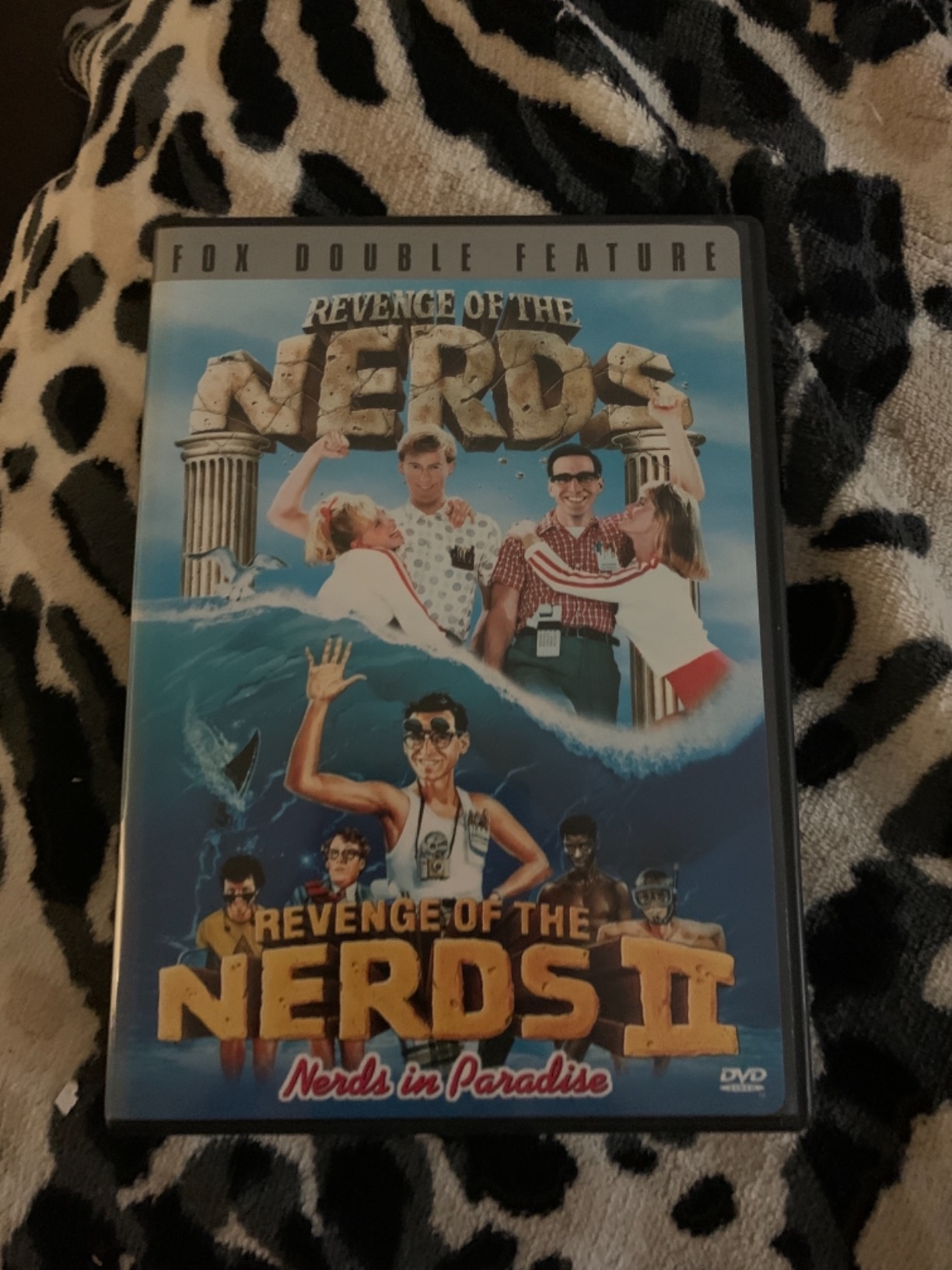
No, he did not appear in all of them. He played Stan Gable in the original Revenge of the Nerds (1984), Revenge of the Nerds III: The Next Generation (1992), and Revenge of the Nerds IV: Nerds in Love (1994). He was absent from the second film, Revenge of the Nerds II: Nerds in Paradise (1987).
How did the role of Stan Gable change in the third movie?
In Revenge of the Nerds III, the character of Stan Gable undergoes a significant transformation. He starts the film as the Dean of Adams College and remains an antagonist initially. However, through the course of the story, he realizes that the Alpha Betas of the new generation have become too cruel and that the nerds actually represent the values of the school better. He eventually sides with the Tri-Lambs, providing a rare "redemption arc" for an 80s movie villain.
What is the "Ted McGinley Effect" and does it apply here?
The "Ted McGinley Effect" is a tongue-in-cheek internet theory that McGinley joining a show (like Happy Days or The Love Boat) happens right before the show’s decline. However, this does not apply to Revenge of the Nerds. In this case, McGinley was part of the original cast of a highly successful film that launched a massive franchise. If anything, his presence helped establish the "gold standard" for the series.
Where was the Alpha Beta house located during filming?
The scenes for the Alpha Beta house and the Adams College campus were primarily filmed on location at the University of Arizona in Tucson. The production utilized real fraternity houses and campus buildings to give the movie an authentic collegiate atmosphere.
Final Recommendation: Re-evaluating the Alpha Beta Legacy
For those interested in film history or the evolution of the American comedy, a re-watch of the original 1984 Revenge of the Nerds is essential. Pay close attention to Ted McGinley’s physical acting; his posture, the way he wears his varsity jacket, and his dismissive facial expressions are a masterclass in character work.
To see the full range of the character, it is also recommended to view Revenge of the Nerds III, which provides a fascinating look at how an 80s villain can be updated for a 90s audience. Ted McGinley’s Stan Gable remains a cornerstone of the "jocks vs. nerds" subgenre, and his performance continues to be the benchmark by which all other cinematic fraternity leaders are measured.
Image Gallery