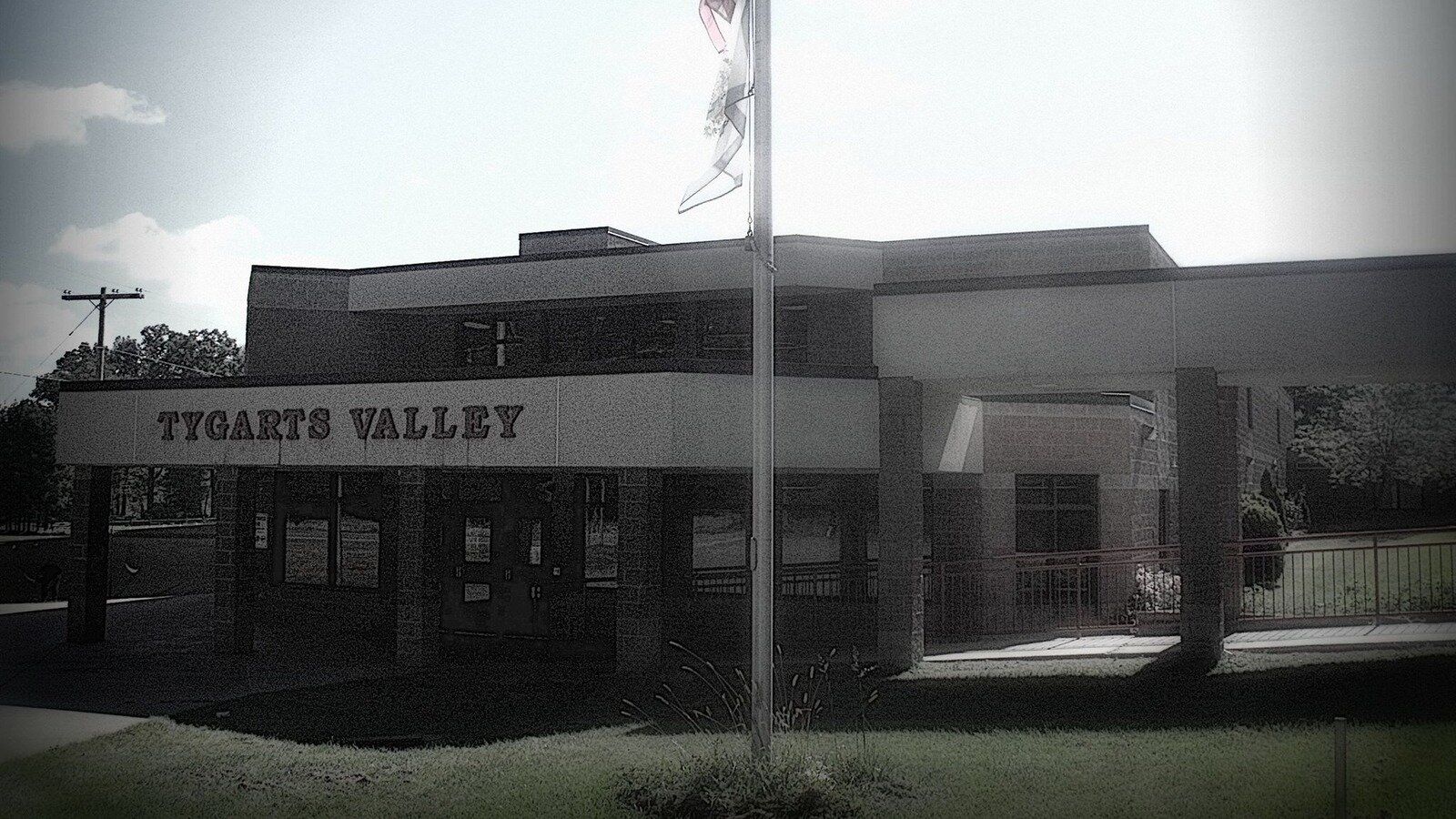
Tygart Valley Jail and Regional Correctional Facility Guide
Tygart Valley Regional Jail is a secure correctional facility located in Belington, Barbour County, West Virginia, operating under the jurisdiction of the West Virginia Division of Corrections and Rehabilitation. It serves multiple cou...
Tygart Valley Regional Jail is a secure correctional facility located in Belington, Barbour County, West Virginia, operating under the jurisdiction of the West Virginia Division of Corrections and Rehabilitation. It serves multiple counties in the region, housing pretrial detainees and convicted offenders, and manages intake, classification, and inmate visitation protocols.
Contents
Understanding the Tygart Valley Regional Facility Operations
The Tygart Valley Regional Jail (TVRJ) is part of a centralized state correctional network designed to manage adult offenders within Barbour, Randolph, Taylor, and Tucker counties, though commitments can extend based on judicial district requirements and overcrowding reallocations. Opened to centralize regional incarcerations and relieve local municipal lockups, the facility handles individuals awaiting trial, those undergoing court-mandated evaluations, and offenders serving short-term misdemeanor sentences or awaiting transfer to state prison facilities.
Operating a secure detention facility requires strict adherence to constitutional standards, safety protocols, and operational transparency. The administrative structure ensures that every incarcerated individual is processed efficiently through booking, medical screening, classification, and housing assignment. Understanding these underlying processes helps family members, legal counsel, and community stakeholders navigate the complex systems governing correctional institutions in West Virginia.
Facility Jurisdiction and Regional Coverage
The facility primarily supports the judicial systems of North-Central West Virginia. While its physical footprint is in Barbour County, it acts as a holding hub for multiple neighboring jurisdictions.
- Primary Counties Served: Barbour, Randolph, Taylor, and Tucker counties.
- Law Enforcement Interaction: Local municipal police departments, county sheriff offices, and the West Virginia State Police utilize the facility for housing arrestees.
- Judicial Coordination: Closely linked with the circuit and magistrate courts of the respective counties for arraignments, video hearings, and trial transports.
- State Oversight: Managed centrally by the West Virginia Division of Corrections and Rehabilitation (WVDCR) in Charleston, ensuring uniform policy application across regional jails.
Intake, Booking, and Classification Procedures
When an individual enters Tygart Valley Regional Jail, they undergo a rigorous intake procedure designed to establish identity, document legal status, and evaluate immediate physical and mental health needs.
- Arrest and Arrival: Law enforcement officers deliver the detainee along with proper commitment papers, warrants, or court orders.
- Booking and Fingerprinting: Digital fingerprinting, photographs (mugshots), and demographic data entry into the statewide inmate management database.
- Medical and Mental Health Screening: Nurses conduct initial triage to identify acute medical conditions, substance withdrawal risks, injury, or suicide ideation.
- Classification Assignment: Based on charges, criminal history, gang affiliations, and behavioral risks, inmates are assigned specific custody levels and housing units to maintain institutional security.
Inmate Communication, Visitation, and Commissary Services
Maintaining contact with the outside world is a critical component of rehabilitation and maintaining mental well-being during incarceration. Tygart Valley Regional Jail enforces structured policies regarding how family members and friends can communicate with, deposit funds for, and visit inmates.
Communication channels are heavily digitized through third-party vendor contracts, which govern phone calls, video visitations, and electronic messaging. It is essential to register through the designated state-approved telecommunications provider to fund accounts and schedule sessions.
Visitation Guidelines and Scheduling
Visitation rules are strictly enforced to ensure the safety of staff, inmates, and visitors. Failure to follow dress codes or identification requirements results in immediate cancellation of visiting privileges.
- Identification Requirements: All adult visitors must present a valid, government-issued photo identification (Driver's License, State ID, or Passport).
- Scheduling: Visits typically require advance online scheduling through the facility's contracted visitation platform. Walk-in visits are generally not permitted.
- Dress Code: Modest attire is mandatory. Clothing depicting violence, drugs, explicit language, or gang symbols, as well as excessively revealing clothing, is strictly prohibited.
- Minors: Minor children must be accompanied by a parent or legal guardian at all times during the visit.
Funding Accounts, Commissary, and Phone Services
Inmates rely on commissary accounts to purchase hygiene products, stationery, snacks, and extra clothing items not provided by the state. Family members can deposit funds using specific authorized channels.
- Deposit Methods: Funds can be added via online portals, telephone payment systems, or lobby kiosks located at the facility.
- Phone System: Inmates cannot receive incoming calls. They may make outgoing collect calls or use prepaid debit accounts established by family members through approved telecom providers.
- Mail Delivery: All incoming personal mail must be sent through the proper designated processing address (often a centralized mail-scanning facility used by state systems) to prevent the introduction of contraband.
Legal Rights, Medical Care, and Facility Regulations
Incarcerated individuals retain specific constitutional rights while housed at Tygart Valley Regional Jail, balanced against the institution's security demands. Understanding the framework for legal representation, healthcare access, and grievance procedures is vital for detainees and their advocates.
Medical care is provided on-site through contracted correctional healthcare providers. While acute and emergency needs are met immediately, specialized treatments often require complex transport logistics and security clearances.
Healthcare Services and Medical Requests
The facility maintains medical staff around the clock to manage chronic illnesses, emergency interventions, and routine clinical needs.
- Sick Call Requests: Inmates must submit written sick call requests through institutional channels to be evaluated by nursing or medical staff.
- Medications: Prescription medications are administered directly by medical personnel. Inmates are not permitted to keep personal medications in their housing units.
- Emergency Protocols: If an inmate experiences a severe medical crisis, correctional staff initiate emergency response protocols, including transport to local hospitals such as Davis Health System or Broaddus Hospital depending on acuity.
Legal Representation and Court Appearances
Access to legal counsel is a protected right. Inmates have mechanisms to meet with attorneys and review discovery materials.
- Attorney Visits: Legal counsel may visit clients during designated legal visitation hours, which often differ from general public visitation schedules.
- Video Court: Many preliminary hearings, arraignments, and bond reviews are conducted via secure video conferencing systems directly from the jail to local courtrooms.
- Confidential Communication: Legal mail is opened in the presence of the inmate to verify its legal nature while preserving attorney-client privilege.
Operational Comparison: Regional Jails vs. State Prisons
Navigating the West Virginia correctional landscape requires understanding the fundamental differences between regional jails like Tygart Valley and long-term state correctional facilities.
| Feature / Metric | Tygart Valley Regional Jail | West Virginia State Prisons |
|---|---|---|
| Primary Population | Pretrial detainees, municipal holds, short-term misdemeanants | Convicted felons serving long-term sentences |
| Average Stay | Days to several months (pending trial or sentencing) | Years to life |
| Programs Offered | Basic life skills, limited religious services, basic recreation | Extensive vocational training, educational degrees, substance abuse therapeutic communities |
| Facility Security | Medium-to-maximum security intake and holding environment | Varies from minimum security work camps to maximum security compounds |
| Jurisdiction | WVDCR Regional Jail Division | WVDCR Corrections Division |
Frequently Asked Questions
How do I find out if someone is currently housed at Tygart Valley Regional Jail?
You can search the official West Virginia Division of Corrections and Rehabilitation inmate locator online tool by entering the individual's first and last name. This database provides current housing status, booking details, and tentative bond or court information.
What are the accepted methods for putting money on an inmate's books?
Funds can be deposited into an inmate's commissary account through the designated third-party vendor online portal, by calling their automated phone system, or by utilizing the cash and credit kiosk located in the facility's public lobby. Personal checks and cash mailed directly to the facility are not accepted.
Are children allowed to visit inmates at Tygart Valley?
Yes, minor children are generally permitted to visit, but they must be accompanied and supervised at all times by an adult parent or legal guardian who is on the inmate's approved visitor list. Guardians must bring a birth certificate or legal documentation proving guardianship if requested.
How can an attorney schedule a legal visit with a client?
Attorneys or their authorized investigators should contact the facility's administration or scheduling department directly to verify legal visitation hours and secure appropriate clearance. Presentation of valid bar credentials and photo identification is required upon arrival.
What happens to personal property taken during booking?
Non-contraband personal property taken during the booking process is inventoried, securely stored in the facility's property room, and returned to the individual upon their release, or transferred according to proper legal authorization if they are moved to a long-term state facility.
Conclusion and Administrative Contact
Navigating the operations of a secure detention center requires patience and strict adherence to facility guidelines. Whether arranging visitation, managing communication accounts, or monitoring legal proceedings, staying informed ensures smoother interactions with the system. For the most up-to-date visiting hours, policy updates, and procedural changes, consult the official West Virginia Division of Corrections and Rehabilitation portal or contact the Tygart Valley Regional Jail administrative offices directly in Belington, West Virginia.
Image Gallery