Mastering APA Style via the Online Writing Lab: A 2026 Comprehensive Guide
The Online Writing Lab (OWL) is an indispensable digital resource for scholars, students, and professionals seeking to master the American Psychological Association (APA) style. It provides authoritative guidance on structural formatti...
The Online Writing Lab (OWL) is an indispensable digital resource for scholars, students, and professionals seeking to master the American Psychological Association (APA) style. It provides authoritative guidance on structural formatting, citation protocols, and grammatical standards necessary for academic integrity and clarity, ensuring your manuscripts meet the rigorous requirements of modern scholarly publication.
Contents
Understanding the Role of OWL in Academic Writing
The concept of an "online writing lab" primarily finds its definitive expression through the Purdue Online Writing Lab (Purdue OWL), which remains the global gold standard for referencing academic style guides. As of 2026, navigating the complexities of the 7th edition of the APA Publication Manual is a prerequisite for high-stakes research. The lab functions not merely as a reference site but as a pedagogical tool designed to standardize how writers attribute intellectual property and organize technical documentation.
By utilizing these resources, researchers minimize common errors that lead to manuscript rejection, such as improper DOI formatting, inconsistent in-text citation placement, and failing to adhere to the strict mechanical requirements for tables and figures.
Core Components of APA Formatting Standards
Adherence to APA style requires meticulous attention to the "Big Three" pillars: the title page, the main body (including headings and in-text citations), and the reference list. The 2026 standards continue to emphasize digital-first documentation, requiring precise extraction of metadata from online sources.
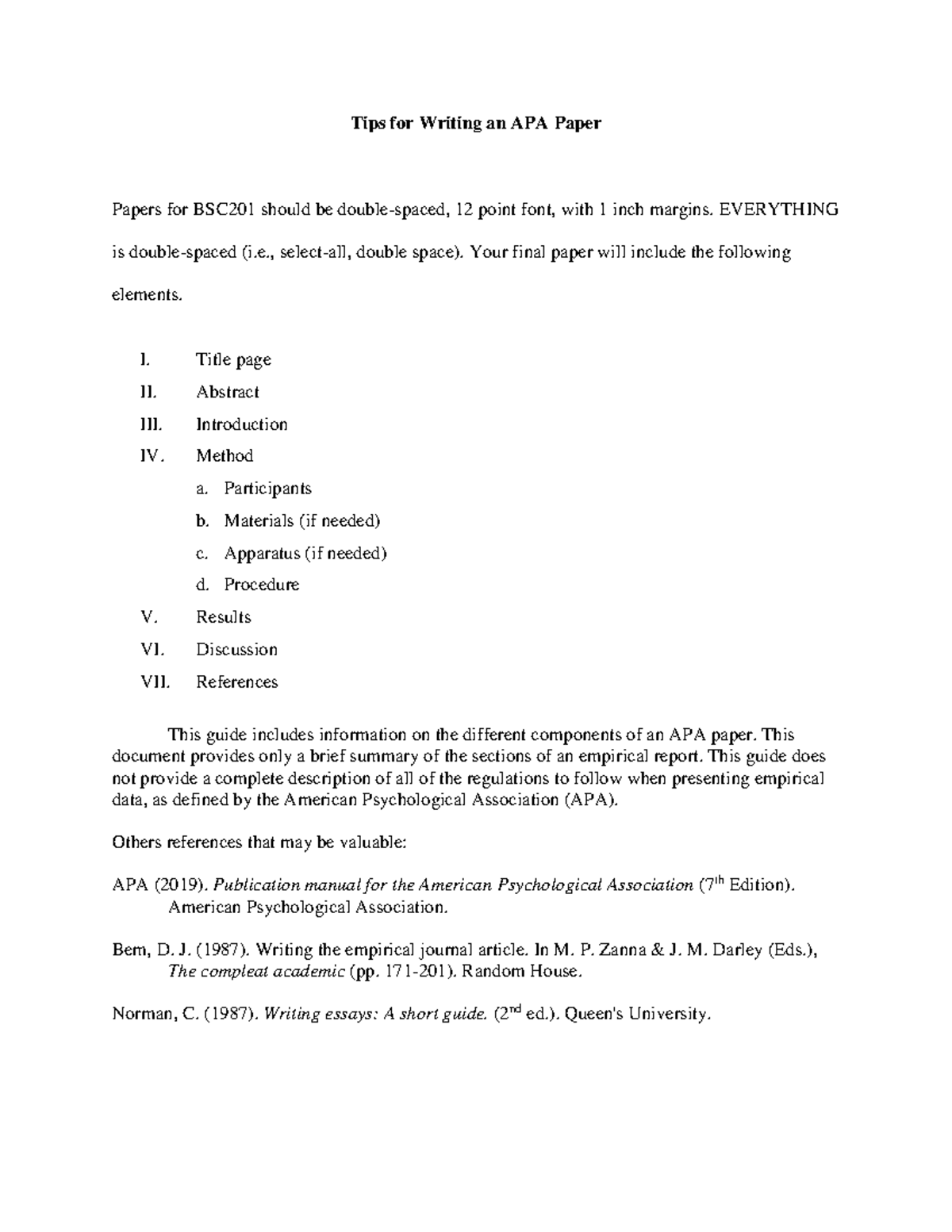
- Document Setup: Use 1-inch margins on all sides, double-spacing throughout, and a standard font such as Calibri (11 pt), Arial (11 pt), or Times New Roman (12 pt).
- In-Text Citations: APA utilizes an author-date system. For direct quotations, you must include the page number or paragraph number if the source lacks pagination.
- Reference List Integrity: Every entry must contain four core elements: Author, Date, Title, and Source. In 2026, the inclusion of digital identifiers remains the most critical aspect of bibliographic accuracy.
Comparative Analysis of Citation Styles
Understanding why APA is chosen over other formats is essential for structural planning. APA is specifically optimized for social sciences, business, and health-related disciplines where the currency of the research (the date) is as important as the source itself.
| Feature | APA (7th Ed.) | MLA (9th Ed.) | Chicago (17th Ed.) |
|---|---|---|---|
| Primary Use | Social Sciences/Health | Humanities/Literature | History/Arts |
| In-Text Format | Author, Year | Author, Page | Footnotes/Endnotes |
| Title Page | Mandatory (Strict) | Optional (Instructor preference) | Mandatory |
| Date Emphasis | High (Primary focus) | Low (Secondary focus) | Moderate (Variable) |
Step-by-Step Execution: Formatting Your APA Document
To ensure your document aligns with the current academic expectations, follow this systematic workflow when utilizing OWL resources to finalize your paper.
- Configure Document Metadata: Start with the header. Insert the page number in the top right corner. Ensure your running head (if required for professional papers) conforms to the 50-character limit including spaces.
- Organize Hierarchical Headings: Use APA Level 1 through Level 5 headings to delineate your research progression. This improves scannability for peer reviewers.
- Validate Source Material: Cross-reference your citations against the OWL database. Ensure that if you are citing a journal article, you are pulling the most recent Digital Object Identifier (DOI).
- Final Polish: Perform a visual check of your Reference List. APA requires a hanging indent for every entry. Ensure alphabetical order by the first author's surname.
Common Pitfalls and Troubleshooting Strategies
Even experienced writers encounter difficulties when adapting to updated style requirements. The most frequent errors involve the nuances of "et al." usage and the formatting of secondary sources.
Avoiding Citation Inconsistency
The Et Al. Rule: In the 7th edition, you must use "et al." from the very first citation for works with three or more authors. Do not list all authors unless it is necessary for ambiguity resolution.
Secondary Source Handling: If you find a quote you wish to use that is already cited in another work, you must cite the secondary source in your reference list and use the phrase "as cited in" within your in-text citation.
Essential Resources for Research Integrity
To maintain compliance with the 2026 standards, writers should bookmark the official APA Style Blog and the Purdue OWL portal. These platforms provide real-time updates regarding how to cite emerging AI-generated content and evolving digital repositories—two areas where academic standards have shifted significantly in recent years.
- AI-Generated Content: Always verify the specific university or journal policy on disclosing the use of Large Language Models (LLMs). APA provides specific guidance on documenting these tools in the "Software" or "Communication" categories.
- Database Archiving: Ensure that if you retrieve an article from a proprietary database, you do not include the database name unless it is an archival source that is not available elsewhere.
Frequently Asked Questions
What is the most common error in APA formatting? The most common error is the improper application of the hanging indent in the reference list and failing to use "et al." for sources with three or more authors. Ensuring these two mechanical elements are correct significantly improves the professional appearance of any manuscript.
Does the 2026 APA standard require a running head for student papers? Generally, no. APA 7th edition guidelines state that student papers do not require a running head unless specifically requested by an instructor. Professional papers, however, must include the running head on every page.
How do I cite an online source that has no date? If a source lacks a publication date, use "n.d." (meaning "no date") in the parentheses where the date would typically go. Always prioritize finding a retrieval date only if the content is expected to change frequently over time, such as a wiki page.
Can I use a citation generator instead of the OWL manual? Citation generators are useful tools for speed but are prone to metadata errors. You should always use the OWL manual as your primary authority to verify the output generated by automated tools to ensure total compliance with 2026 academic standards.
Are there specific rules for citing social media in APA? Yes. You must include the author's real name and screen name, the date, the first 20 words of the post, and a URL. This reflects the increasing reliance on non-traditional media as primary source material in current academic research.
Expert Recommendations for Scholarly Success
To succeed in your academic writing, do not treat the Online Writing Lab as a shortcut, but as a framework for critical thinking. The rules exist to facilitate the rapid dissemination of knowledge by ensuring that every reader—regardless of their discipline—can verify your sources with precision. By integrating these practices into your drafting process rather than leaving them for a final edit, you produce higher-quality, more authoritative work. Commit to the 2026 standards today to ensure your research remains relevant and defensible in a competitive academic landscape.
Image Gallery