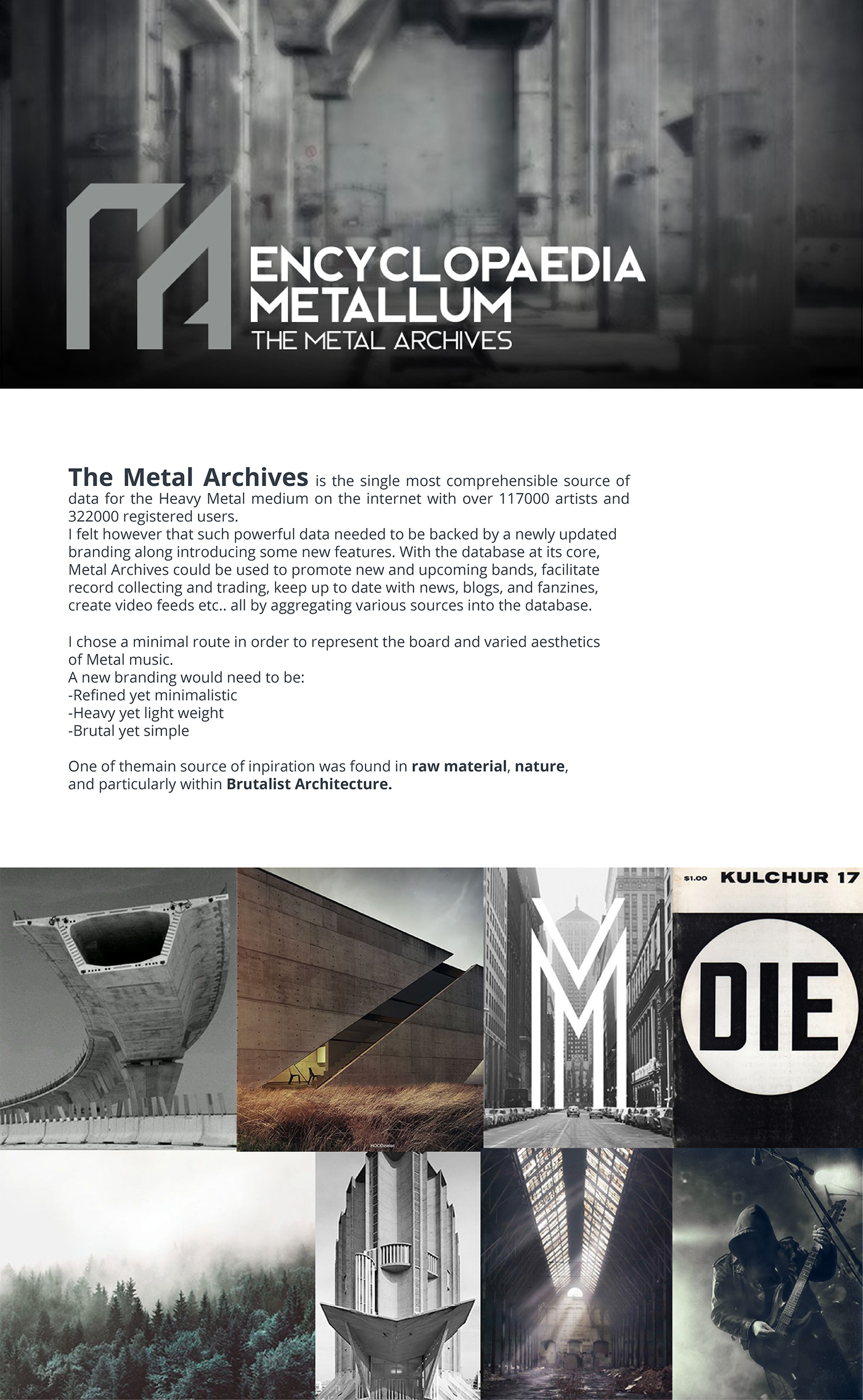
The Complete Guide to Metal Archives in 2026: Navigating Encyclopedia Metallum
Encyclopedia Metallum, widely known as Metal Archives, is the world's most comprehensive and authoritative database dedicated exclusively to the heavy metal music genre. Functioning as a community-driven repository, it provides exhaust...
Encyclopedia Metallum, widely known as Metal Archives, is the world's most comprehensive and authoritative database dedicated exclusively to the heavy metal music genre. Functioning as a community-driven repository, it provides exhaustive data on over 185,000 bands, including detailed discographies, artist lineups, lyrical themes, and critical reviews. In 2026, it remains the definitive gold standard for researchers, musicians, and fans seeking verified information within the metal subculture.
Contents
The Evolution and Cultural Significance of Encyclopedia Metallum
Since its inception in 2002, Metal Archives has transitioned from a niche hobbyist project into a massive digital library that rivals professional academic archives. Its primary value lies in its rigid adherence to genre definitions and its commitment to data accuracy. Unlike broader databases such as Discogs or Rate Your Music, Metal Archives focuses solely on the "metalness" of a band, creating a specialized environment that prioritizes depth over breadth.
As of 2026, the site has cataloged nearly a quarter-century of heavy metal evolution. It serves as a historical record for thousands of "underground" bands that might otherwise be lost to time. The platform’s influence is so pervasive that being "accepted" onto the Archives is often viewed by independent bands as a rite of passage, signaling their legitimacy within the global metal community.
Understanding Inclusion Criteria: The Gatekeeping Mechanism
The most discussed aspect of Metal Archives is its strict inclusion policy. The moderation team maintains high standards for what constitutes "metal," which frequently leads to debates regarding subgenres like metalcore, nu-metal, and hard rock. To be included in the database, a band must demonstrate significant metal characteristics in their music, regardless of their aesthetic or cultural associations.
Defining Metal Status
The core requirement for a band’s inclusion is the presence of heavy metal riffs and song structures. While the archives have historically excluded most pure nu-metal and hardcore punk bands, they allow for "hybrid" bands that incorporate enough traditional or extreme metal elements to meet the moderation threshold.
The Ambiguity of Industrial and Avant-Garde
For bands operating in experimental or industrial spaces, the moderators look for the usage of metal-specific instrumentation and composition. Bands that rely entirely on electronic production without metal guitar frameworks are generally excluded, ensuring the database remains focused on the genre's fundamental roots.
Advanced Data Navigation and Technical Specifications
For the power user in 2026, Metal Archives offers sophisticated search tools that allow for granular data mining. This is particularly useful for journalists and label owners looking for specific trends within the scene.
- Advanced Search Filters: Users can filter bands by country, status (active, split-up, on hold, changed name), year of formation, and lyrical themes.
- Lyrical Themes Database: This unique feature allows users to search for bands based on their subject matter, from historical events and mythology to social issues and philosophy.
- Member History Tracking: The site tracks individual musicians across multiple bands, creating a complex web of "side projects" and historical lineups.
- Label and Studio Directories: Beyond bands, the platform archives record labels and recording studios, providing a holistic view of the industry's infrastructure.
Comparison of Major Music Databases in 2026
While many platforms track music data, Encyclopedia Metallum offers a level of specialization that generalist sites cannot match. The following table highlights the differences between the leading platforms for heavy music documentation.
| Feature | Metal Archives | Discogs | Rate Your Music (RYM) |
|---|---|---|---|
| Genre Focus | Strictly Heavy Metal | All Music Genres | All Music Genres |
| Moderation Level | Very High (Staff Approval) | Low (User Submissions) | Medium (Community Voting) |
| Lineup Data | Detailed Historical Records | Basic Credits | Variable |
| Review Integrity | High (Strict Guidelines) | N/A (Marketplace Focus) | Subjective / Variable |
| Lyrical Content | Comprehensive Database | Generally Not Included | Not Included |
| 2026 Status | Active / Authoritative | Active / Commercial | Active / Social-Focused |
The Role of Reviews and Community Discourse
The review system on Metal Archives is distinct because it prohibits "fanboyism" or low-effort commentary. Each review is manually screened by moderators to ensure it provides a constructive, well-written analysis of the music. This has created a culture where high-ranking reviews are respected as legitimate music criticism.
In 2026, the review scoring system continues to influence a band's perceived legacy. A "classic" album with a 90% average over 20 reviews carries significant weight. Conversely, the community is known for its brutal honesty; high-profile releases from major bands are often subjected to intense scrutiny, preventing the "hype cycles" often seen in mainstream music journalism.
Contribution Workflow: How to Add a Band in 2026
Adding a band to Encyclopedia Metallum is a meticulous process that requires proof of a physical or legitimate digital release. In 2026, the process remains rigorous to prevent the database from being cluttered with "bedroom projects" that have no recorded output.
- Account Eligibility: You must have a registered account. New accounts may have certain restrictions on submission frequency to prevent spam.
- Verify Metal Status: Before submitting, you must ensure the band meets the musical criteria. Reviewing the "Blacklist" or "Rejected" lists is essential to avoid duplicate submissions of bands already deemed non-metal.
- Discography Details: You must provide complete information for at least one release. This includes the title, type (Full-length, EP, Demo), release date, and label.
- Providing Evidence: For obscure or new bands, you must provide links to streaming platforms (Bandcamp, YouTube, Spotify) where the moderators can hear the music to verify the genre.
- Moderator Review: Once submitted, the band enters a queue. A moderator will listen to the music and check the data. This process can take anywhere from a few hours to several days depending on the current backlog.
The Technical Infrastructure and User Experience
While the interface of Metal Archives has famously retained its "web 2.0" aesthetic, the underlying infrastructure in 2026 has been optimized for modern security and mobile accessibility. The site avoids heavy JavaScript and intrusive advertising, prioritizing speed and information density.
For developers and data scientists, the "unofficial" APIs and scraping tools developed by the community allow for large-scale analysis of metal trends. This data has been used in academic papers studying the sociology of music and the geographical spread of subcultures. Despite the lack of an official mobile app, the responsive design of the website ensures that it remains the primary "at-the-show" reference tool for fans checking a band's discography on their phones.
Frequently Asked Questions
Why is my favorite band not listed on Metal Archives?
The most common reason is that the band does not meet the site’s specific definition of heavy metal. Many popular "heavy" bands in the nu-metal, metalcore, or hard rock genres are excluded because their song structures are rooted in other genres like hardcore punk or alternative rock rather than traditional metal.
Can I edit information on the site?
Yes, registered users can propose edits to band pages, artist lineups, and discographies. However, every change is tracked, and significant edits are reviewed by the moderation team or "vetted" users to maintain data integrity.
How are the lyrical themes determined?
Lyrical themes are submitted by users based on the actual lyrics provided in album booklets or official sources. If a band’s lyrics are unintelligible and no official transcripts exist, the "Lyrical Themes" section may remain "Unknown" or be based on the band's own descriptions.
What happens if a band changes its style to non-metal?
If a band was originally metal and then changed their style to a non-metal genre (e.g., Ulver or Anathema), they remain in the database. However, their status will often be noted as "Changed Genre," and their newer, non-metal releases will still be cataloged to maintain a complete discography.
Is Metal Archives free to use?
Yes, the site is a non-commercial project supported by minimal advertising and occasional donations. It does not charge users for access to its data or for the ability to contribute to the database.
Final Recommendations for Enthusiasts and Researchers
Whether you are a lifelong fan or a researcher exploring the history of heavy music, Metal Archives is an indispensable tool. To get the most out of the platform in 2026, focus on the "Advanced Search" features and the "Similar Artists" tab, which uses a complex algorithm based on user recommendations to help you discover new music within your preferred subgenres.
For musicians, ensure your band’s page is kept up to date with accurate lineup information and high-quality logo/photo uploads. In an era of fragmented streaming data, Encyclopedia Metallum remains the most reliable "source of truth" for the global metal industry.
Image Gallery